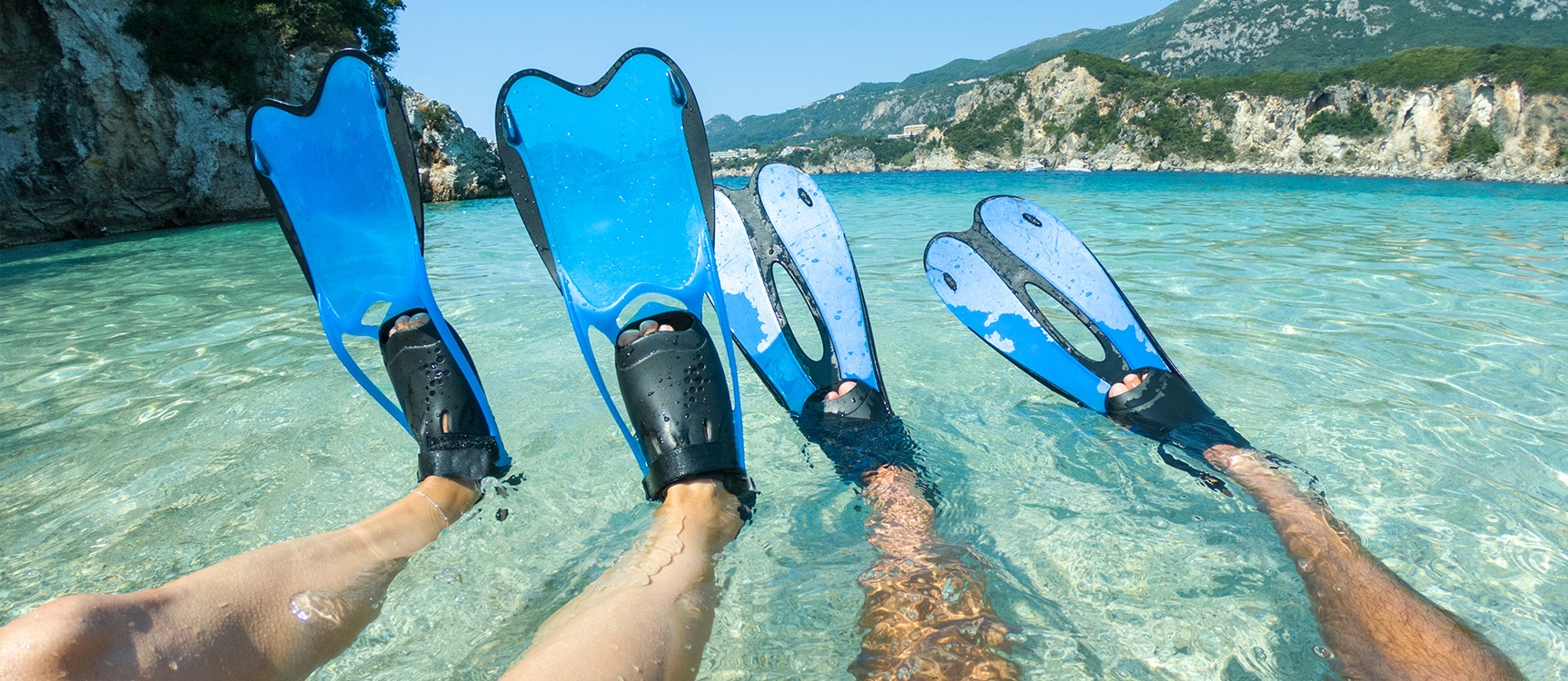
Fins don’t just give you speed while snorkeling—they mainly provide comfort. They’ll help you swim more smoothly, conserve energy, and go further without unnecessary effort.
We mainly carry shorter, compact fins, adjustable models with straps, and more classic styles with rubber foot pockets, so you can choose based on whether you’re looking for something compact for vacation, a versatile model for multiple family members, or simple fins for recreational use.
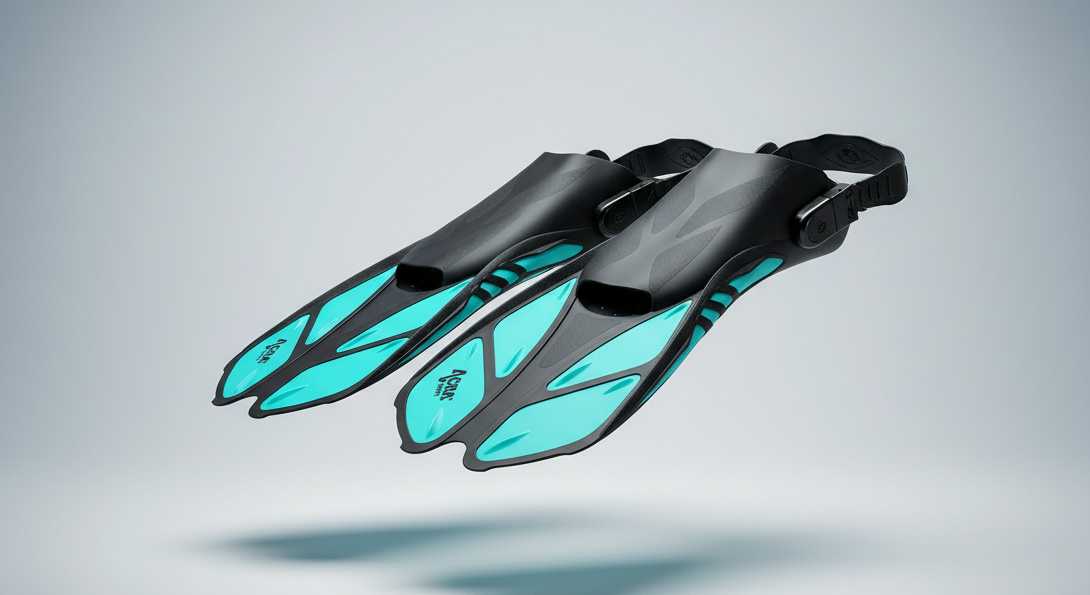
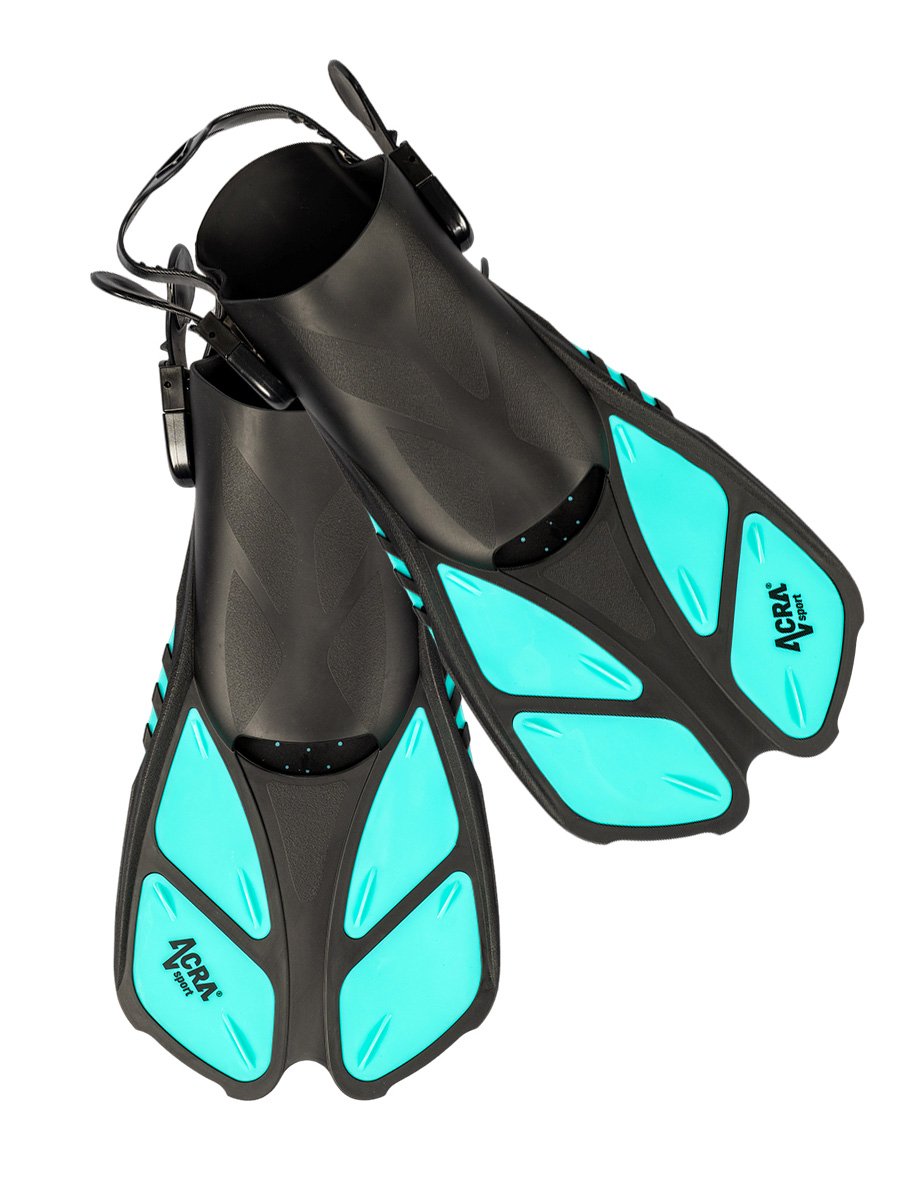
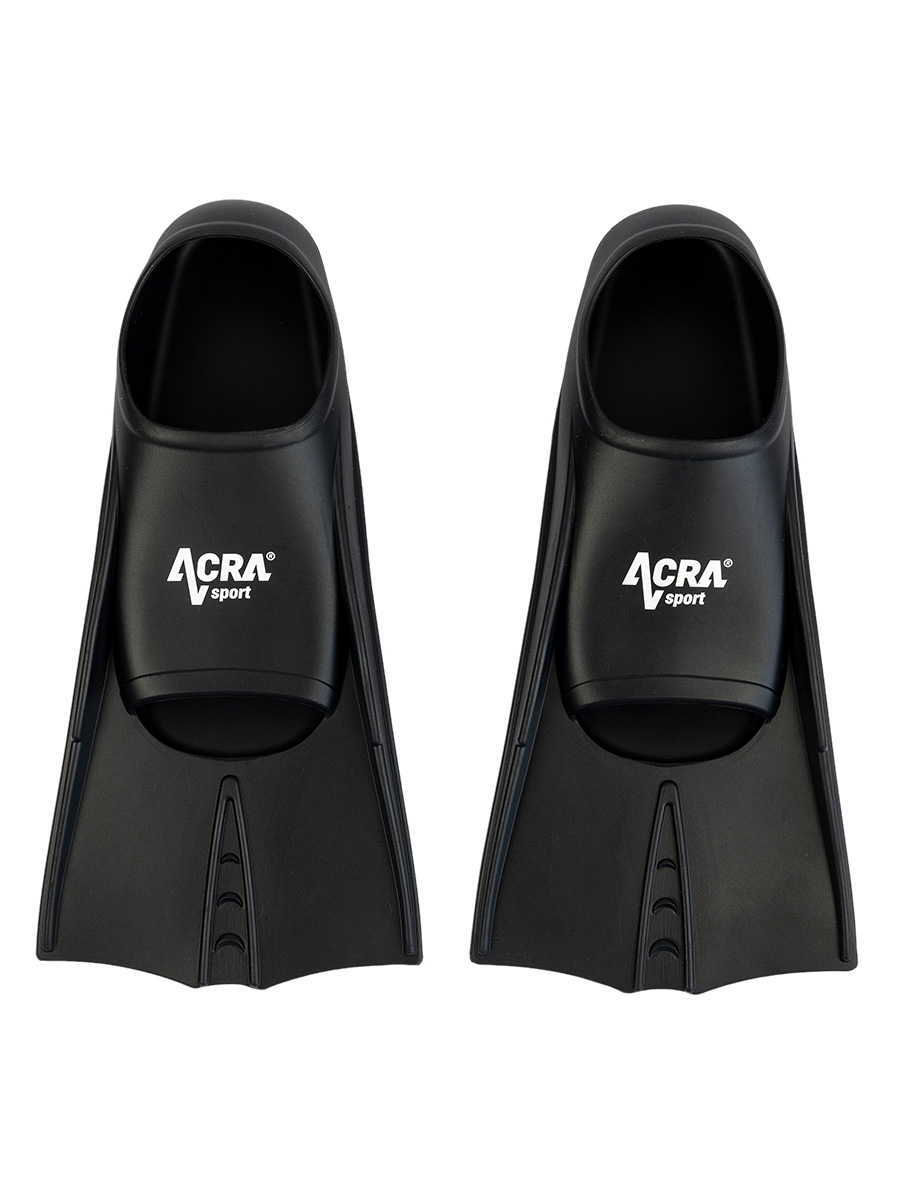
Go for the ACRA F618 short fins. They’re designed to be compact, lightweight, and easy to pack into a suitcase or bag, making them a great choice for everyday snorkeling, travel, and recreational swimming. A shorter blade is generally more comfortable for a more relaxed pace in the water, as it doesn’t tire your legs as much.
Delta fins with an adjustable strap are a good choice. Thanks to the stretchy strap, they fit a wider range of sizes and can be tightened more securely on your foot—a feature you’ll appreciate even if you’re between sizes or want more confidence when kicking.
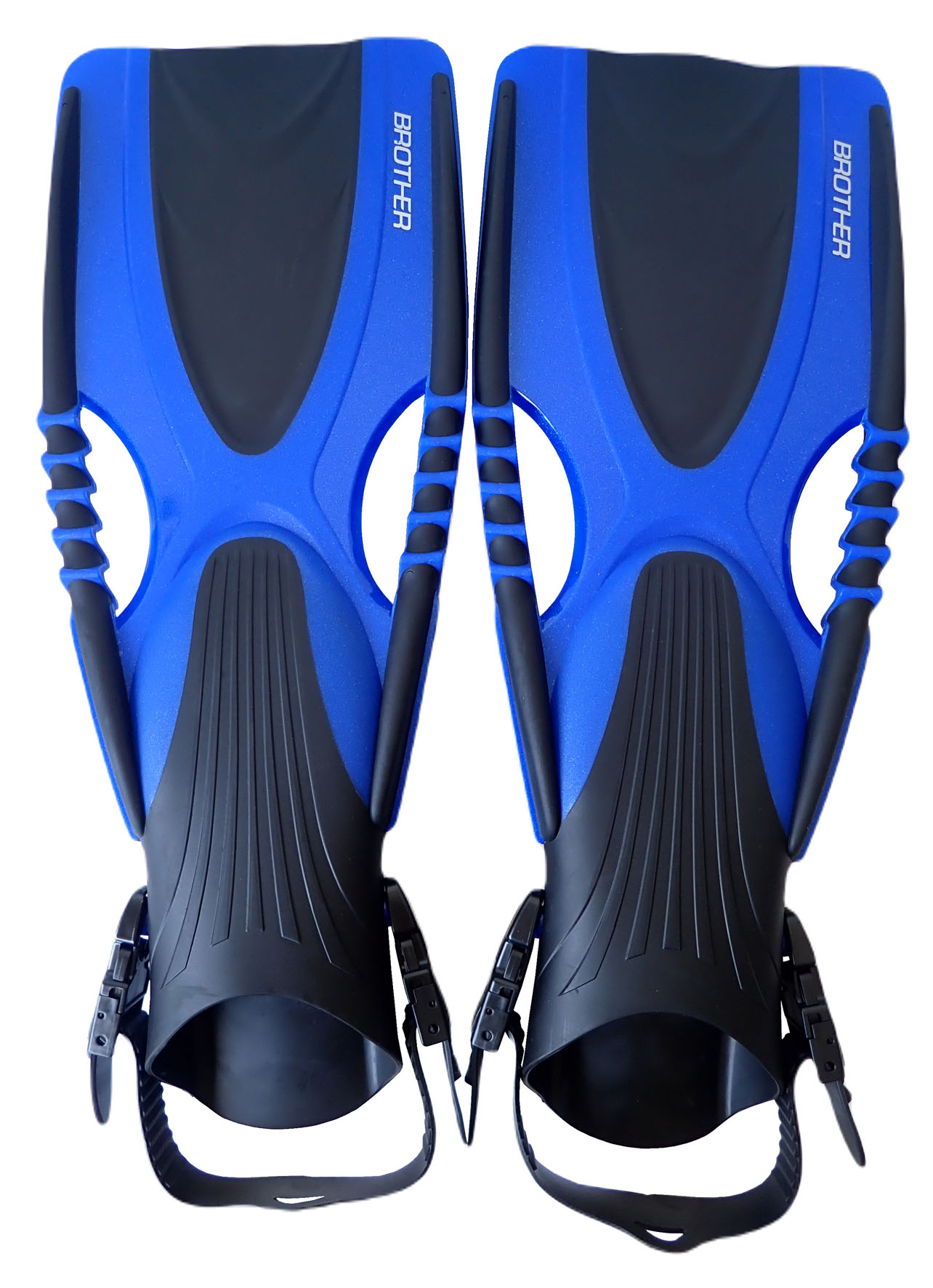
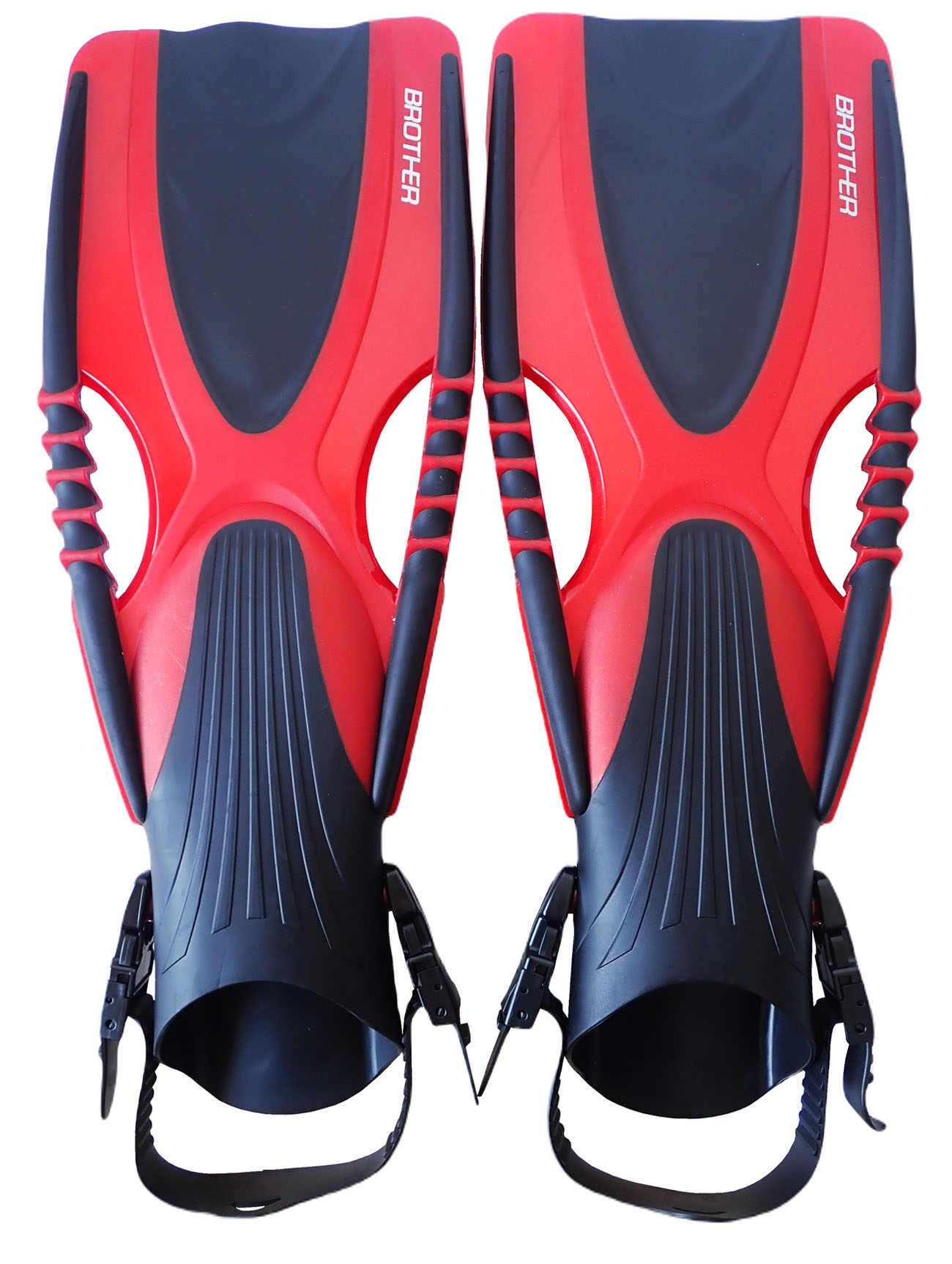
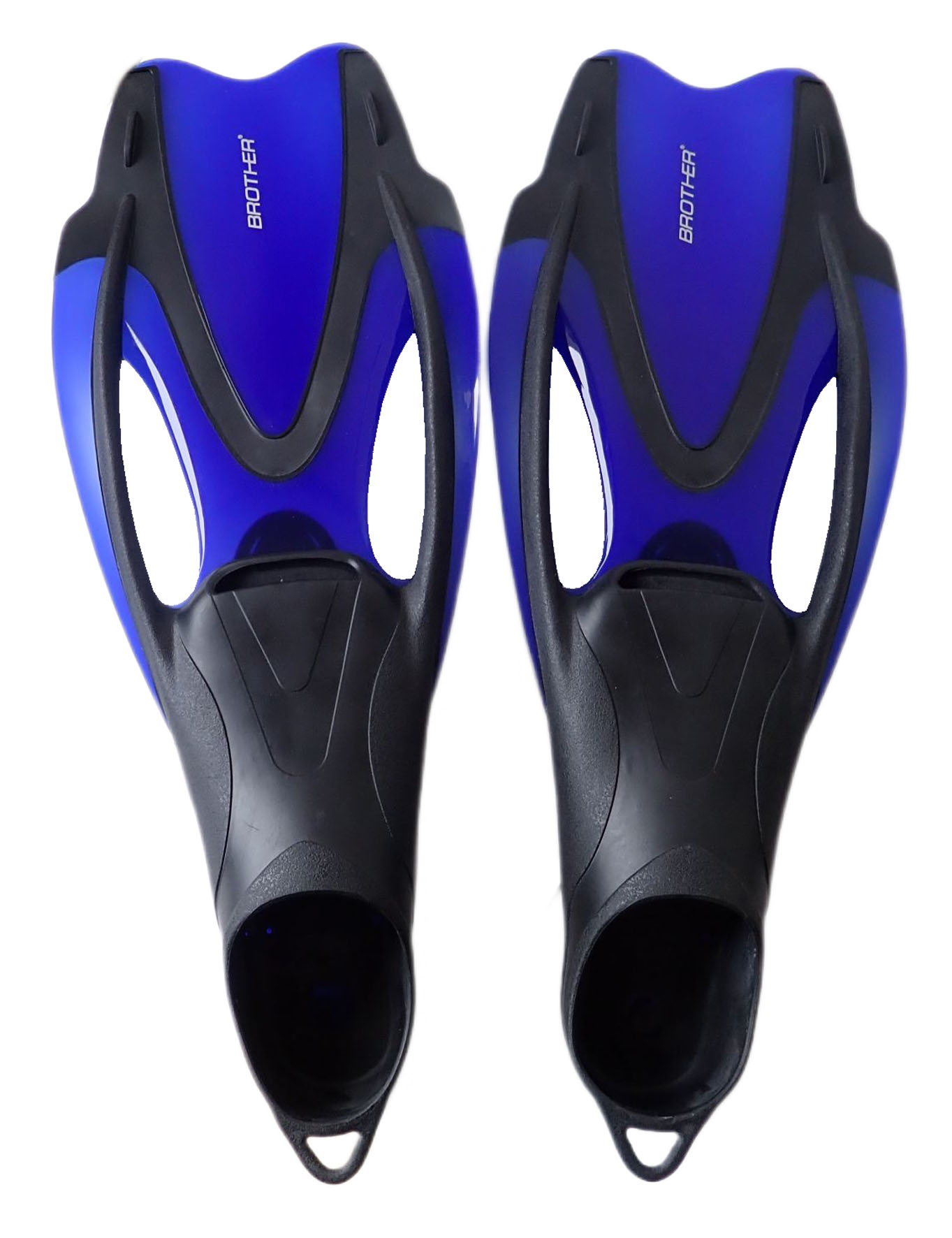
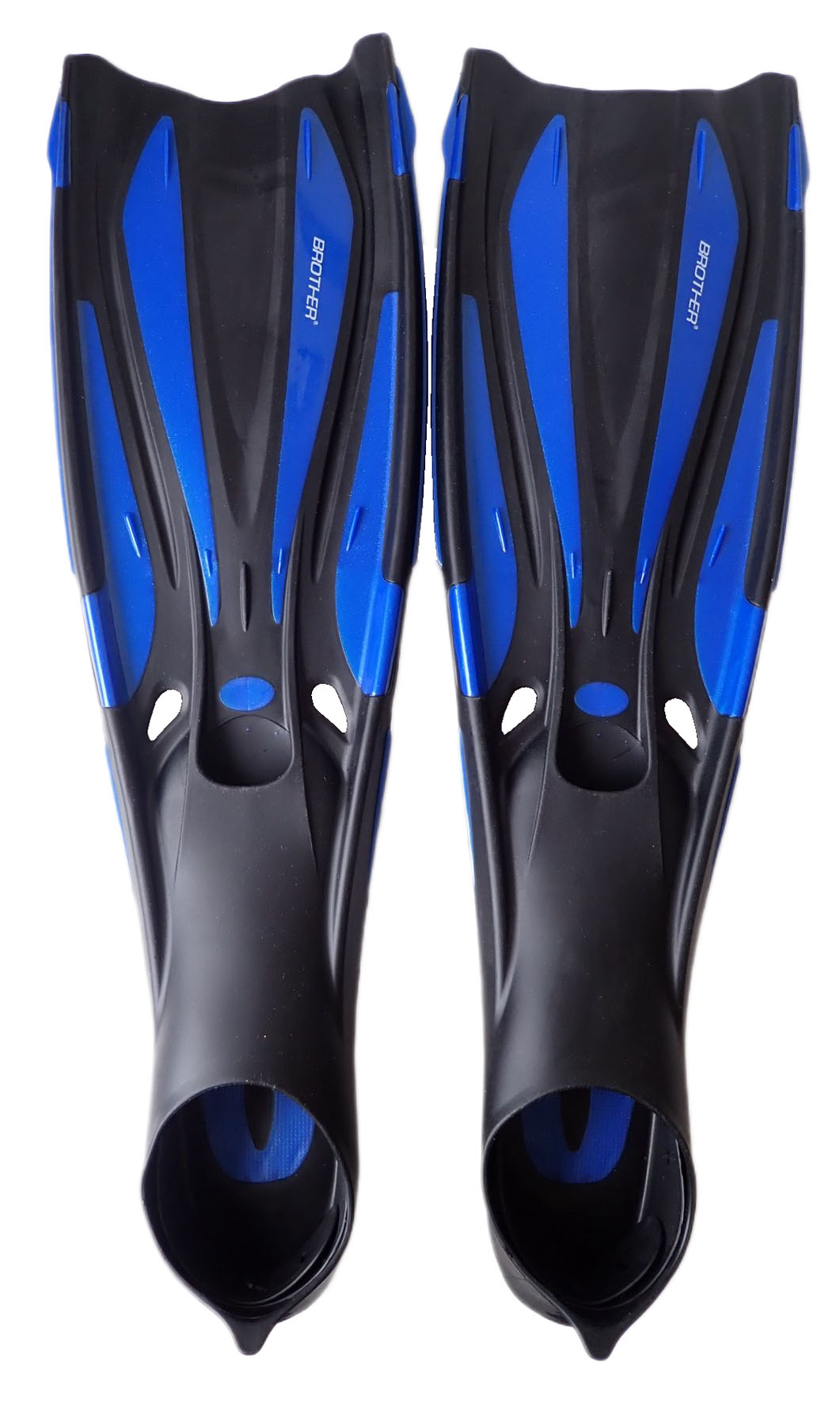
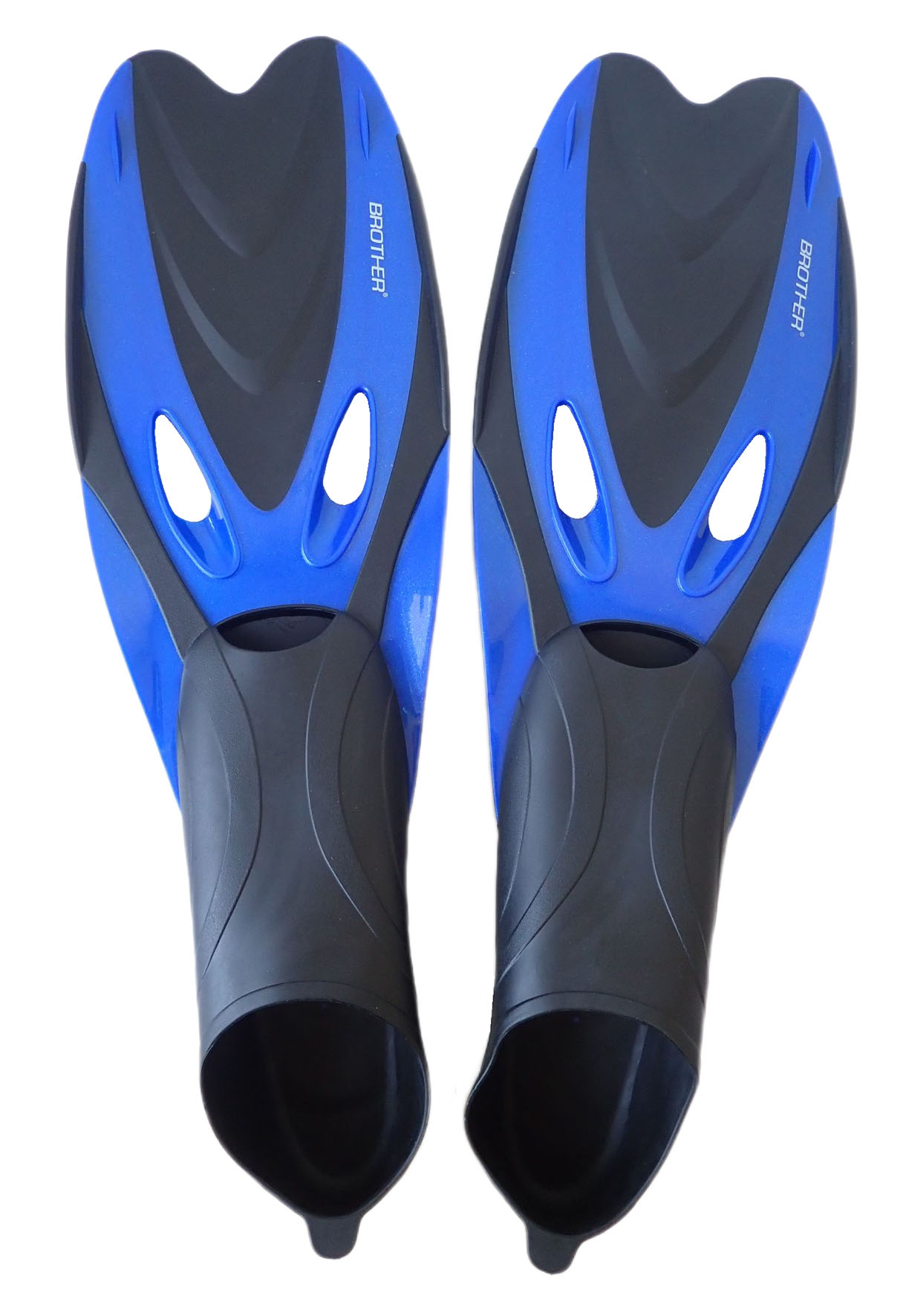
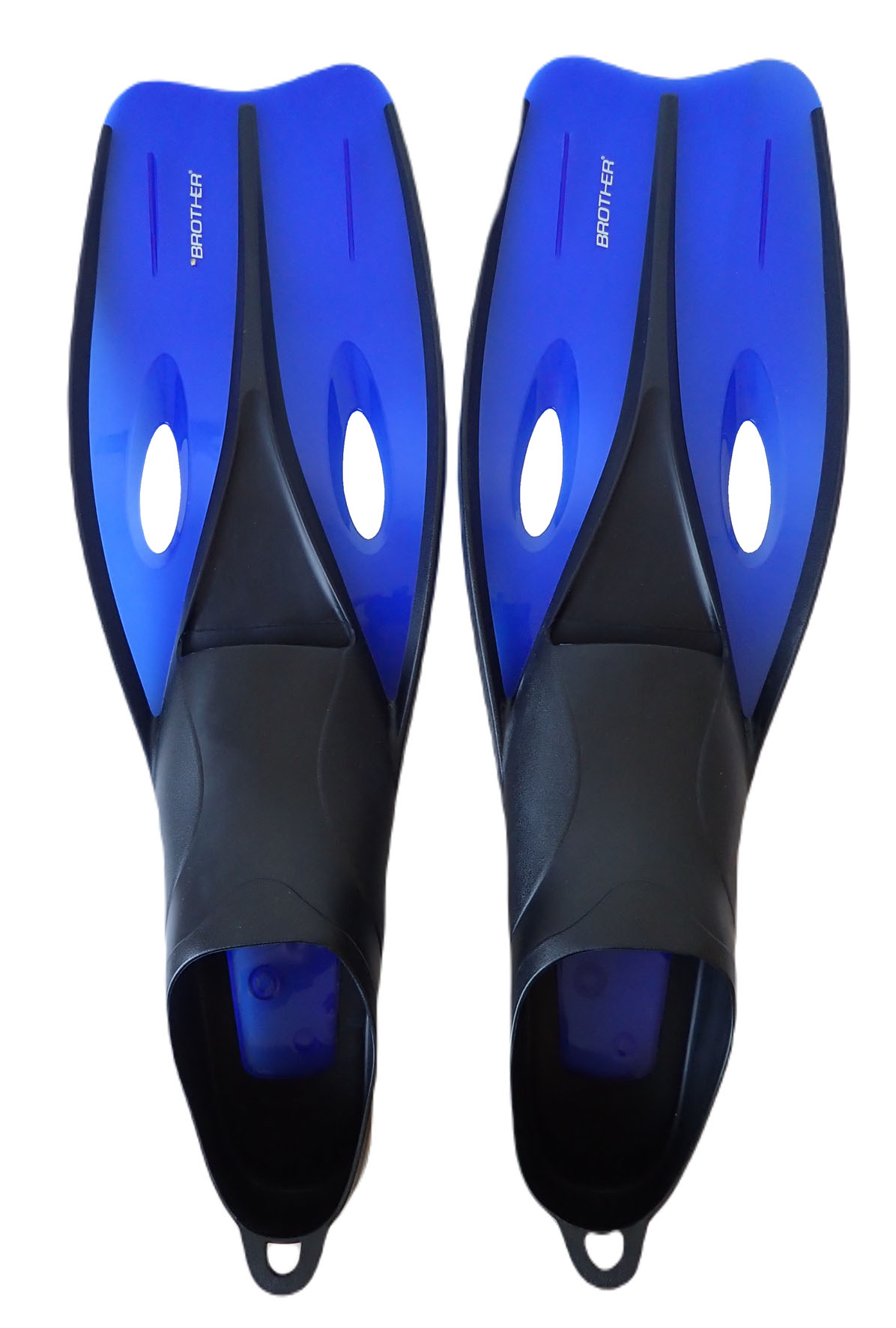
Check out the Brother models with rubber fins. These are simple, tried-and-true fins for everyday use, featuring flexible stiffeners for better water flow and, in some versions, a carrying bag for easy transport.
Bestway fins are also suitable for casual use. For select models, ACRA offers a more versatile size with an adjustable strap, making them a basic option for occasional use by the water.
For regular snorkeling and recreational swimming, shorter to medium-length fins are usually the most practical. They’re easier to maneuver with, don’t tire your legs as much, and are more compact for travel. Longer and stiffer fins provide a more powerful kick, but they also require better technique and more leg strength. So unless you’re looking for something that’s physically demanding, it usually makes sense to stick with the more comfortable and versatile options.
When choosing fins, it’s a good idea to check whether they have an adjustable strap or a fixed foot pocket. Models with a strap tend to be more versatile because you can adjust them better to fit your foot, and they’re also suitable when you want to use the fins with water shoes or neoprene socks. The version with a fixed foot pocket, on the other hand, is simple and comfortable for casual barefoot use, but the size must fit more precisely.
Not all fins provide the same resistance. Softer fins tend to be more comfortable for beginners, children, and recreational swimmers because they don’t require as much force when kicking. Stiffer models provide a more powerful kick but can tire your legs more quickly. For vacations and casual snorkeling, fins that provide assistance without being unnecessarily aggressive are therefore usually the best choice.
If you’re choosing fins for a vacation, it’s a good idea to also consider how easy they are to pack and carry. More compact models fit better in your suitcase and don’t take up as much space among your other gear. After using them in the ocean, it’s always a good idea to rinse the fins with fresh water, dry them in the shade, and avoid leaving them bent for long periods in the heat or under pressure from other items.
✔ Don’t bring “competition-style” fins on your first vacation. For recreational snorkeling, shorter and softer models are usually more comfortable—they don’t tire your legs as much and are easier to pack in your suitcase.
✔ Are you between sizes? A model with a strap usually offers a better fit, since you can adjust it to your foot. This is also handy if you want to occasionally wear water shoes or thin socks.
✔ After using them in the ocean, always rinse your fins with fresh water, dry them in the shade, and store them flat. Don’t leave them standing on their tips for long periods or in a hot car, as they can warp.
✔ If your calves start to ache after a few minutes, the problem is usually not just partly due to your technique. Often, it’s because the fins are too long or too stiff for your swimming style.
✔ Let the fins do the work, not your strength. With fins, it’s generally not true that the bigger and more forceful the kick, the better the result. On the contrary, a calmer pace, a smaller range of motion, and more extended toes are usually more effective, because the fins then “engage” better and you don’t waste energy.
✔ When swimming with fins, try not to make unnecessarily large movements coming only from your knees. A smooth kick originating more from the hips, with a smaller range of motion and a calmer pace, is more efficient and comfortable.
Are longer fins always better?
No. Longer fins provide more thrust, but they also put more strain on your calves and ankles. For recreational snorkeling, shorter and lighter models are often more comfortable.
Can I use fins with water shoes or neoprene socks?
Yes, but they work best with strap-on models. The ACRA F618 specifically states that, in addition to bare feet, they can also be used with socks, water shoes, or diving boots.
Why do my feet or ankles hurt when I wear fins?
The most common problem is that the fins are too stiff, too long, or don’t fit the shape of the foot well. Softer models are usually more suitable for beginners and recreational swimmers.
Which fins are the most practical for a vacation?
Usually shorter, lighter, and more compact models. ACRA’s F618 series is designed with this in mind; it’s compact and easy to pack into a suitcase or bag.

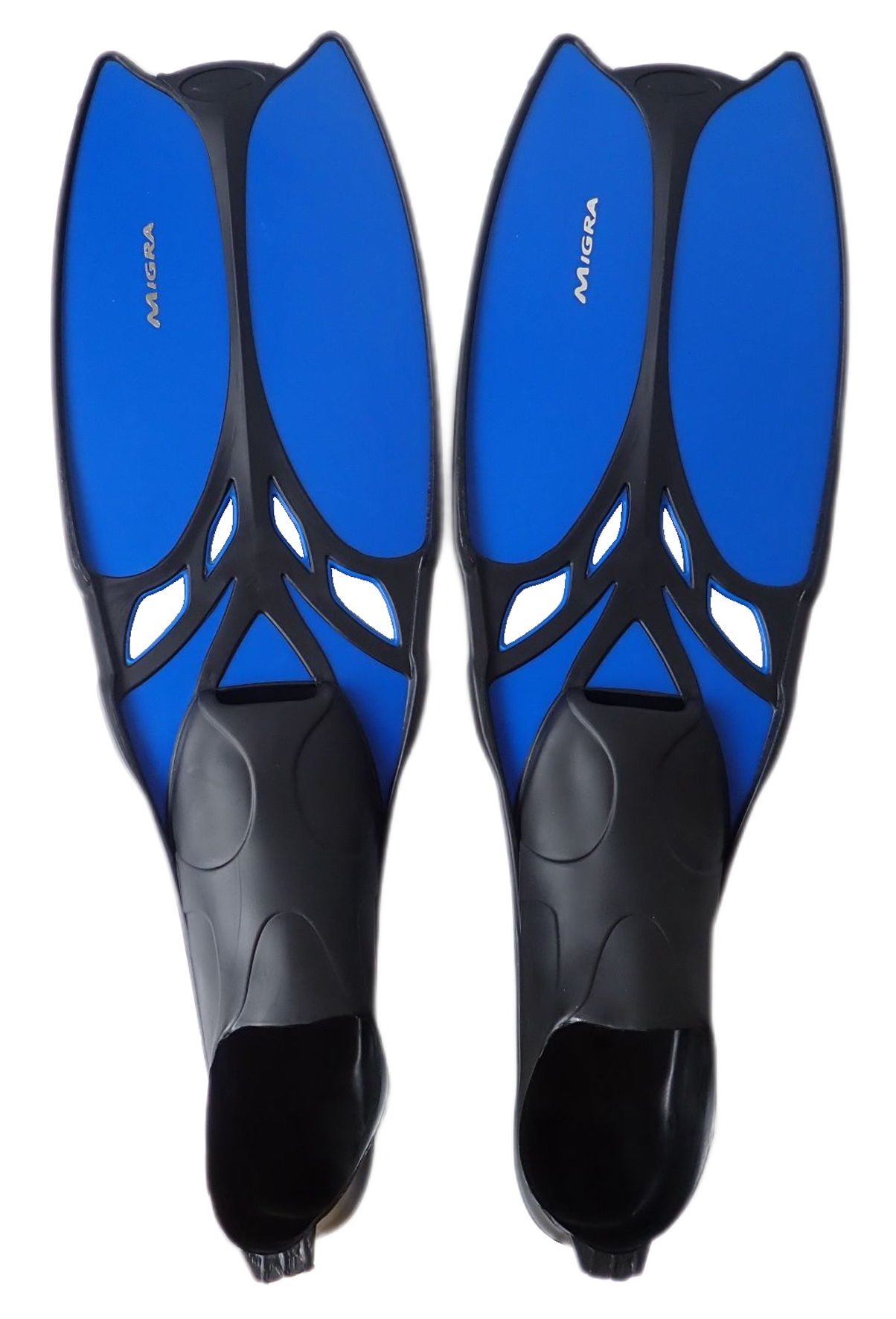
MIGRA fins, rubber boot, PE bag, size 39–40. The fins feature flexible rubber reinforcements for improved water flow.

DELTA adjustable fins with a fastening strap, available in sizes 36–40 (22.5–25.5 cm).

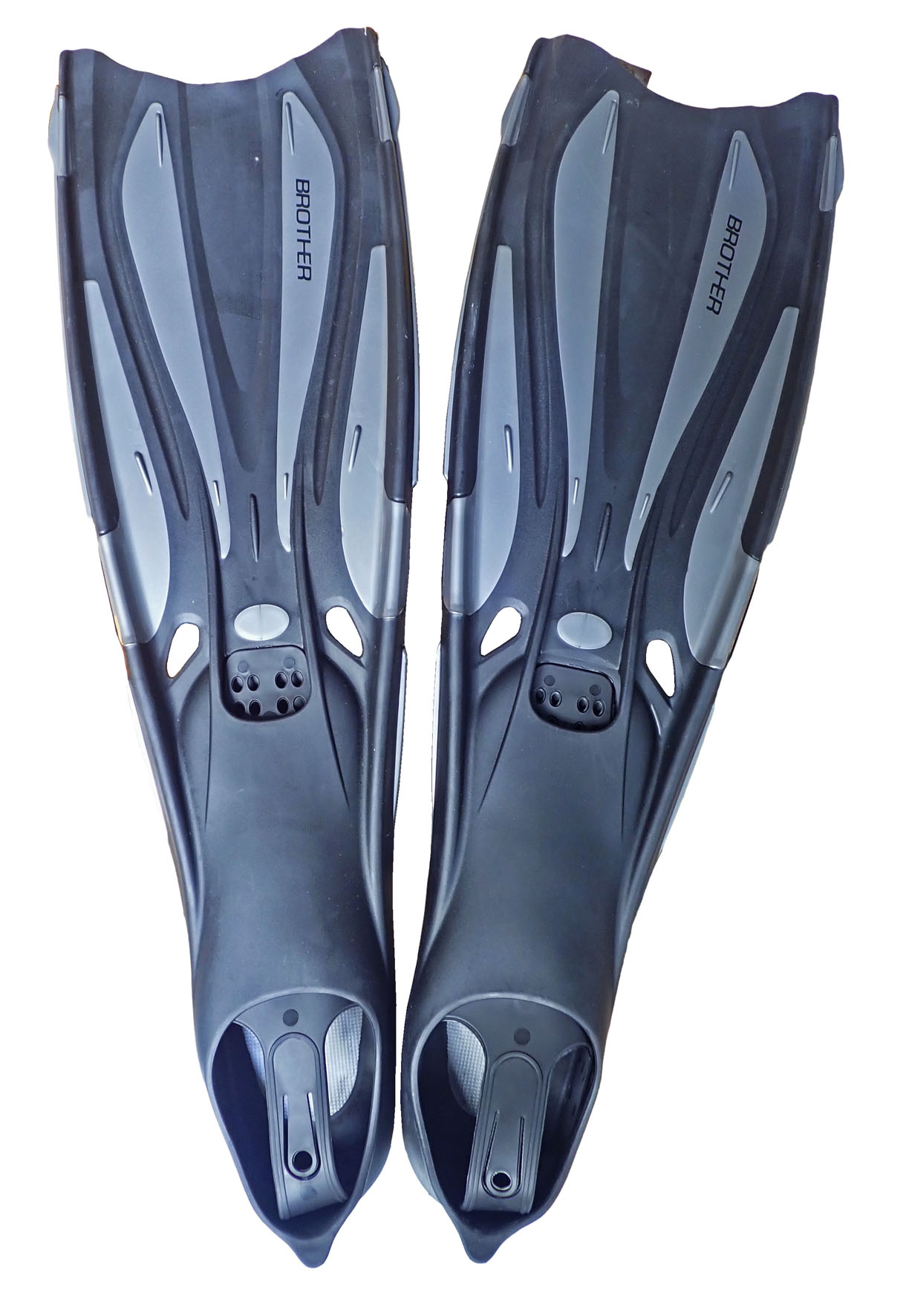
BROTHER Fins – rubber foot pocket, plastic bag with plastic handles for easy carrying. The fins feature flexible rubber stiffeners for better water flow. Available in gray.

DELTA expandable fins with an adjustable strap, available in sizes 36–40 (22.5–25.5 cm).

Short Diving Fins – Compact Power and Comfort for Your Water Adventures! Discover a new level of freedom and performance in the water with the ACRA F618 diving fins.

Brother fins, size 39–40—with rubber booties. The fins feature flexible rubber reinforcements for improved water flow.

BROTHER Fins – rubber foot pocket, carrying bag for easy transport, size 42-43. The fins feature flexible rubber reinforcements for better water flow. Available in dark blue.

The ideal choice for both the pool and open water, where they’ll help every swimmer effectively improve their kick technique and strengthen their legs. With their lightweight design and great fit, they’ll quickly become an indispensable part of your swimming gear.

BROTHER fins, rubber boot, PE bag, size 40–42. The fins feature flexible rubber reinforcements for improved water flow.

BROTHER fins, rubber foot pocket, PE bag. Brother fins in size 44–46, in blue. The fins feature flexible rubber reinforcements for better water flow.
Acra is a purely Czech brand that has been providing a full range of sports equipment for homes and rural playgrounds since 1991.
Customer Service Center
Feel free to write anytime
Call Mon–Fri, 6 a.m.–3 p.m.
Delivery Methods
Payment Methods