Whether you’re heading to the beach, a quarry, or just want to make your kids’ time in the pool more enjoyable, a well-fitting mask and snorkel will make a bigger difference than you might think.
In the Masks and Snorkels category at ACRA Sport, you’ll find mainly full-face snorkeling masks, kids’ sets, and individual snorkels—in other words, everything you need for a relaxing snorkeling experience on the water’s surface.
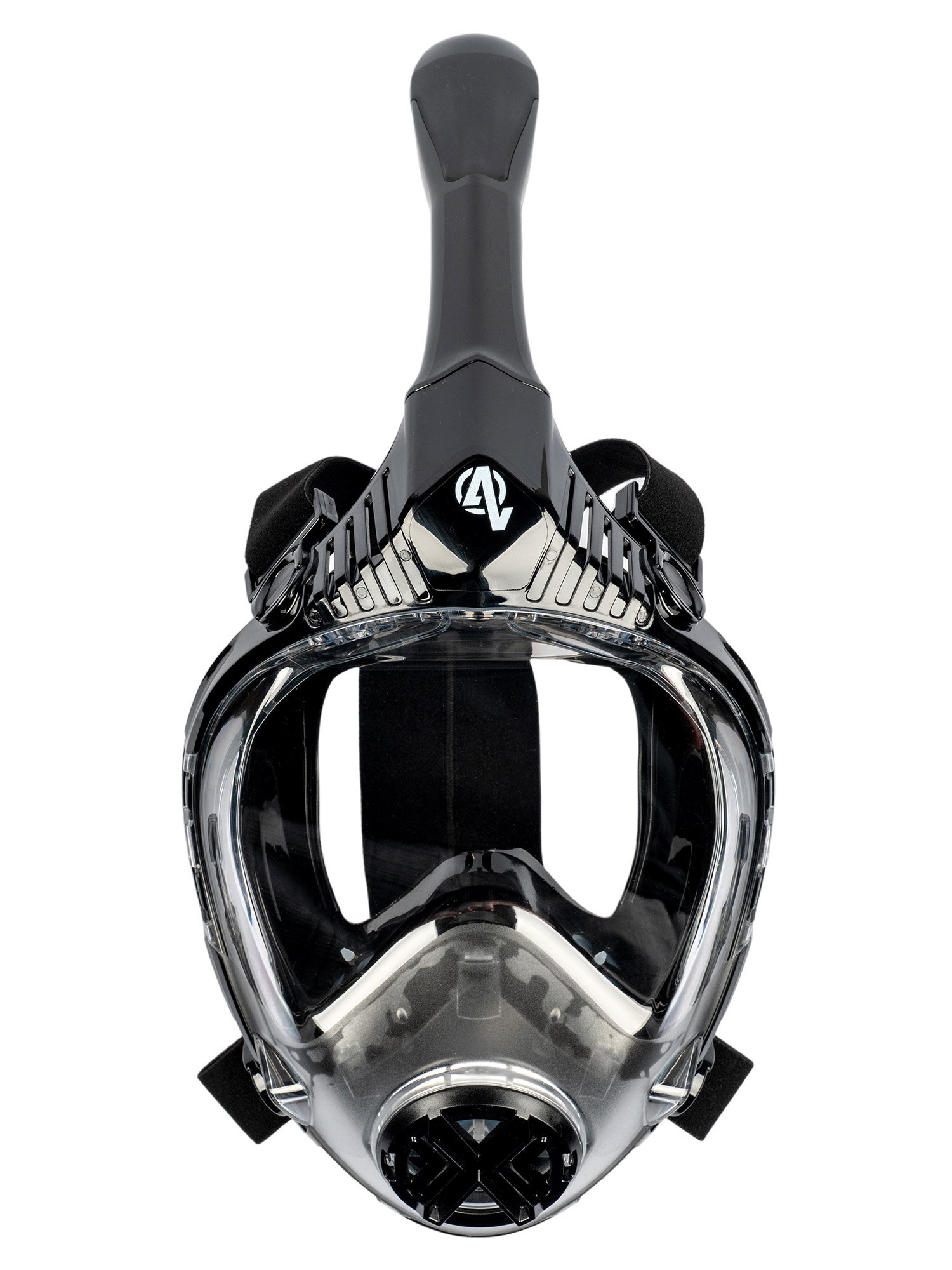
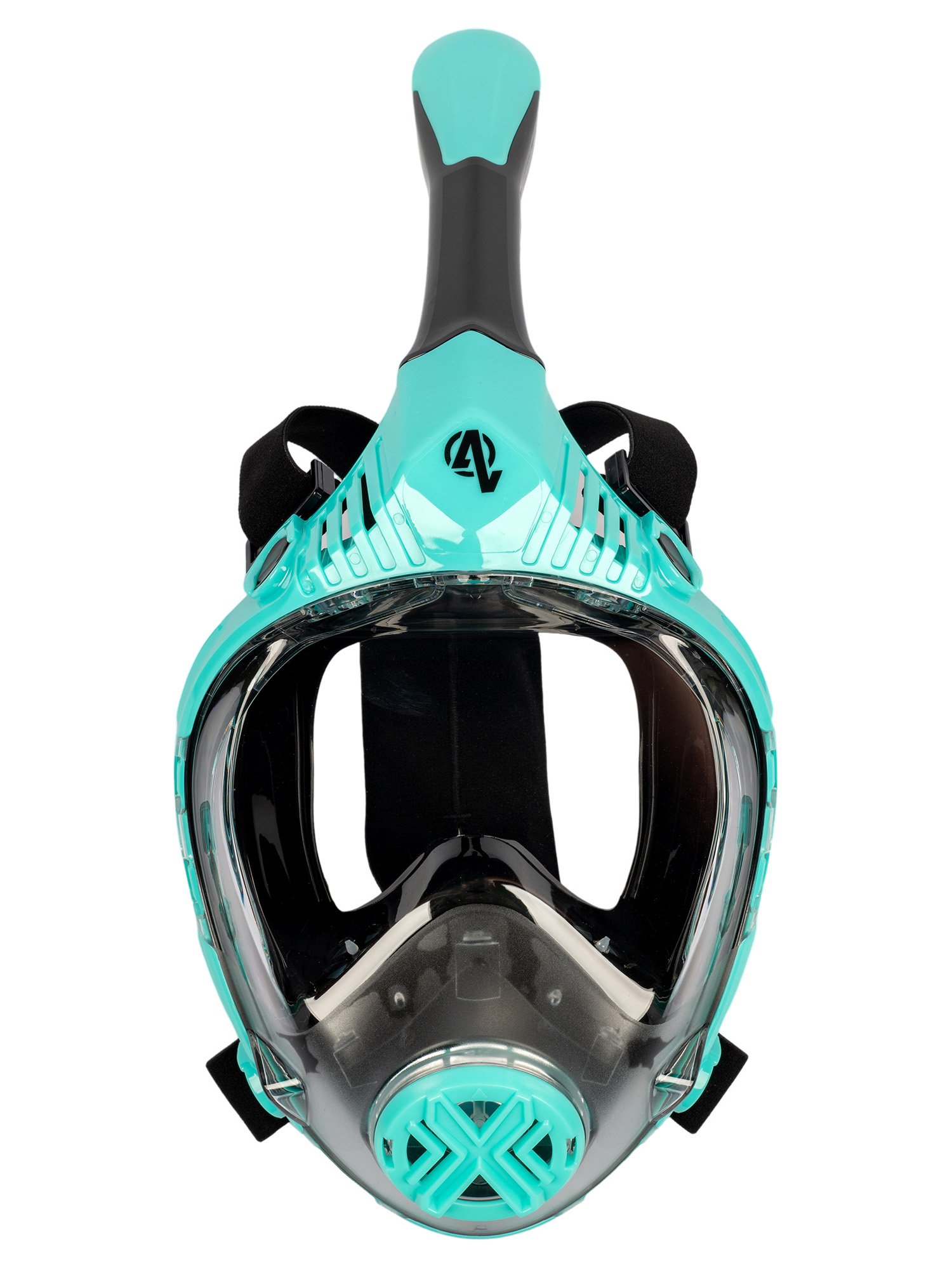
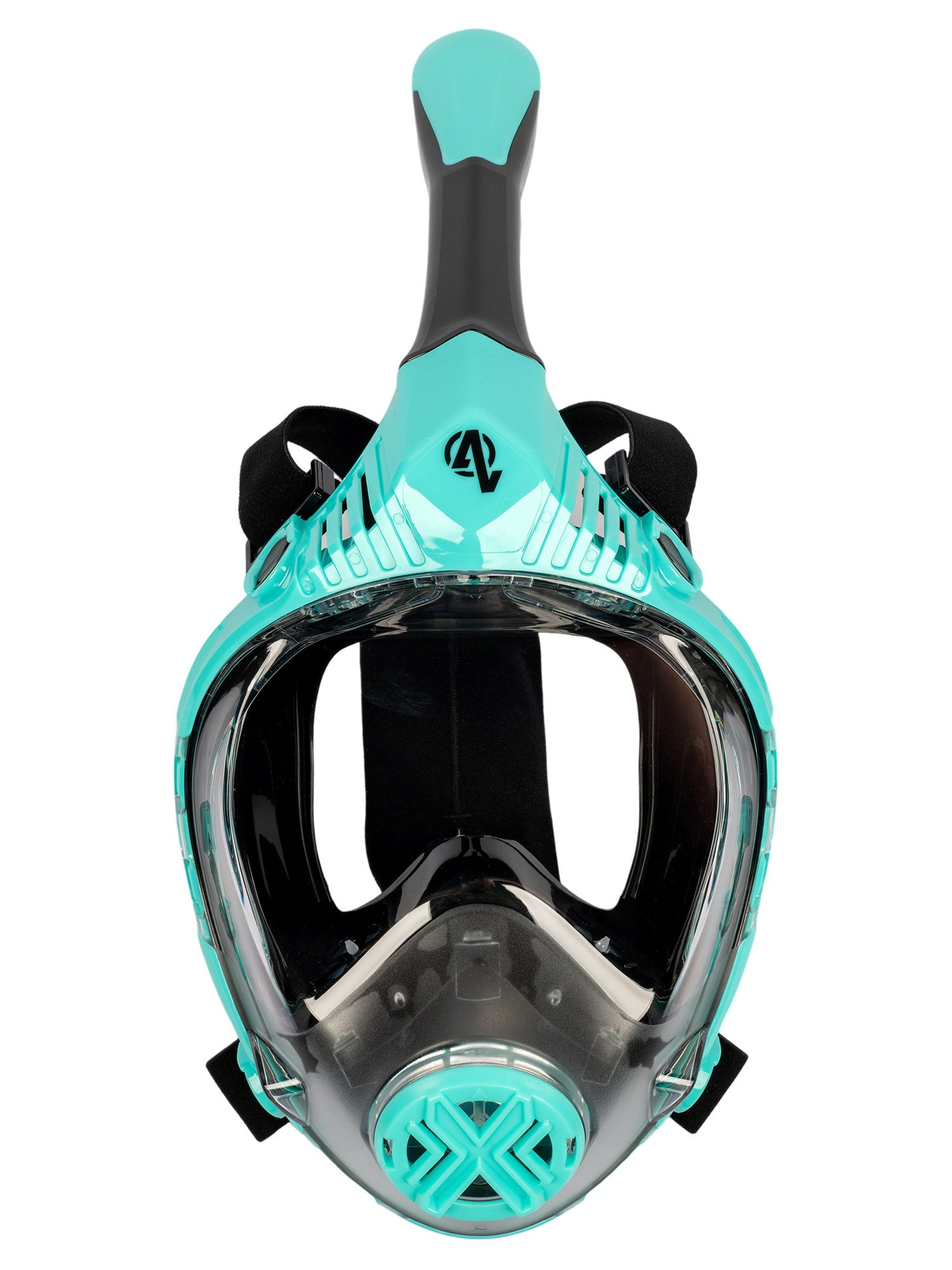
Get a full-face snorkeling mask (easier to breathe through both the nose and mouth, wide field of view).
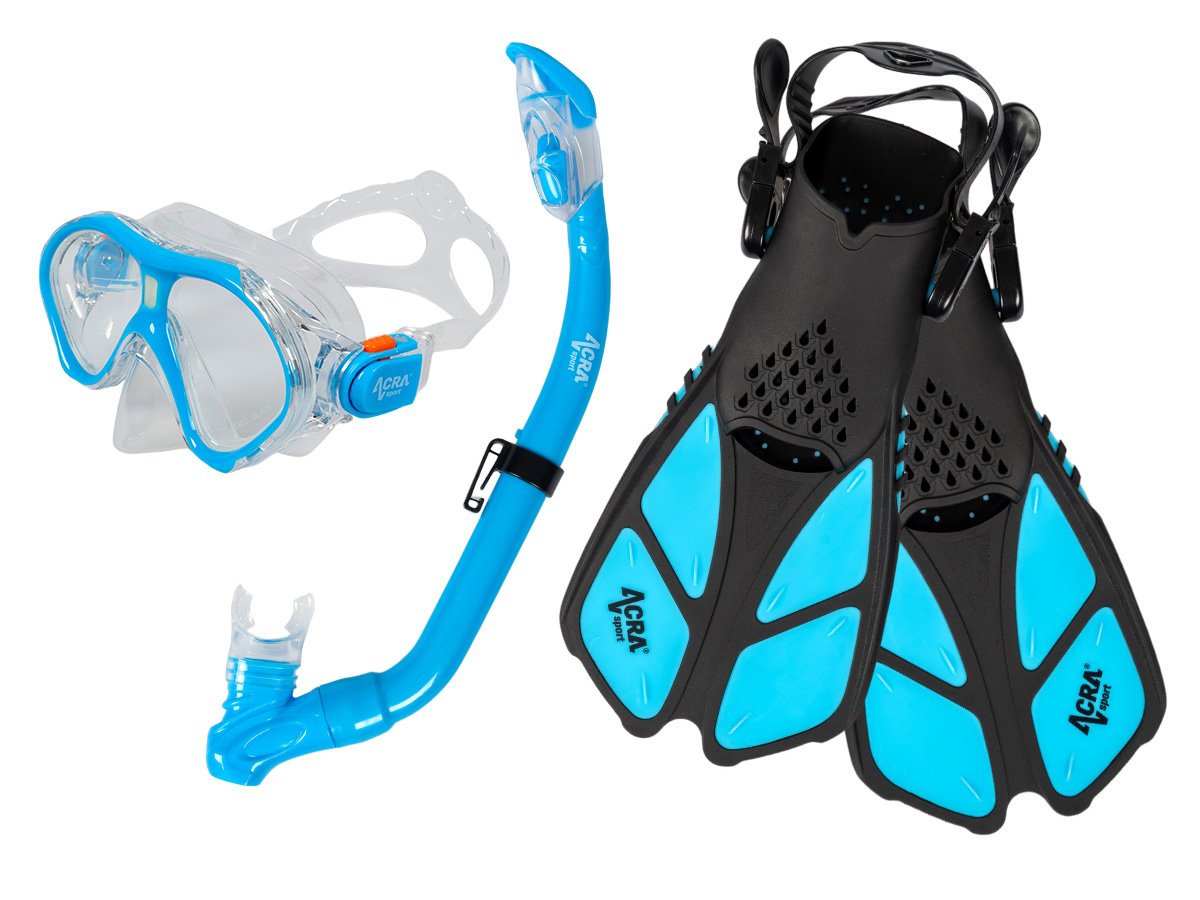
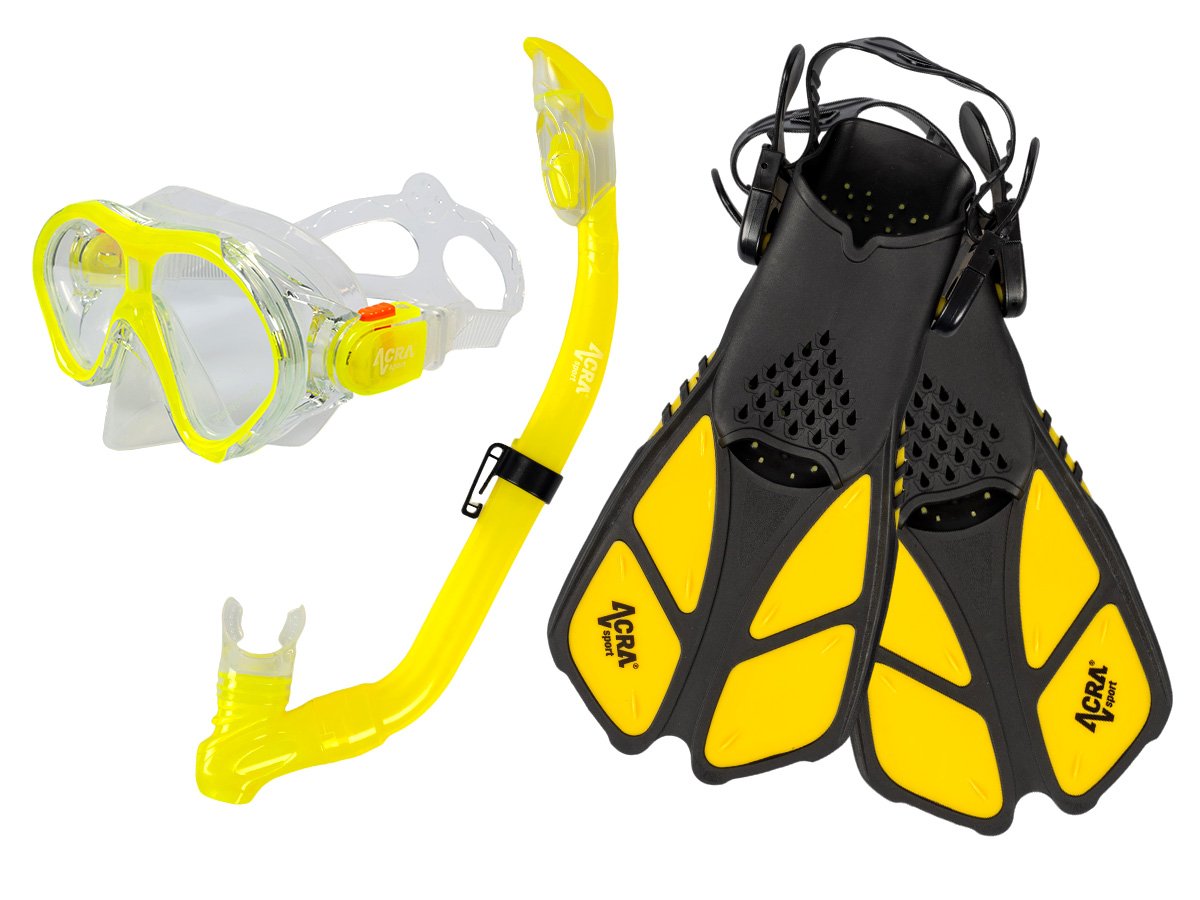
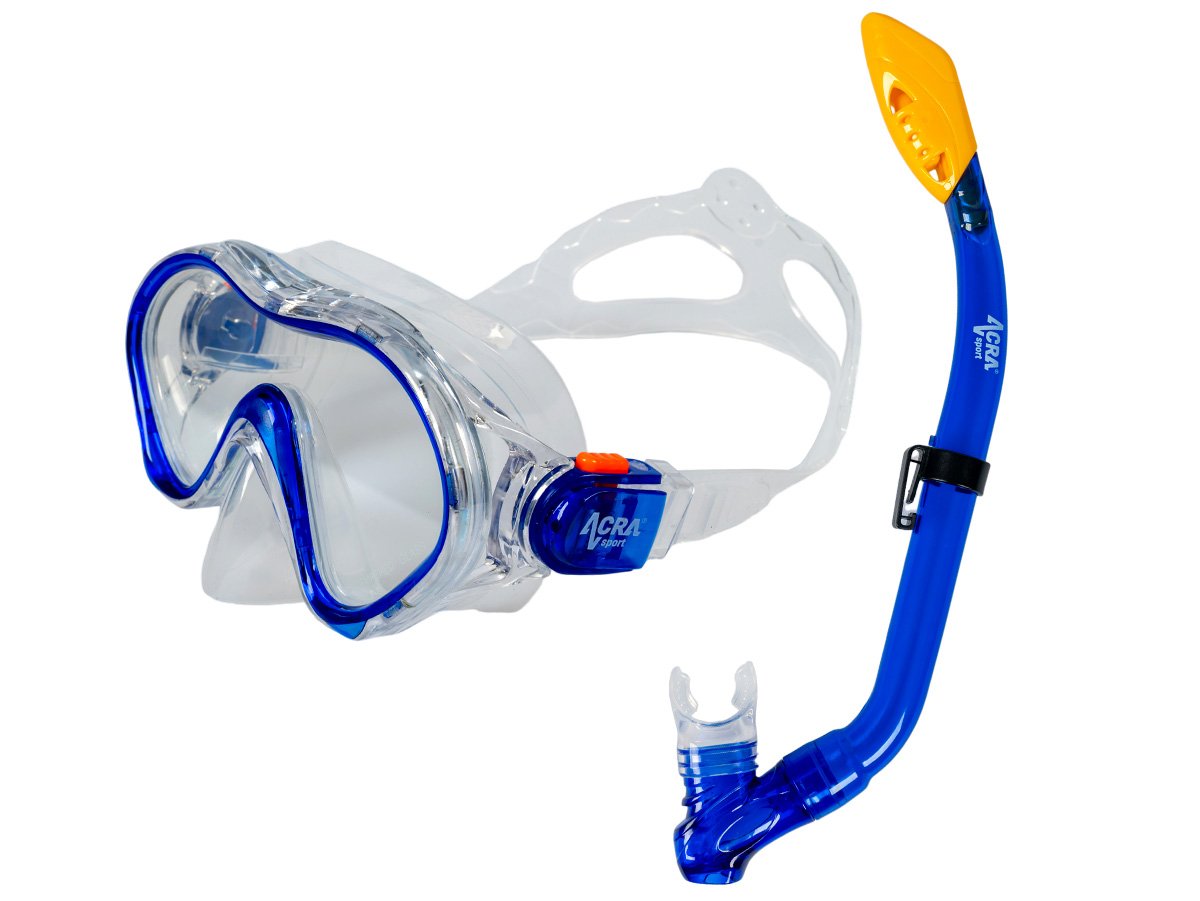
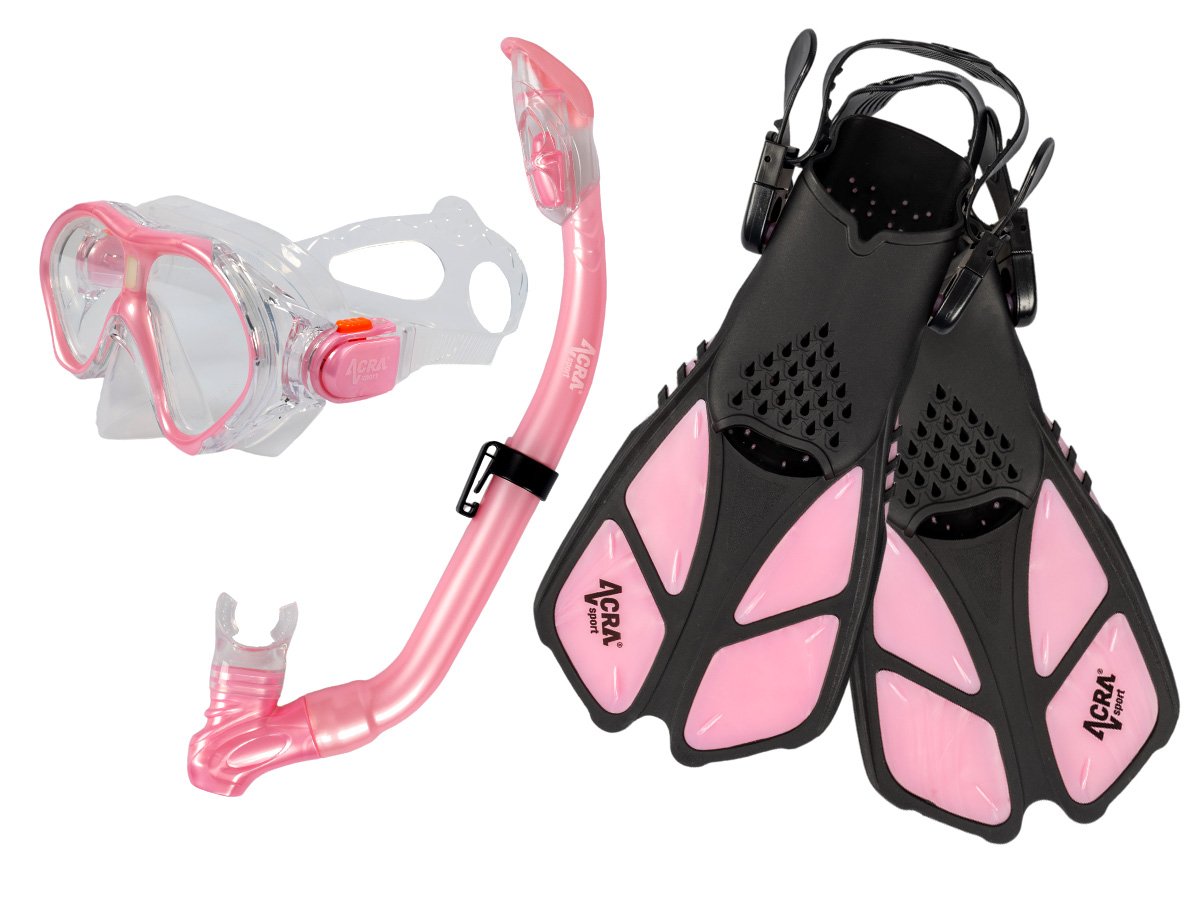
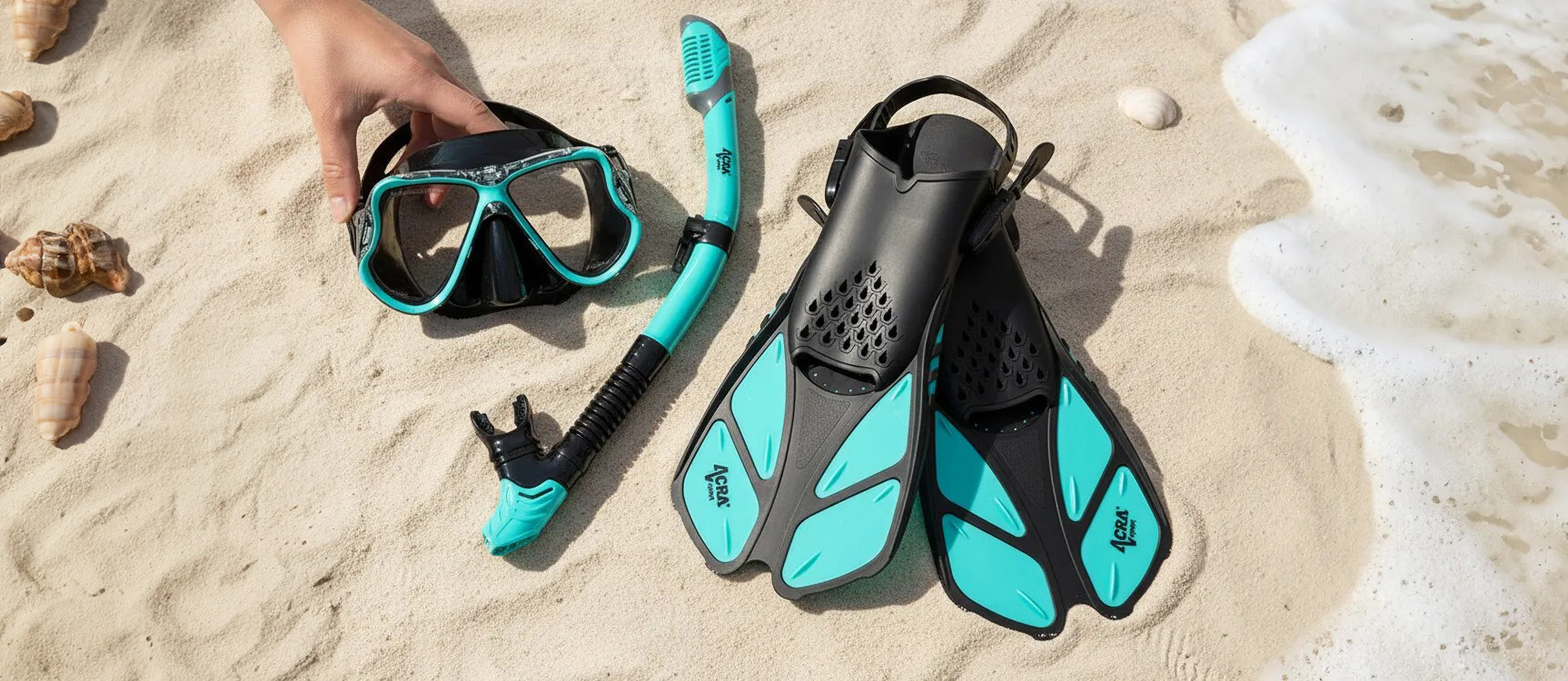
Choose the 2-in-1 kids' set (mask + snorkel) or the 3-in-1 set (mask + snorkel + fins).
Look for a combination of a top cap (splash guard / dry top) and, ideally, a purge valve.
If you're shopping on your own and are only interested in fins, be sure to check out our separate Buying Guide: Fins, where you'll find an overview of fin types and tips on how to choose them.
Full-face masks = comfortable for recreational snorkeling on the surface (often anti-fog thanks to separate channels), but not suitable for deeper diving or freediving. Full-face masks also address proper airflow and the risk of “rebreathing” (inhaling exhaled air)—so choose a proven design, the right size, and don’t overexert yourself.
The mask should fit snugly without causing pain. For full-face models, a simple measurement from the bridge of the nose to the base of the chin is typically used (e.g., a difference of about 12 cm between S/M and L/XL—please refer to the size chart for the specific product).
When snorkeling, you want as little resistance as possible when breathing. If you find yourself getting out of breath at a relaxed pace, a larger or looser-fitting mask often helps, or a simpler snorkel without unnecessarily narrow sections. (With full-face masks, it’s also important to take breaks and not overexert yourself—especially in currents and waves.)
When traveling, you'll appreciate the foldable snorkel and bag (standard with full-face masks). A model with a camera mount, such as the AEONE, is ideal for recording your adventures.
When you’re on the water in choppy conditions, you’ll appreciate a splash guard—it significantly reduces the amount of water that gets in from above.
Tip: Often, a splash guard (semi-dry) is enough. A “completely dry” solution with a float (ball) can be nice, but some sources warn that it can get stuck and cause problems with breathing—so it’s safer to stick with a wave guard + valve.
Examples:
The valve in the knee/cuff area allows water to drain out more quickly when surfacing—less blowing, less stress.
You'll notice the difference after 10 minutes. The soft silicone mouthpiece and flexible corrugated hose/elbow relieve pressure on your jaw, and the snorkel doesn't "pull" on your mouth when you move your head.
A snorkel shouldn't be unnecessarily long or bulky. The tube is typically about 40 cm long, and the snorkel’s volume should not exceed approximately 150 ml (due to “dead space,” which impairs air exchange). For younger children, a snorkel with a smaller volume is therefore preferable.
A good snorkel is shaped to fit the head (for less drag while swimming), has a tube made of a material that doesn't press against your face, and ideally comes in a bright color (at least at the end of the tube) so you're more visible on the surface.
✔ Fogging: Before entering the water, an anti-fog solution will help, or you can use the “classic” method—a little saliva, followed by a light rinse (don’t wash it off completely).
✔ New mask and film on the lens (typically with classic diving masks): this is often solved by removing the residual film with a mild cleanser (e.g., regular white toothpaste—not gel).
✔ If it’s leaking: most often, it’s a strand of hair, a string, or swimwear under the cheek piece, or a strap that’s too tight. The strap is only meant to hold the mask in place, not to “squeeze” it.
✔ Always rinse with fresh water after swimming in the ocean (strap, valves, buckles) and let it dry in the shade.
✔ Don't snorkel alone; stay with a buddy or group.
✔ Before entering the water, check the waves, currents, and boats, and don’t overestimate your abilities.
✔ For full-face masks: keep a relaxed pace, take breaks, and make sure the mask fits properly; if you feel nauseous or dizzy, get out of the water immediately.
How can I tell if the mask fits me?
It should fit snugly without causing pain and without having to “force” the strap to tighten. For full-face masks, follow the nose-to-chin measurement and the product’s size chart.
Can I dive below the surface with a full-face mask?
It’s primarily designed for snorkeling on the surface. For repeated dives or freediving, a classic mask and snorkel are generally recommended, and above all, don’t push yourself too hard. With full-face masks, there are also concerns about airflow and the potential risk of rebreathing, so it makes sense to stick to “recreational surface, stay calm.”
Why does water keep getting into my snorkel?
In waves, a snorkel with a top cap (dry top) will help, and ideally one with an exhalation valve for quick clearing.
What if my mask fogs up?

Acra AEONE Full-Face Snorkeling Mask with GoPro Mount. Size Chart: S/M – less than 12 cm; L/XL – more than 12 cm. Please measure the length from the bridge of the nose to the base of…

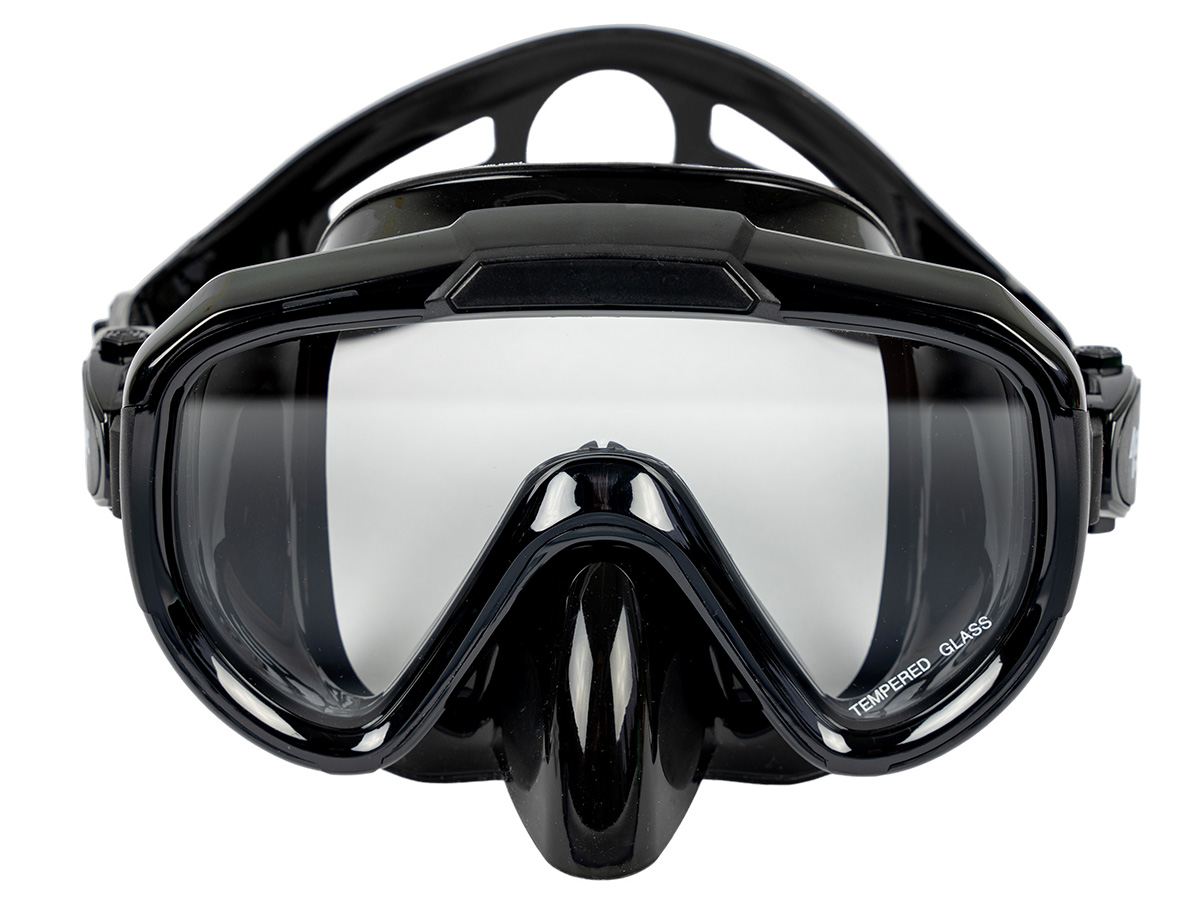
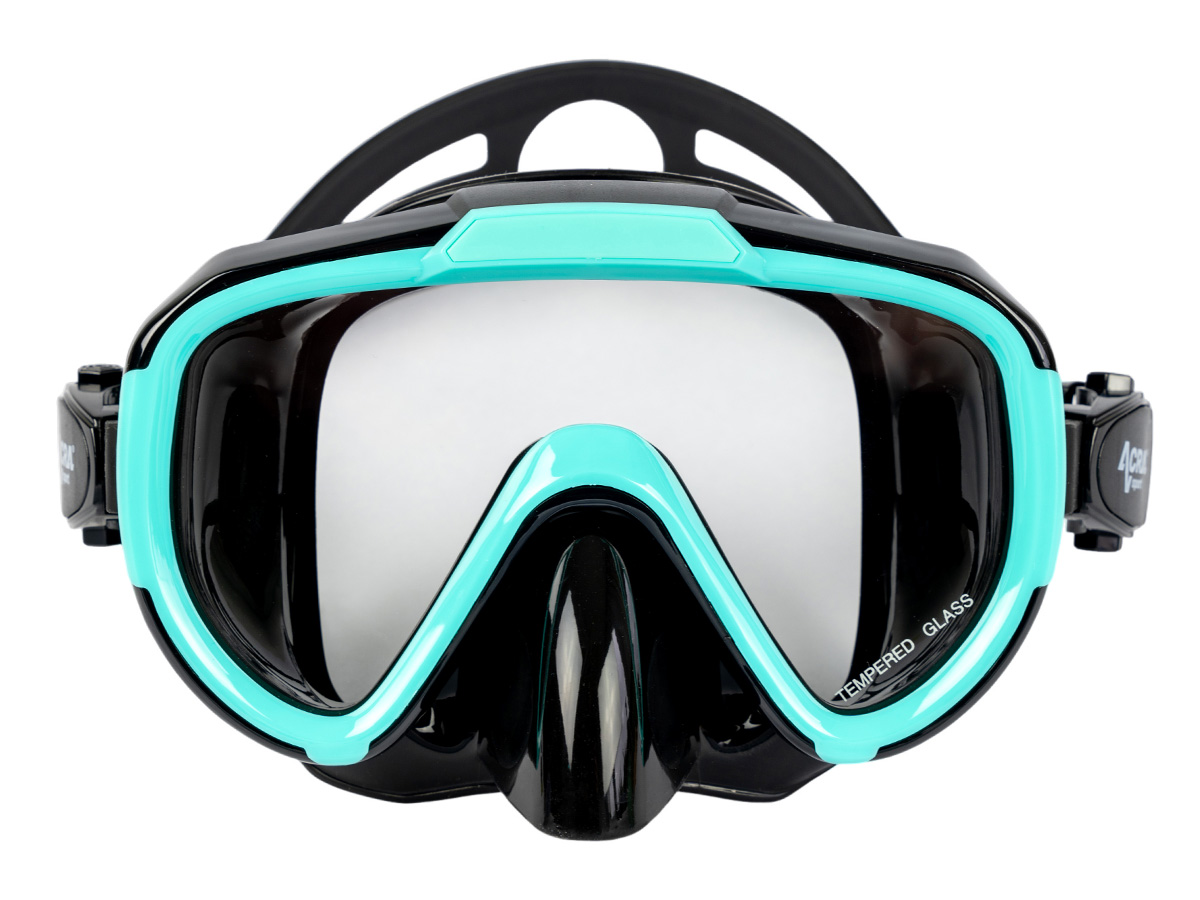
180° panorama, wide field of view thanks to the large lens surface! The standout feature of this model is its large, one-piece tempered glass lens, which provides a clear view without any distracting seams in the field of view. The tempered glass used offers higher mechanical resistance to everyday impacts and is suitable for regular use in snorkeling and recreational diving. The mask’s design features a single wide lens, which provides excellent side visibility and more comfortable underwater orientation.

The Acra Sport Children's Snorkeling Set includes: adjustable children's fins, a dry snorkel, and a swimming mask. It comes with a mesh bag.

The Acra Sport Children's Snorkeling Set includes: adjustable children's fins, a dry snorkel, and a swimming mask. It comes with a mesh bag.

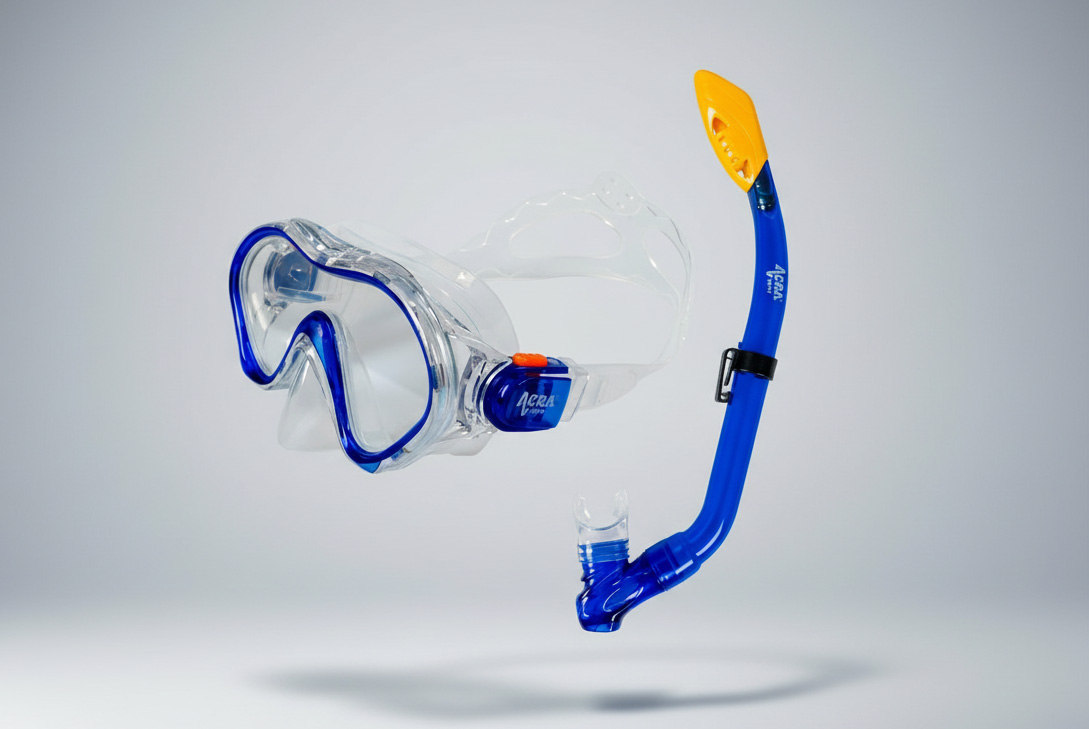
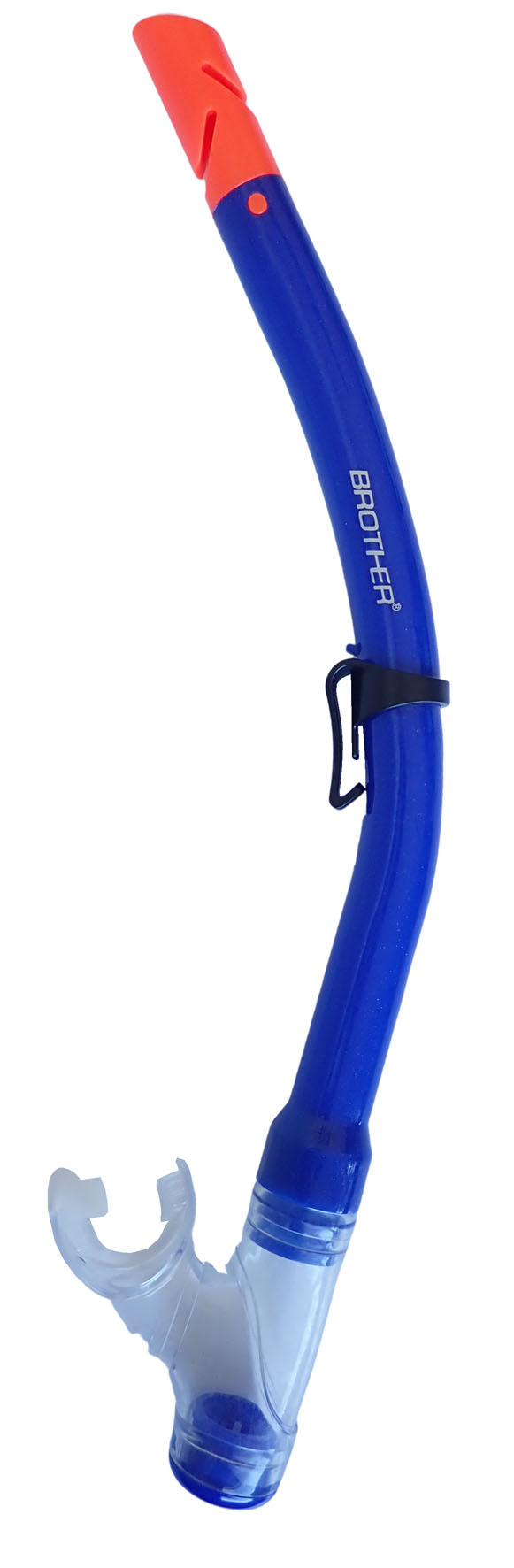
Snorkel – senior size. Features a waterproof top cap. Available only in blue, as shown in the photo.

2-in-1 Kids' Snorkeling Set, Goggles and Snorkel Key Features of This Acra Kids' Set This snorkeling set for kids is the perfect gift for your child. The most popular kids' set…

The Acra Sport Children's Snorkeling Set includes: adjustable children's fins, a dry snorkel, and a swimming mask. It comes with a mesh bag.

The ACRA AEONE diving mask for adults is designed for comfortable recreational snorkeling, diving, and extended time in the water, where a clear view, a reliable seal, and a comfortable fit are essential. Thanks to its large, one-piece lens, the mask offers a very wide field of view, which improves underwater orientation and allows for more natural observation of the surroundings while moving underwater.

Acra AEONE Full-Face Snorkeling Mask with GOPRO Mount. Size Chart: S/M – less than 12 cm; L/XL – more than 12 cm. Please measure the length from the bridge of the nose to the…

Acra AEONE Full-Face Snorkeling Mask with GOPRO Mount. Size Chart: S/M – less than 12 cm; L/XL – more than 12 cm. Please measure the length from the bridge of your nose to the base…
Acra is a purely Czech brand that has been providing a full range of sports equipment for homes and rural playgrounds since 1991.
Customer Service Center
Feel free to write anytime
Call Mon–Fri, 6 a.m.–3 p.m.
Delivery Methods
Payment Methods