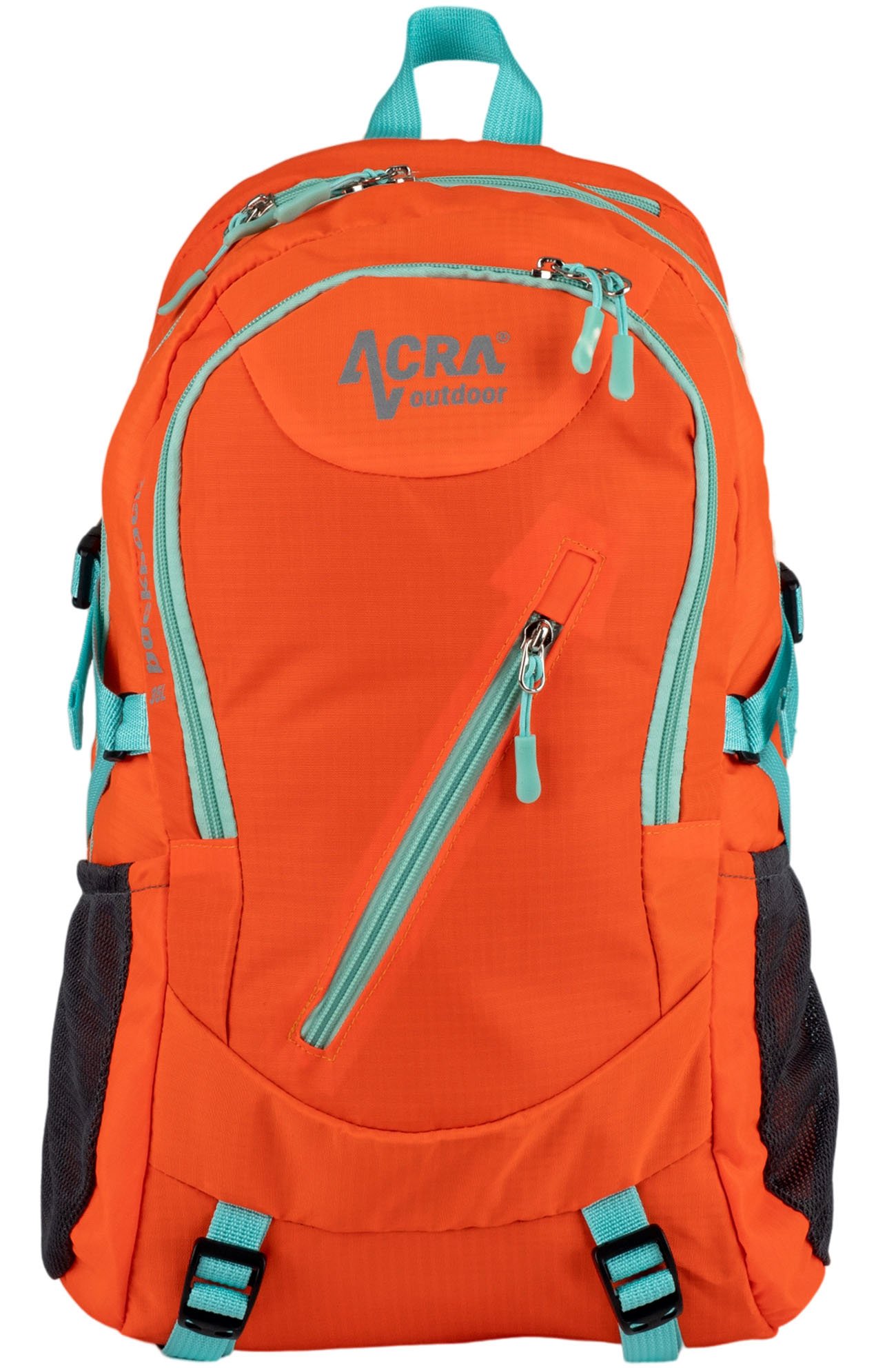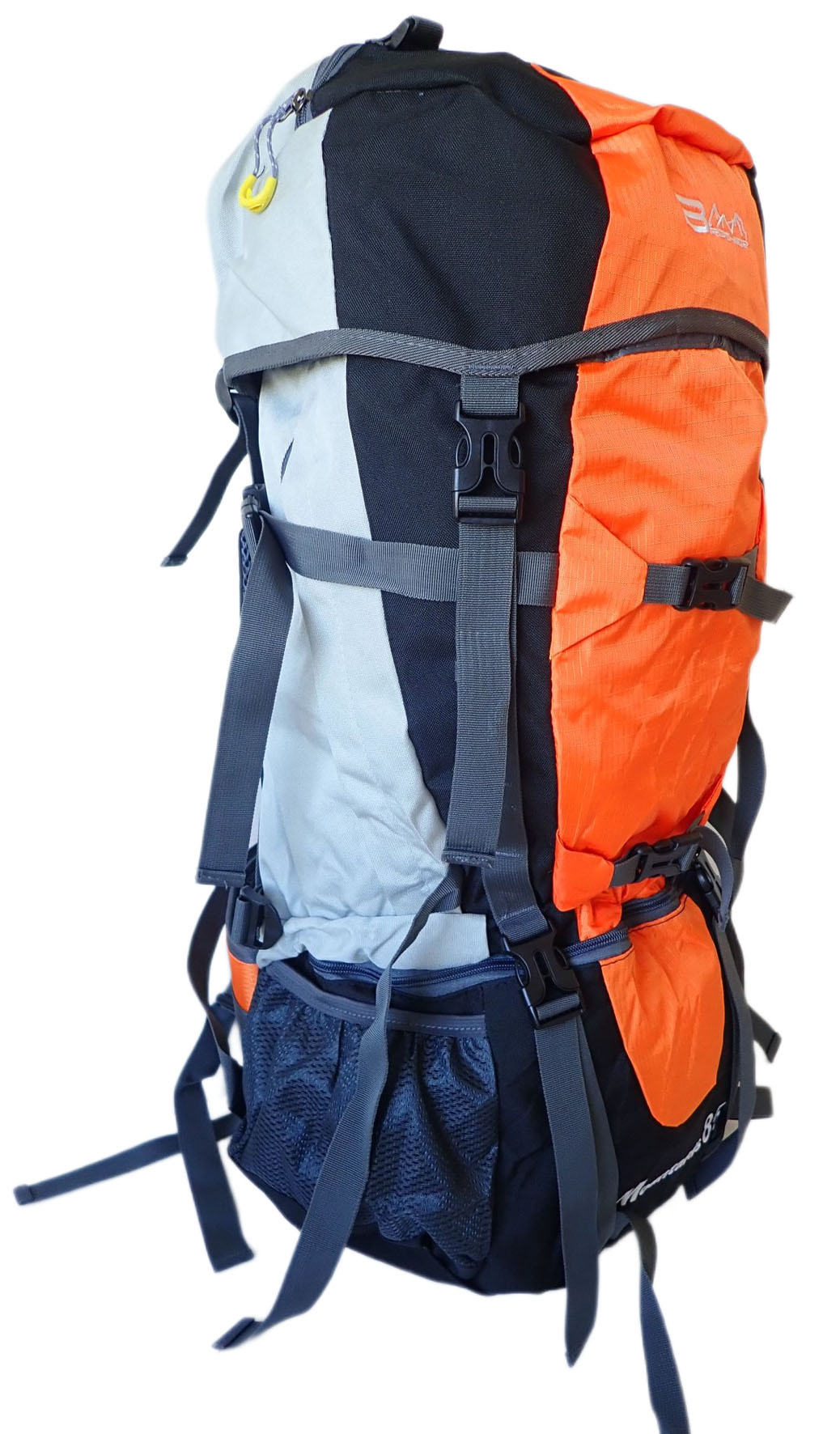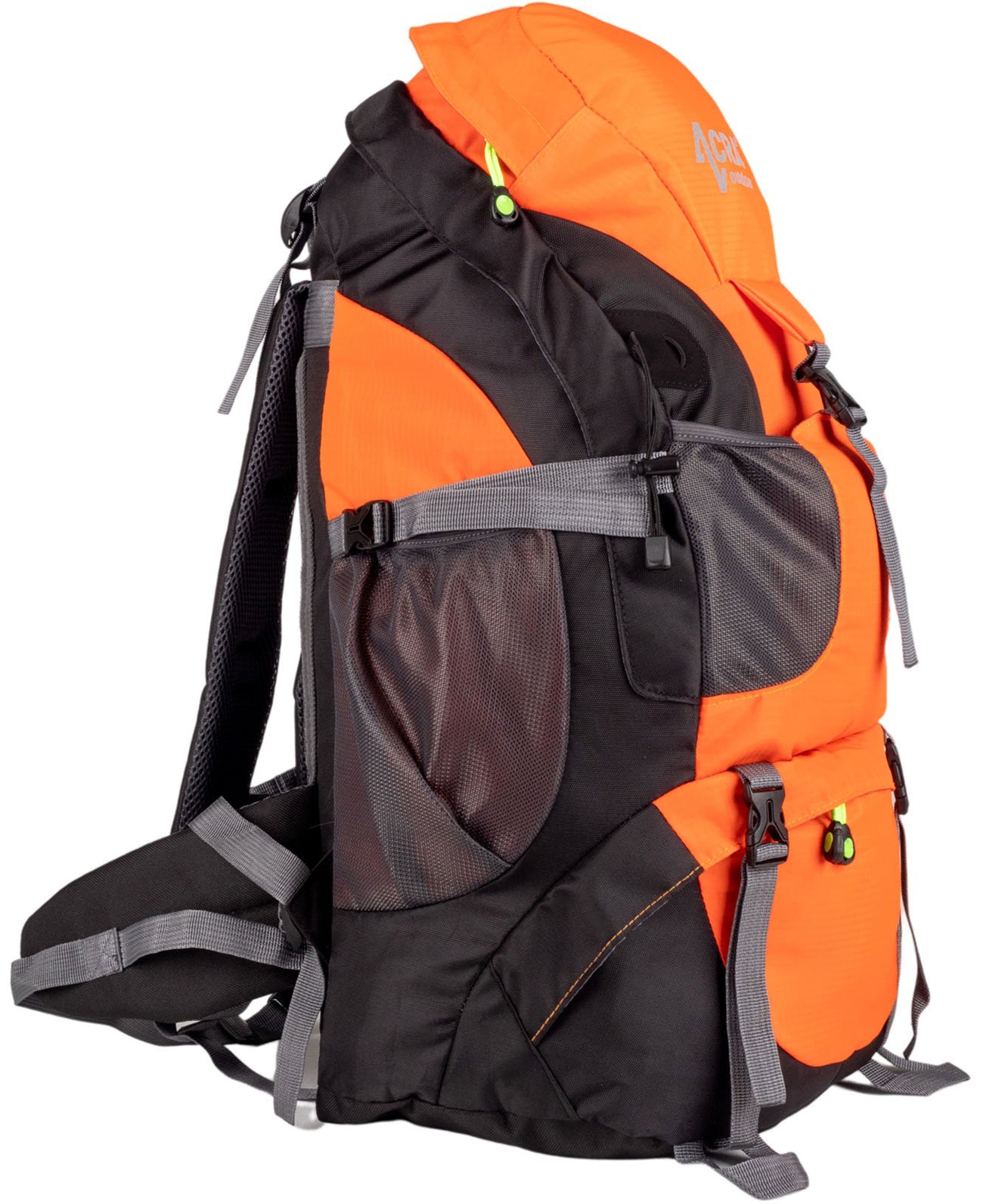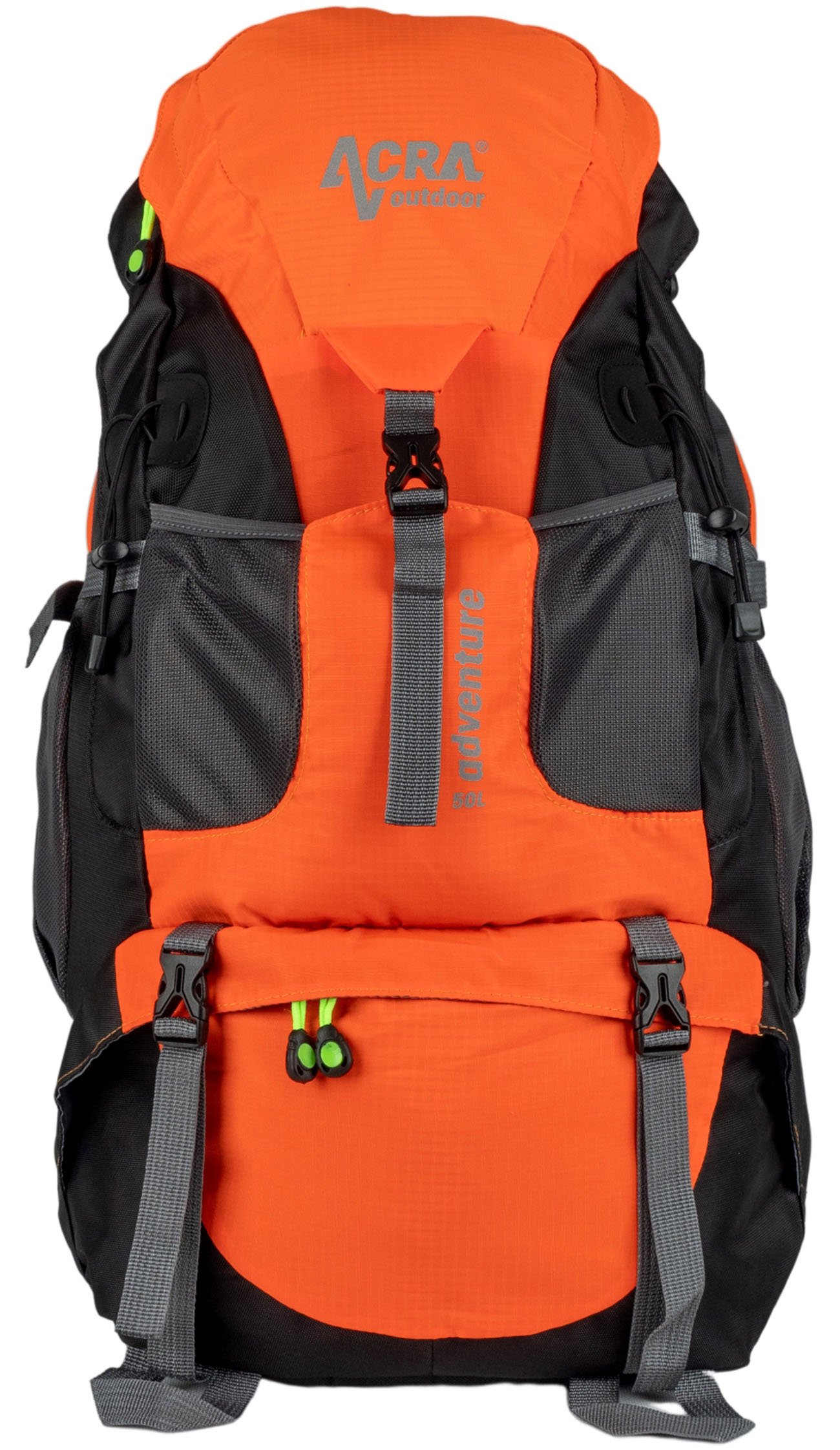
How to choose a backpack or bum bag


A rucksack (or bum bag) is one of those pieces of equipment that you only really appreciate when you’re out and about – either you don’t notice it all day, or it starts to annoy you with every step you take.

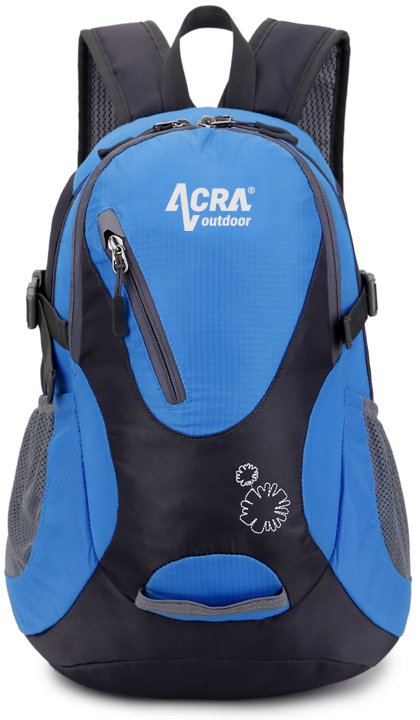
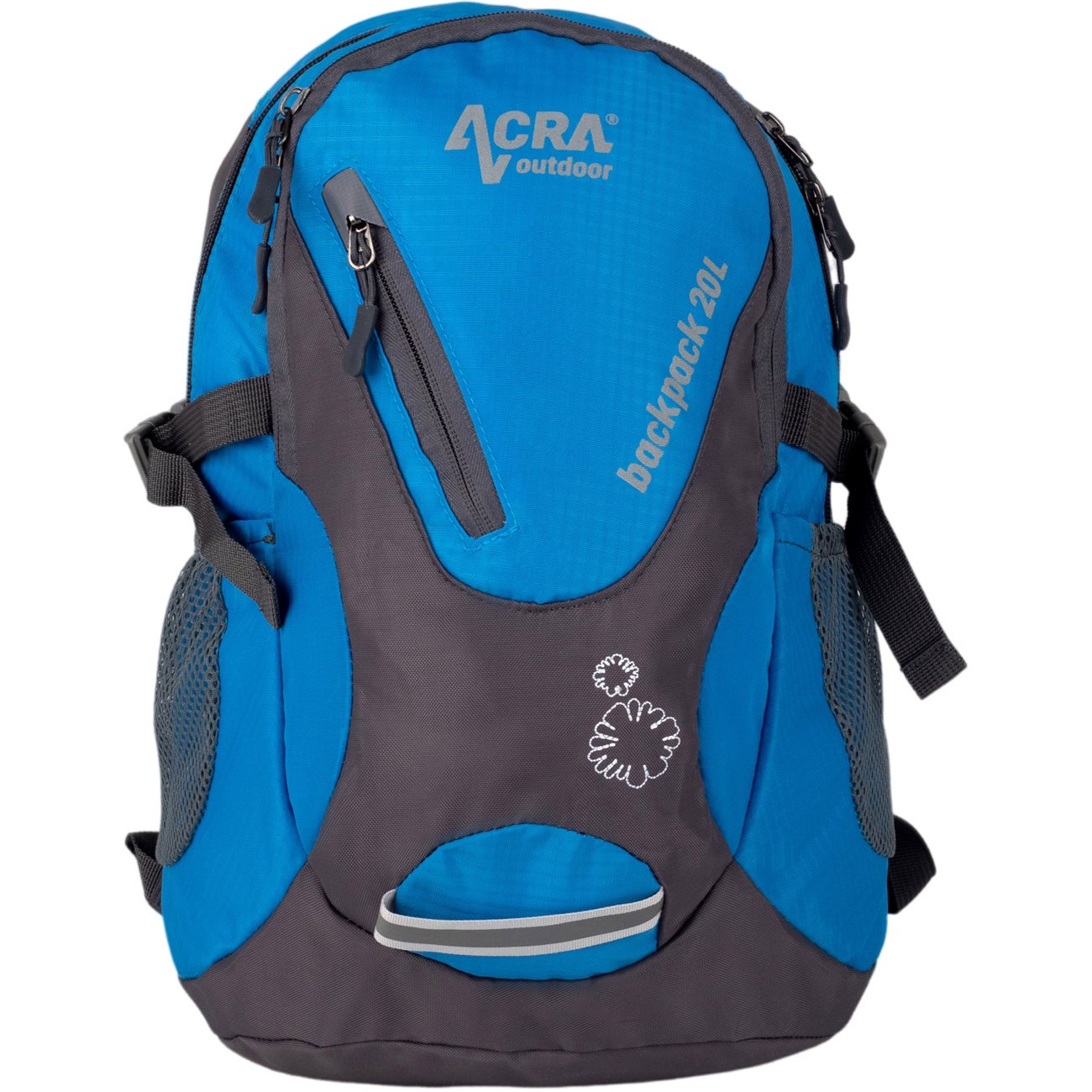
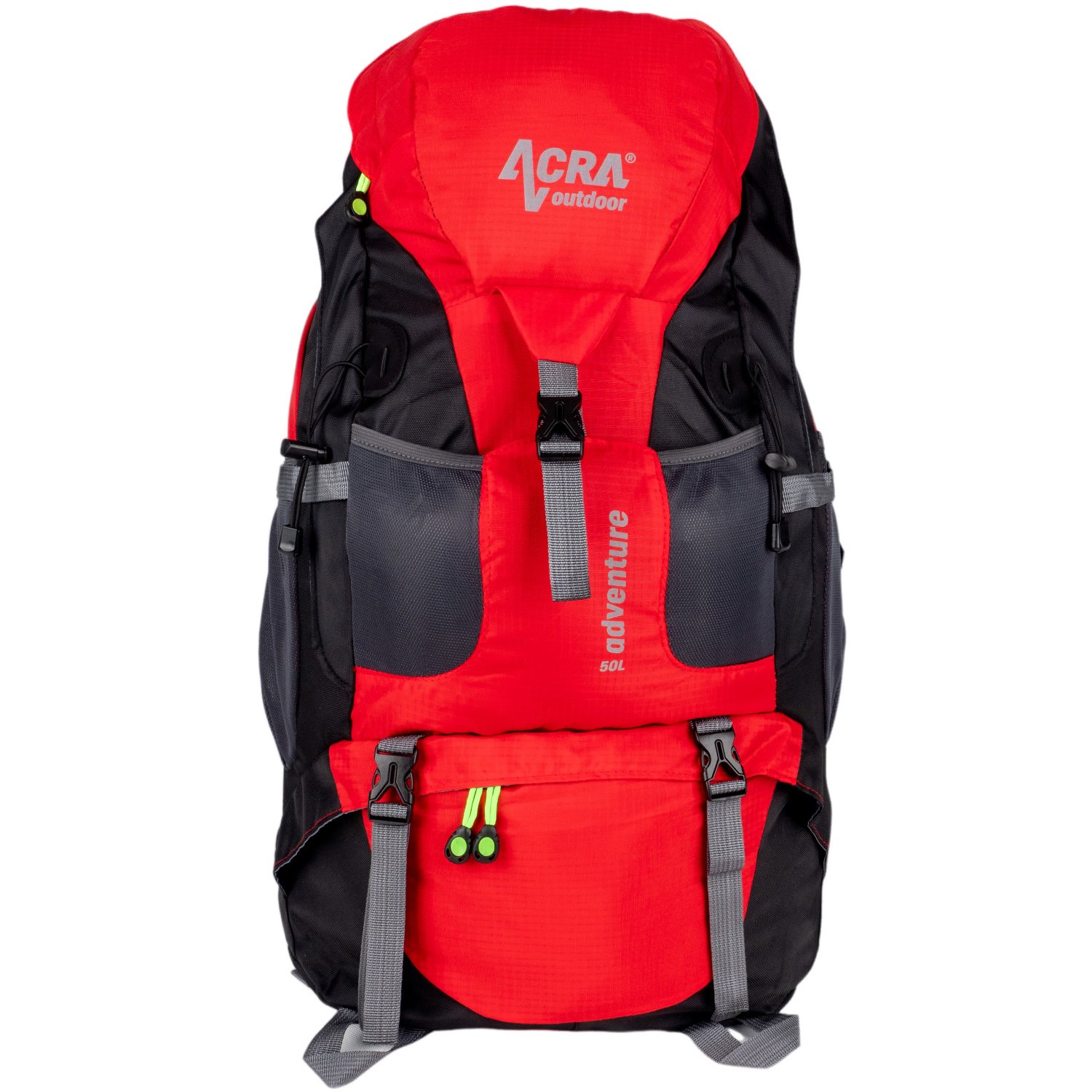
We offer lightweight sports rucksacks for trips, hiking backpacks with better stabilisation and fanny packs for running and cycling, where you have your drinks and small items right at hand.


Quick selection based on what you need

1) I want a small rucksack for trips, city breaks or day trips

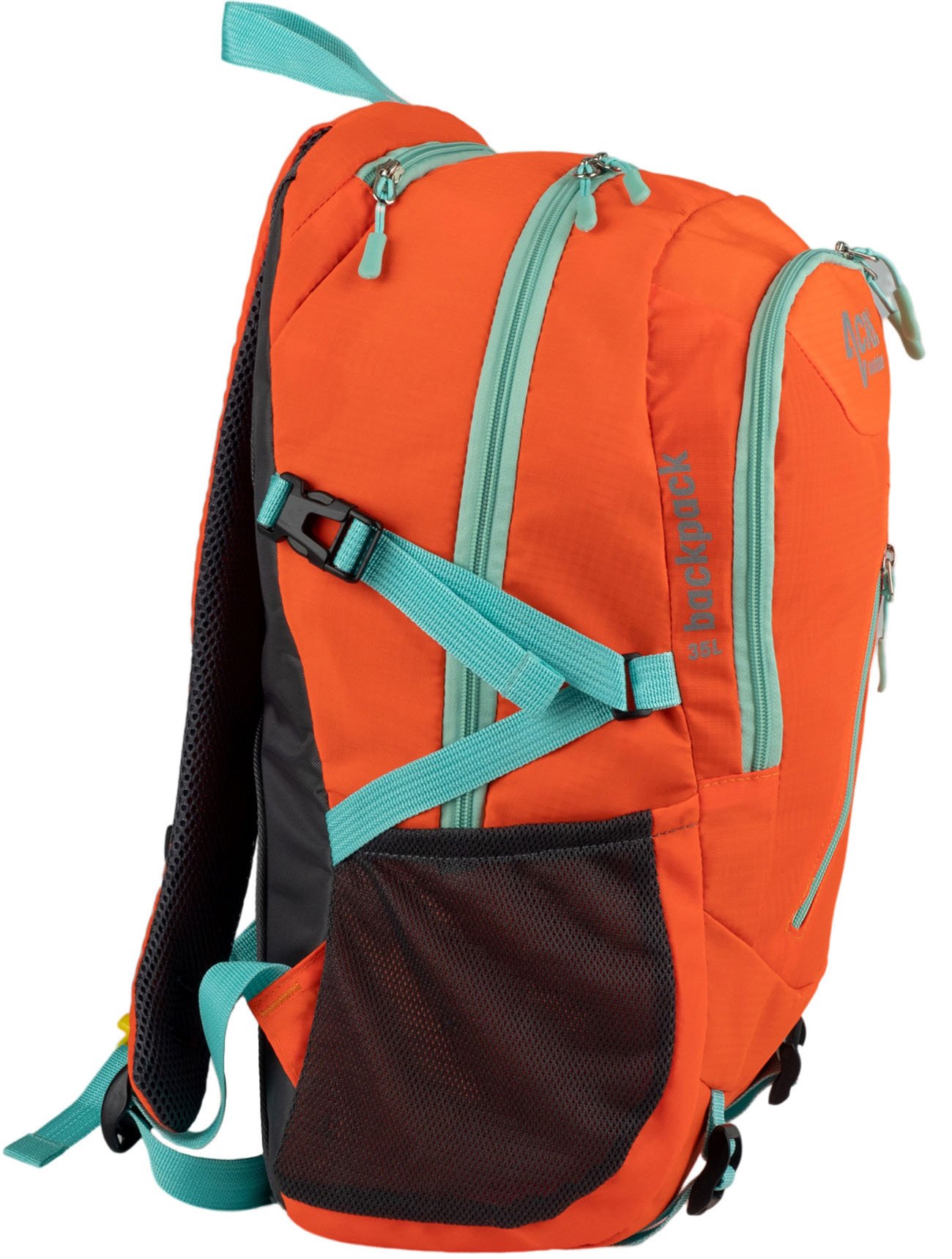
2) I want a versatile rucksack for a day trip (snacks, sweatshirt, extra bits and bobs)

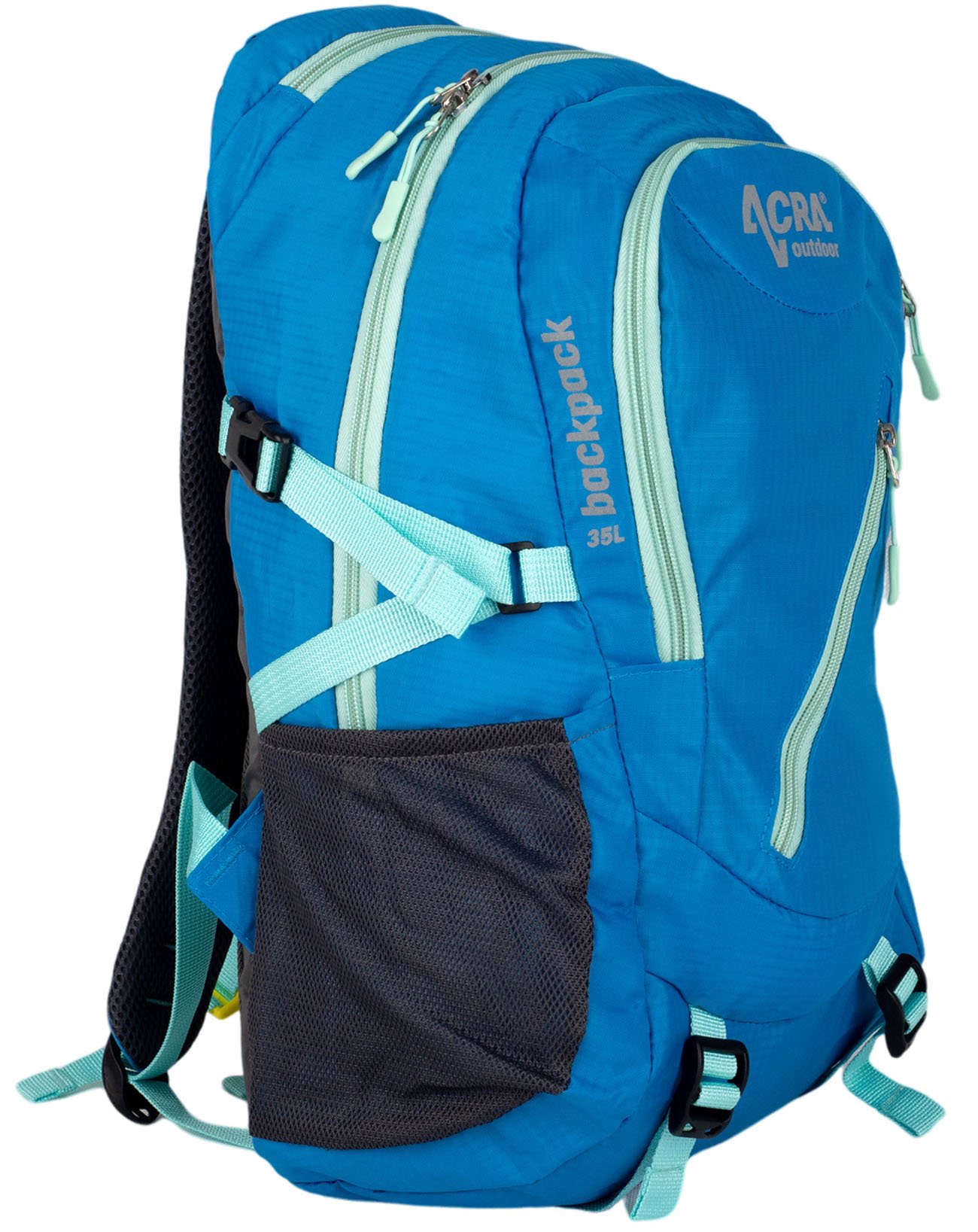
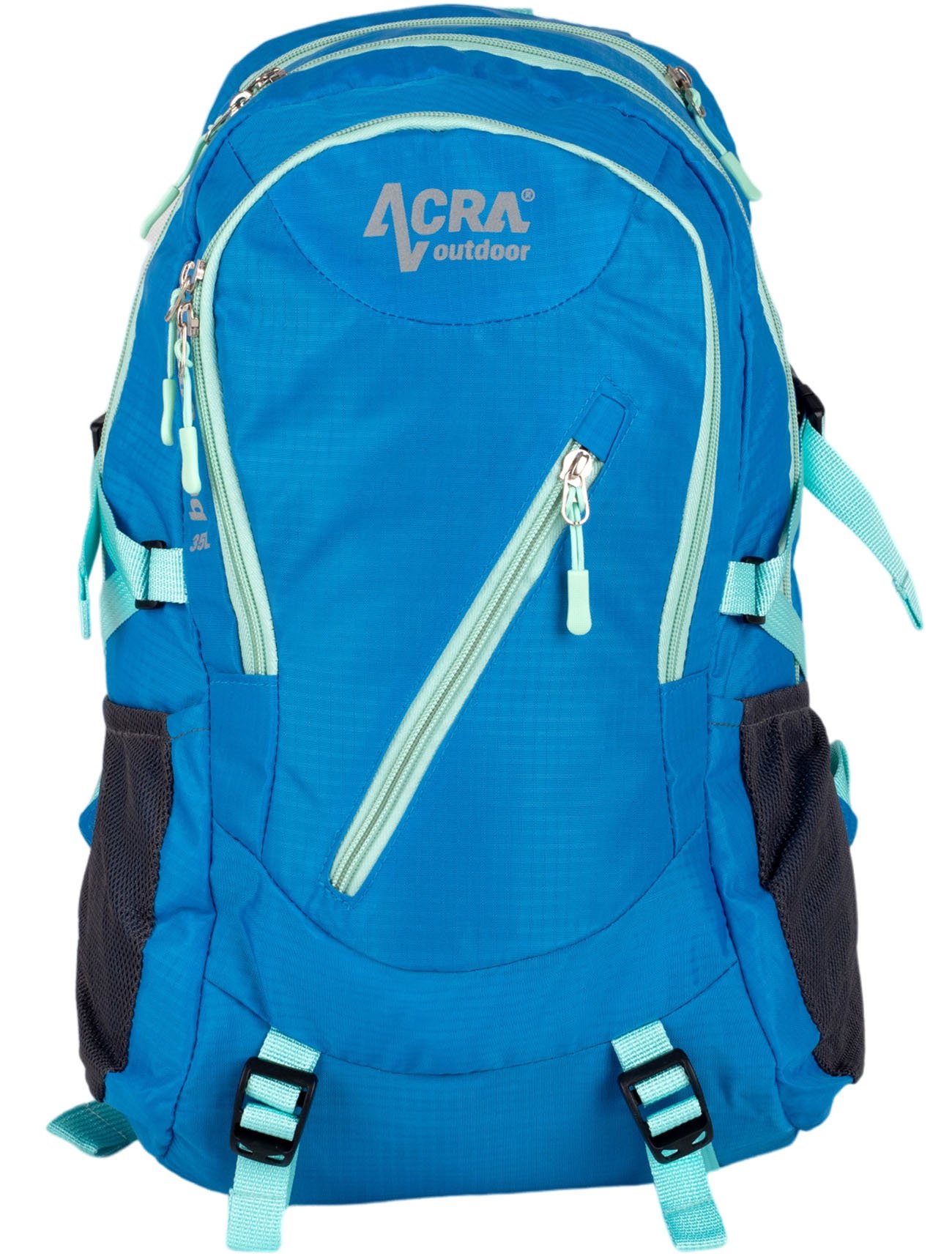
Recommendation: 35 l (best size/practicality ratio)


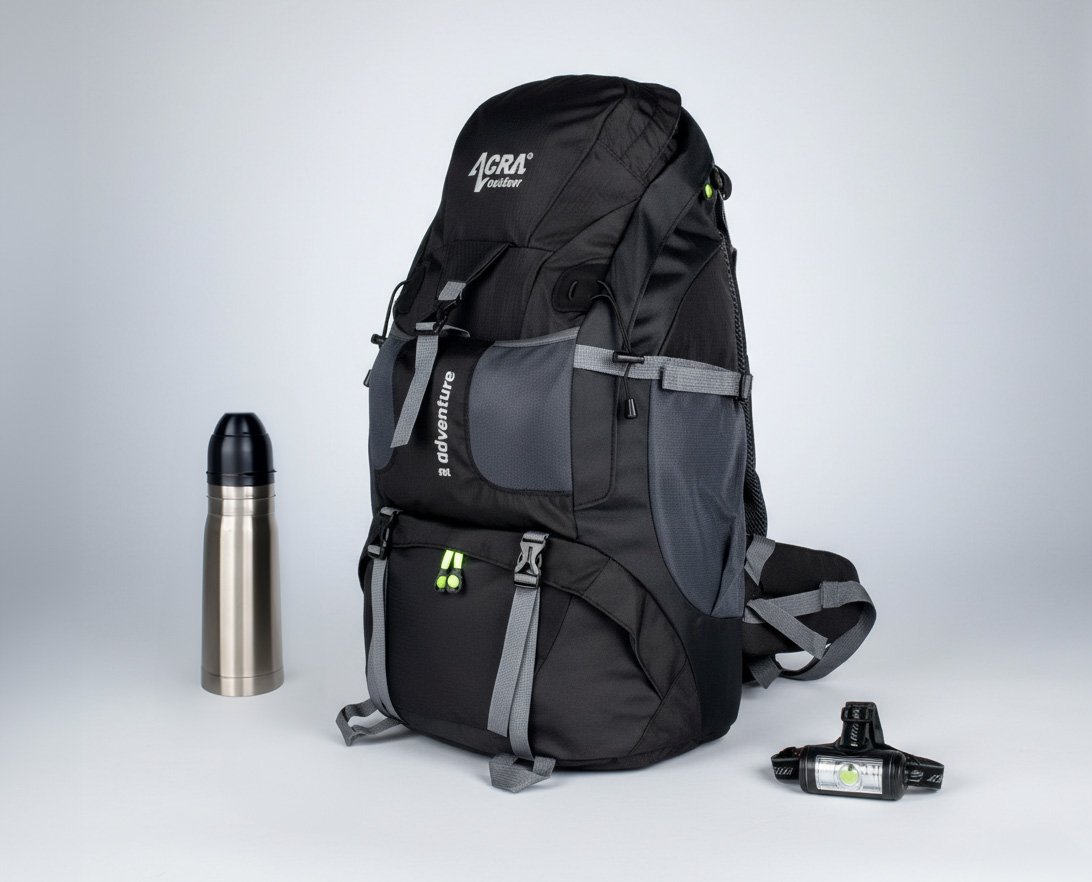
3) I want a weekend bag / lighter mountain hiking

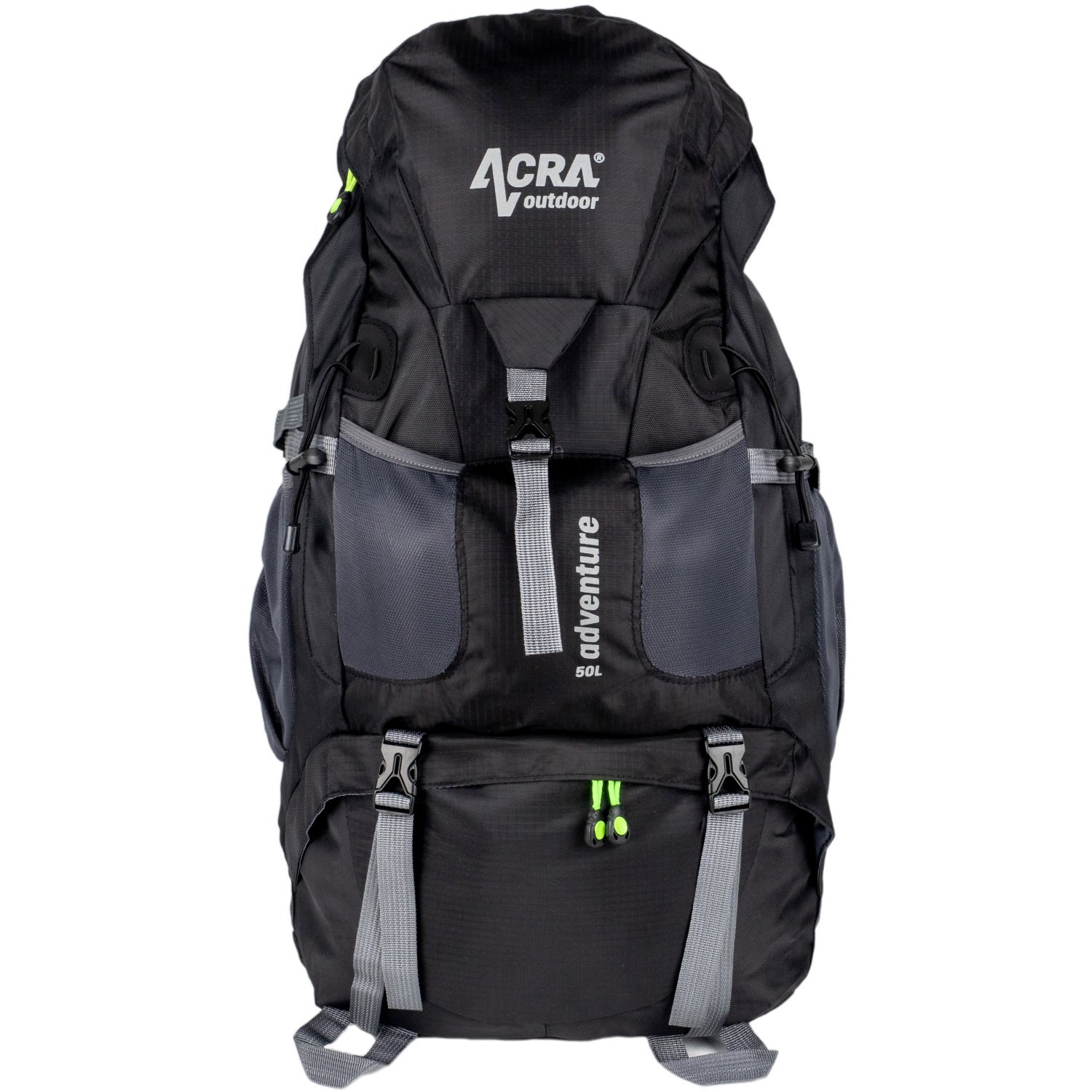
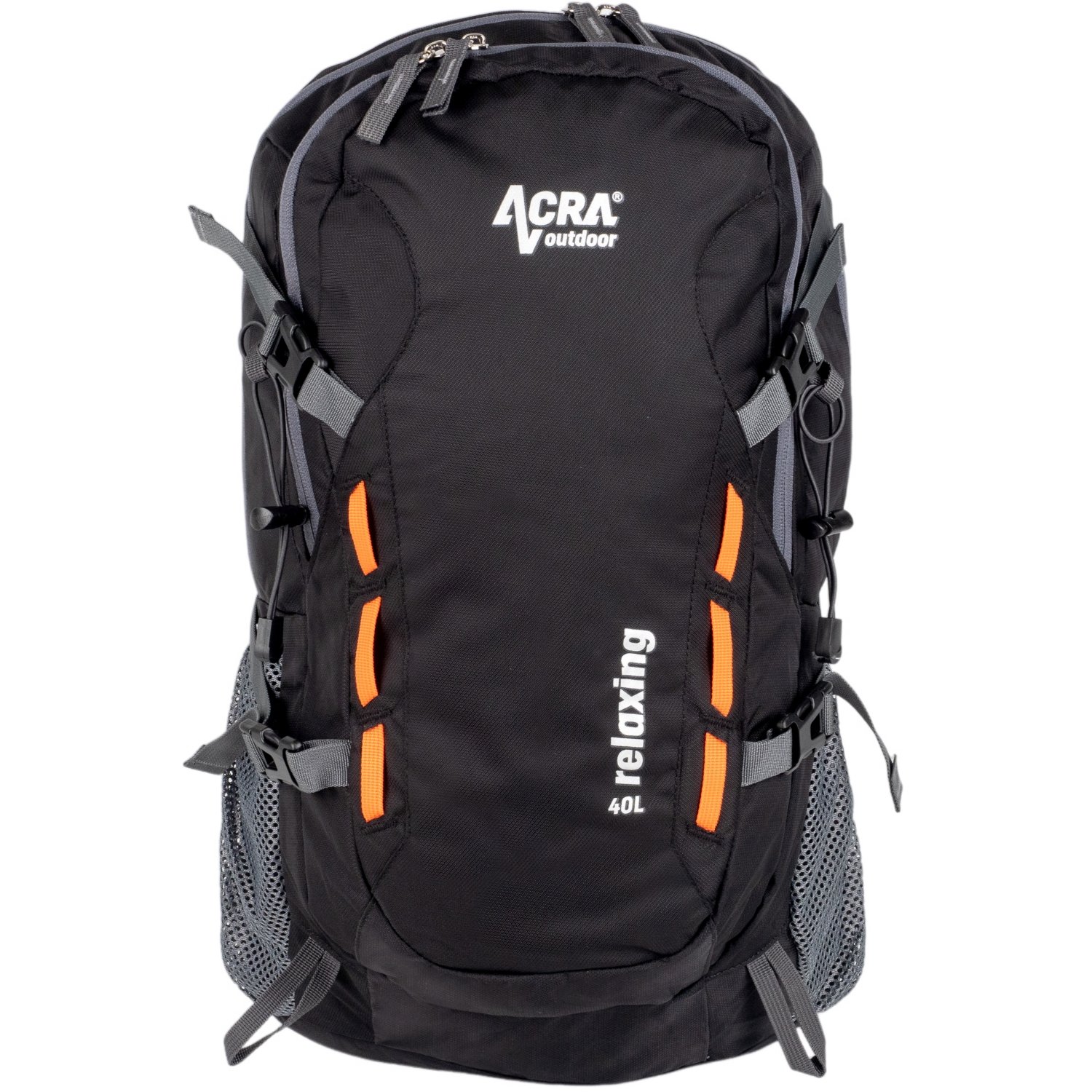
Recommendation: 40–50 l, ideally with better stabilisation on the body


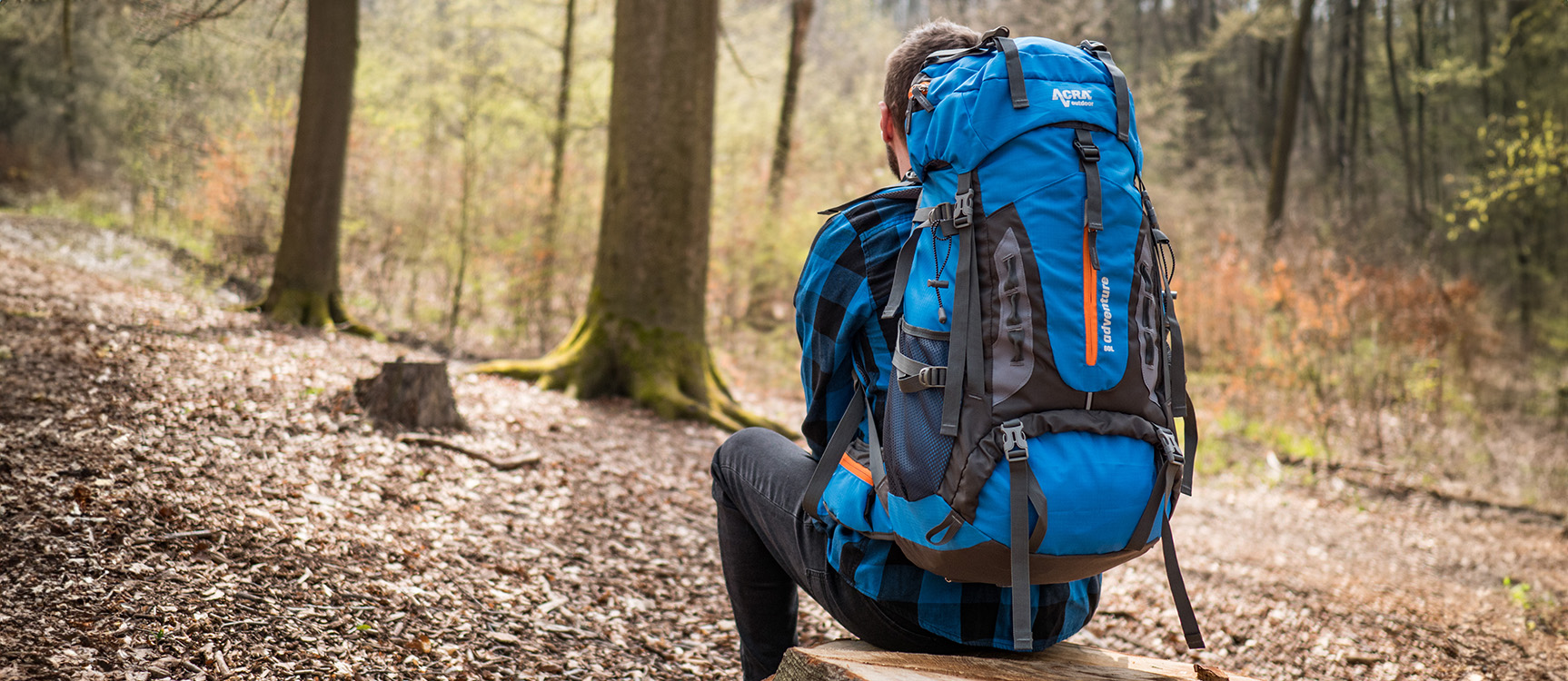
4) I want longer hikes and more gear (so it’s comfortable to carry even with a load)

Recommendation: 60 l + sturdier construction (back, stability, straps)


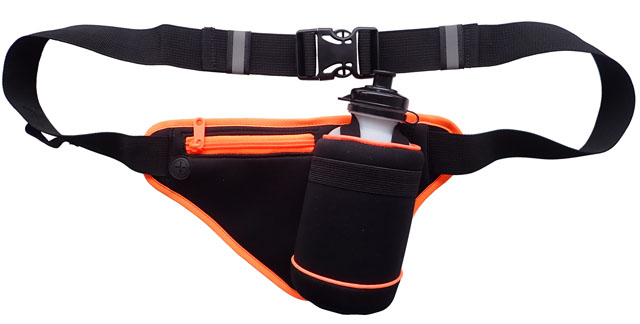
5) I want to have a drink handy when running/cycling/in-line skating

Recommendation: waist bag with bottle (fast, compact, practical)


Key parameters

1) Volume (litres)

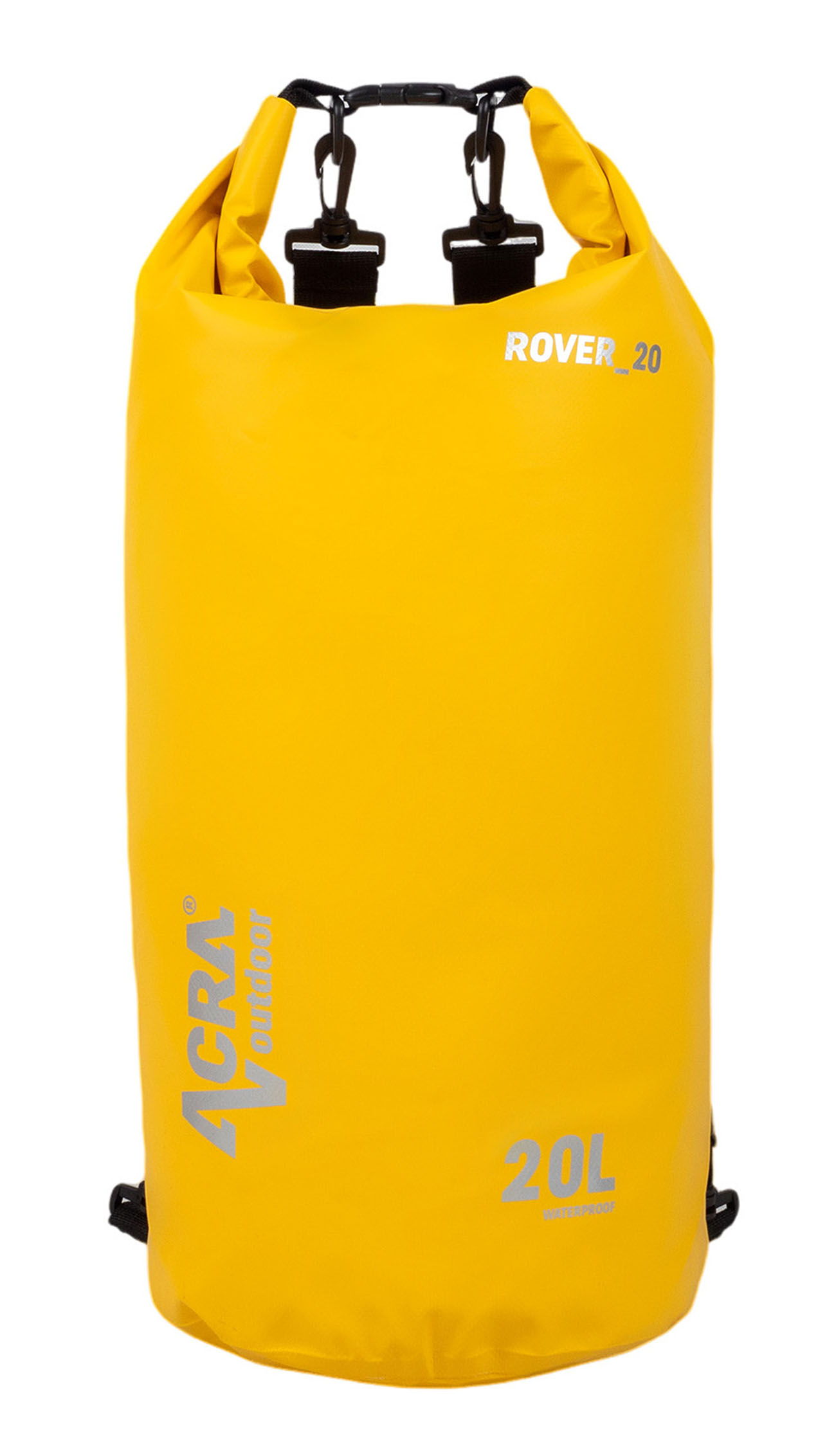
  • 20 l – short trips, city, sports, “lightweight”
  • 35 l – all-day trips, universal for most activities
  • 40–50 l – weekend trips, light mountain hiking
  • 60 l – longer hikes, more gear, heavier load

2) Back system and ventilation

If you don’t want to have a “wet back” after an hour, focus on:

  • reinforced back + ventilation (better comfort)
  • for larger rucksacks, also sturdier construction/frame for stability

3) Stabilisation on the body: chest and waist straps

This is a detail that often determines whether the rucksack “fits” or moves around:

  • chest strap = the rucksack does not slip off the shoulders
  • hip belt = relieves the shoulders (especially with larger volumes/loads)

4) Pockets, compartments and access

Practical minimum for normal use:

  • 2 main compartments + side pockets
  • front pocket for small items
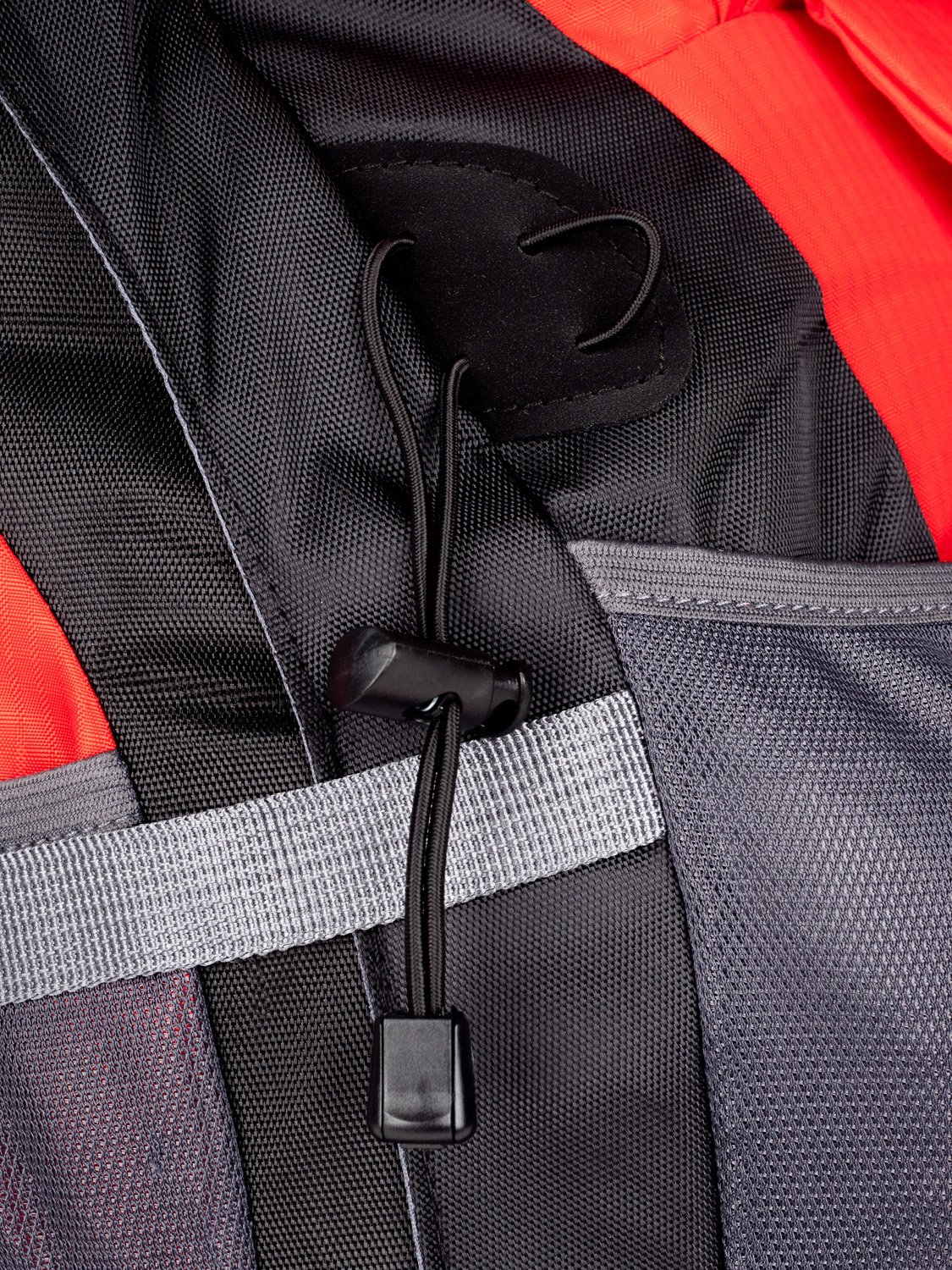
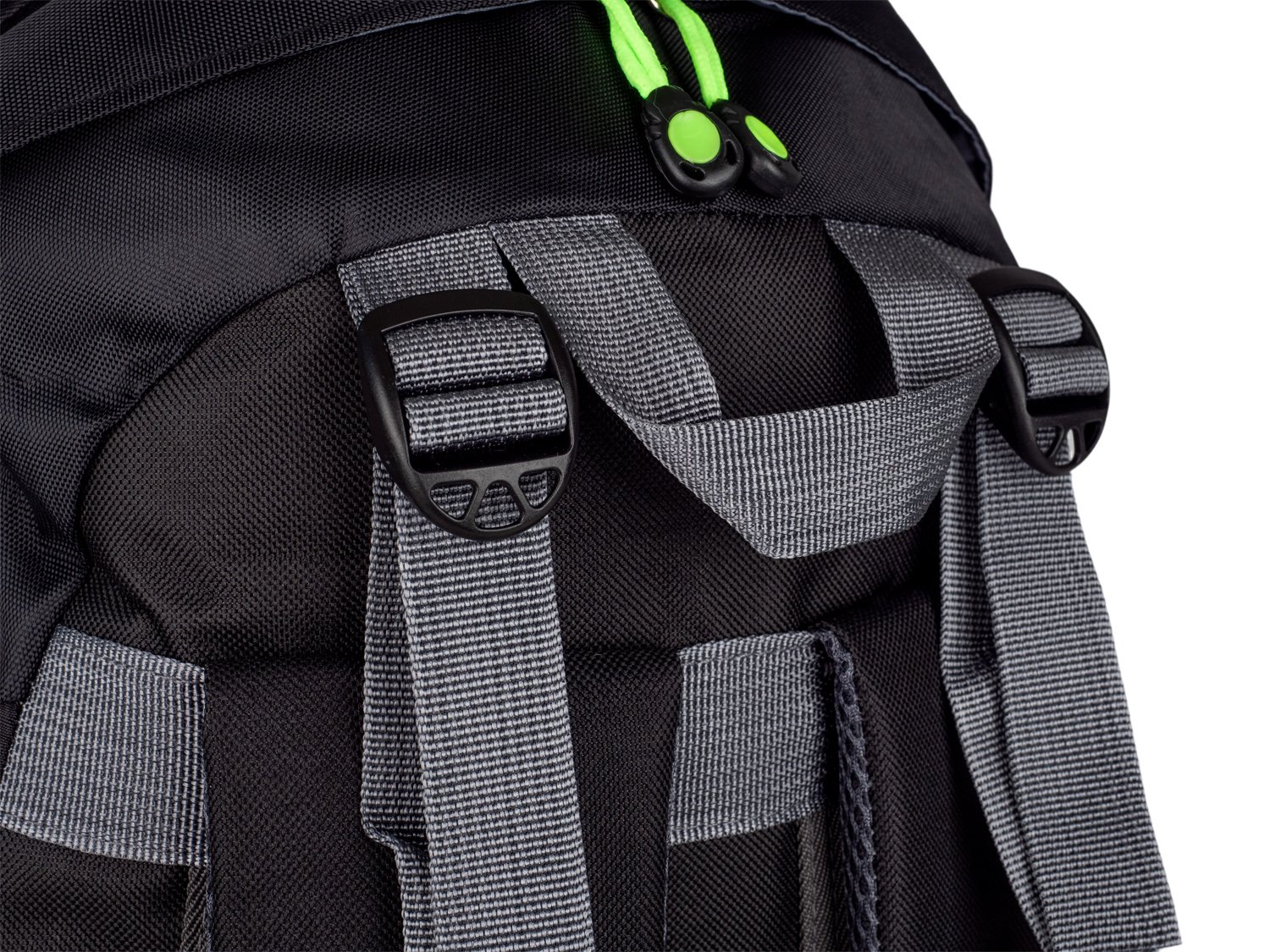
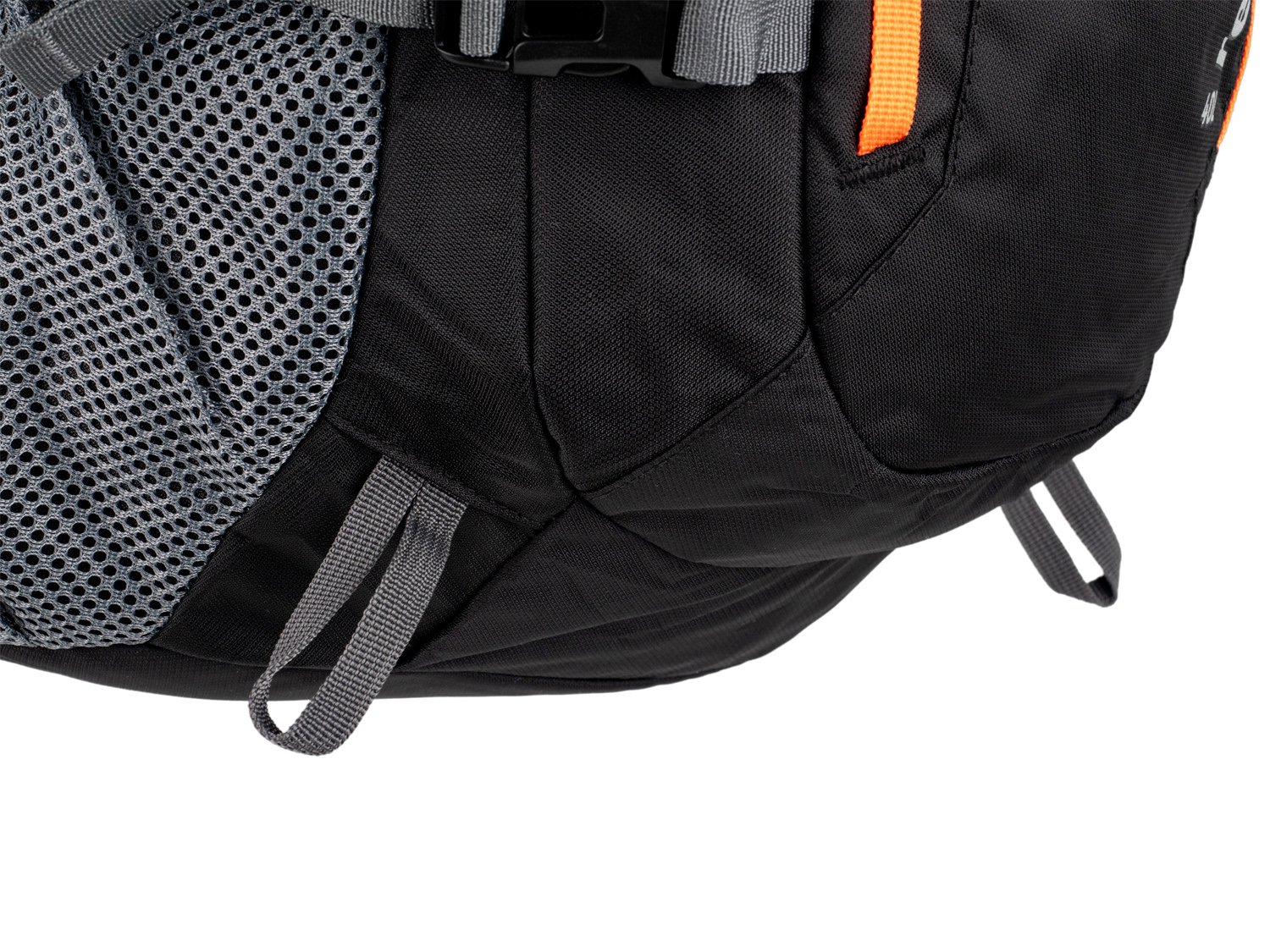
  • hiking rucksacks also have straps for equipment (poles, helmet, etc.)


Mini tips before buying

If you are hesitating between two sizes, the following usually applies: it is better to have a little extra space for your trip than to have to tie something on the outside.

If you are taking your rucksack for a longer period of time, choose a model with a chest and waist strap – you will notice the difference within the first 10 minutes.

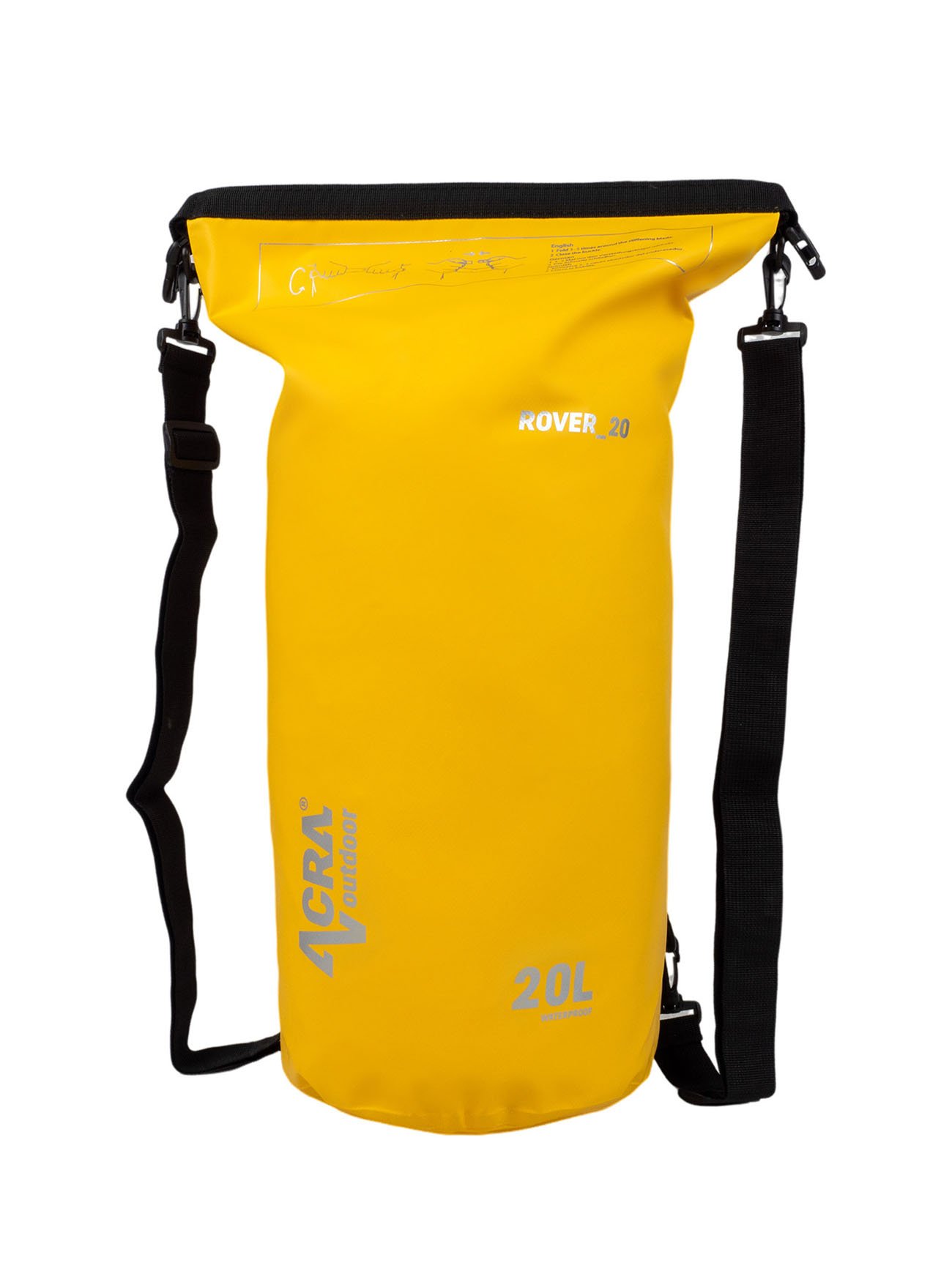
Worried about rain? The quickest solution is a a backpack rain cover, which will protect the contents even in a downpour

✔  Extra tip: put small items that you want to have at hand (mobile phone, documents, keys) in the front pocket or at the top of your rucksack – you will appreciate it every time you stop (and you won’t have to rummage around at the bottom).
BACKPACKS AND WAIST BAGS