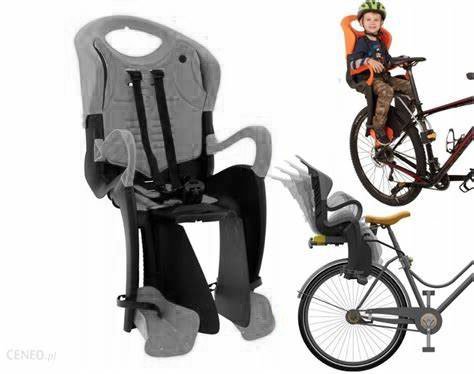
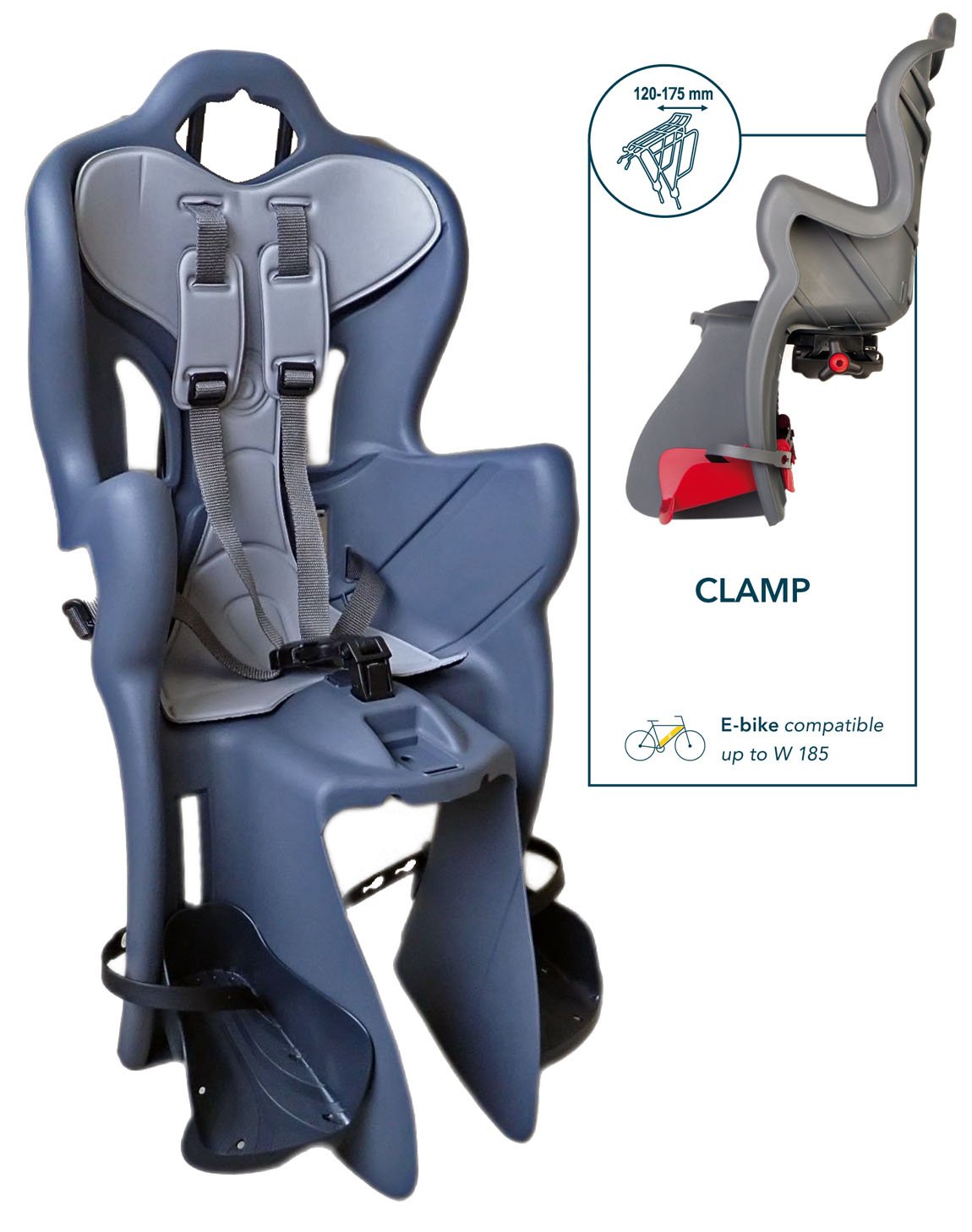
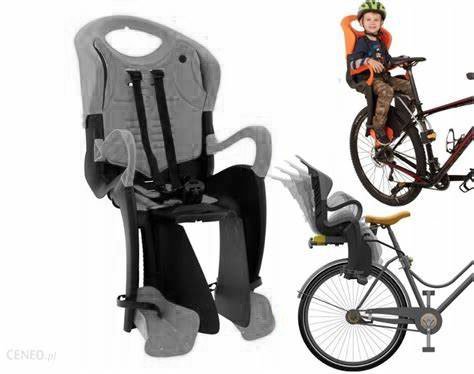
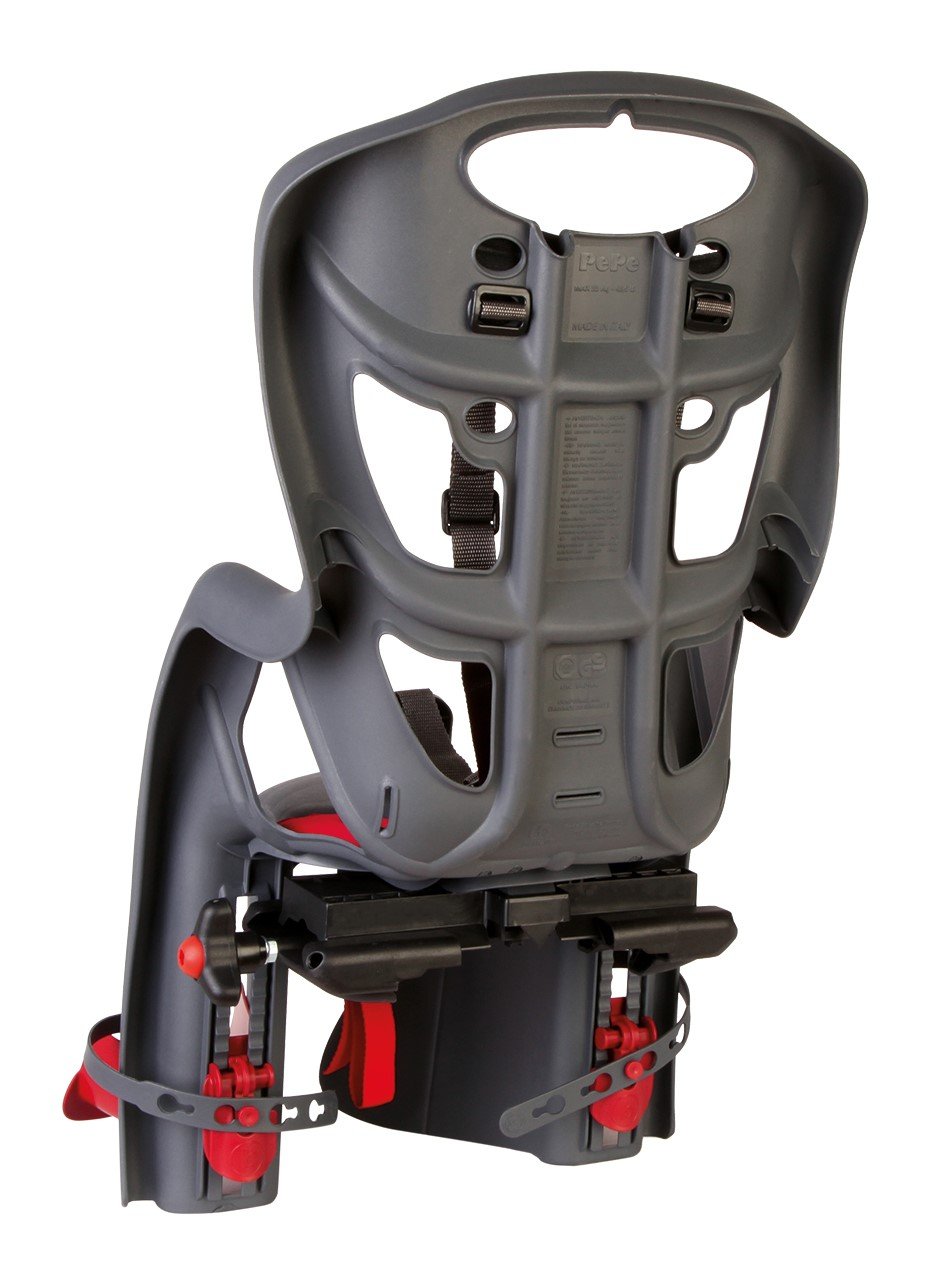
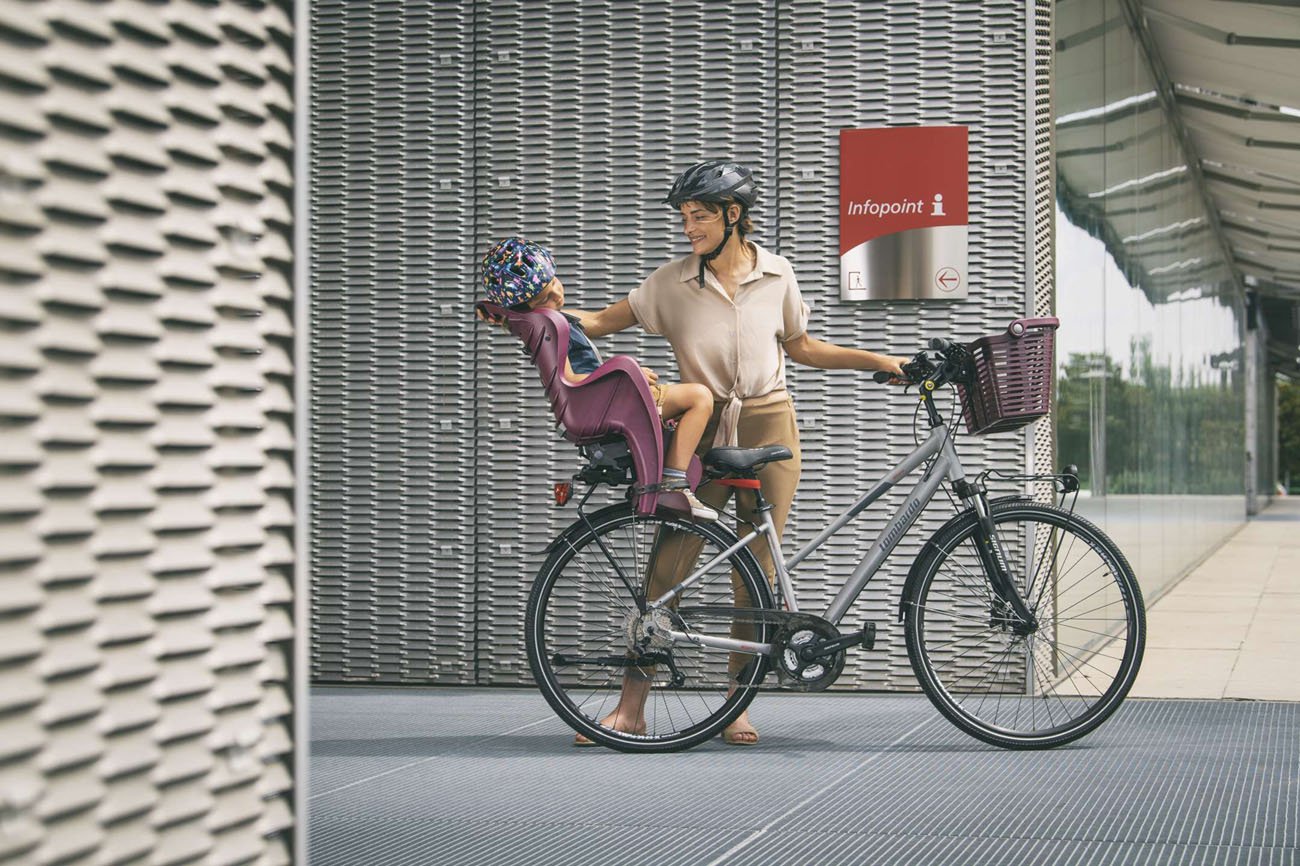
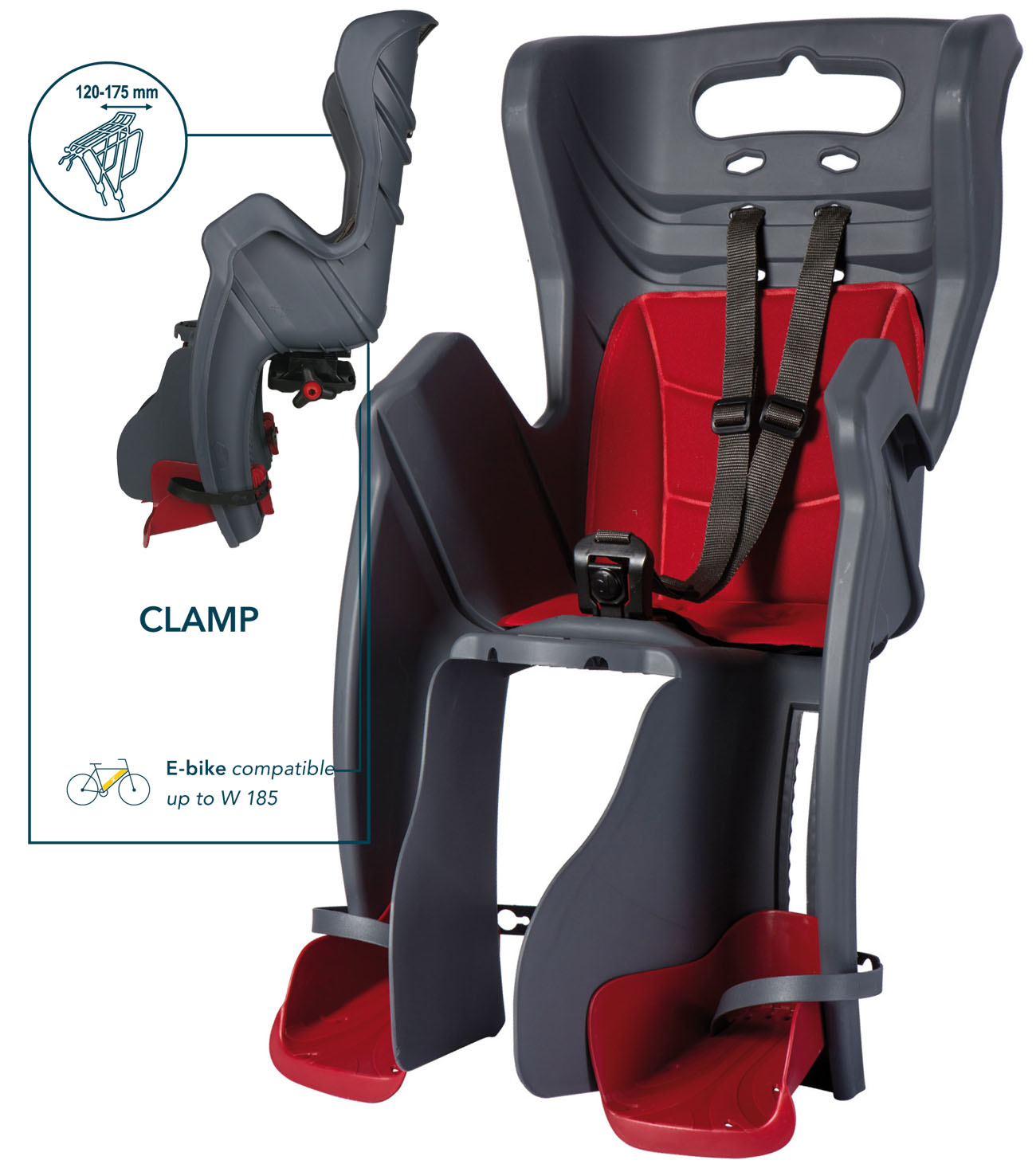
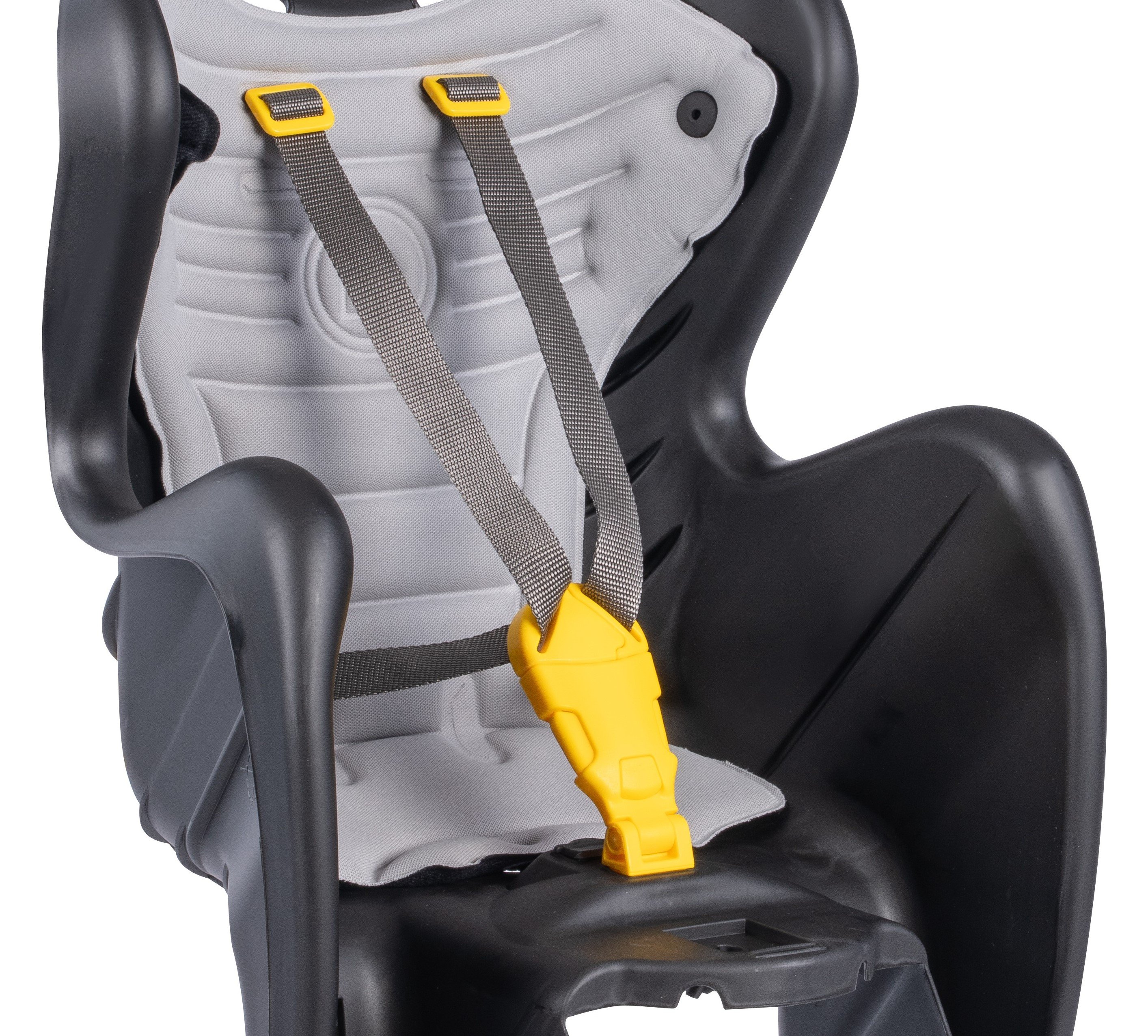
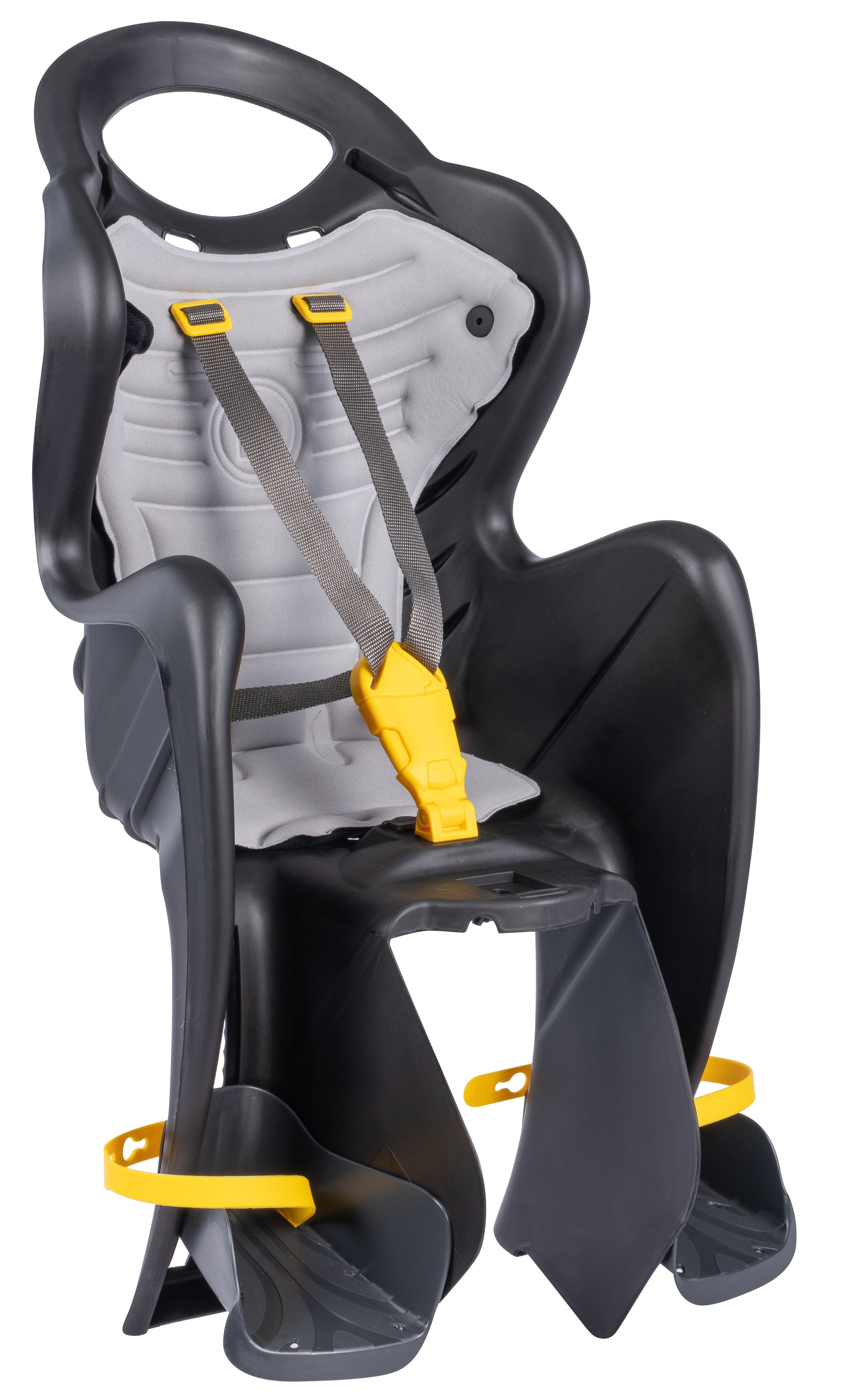
✔ Seats for carriers are usually the quickest to install – ideal if you have a sturdy carrier and want a minimalist solution.
What to look for: typically, check the width/dimensions for mounting and, most importantly, the load capacity of the carrier (some models explicitly state a minimum of 25 kg).
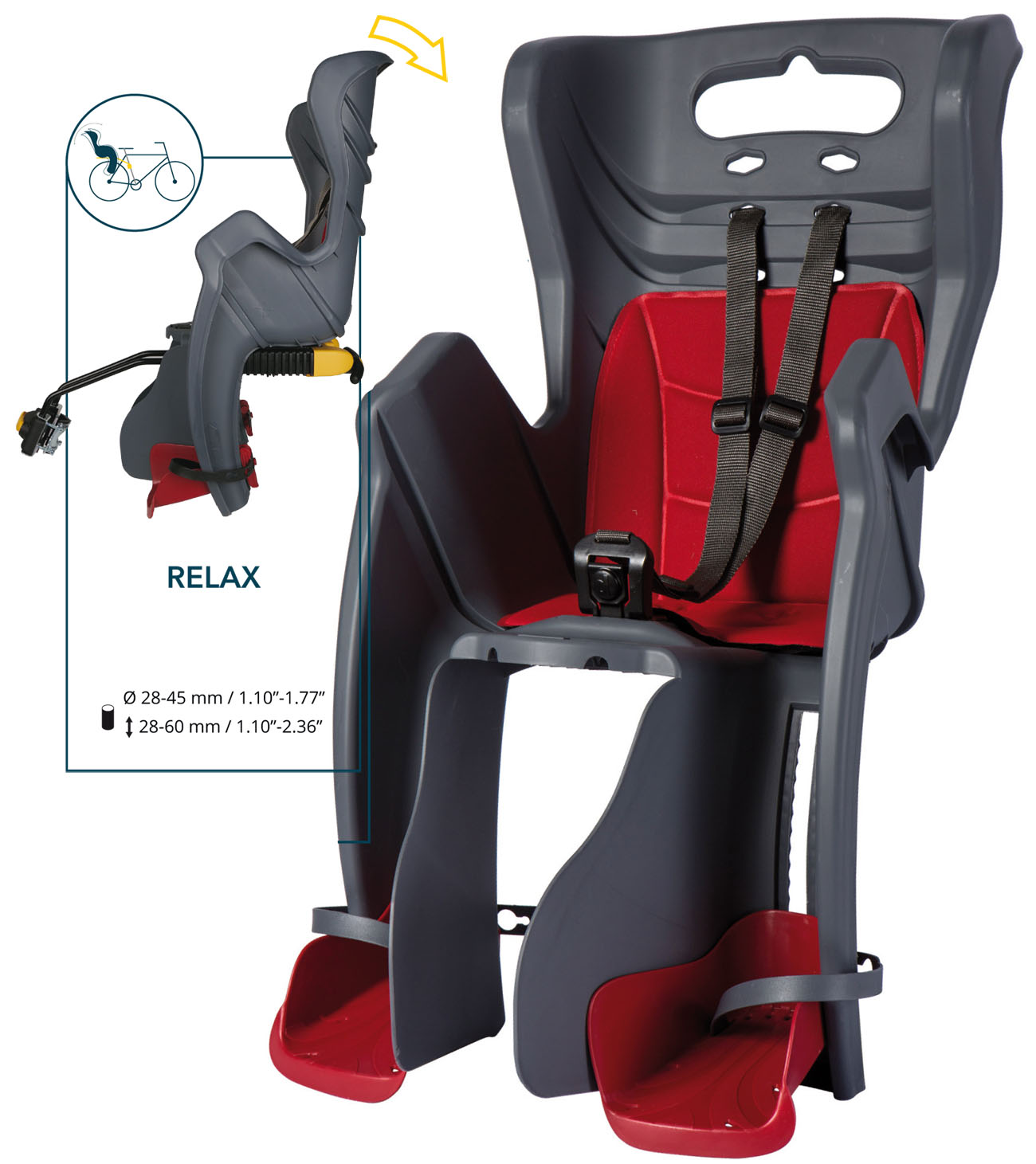
✔ Mounting on the frame is great if you don’t have a carrier or want to switch the seat between bikes (and possibly buy a second mount).
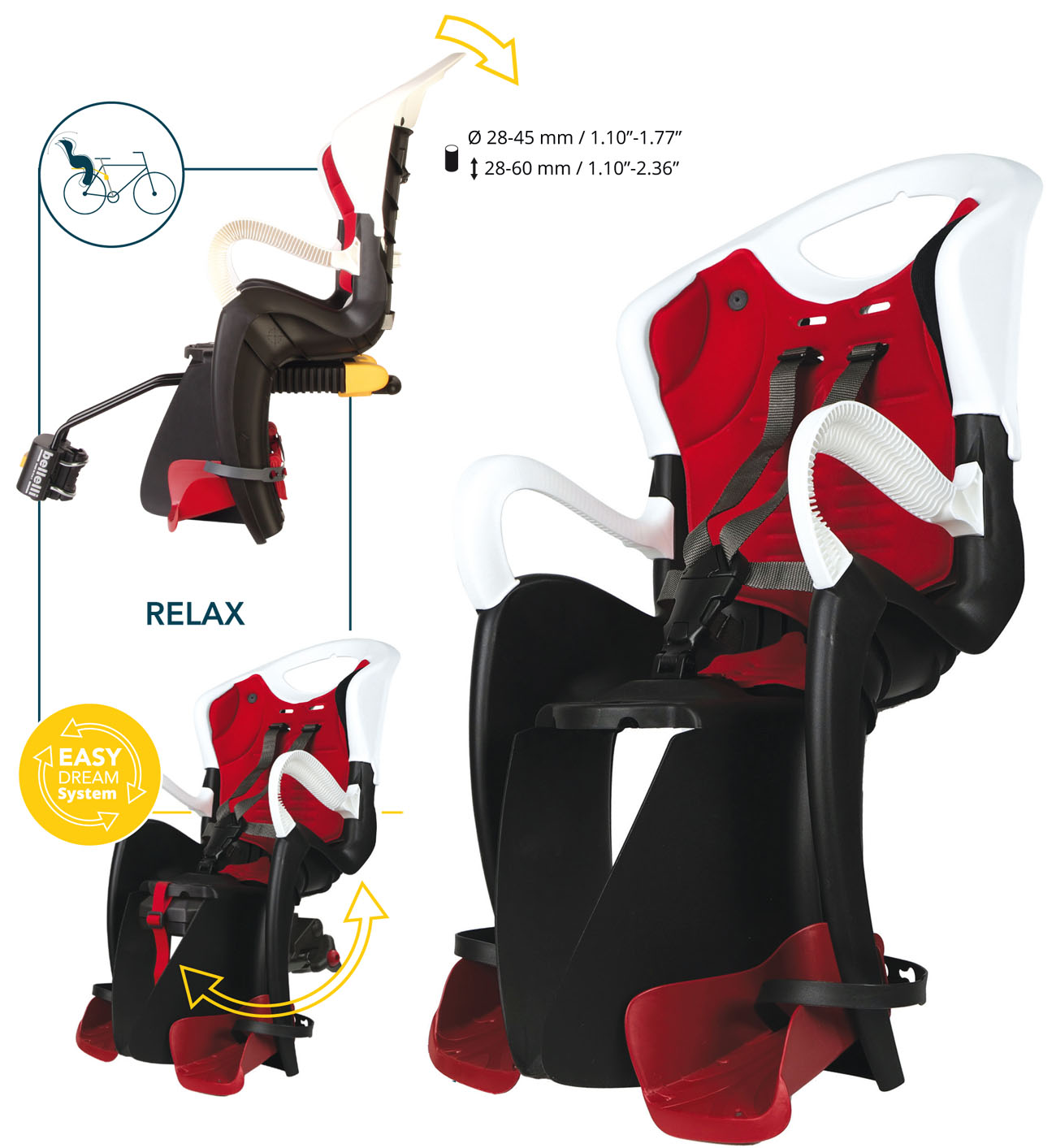
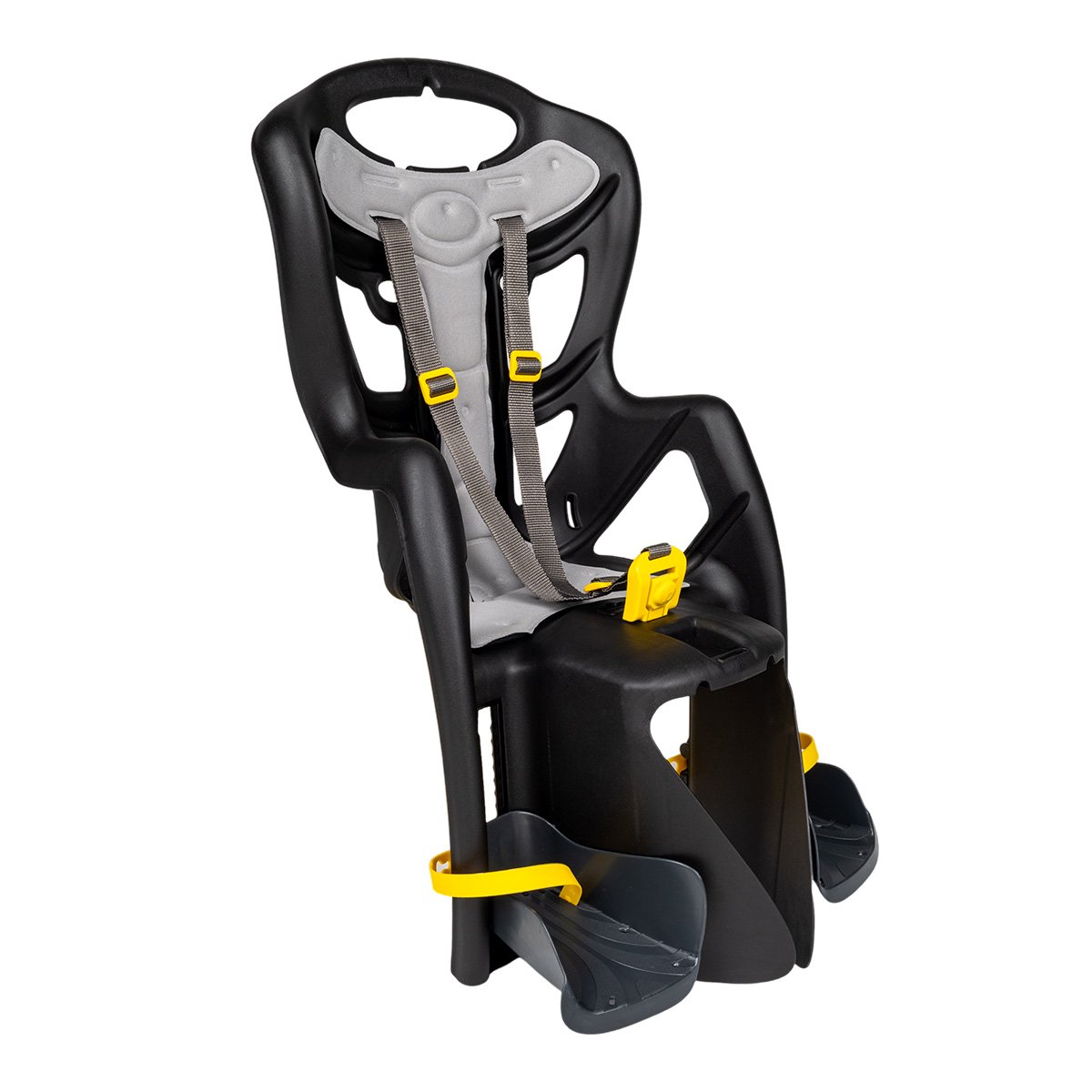
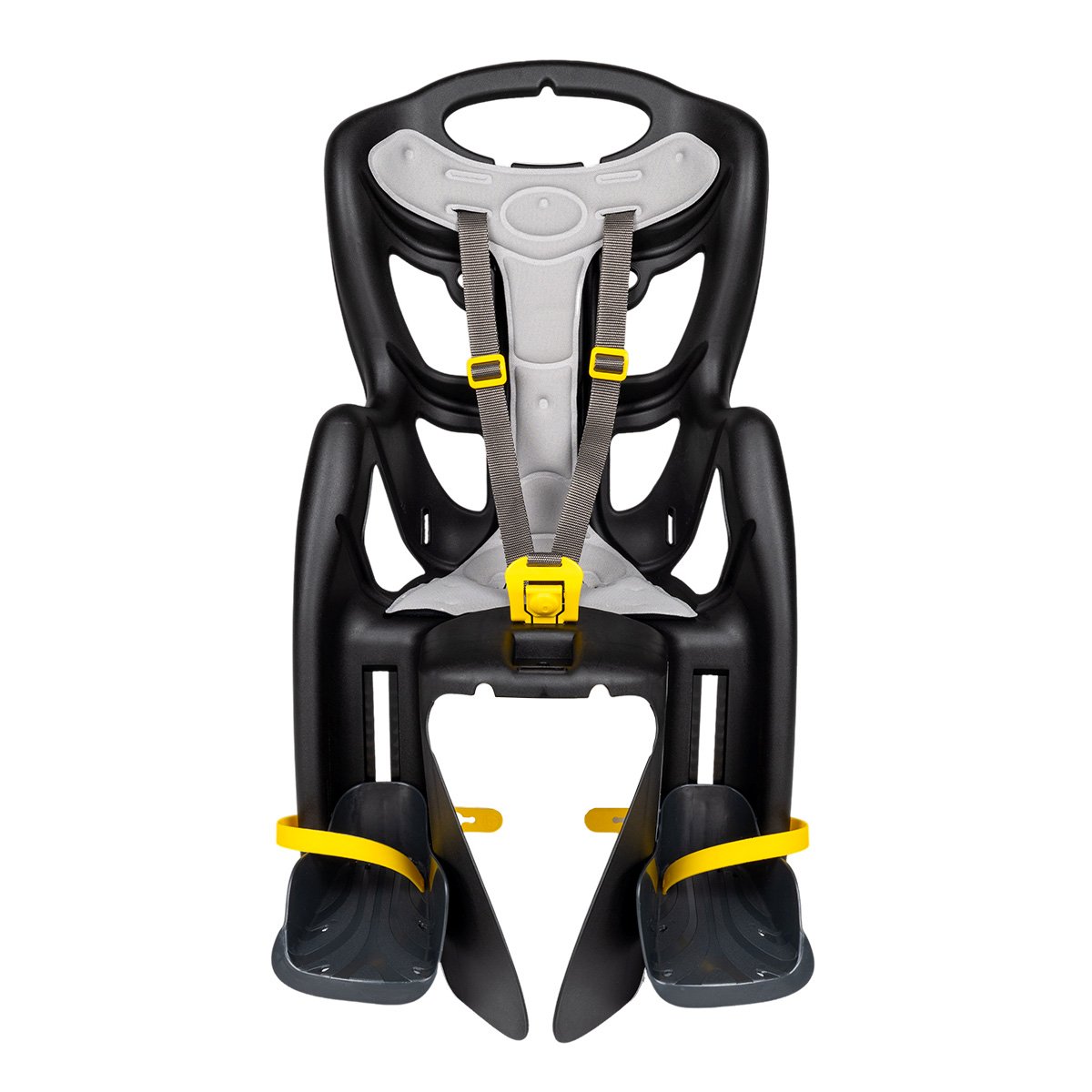
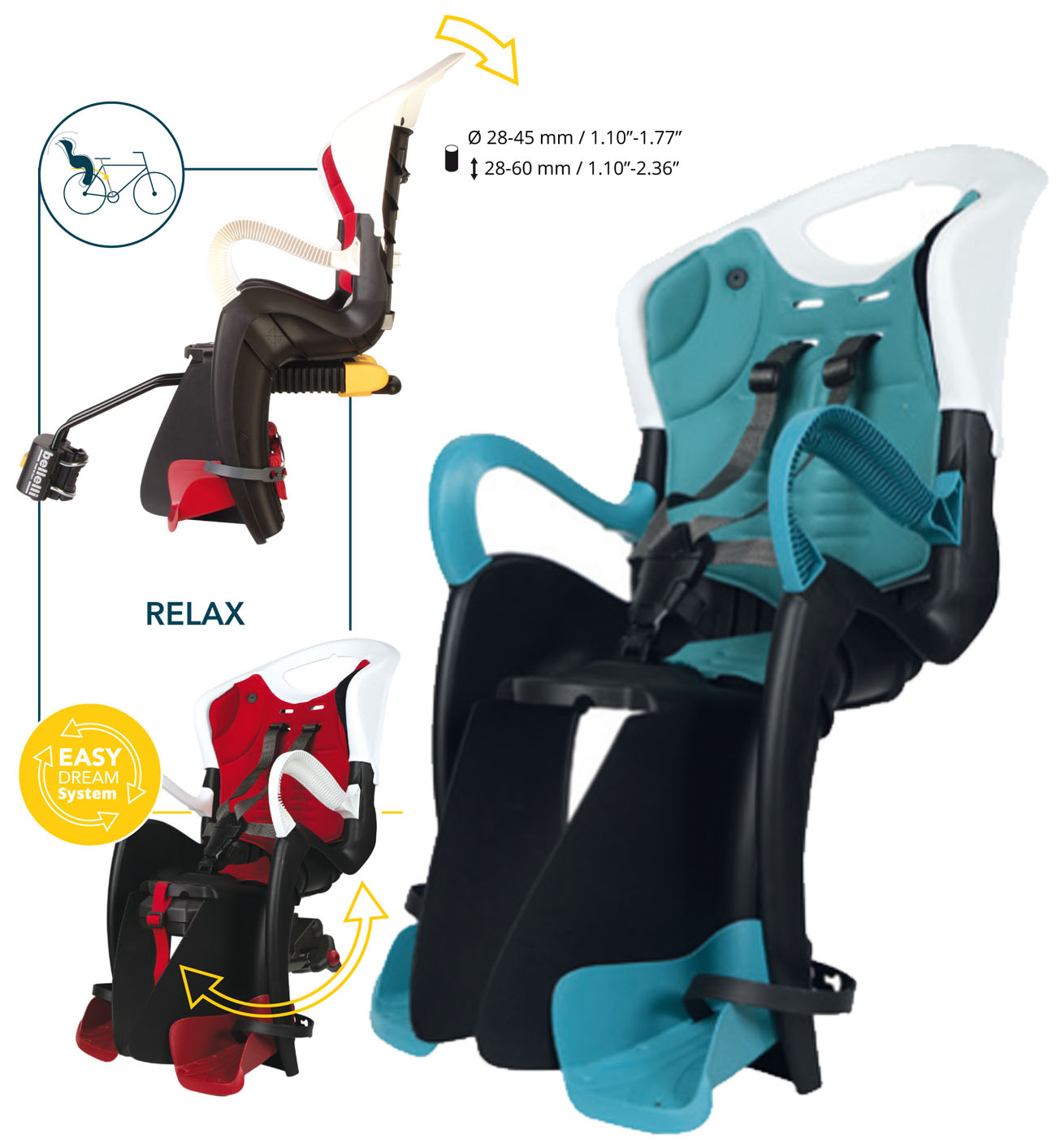
✔ It’s worth paying extra here – positioning and better head support make a big difference on longer journeys.
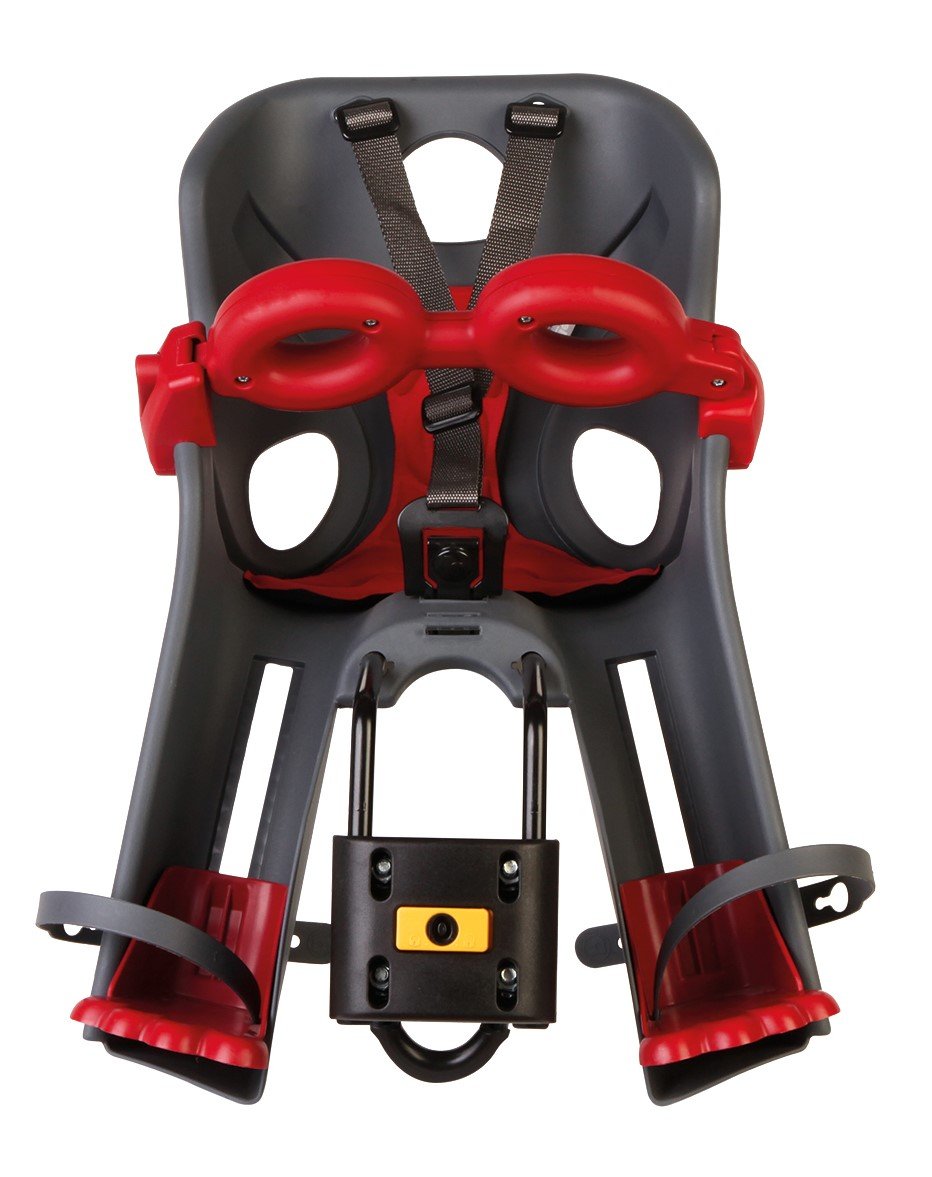
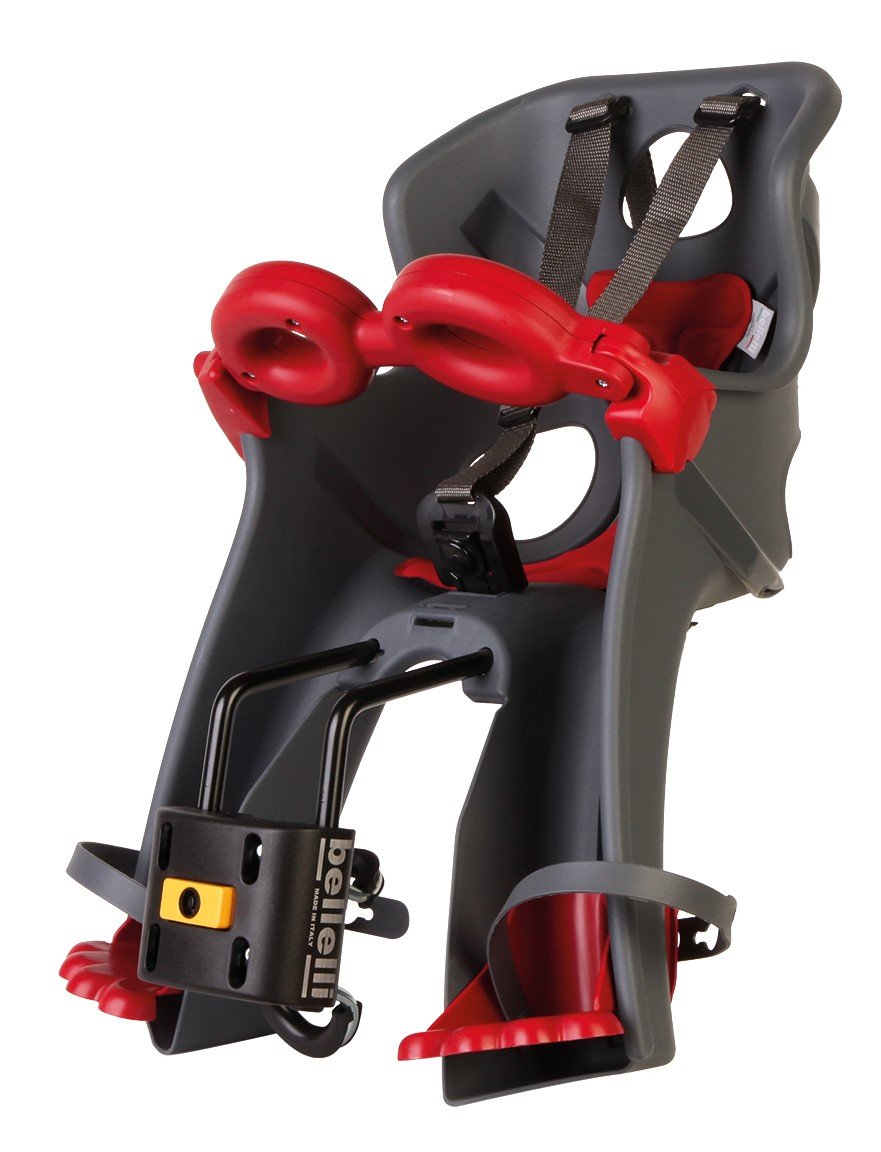
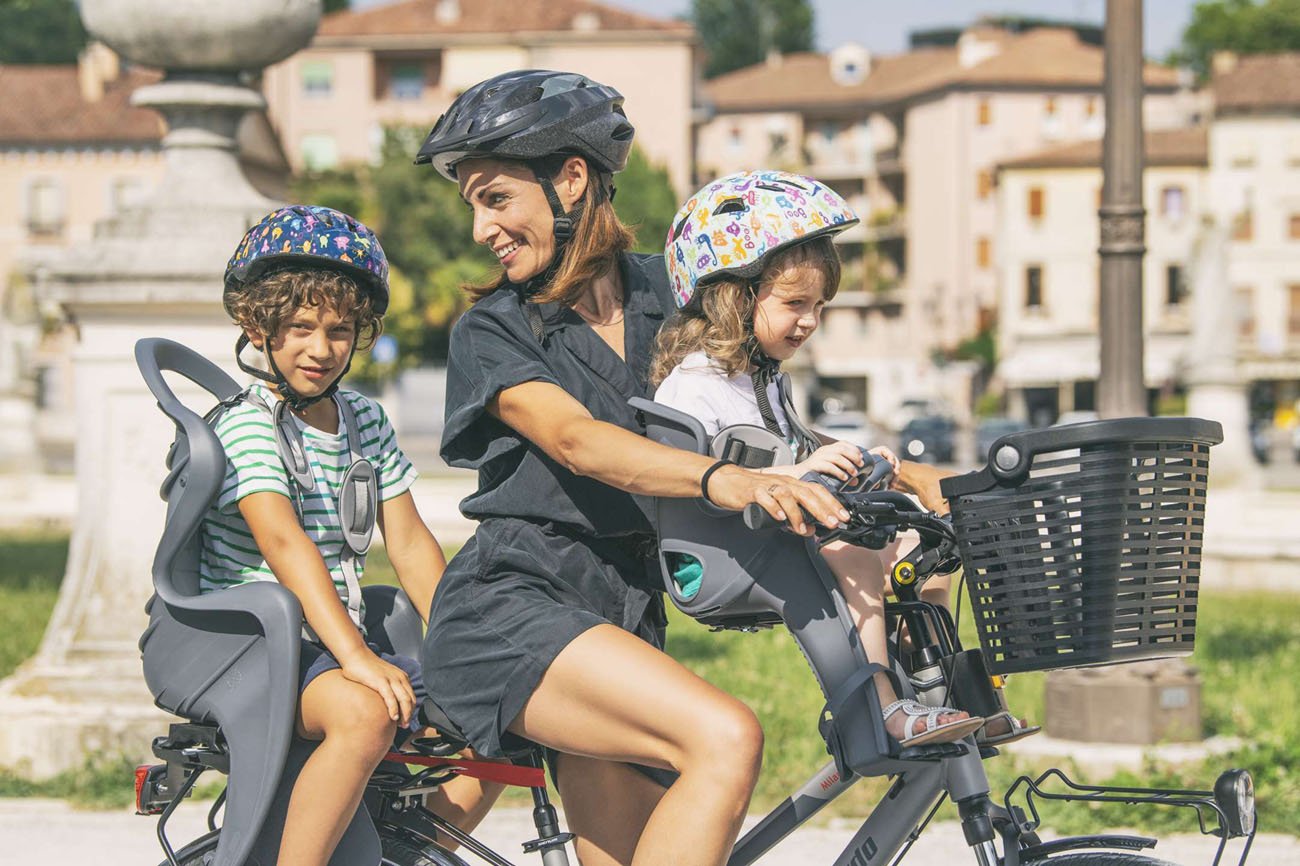
✔ A front seat is great for shorter trips and chatting, typically for smaller children and lighter loads (depending on the specific mount).
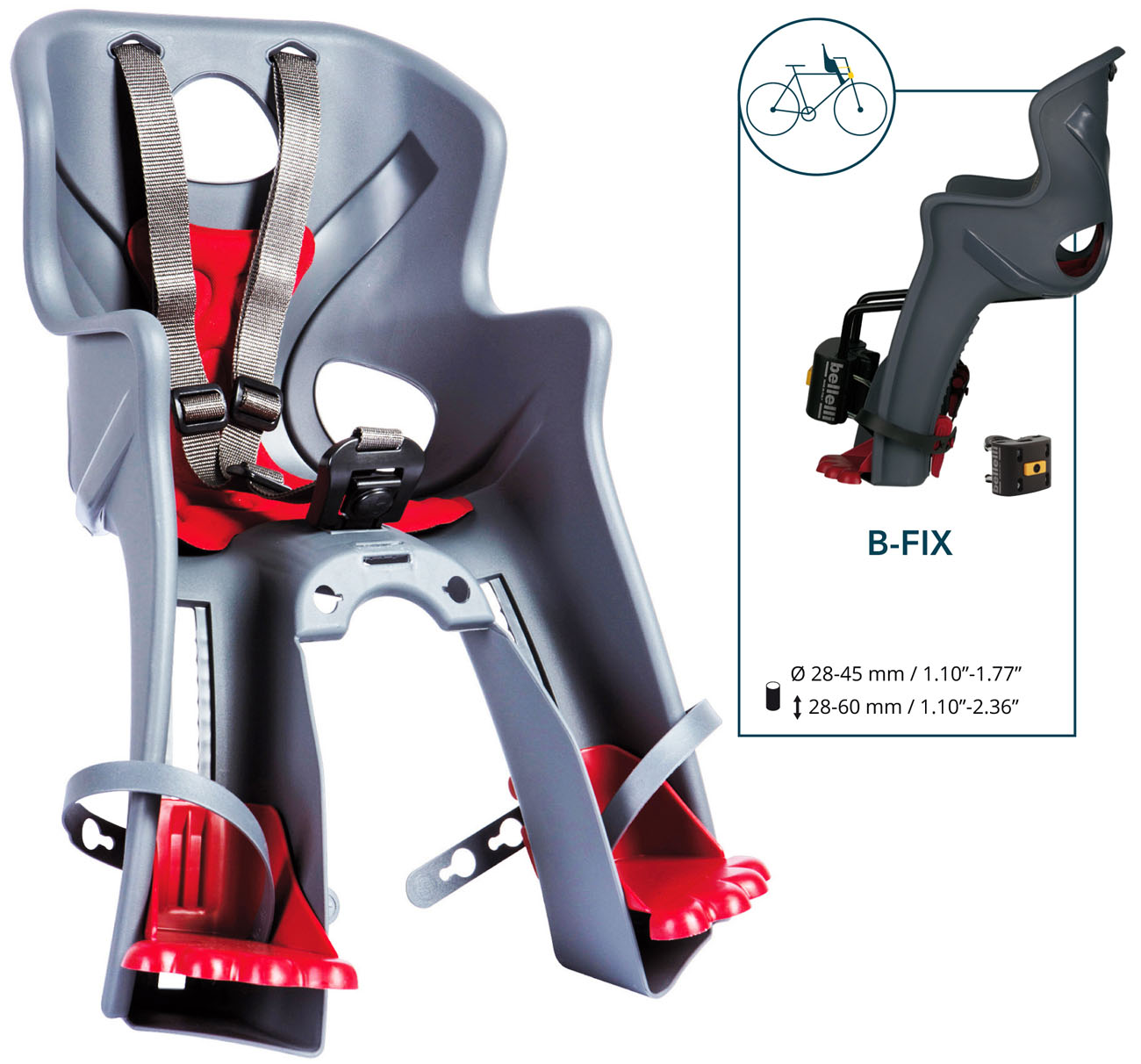
✔ The cleanest way is to have a second clamping system – and just click the seat into place. The B-FIX also features a key lock (to prevent theft).
- B-FIX (front and rear clamping, recommended frame diameters 28–50 mm)
- Multifix (rear frame clamp, diameter 25–46 mm)
- Handlefix (front clamp, diameter 21–34 mm)
1) Mounting type: carrier × frame × front mounting
This determines almost everything – compatibility, comfort and how quickly you can attach the seat.
2) Compatibility with the bike (tube/carrier dimensions)
For the frame, you typically need to consider the diameter of the tubes (e.g. B-FIX 28–50 mm, Multifix 25–46 mm, Handlefix 21–34 mm).
3) Load capacity and “for how big a child”
For rear seats, the maximum weight is usually listed as up to 22 kg (depending on the model).
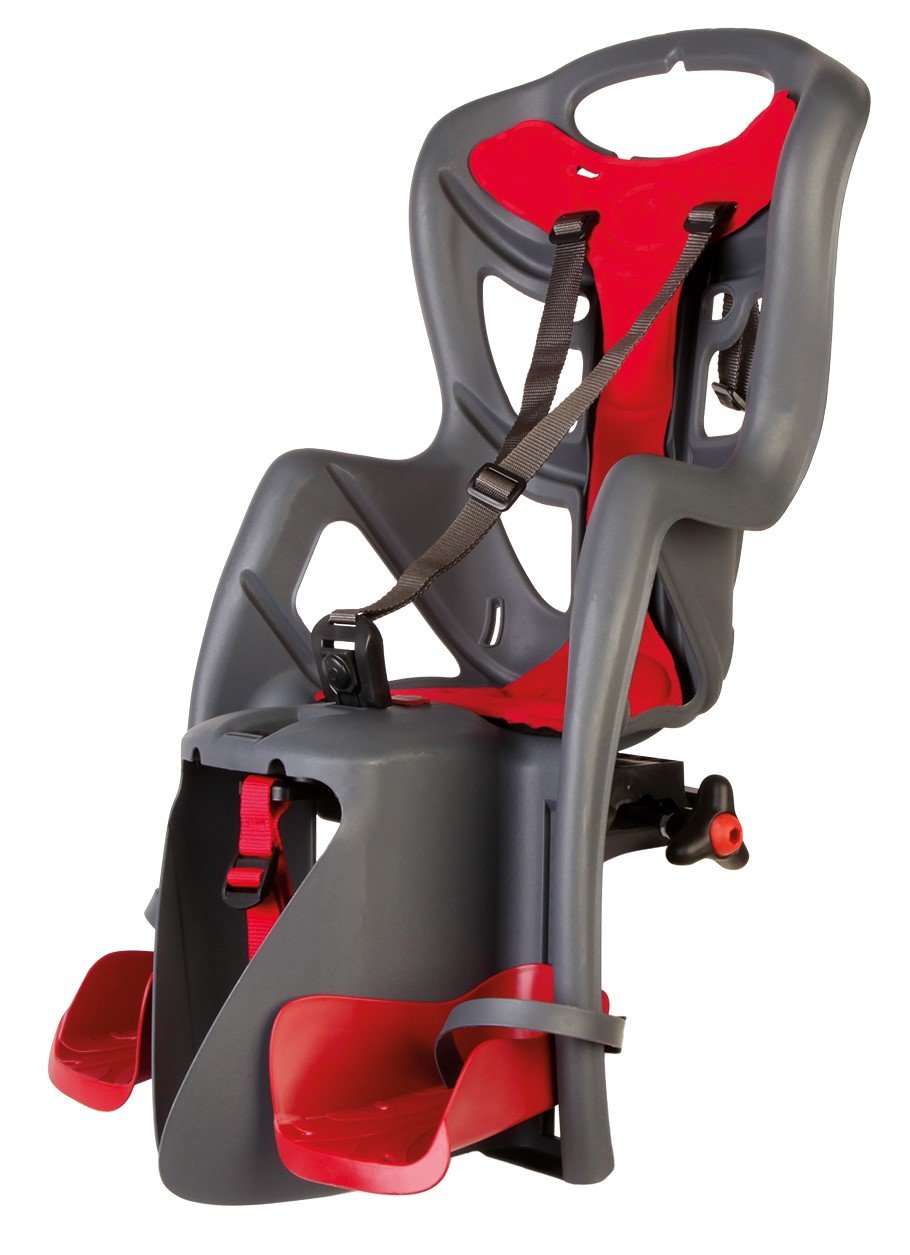
4) Belts + side panels + footrest adjustment
The better you adjust the belts and footrests to fit, the more comfortable and stable your child will be, even on longer journeys.
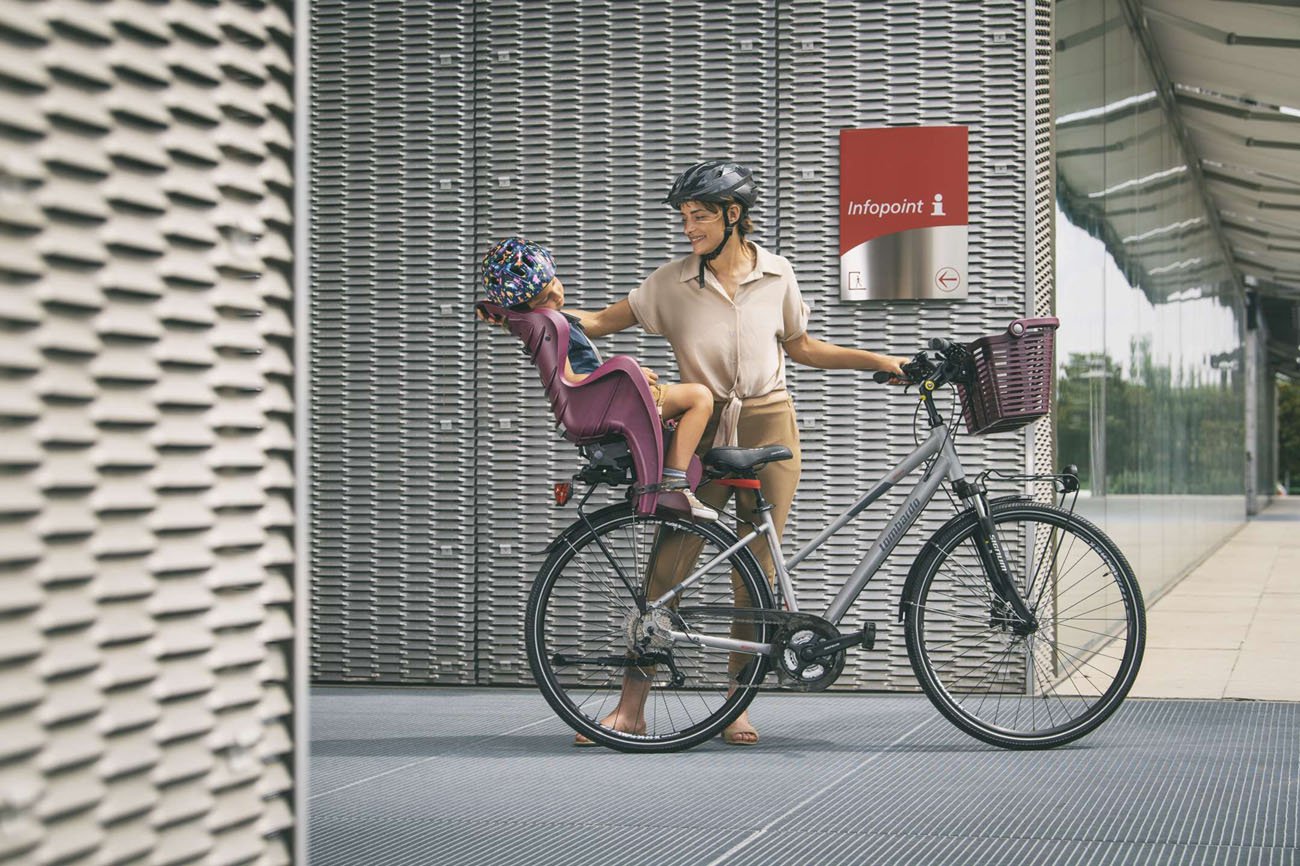
5) Positioning (when sleep is imminent)
If your child falls asleep, positioning and head support will make a difference on the very first long journey.
1) Is it better to mount the seat on the carrier or on the frame?
- Mounting it on the carrier is usually the quickest option – just attach it and go – but you need to have a suitable carrier with sufficient load capacity.
- A frame-mounted seat is a more versatile option, often better if you don’t have a carrier or want to switch the seat between bikes (with a second mount).
2) Front or rear seat?
- A front seat is fine for smaller children and shorter journeys – you can keep a closer eye on your child, but you will notice the effect on steering more quickly.
- A rear seat is more versatile for longer journeys, usually more comfortable and more stable for everyday trips.
3) What weight/age is the seat suitable for?
In practice, you will often encounter limits of around 15 kg for front seats and up to 22 kg for rear seats, but the specific model is always decisive. Take the limit as a maximum and think about a reserve for stability.
4) How can you tell if it’s compatible in 10 seconds?
Check three things:
- Do you have a carrier? If so, check its load capacity (and that it is sturdy, not just for show).
- The diameter of the frame/steering column tubes (depending on the type of mount: frame vs. front mount).
- Space for the child’s feet – so that the footrests are positioned so that the feet are safely away from the spokes.
5) Does positioning make sense?
Yes, if your child often falls asleep or you ride longer distances. Positioning increases comfort (the head does not “fall” as much) and the child can sit more calmly.
6) Which is more important: seat belts or footrests?
Both. Ideally, both the seat belts and footrests should be easy to adjust precisely to fit the child – correct adjustment significantly increases comfort and stability while riding (and the child fidgets less).