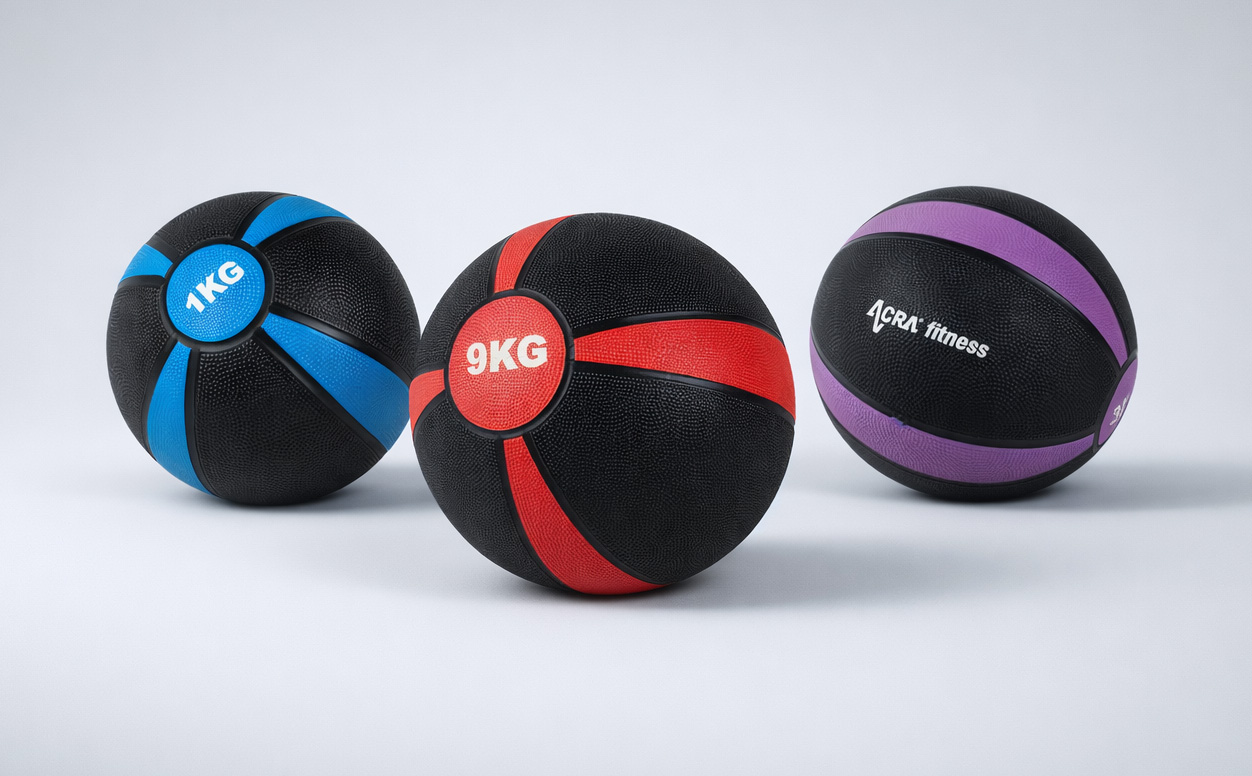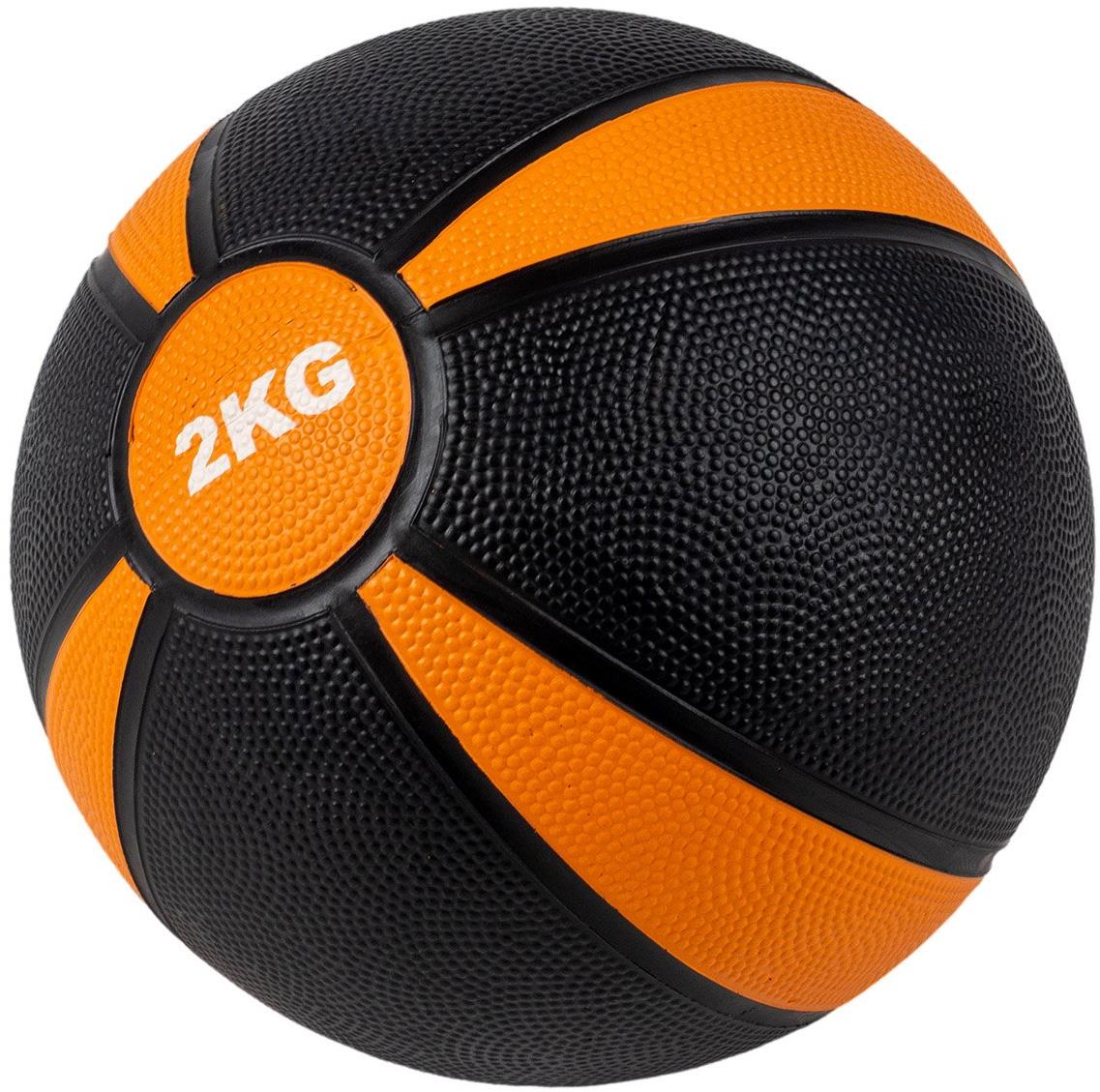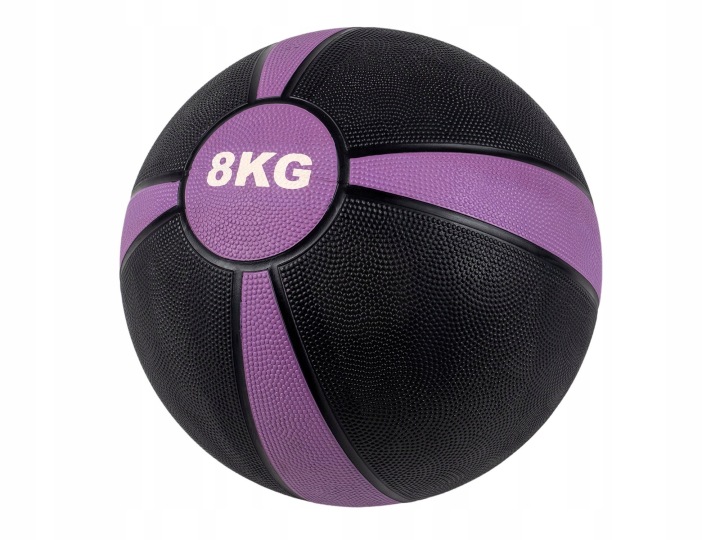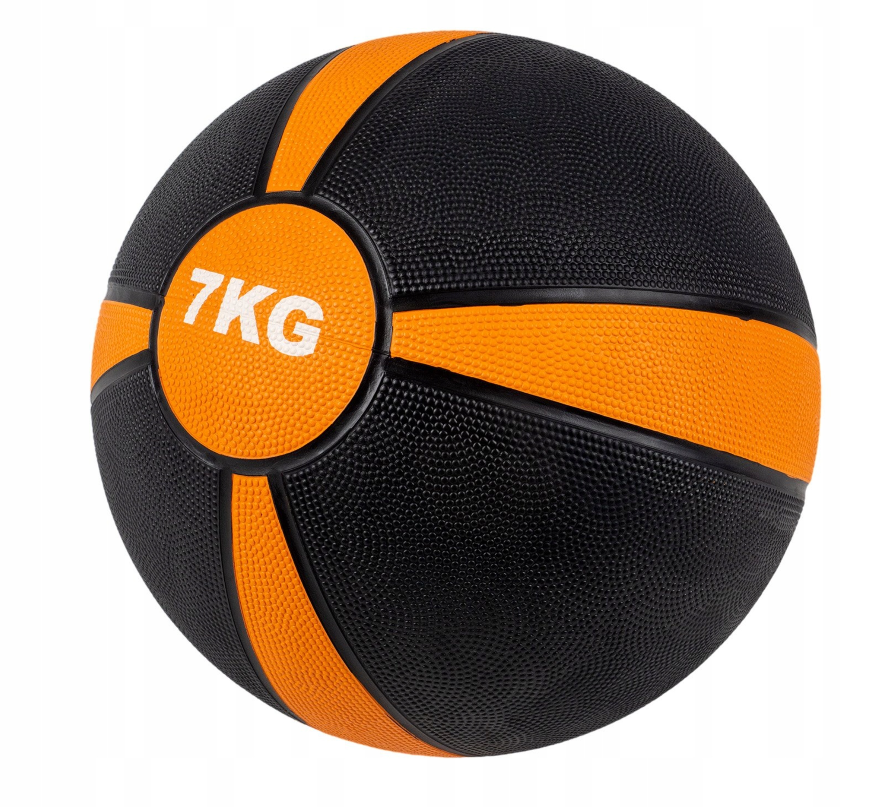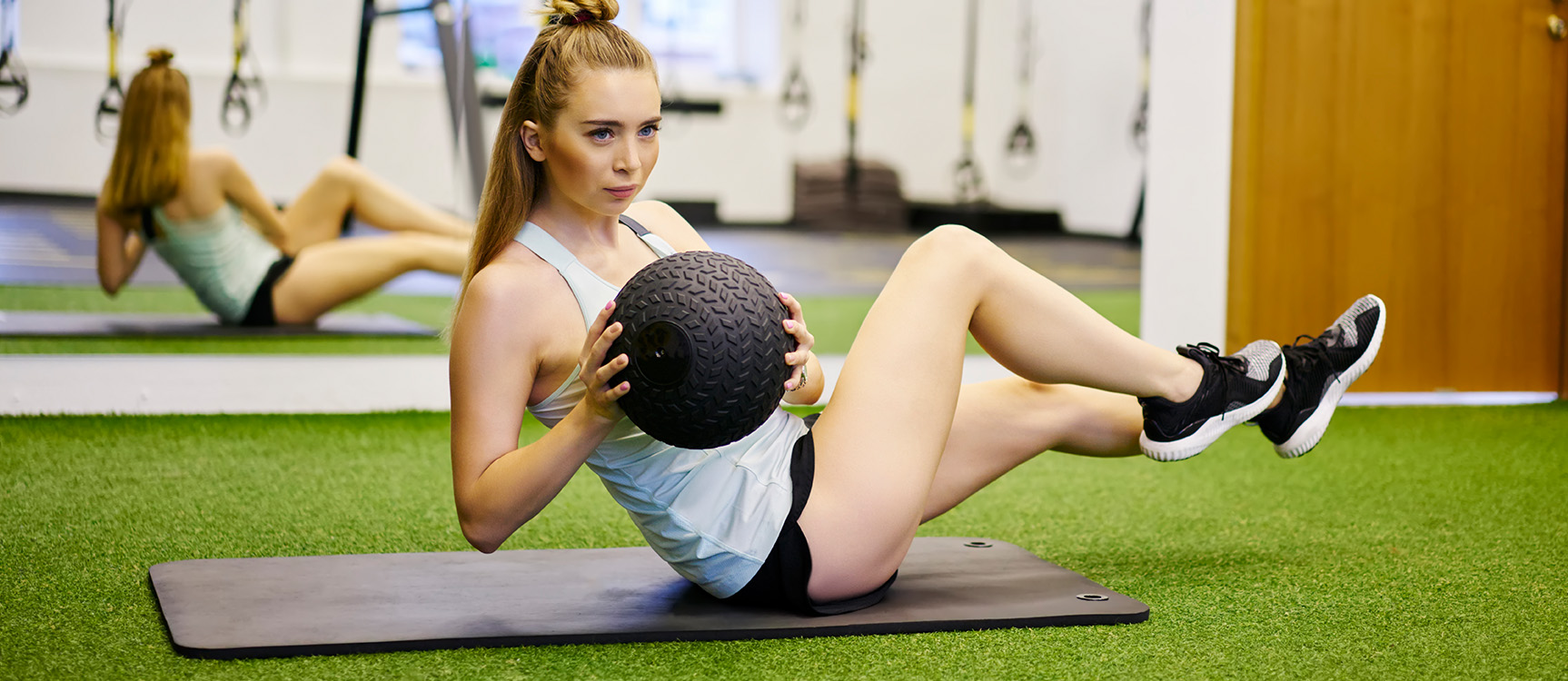
The medicine ball is one of the most versatile exercise tools. It helps you strengthen your core, improve your coordination, fitness, and movement dynamics. You can use it at home, at the gym, or during functional or fitness training.
Thanks to the variety of weights available, you can choose a lighter option for focusing on technique and fluid movement, or a heavier one for strength-based exercises.
Weight is the most important factor when choosing a medicine ball. As a general rule, a medicine ball should be heavy enough to provide resistance, but not so heavy that it compromises your form, accuracy, or range of motion. If you lose control during an exercise, the weight you’ve chosen is too heavy.
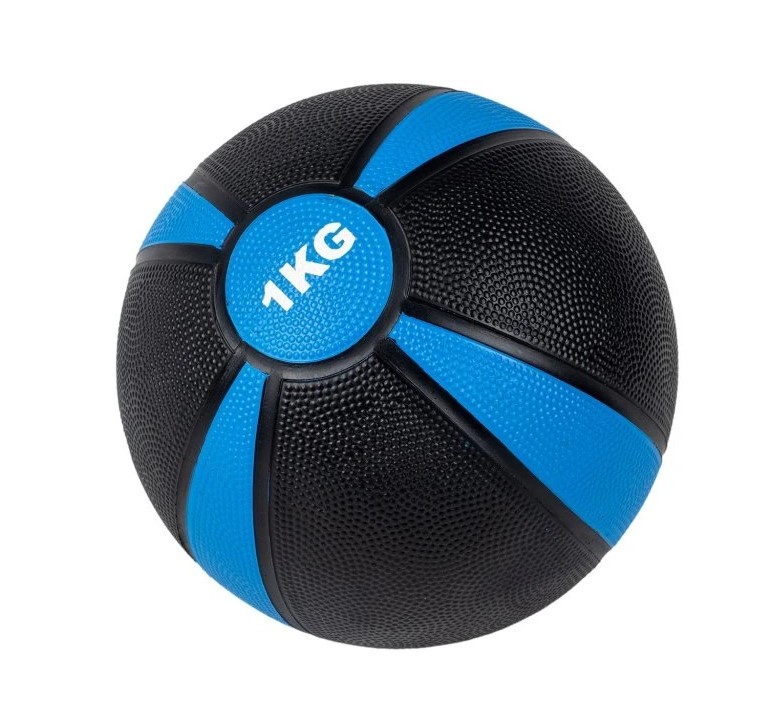
1–2 kg ⟶ Suitable for children, seniors, post-injury rehabilitation, or as a warm-up tool. Also great for one-handed exercises.
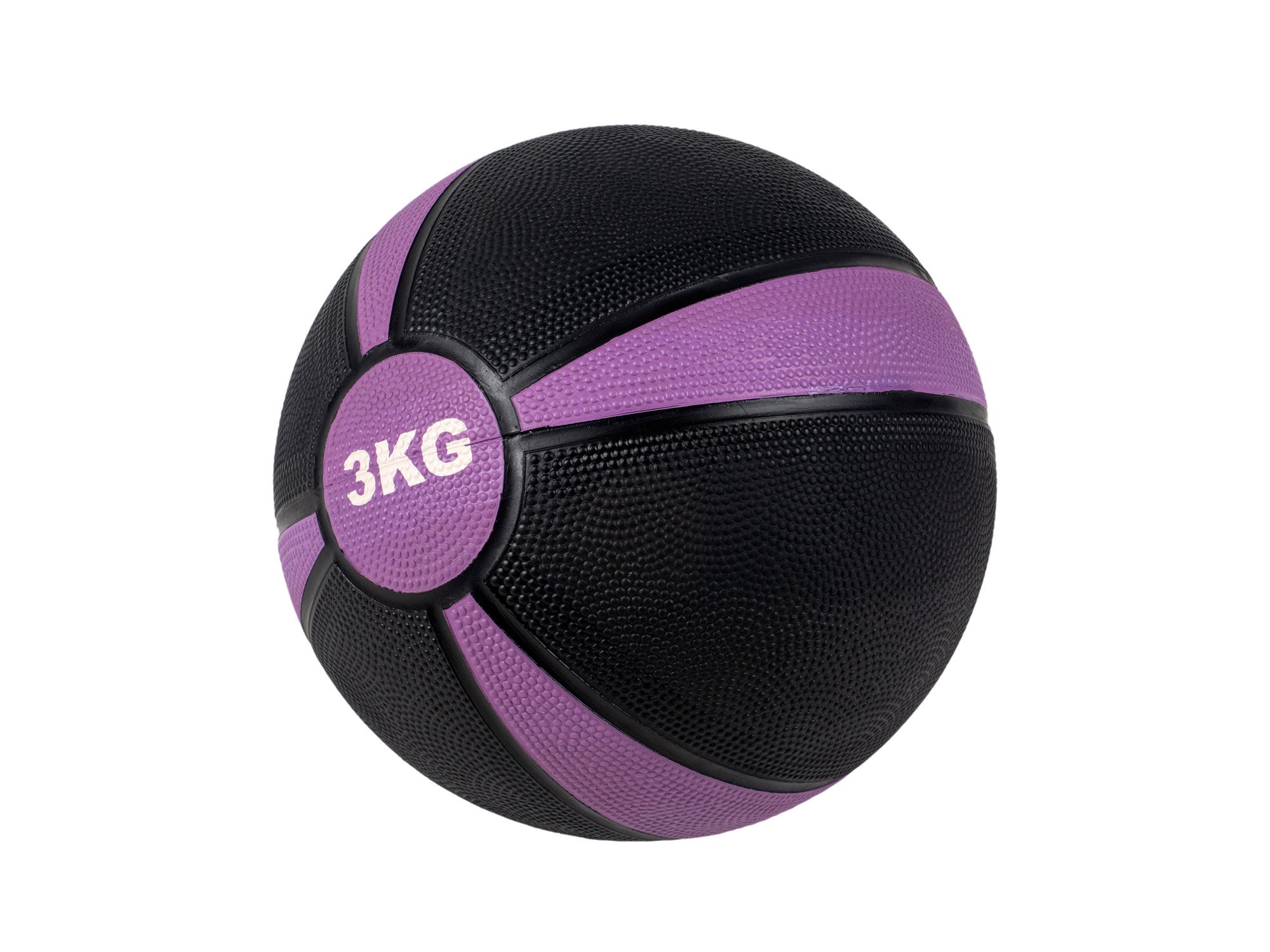
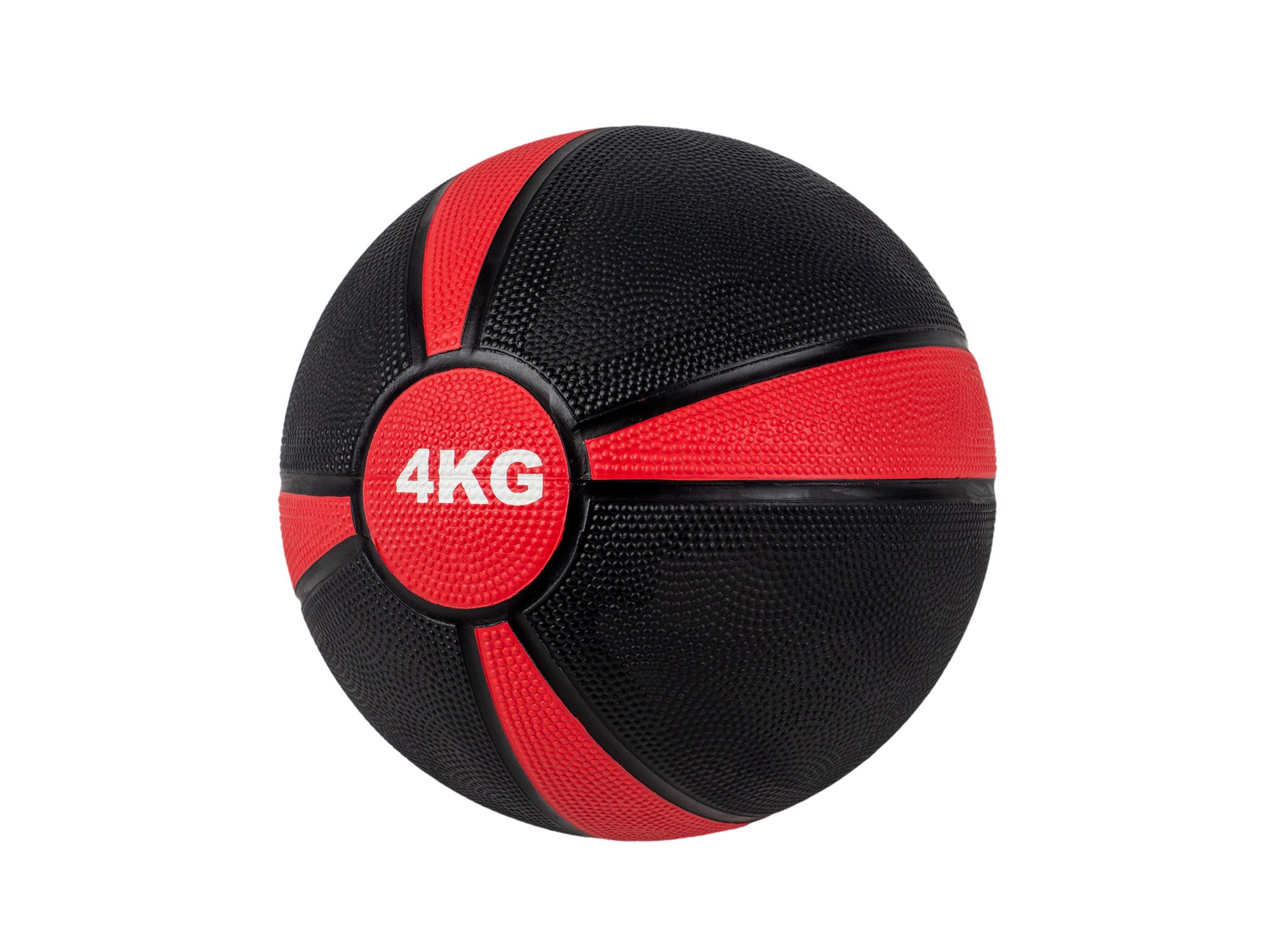
3–4 kg ⟶ The ideal choice for beginners and women who are just getting started with medicine balls. You’ll be able to perform basic exercises through a full range of motion without overexerting yourself.
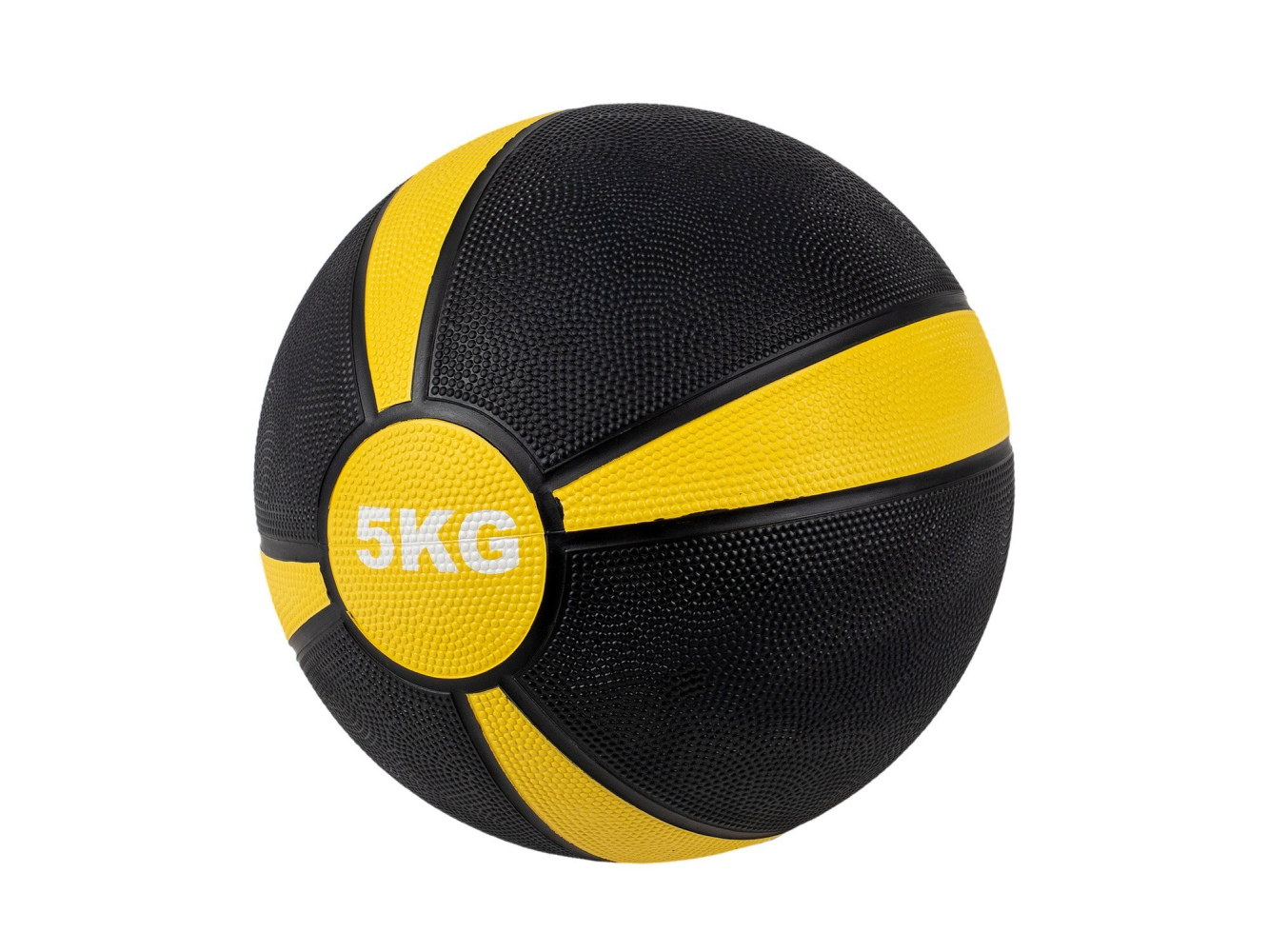
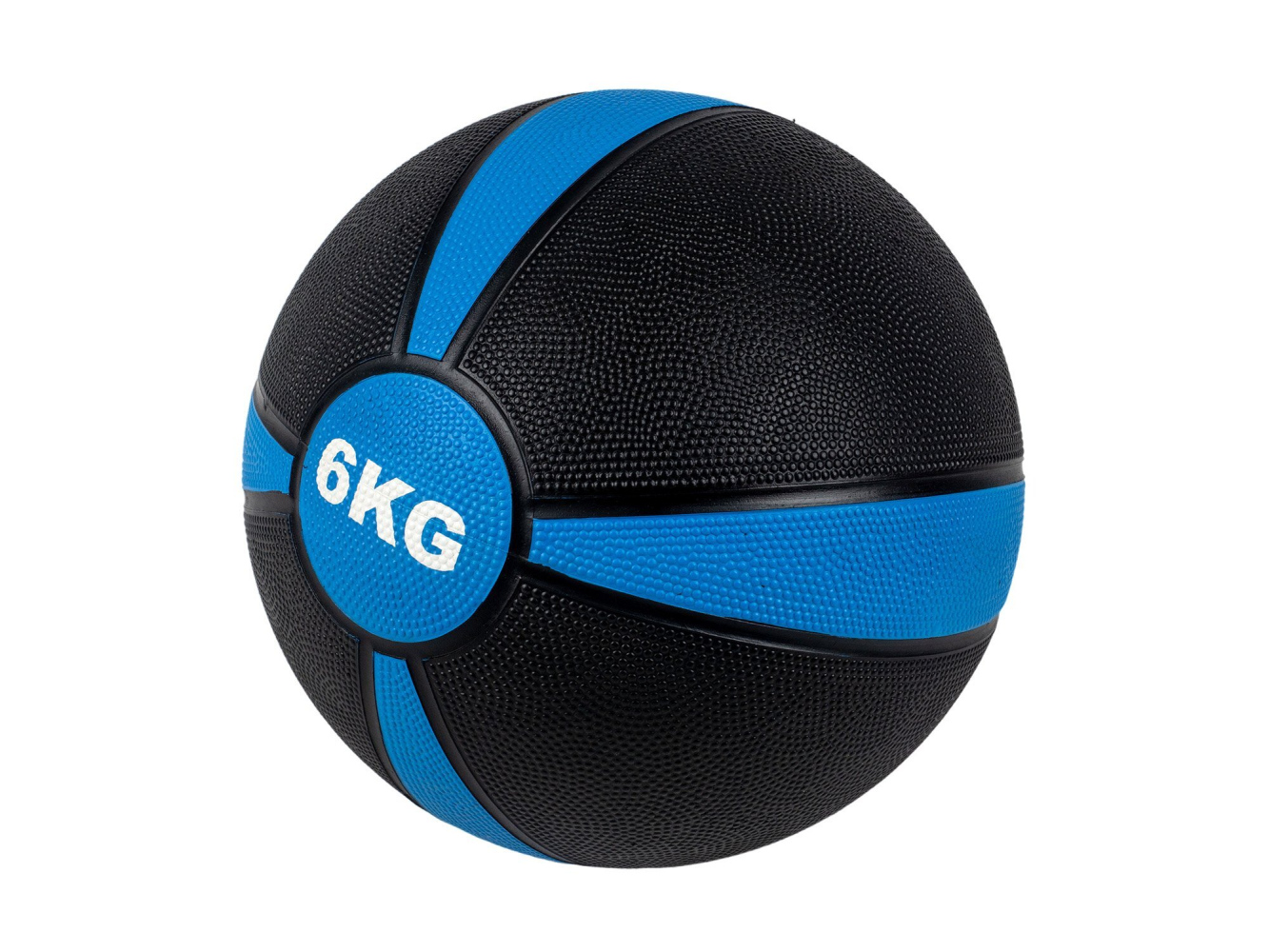
5–6 kg ⟶ The happy medium. Suitable for functional training, squats, lunges, trunk rotations, or sit-ups. Both men looking to warm up and more advanced women will appreciate them.
7–8 kg ⟶ For regular exercisers looking for a challenge and wanting to build strength and explosiveness.
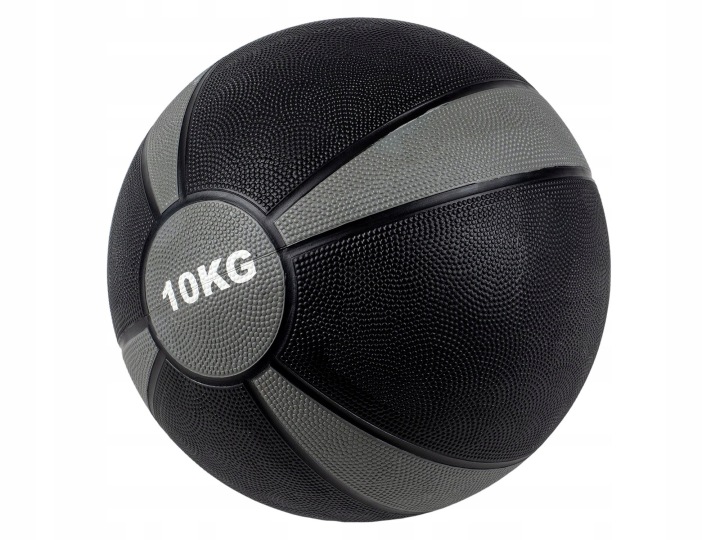
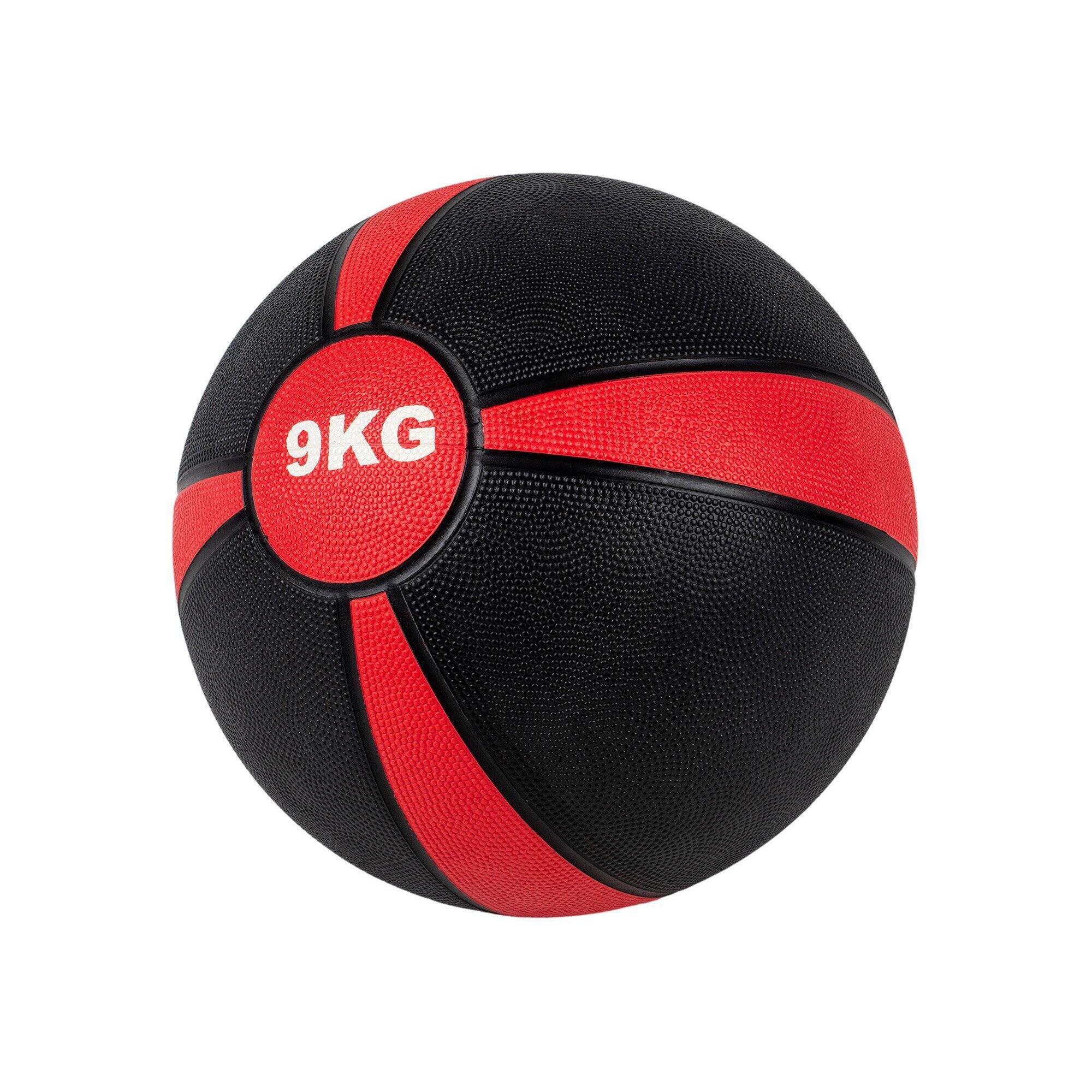
9–10 kg ⟶ For experienced athletes and those who want to give their whole body a serious workout. CrossFit, athletic training, or strength training.
Rule of thumb: Choose a weight that allows you to complete 15 repetitions of the exercise with proper form. If it’s too easy, go up a weight class.
A lighter medicine ball is usually better suited for quick tosses, rotations, carries, or more dynamic exercises. For squats, lunges, core strengthening, or more strength-focused exercises, you can opt for a heavier weight. For throwing and faster-paced exercises, it’s generally best to choose a lighter weight than for slower, strength-based exercises.
Acra medicine balls are made of 100% synthetic rubber with a reinforced core, ensuring a long service life even with intensive use. The rubber surface with a grooved texture provides a secure grip even when your hands are sweaty—the ball won’t slip, even during the most strenuous workouts. It works both indoors and outdoors and is unaffected by changes in weather.
A medicine ball is extremely versatile—it’s not just for athletes.
Home workouts: It replaces a variety of exercise equipment all at once. Squats, supported push-ups, rotations, throws—you can do it all in your living room or backyard.
Functional and CrossFit training: The medicine ball is an essential piece of equipment for any functional training routine. It engages the entire body and develops strength, speed, and coordination.
Rehabilitation and physical therapy: Lighter versions (1–3 kg) are a favorite tool of physical therapists for gradually increasing load after an injury.
Sports training: Tennis players, soccer players, hockey players—for all of them, the medicine ball is a great addition to sport-specific training.
Is a medicine ball suitable for beginners?
Yes. Lighter medicine balls are particularly suitable for beginners, home workouts, or basic fitness training. It’s important not to choose a weight that’s too heavy and to start with simpler exercises.
Is a lighter or heavier medicine ball better?
It depends on the type of exercise. A lighter medicine ball is usually better for faster, more technical exercises, while you can choose a heavier one for slower, strength-focused exercises. The key is always to maintain control of your movements.
Can I throw a medicine ball against a wall or the floor?
A classic medicine ball is primarily intended for strength, functional, and rehabilitation training—it is not designed for repeated, forceful impacts against a hard surface. Special slam balls are designed for throwing against the floor.
Is a medicine ball suitable for children?
Yes, the 1–2 kg versions are also suitable for older children and teenagers as part of a warm-up or athletic training. Always under adult supervision.
What is the difference between a medicine ball and a “grenade”?
A medicine ball is a classic round ball used for a wide range of exercises. A “grenade” is typically a smaller weight training tool with a handle or a specific shape designed for different types of exercises.

The most versatile tool—not just for home use—that will get you in top shape. The medicine ball is an exceptionally versatile exercise tool, essential for developing physical…

The most versatile tool—not just for home use—that will get you in top shape. The medicine ball is an exceptionally versatile exercise tool, essential for developing physical…

The most versatile tool—not just for home use—that will get you in top shape. The medicine ball is an exceptionally versatile exercise tool, essential for developing physical…

The most versatile tool—not just for home use—that will get you in top shape. The medicine ball is an exceptionally versatile exercise tool, essential for developing physical…

The most versatile tool—not just for home use—that will get you in top shape. The medicine ball is an exceptionally versatile exercise tool, essential for developing physical…

The most versatile tool—not just for home use—to get you in top shape. The medicine ball is an exceptionally versatile exercise tool, essential for developing physical…

The most versatile tool—not just for home use—that will get you in top shape. The medicine ball is an incredibly versatile exercise tool, essential for developing physical…

The most versatile piece of equipment—not just for home use—that will get you in top shape. The medicine ball is an exceptionally versatile exercise tool, essential for developing physical…

The most versatile tool—not just for home use—that will get you in top shape. The medicine ball is an exceptionally versatile exercise tool, essential for developing physical…

The most versatile tool—not just for home use—that will get you in top shape. The medicine ball is an exceptionally versatile exercise tool, essential for developing physical…
Acra is a purely Czech brand that has been providing a full range of sports equipment for homes and rural playgrounds since 1991.
Customer Service Center
Feel free to write anytime
Call Mon–Fri, 6 a.m.–3 p.m.
Delivery Methods
Payment Methods