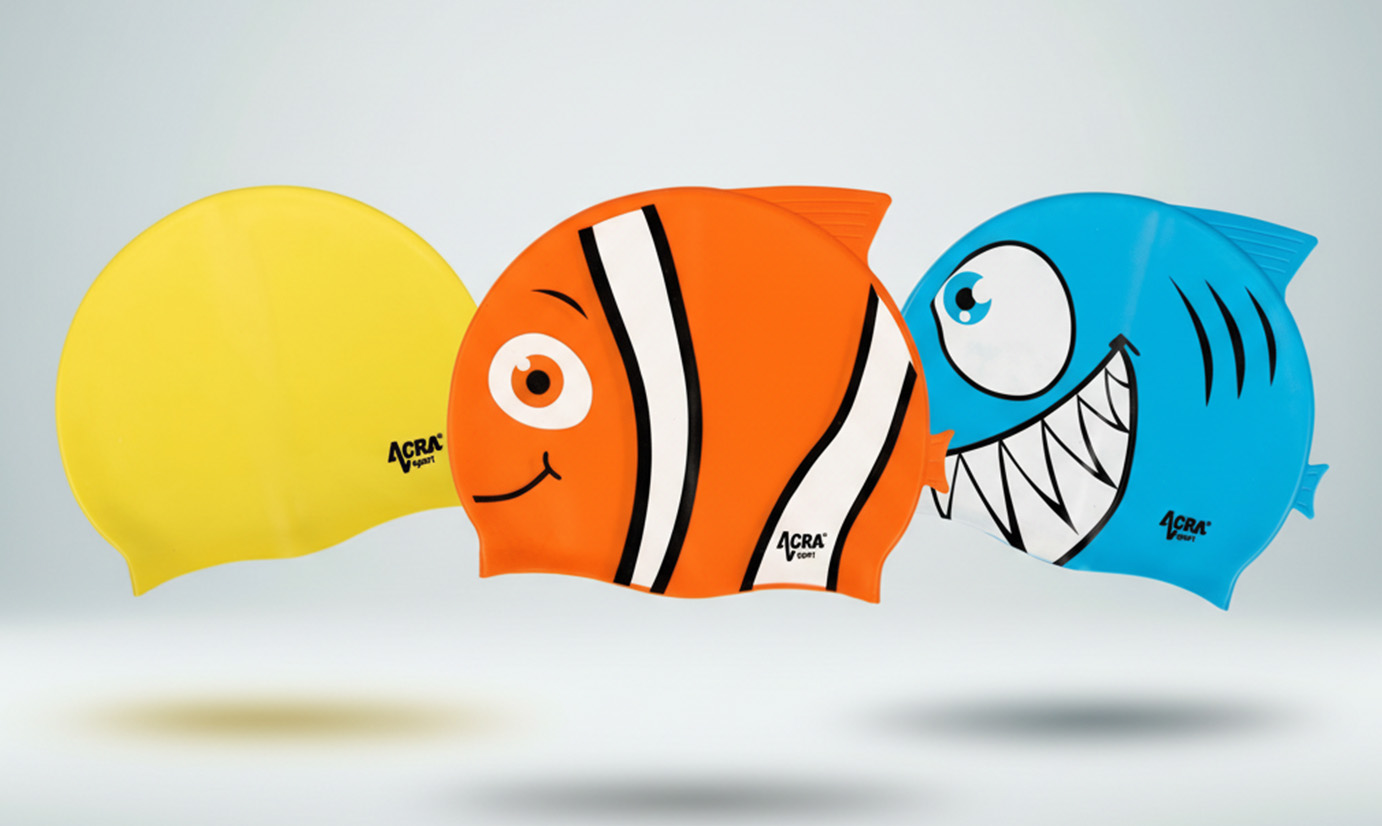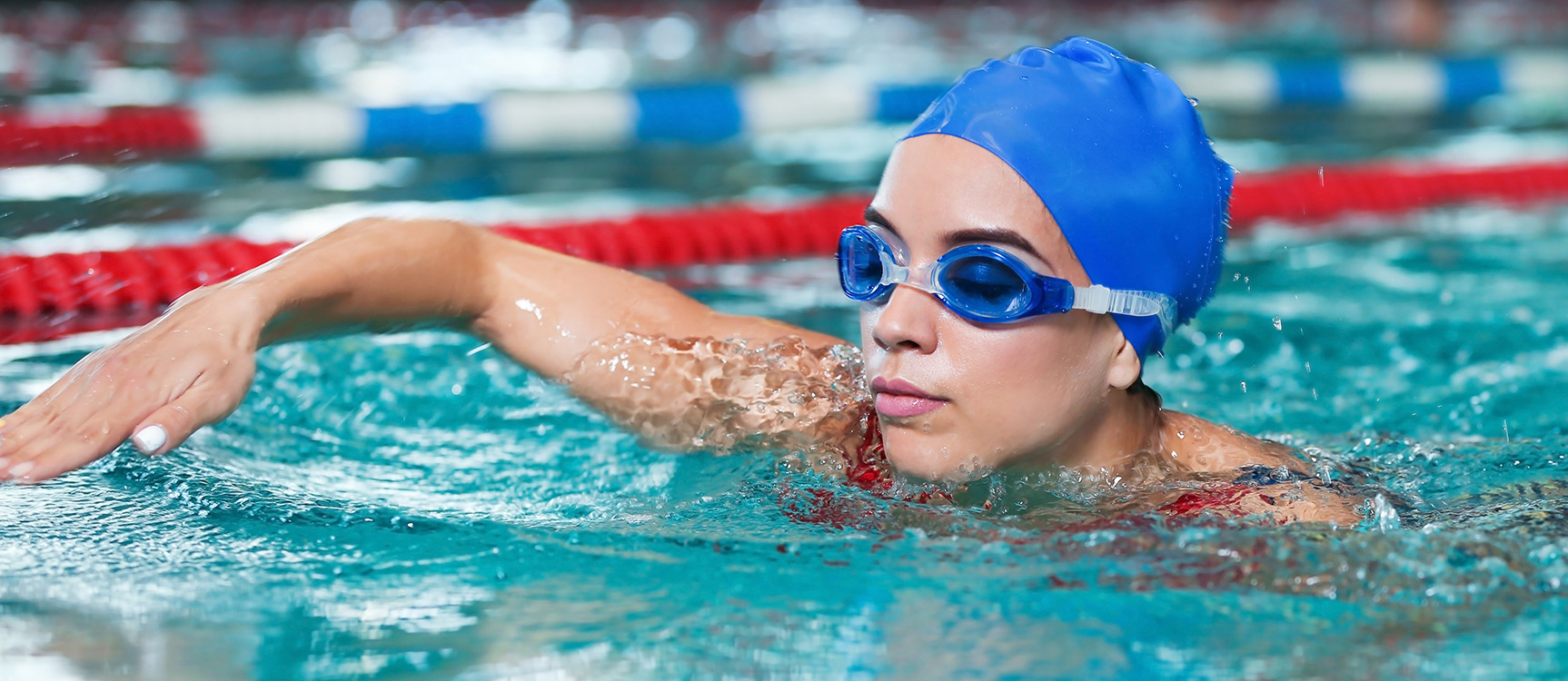
A swim cap is a small accessory that can make your time in the water much more enjoyable. It helps keep hair out of your face, limits its contact with chlorinated or saltwater, and—for those with straighter hair—also reduces drag in the water.
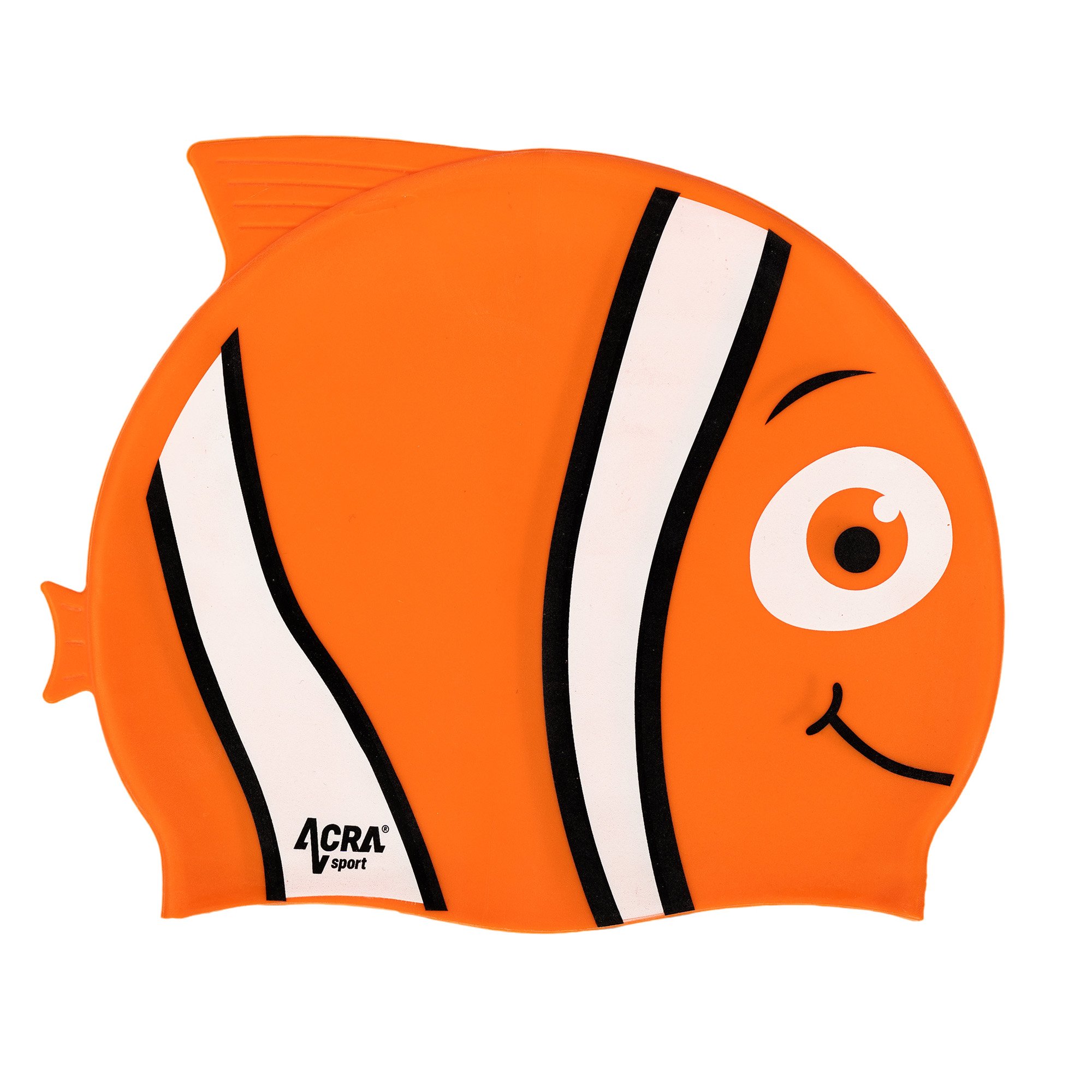
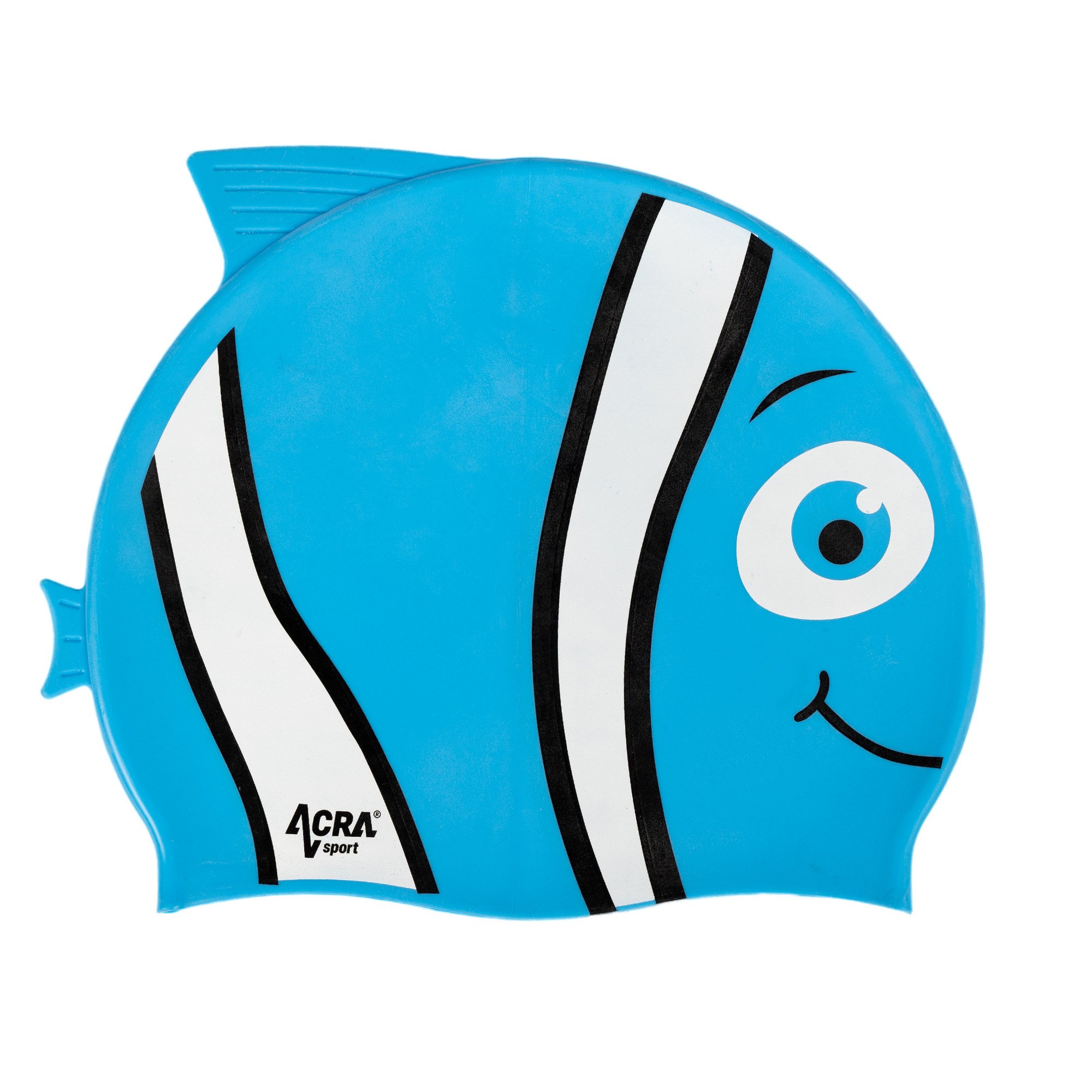
We mainly carry silicone swim caps for adults and children, including fun children’s designs and sportier styles.
Many swimmers view a swim cap as a necessary evil. In reality, it’s one of the cheapest—yet most beneficial—accessories for swimming.
✔ Protects your hair
Chlorine and salt water dry out and damage your hair. A swim cap creates a barrier that significantly reduces this effect.
✔ No hair in your eyes
Longer hair gets in the way in the water, compromising your technique and performance. A swim cap keeps it firmly in place throughout your entire workout.
✔ Less drag
A snug-fitting swim cap (especially a silicone one) reduces water resistance—you might not notice it during fitness swimming, but you’ll feel the difference over time.
✔ Warmth in cold water
In natural swimming areas or when cold-water training, up to a third of your body heat escapes through your head. A swim cap significantly reduces this loss.
✔ Pool hygiene
A swim cap traps hair and debris, helping to keep the water and filters clean. That’s why most pools require one.
The cap must cover the entire circumference of the head—it must not slip or allow water to reach the hair. Choose a size based on your head circumference and hair length.
Approximate Size Chart
Note: Age alone is not an exact guide. An adult with a smaller head may wear a children’s cap, and conversely, a girl with thick, long hair may need an adult size. Always base your choice on head circumference and hair volume.
Proper care can extend the life of your silicone swim cap several times over. All it takes is a few simple habits.
✔ Rinse with clean water
Rinse the swim cap under cold water after each use. This will remove chlorine, salt, and dirt.
✔ Let it dry
Don’t fold the cap while it’s wet. Let it air dry, ideally in the shade.
✔ Avoid direct sunlight
Silicone and latex do not tolerate sunlight—they lose their elasticity and crack. Store in a shaded place.
✔ Time for a replacement
If the cap is cracking, losing its elasticity, or is too loose—it’s time to replace it with a new one.
Does a swim cap have to cover the ears?
No, it doesn't. The primary purpose of a swim cap is to cover the hair and prevent water from getting in—not to cover the ears. If you want to protect your ears as well, get separate earplugs.
Does a swim cap protect your hair from chlorine?
A swim cap helps limit direct contact between your hair and chlorinated water, but it won’t protect it completely. You can enhance this effect by wetting your hair with clean water before entering the pool—it will absorb some of the water beforehand and may then absorb less chlorinated water.
What is the difference between a swimming cap and a bath cap?
A swimming cap is generally tighter-fitting, provides a better seal, and is designed to minimize water resistance—ideal for training and competitive swimming. A swimming cap is a softer, looser-fitting option suitable for recreation, water parks, or swimming on vacation.
How do I choose a cap for a child?
The child’s head circumference is the deciding factor, not their age. Children’s swim caps (Junior) are designed for a head circumference of approximately 50–54 cm. For girls with long hair, an adult one-size-fits-all cap may be more suitable. The silicone material is safe, hypoallergenic, and easy to clean.
Can the cap be used in the ocean or a lake?
Yes, silicone caps are resistant to salt and impurities found in natural water. After swimming in the ocean or a lake, always rinse it with clean water to prevent the material from becoming overloaded.
Effea Flags Silicone Swim Cap. This high-quality swim cap is made of special silicone.

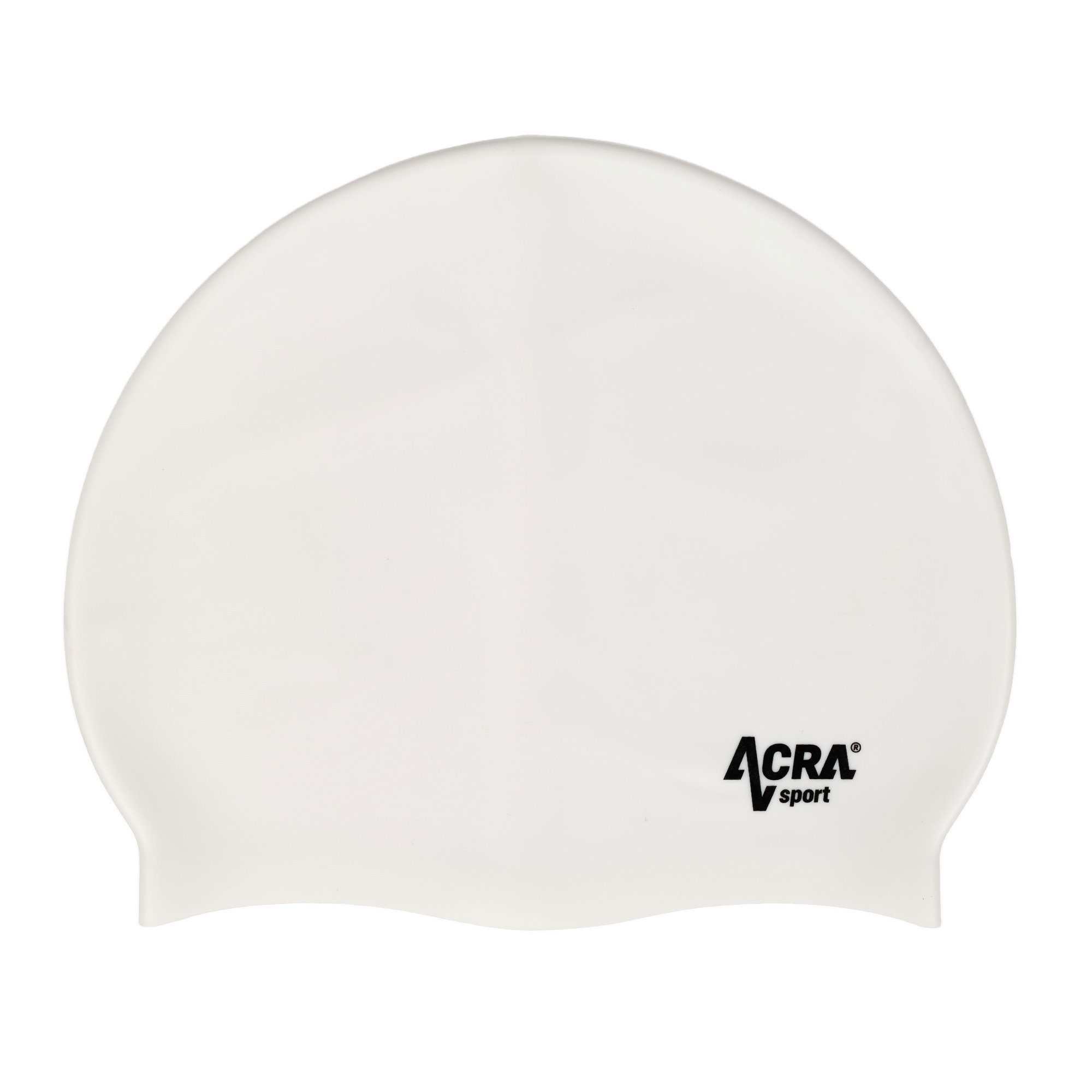
Acra WHITE Swimming Cap – for comfort and protection in the water! Are you looking for a reliable and comfortable swimming cap for your workouts, relaxing in the pool, or a vacation by the sea?

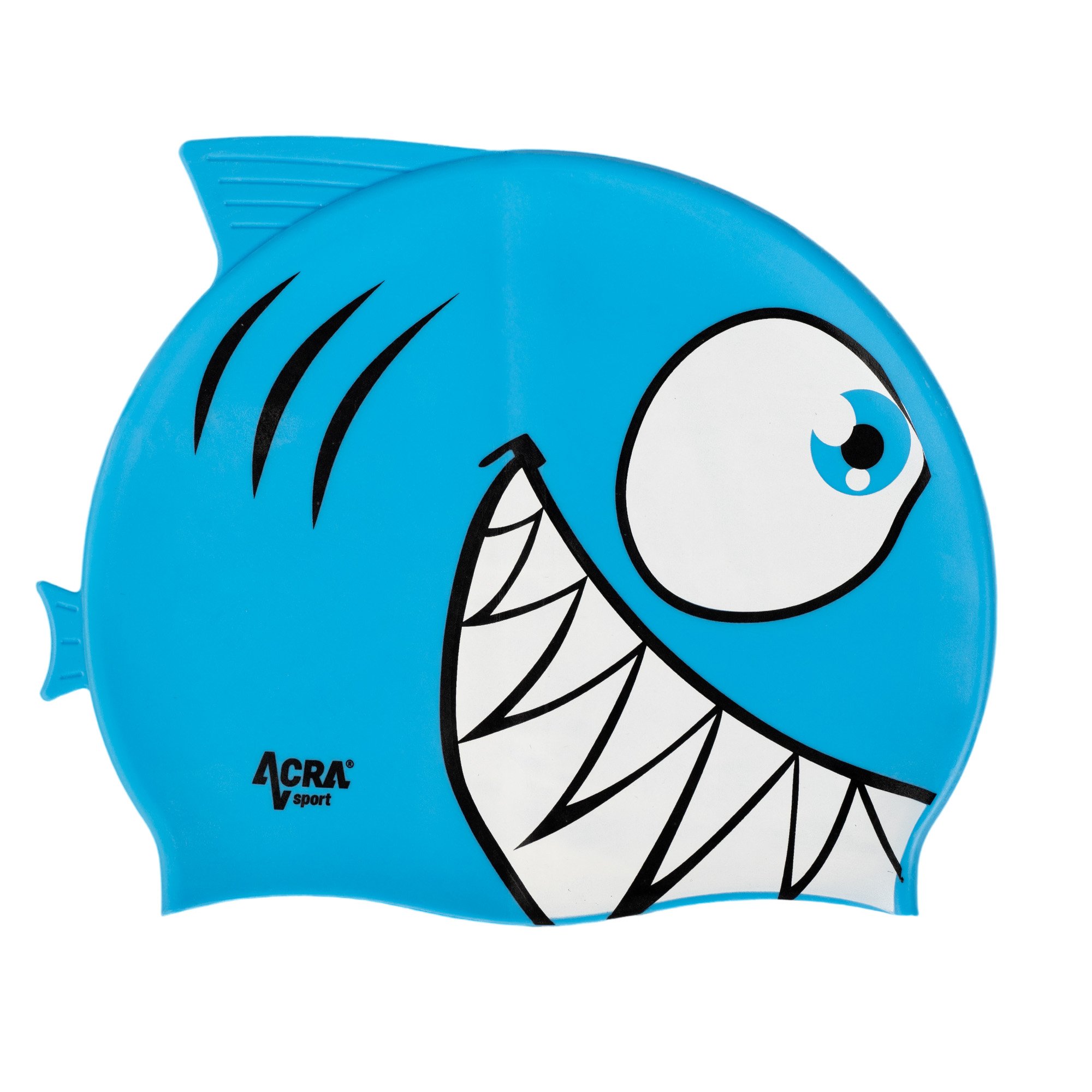
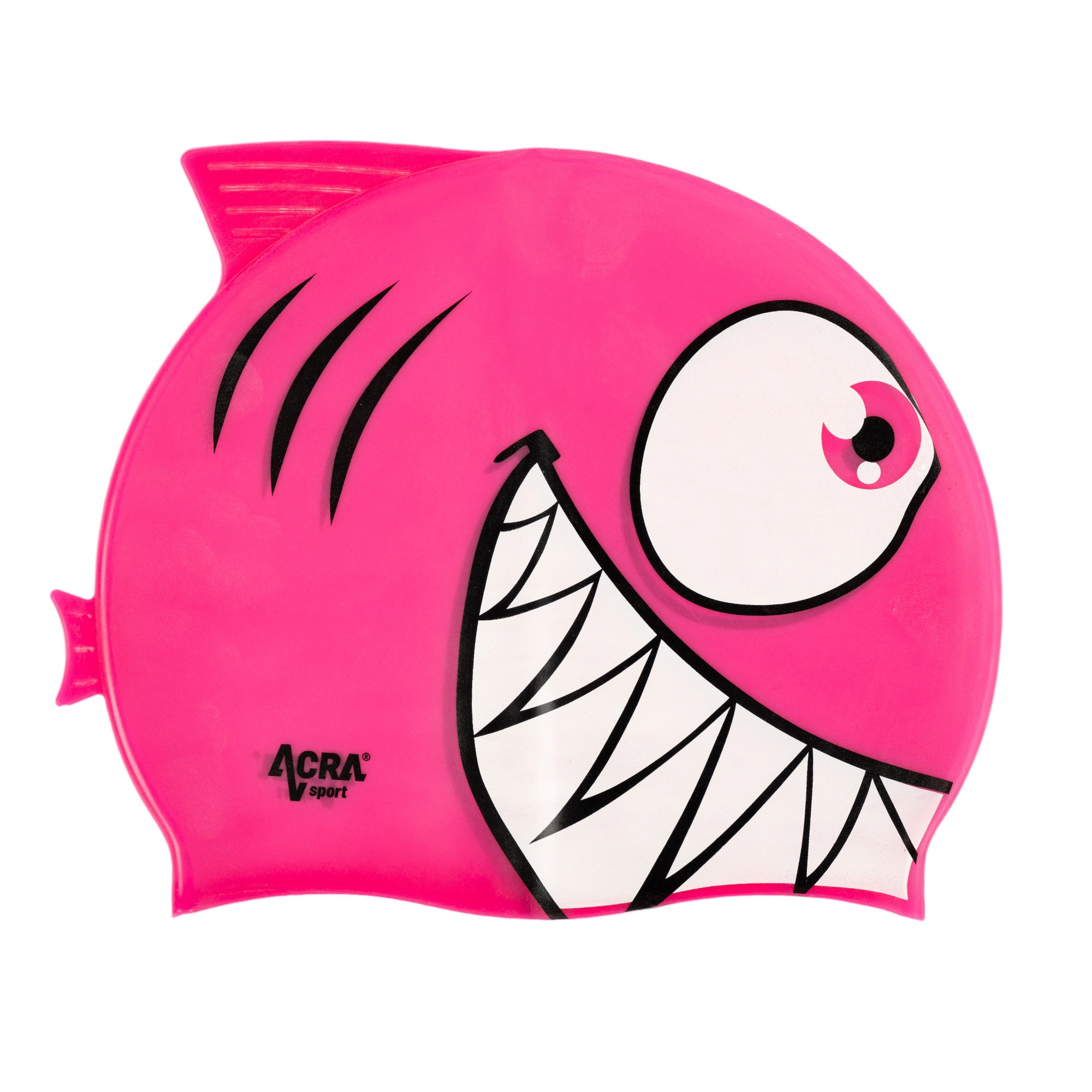
PIRANHA Kids' Swimming Cap – for little swimmers with a fierce smile! Cheer up your kids in the water with our fun swimming cap featuring the popular piranha design!

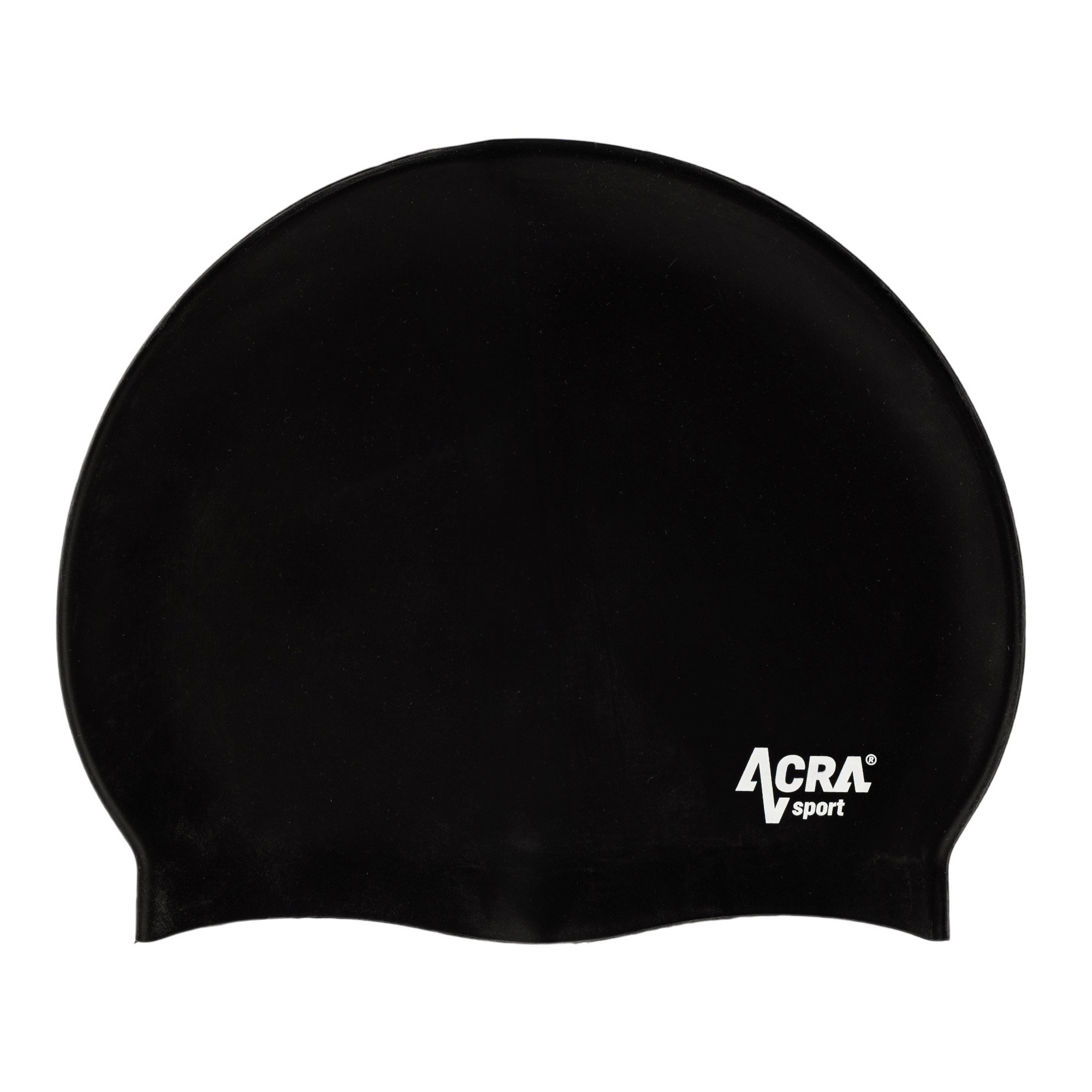
Acra BLACK Swimming Cap – for comfort and protection in the water! Are you looking for a reliable and comfortable swimming cap for your workouts, relaxing in the pool, or a vacation by the sea?

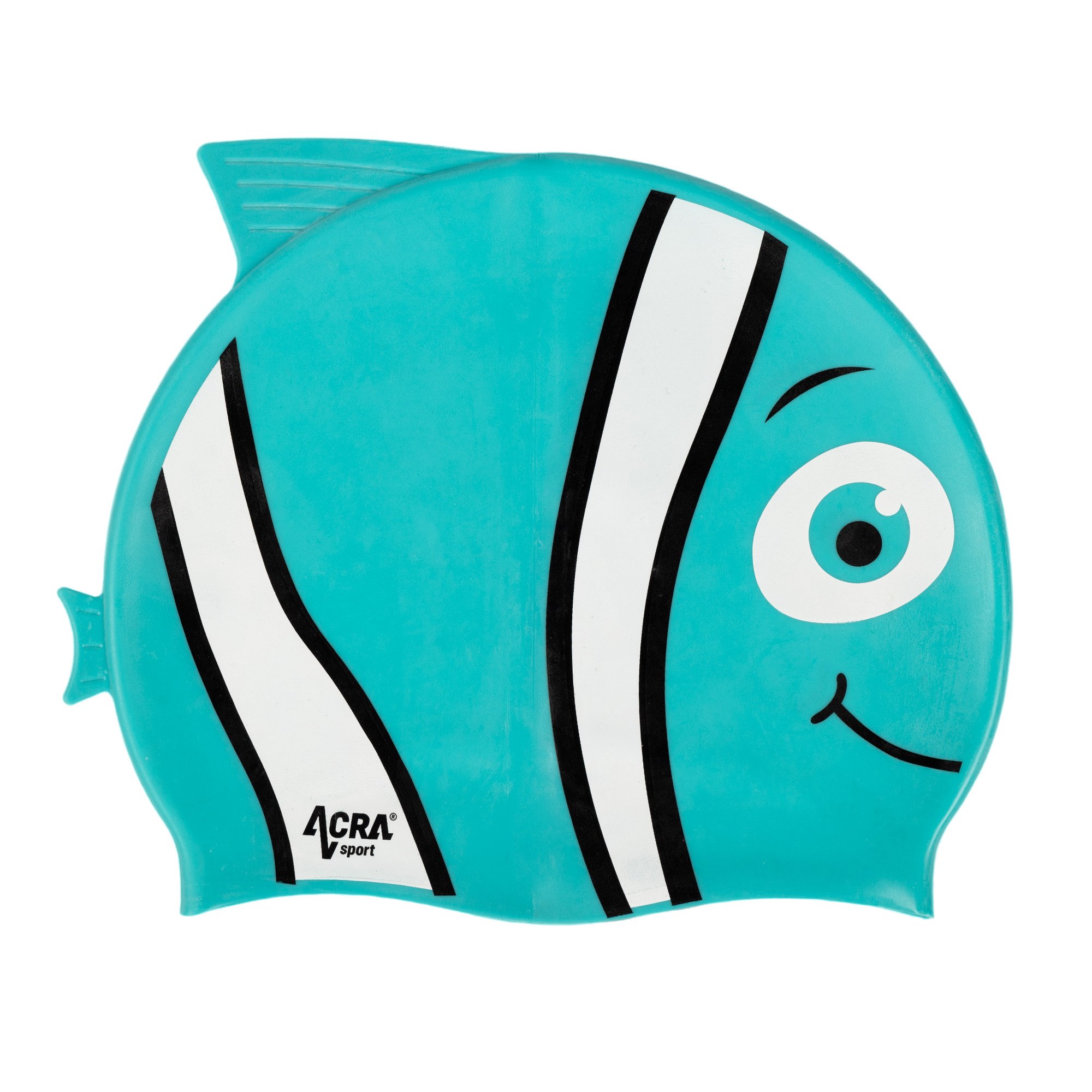
NEMO Kids' Swimming Cap – for little swimmers with a smile! Cheer up your kids in the water with our fun swimming cap featuring the beloved Nemo character!

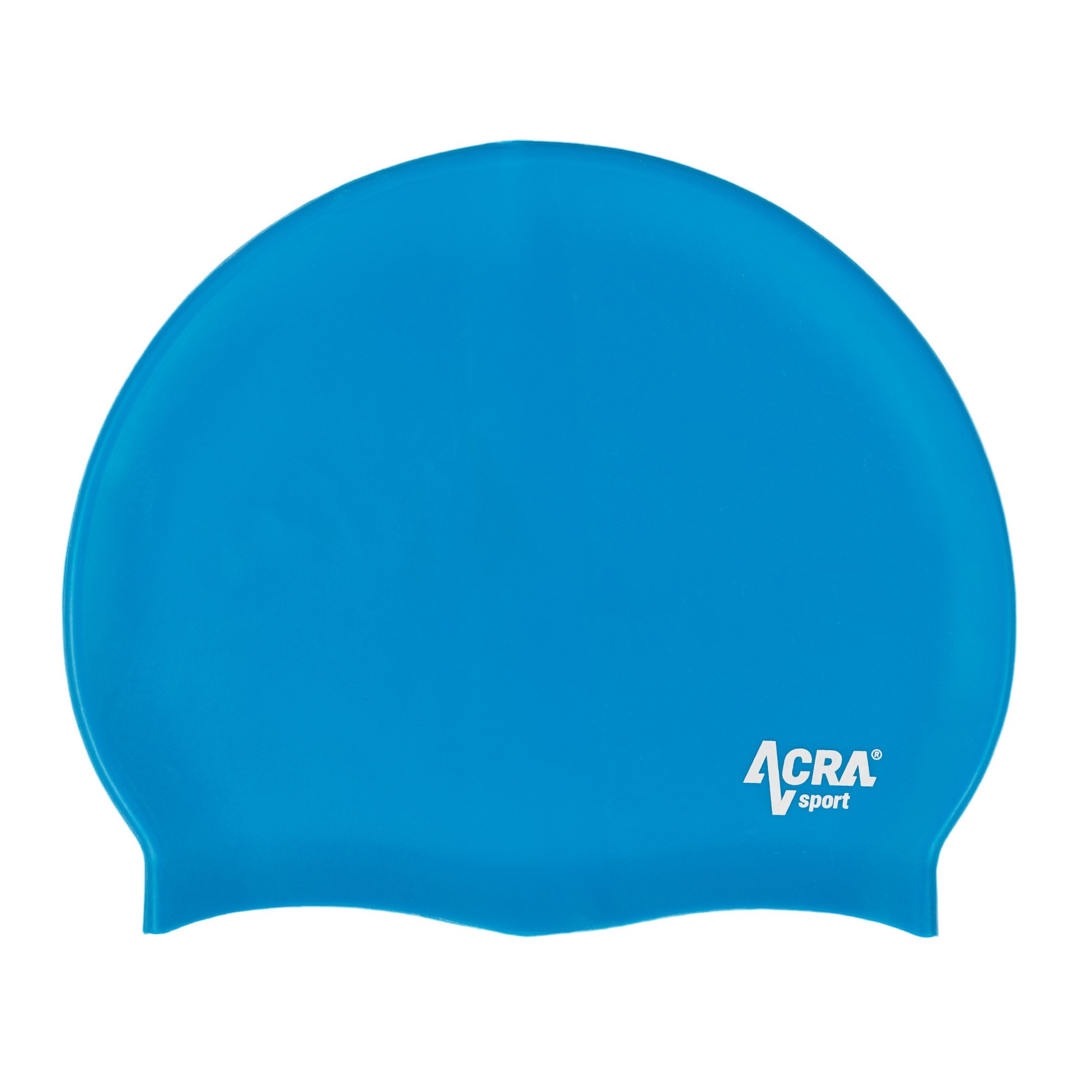
Acra LIGHT BLUE Swimming Cap – for comfort and protection in the water! Are you looking for a reliable and comfortable swimming cap for your workouts, relaxing in the pool, or a vacation at…

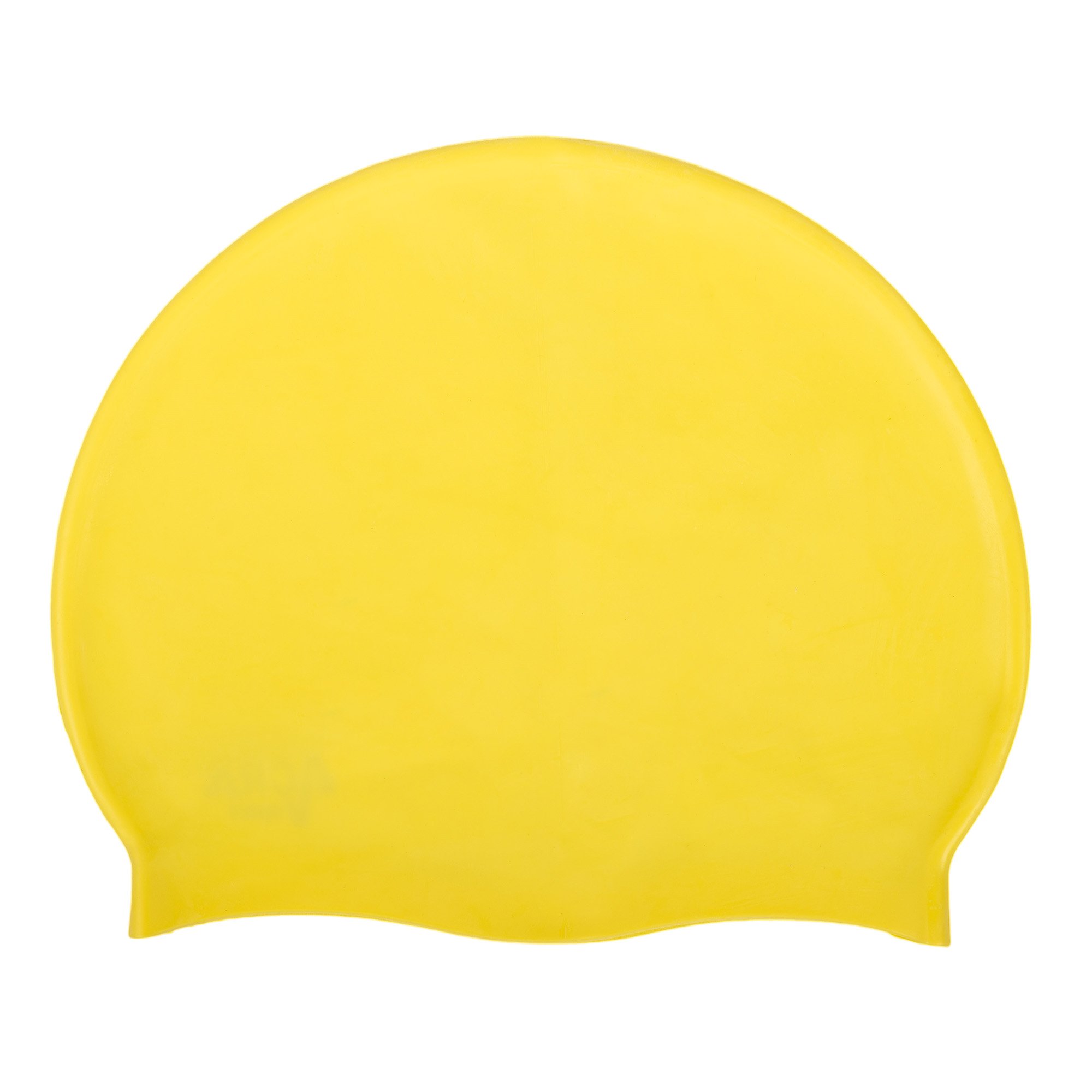
Acra YELLOW Swimming Cap – for comfort and protection in the water! Are you looking for a reliable and comfortable swimming cap for your workouts, relaxing in the pool, or a vacation at the beach?

NEMO Kids' Swimming Cap – for little swimmers with a smile! Cheer up your kids in the water with our fun swimming cap featuring the popular Nemo character!

PIRANHA Kids' Swimming Cap – for little swimmers with a fierce smile! Cheer up your kids in the water with our fun swimming cap featuring the popular piranha design!

NEMO Kids' Swimming Cap – for little swimmers with a smile! Cheer up your kids in the water with our fun swimming cap featuring the popular Nemo character!
Acra is a purely Czech brand that has been providing a full range of sports equipment for homes and rural playgrounds since 1991.
Customer Service Center
Feel free to write anytime
Call Mon–Fri, 6 a.m.–3 p.m.
Delivery Methods
Payment Methods