A trampoline can be a great way to exercise and have fun—as long as the size, stability, and safety features are right.
We offer trampolines with diameters ranging from approximately 114 to 429 cm, and you can filter by weight capacity, intended use (indoor/outdoor), and type of accessories.
Look for a smaller diameter, a safety net, and adequate spring covers.
The most common choice—it’s already more comfortable to jump on, but it’s not a giant model yet.
A larger diameter = more comfort and safer landings (more room for error).
The main considerations here are stability, weight capacity, and a reasonable diameter for an apartment or house.
Diameter + how much space around it
Be sure to account not only for the trampoline’s diameter, but also for the “safety zone” around it. A practical minimum is often cited as about 1 m of free space around the trampoline.
Example: for a diameter of 305 cm, this means having an area of over 5 m (305 cm + 2 × 1 m).
Weight Capacity
Allow for a margin of safety when considering the weight capacity. It’s not just about weight—jumping creates higher peak loads. (And for children, the rule is: “one jumps, the other waits.”)
Springs (number and quality)
Generally: more springs + a sturdy construction = a more comfortable bounce and more stable performance. As an example, for ACRA sets:
Construction and Legs (Stability)
For larger diameters, look for more “W-legs” (double legs)—this typically increases stability (e.g., the 429 cm model has 4 double W-legs).
Safety Net and Spring Cover (Safety)
It is essential that the safety net prevents contact with the springs and the frame. A common practical recommendation: a net designed to “overlap” the spring area is usually safer than a net that extends only behind the springs.
The spring cover should be sufficiently wide and padded (e.g., the replacement cover for the 429 cm model specifies a thickness of 2.5 cm and a width of approximately 31–32 cm).
Anchoring (Wind Protection and Peace of Mind)
In the garden, anchoring makes a lot of sense—it protects the trampoline from the wind and also makes it easier to handle.
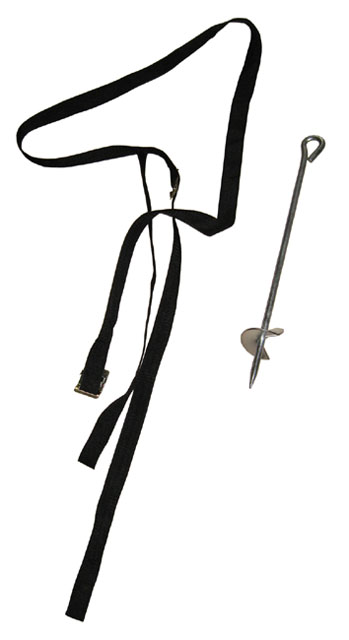
Recommendation: Anchors for 183–429 cm
(package includes 3 straps + 3 screw-in hooks; 2 sets are recommended for 366+ cm).
"I want a compact trampoline for kids"
“I want a smaller family trampoline”
“I want the most versatile size”
“I want a large trampoline for the family”
“I mainly want a trampoline for exercising at home”
Check out the entire category: Trampoline Accessories
Top 3 "Must-Haves" for the Garden
Anchors (wind, stability): Anchors 183–429 cm
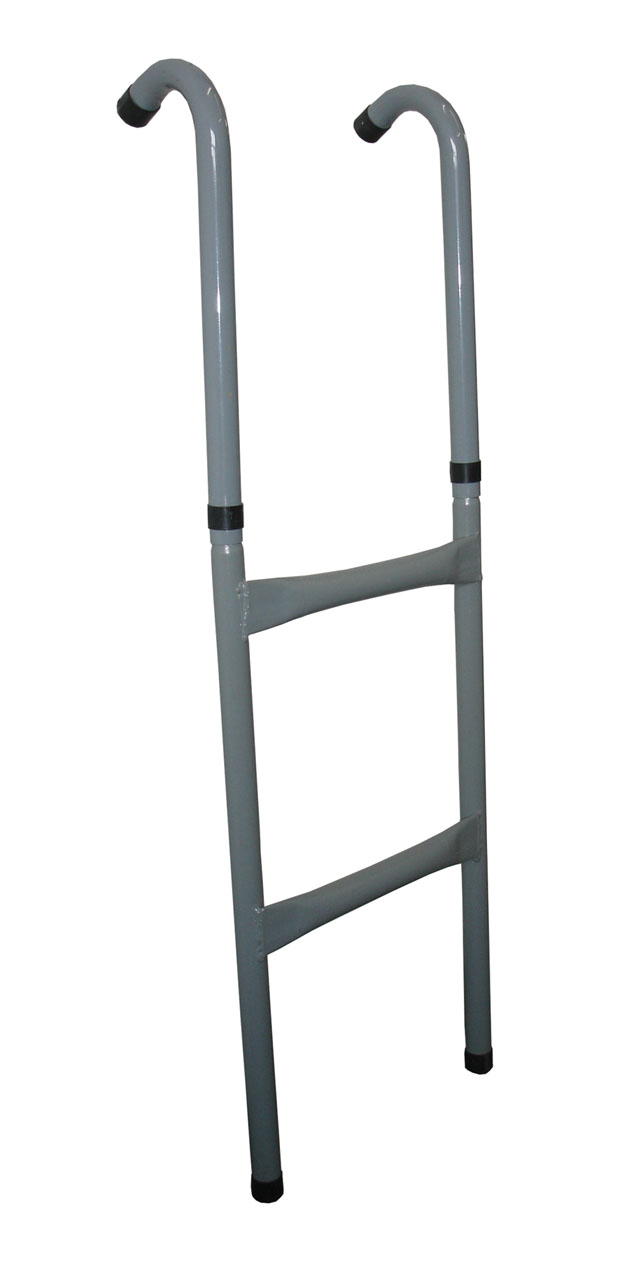
Ladder (easy access): 66 cm CAA25/2 ladder—suitable for 183/244 cm models, 90 kg weight capacity (too short for 305+ models).
Replacement Parts (when something wears out):
✔ Measure the space before clicking “Add to Cart.” Be sure to account for the trampoline plus the space around it (ideally about 1 m) and the height above the trampoline.
✔ The safety net and spring cover aren’t just minor details. They’re essential “safety features”—especially for children.
✔ Anchor the trampoline when it’s windy. For larger diameters, it makes sense to use a double set of anchors (spaced evenly around the perimeter).
✔ Tighten the connections after the first few jumps. It’s normal for outdoor equipment to “settle in” a bit.
✔ For winter: Remove sensitive parts. It’s often recommended to at least store the net and padding in a dry place; the springs can be treated with silicone oil.
✔ How many people can jump at once?
From a safety perspective, the most sensible approach is “one person jumps, the others wait.” Even the safety standard for home trampolines is designed for use by a single person.
✔ What size trampoline should I buy if I’m torn between two diameters?
Go with the larger one if you have the space. A larger surface area means more comfortable jumping and more room to land.
✔ Is it better to have the safety net “inside” or “outside”?
In practice, the safer option is one where the net also covers the spring area (reducing the chance of stepping on the springs or the frame).
✔ Where should I place the trampoline in the yard?
On a flat, solid surface, ideally with open space around it (at least about 1 m). Avoid placing it near walls, fences, branches, and hard obstacles.
✔ I feel like the trampoline isn’t bouncing as much—what could be causing this?
Most often, it’s due to wear and tear on the springs or the jumping mat. The good news is that we also carry replacement springs and other parts.
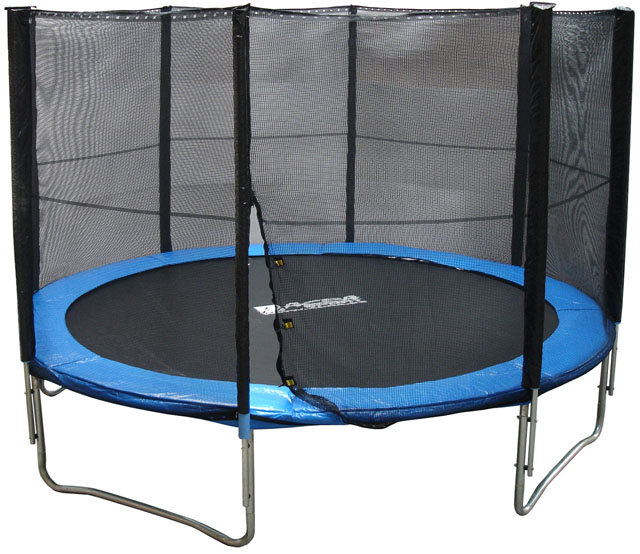
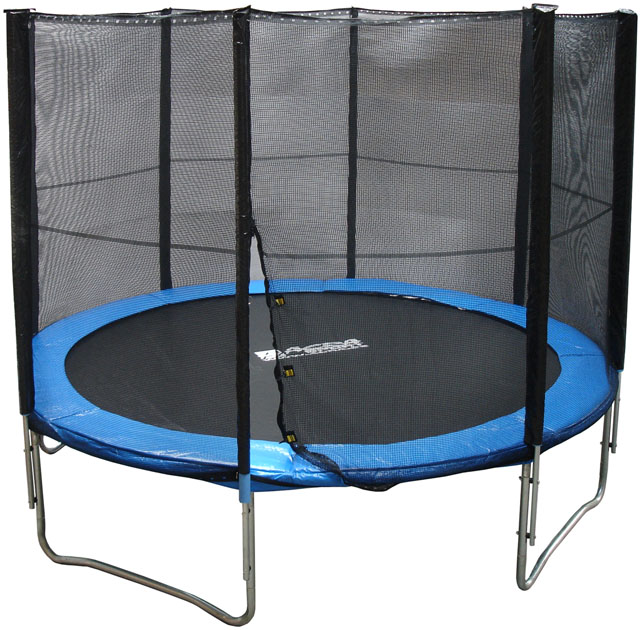
The ACRASPORT 429 cm trampoline set comes with a safety net and a spring cover. The ladder and the safety mat for the jumping surface are optional accessories.
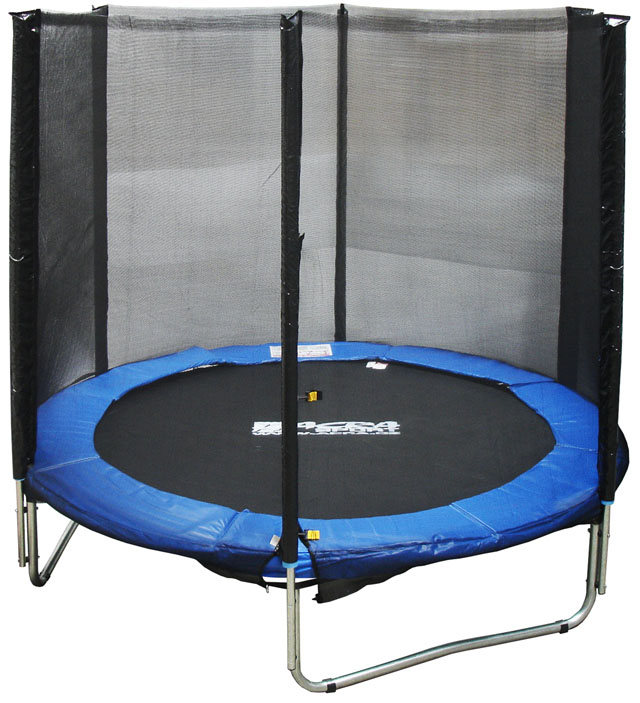
The ACRASPORT trampoline set comes with a safety net and a spring cover. The steps, like the protective cover for the jumping mat, are optional accessories.
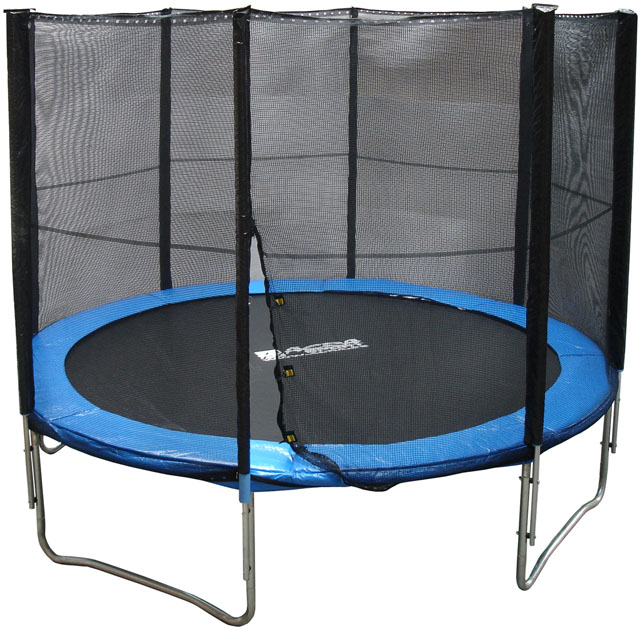
The ACRASPORT 305 cm trampoline set with three double W-legs comes with a safety net and a spring cover.
Steps for outdoor trampolines are designed to make it easier to access the trampoline’s jumping surface. A lightweight and sturdy metal frame with a protective coating, two steps made of steel or…

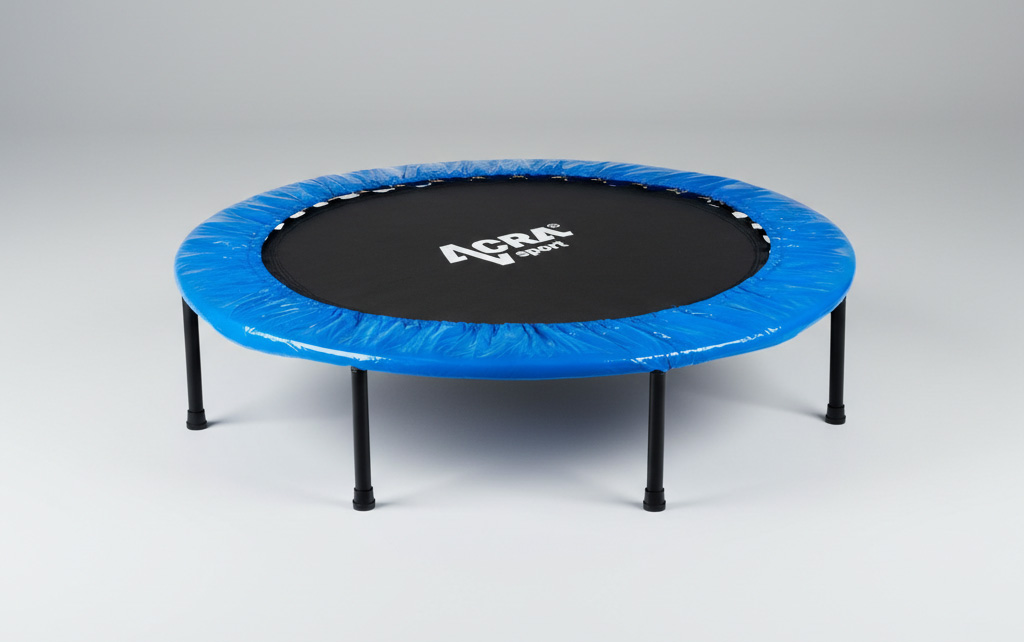
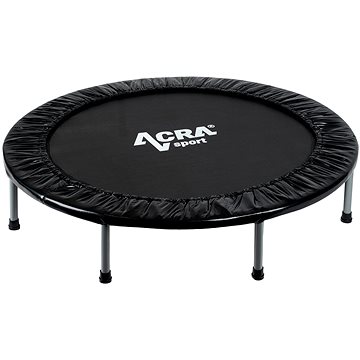
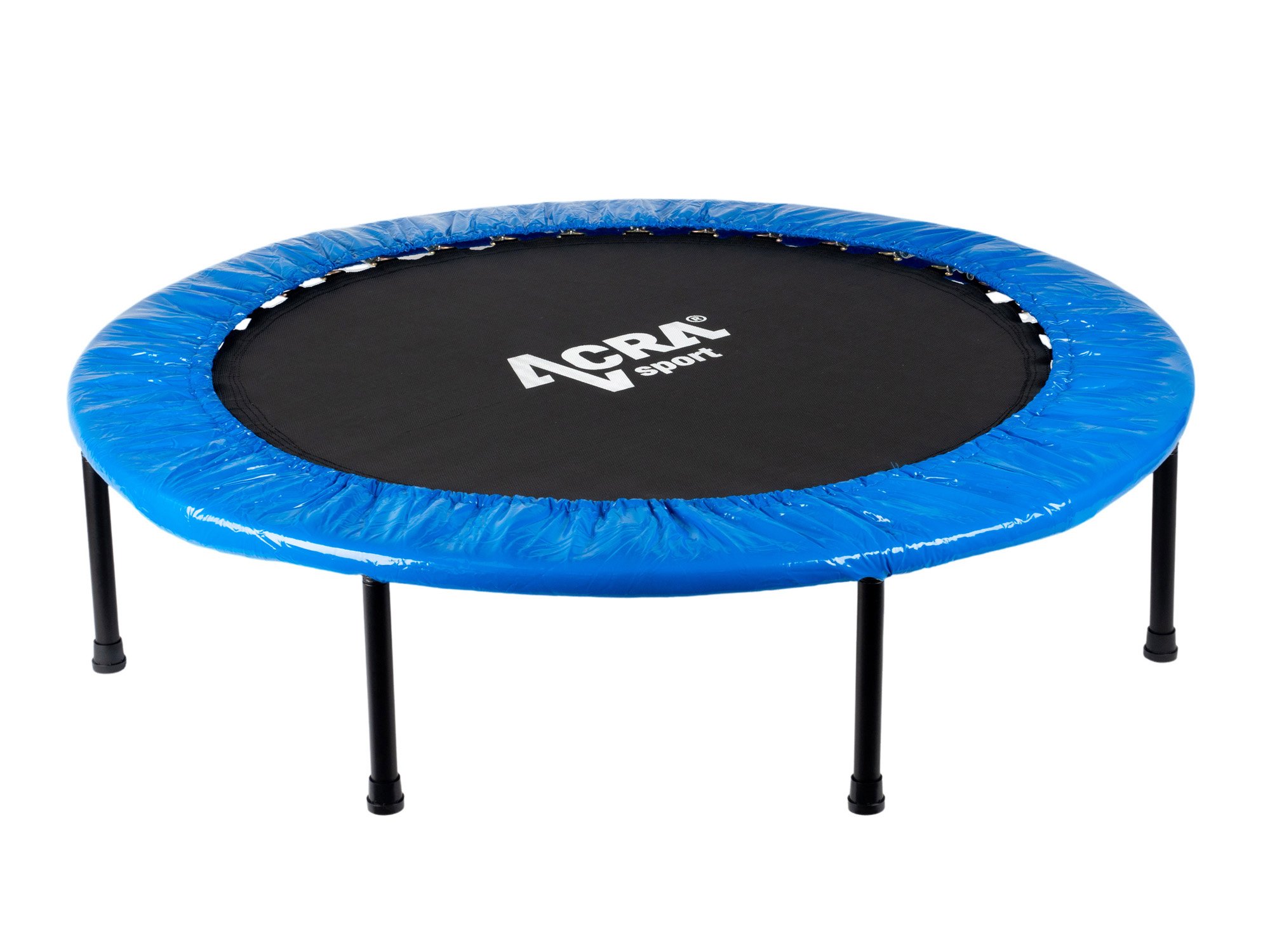
Acra Trampoline for Outdoor and Indoor Use, Black A trampoline is a popular exercise tool that doesn't take up much space. It is suitable for use in gyms and at home.

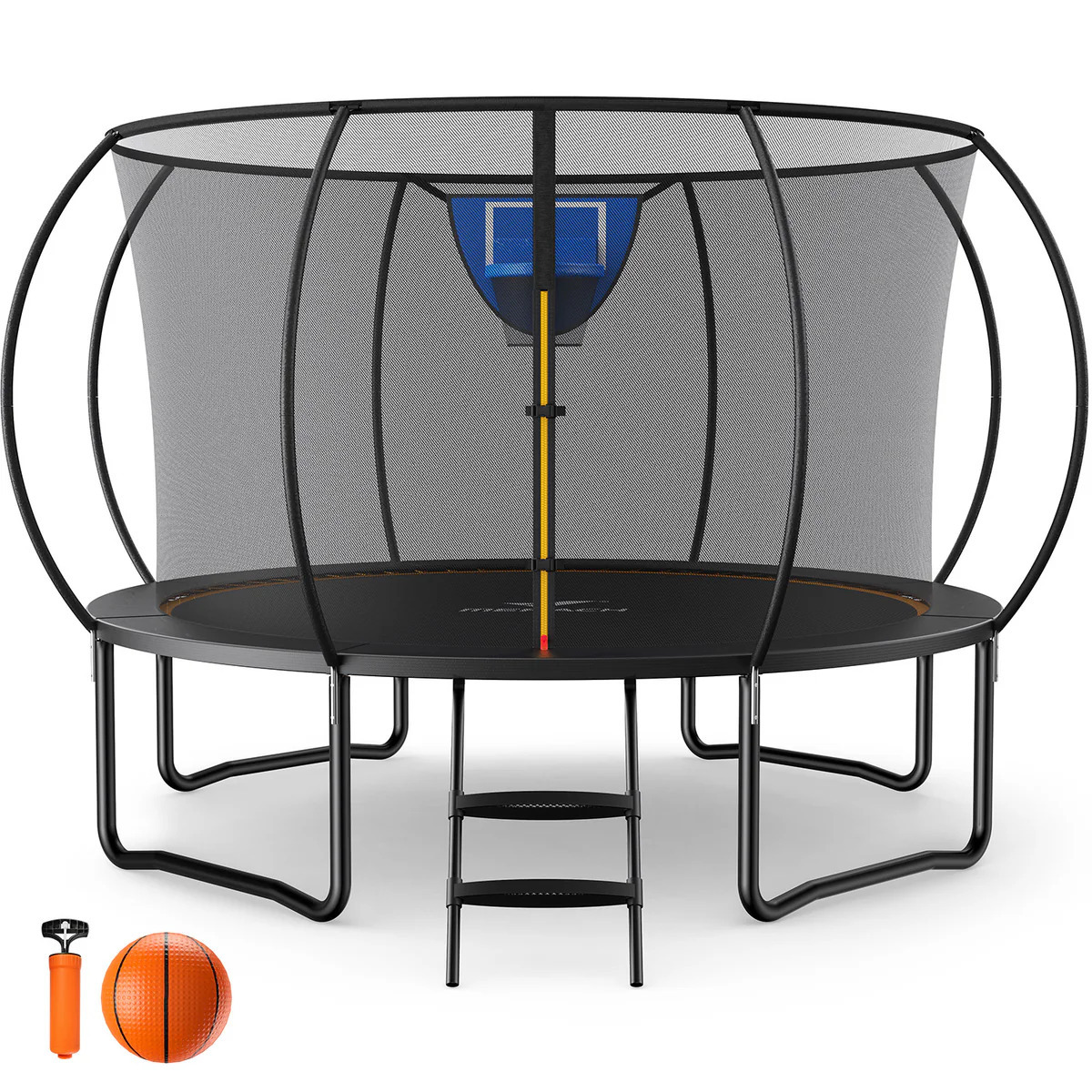
Treat your family to a top-of-the-line garden trampoline that pushes the boundaries of fun. The Merach model isn't just about jumping—thanks to the included basketball hoop and ball, you can turn every afternoon into an exciting sports match.
The trampoline anchoring kit is designed for any round or rectangular trampoline. It serves two main purposes—to allow the trampoline to be moved without the legs coming loose and…

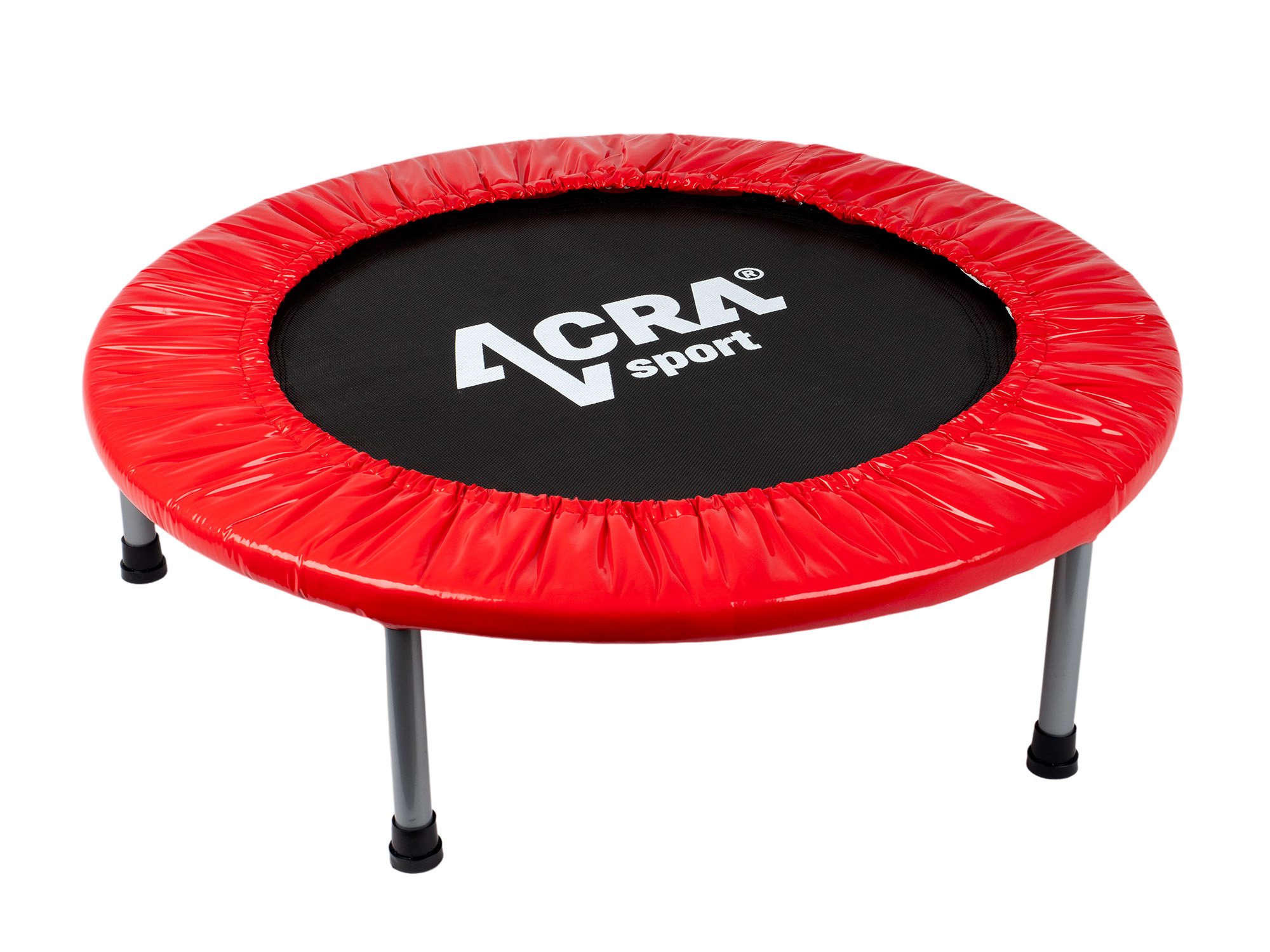
Acra Trampoline for both outdoor and indoor use; this red trampoline is a popular exercise tool that doesn’t take up much space. It’s suitable for use in gyms and at home.

Acra Trampoline for Outdoor and Indoor Use, Blue A trampoline is a popular exercise tool that doesn't take up much space. It is suitable for use in gyms and at home.

The ACRASPORT 305 cm trampoline set comes with a safety net and a spring cover.
Acra is a purely Czech brand that has been providing a full range of sports equipment for homes and rural playgrounds since 1991.
Customer Service Center
Feel free to write anytime
Call Mon–Fri, 6 a.m.–3 p.m.
Delivery Methods
Payment Methods