Whether you box to stay in shape, work on your technique, or just want to relieve stress at home—having the right equipment makes all the difference. This guide will help you choose exactly what you need.
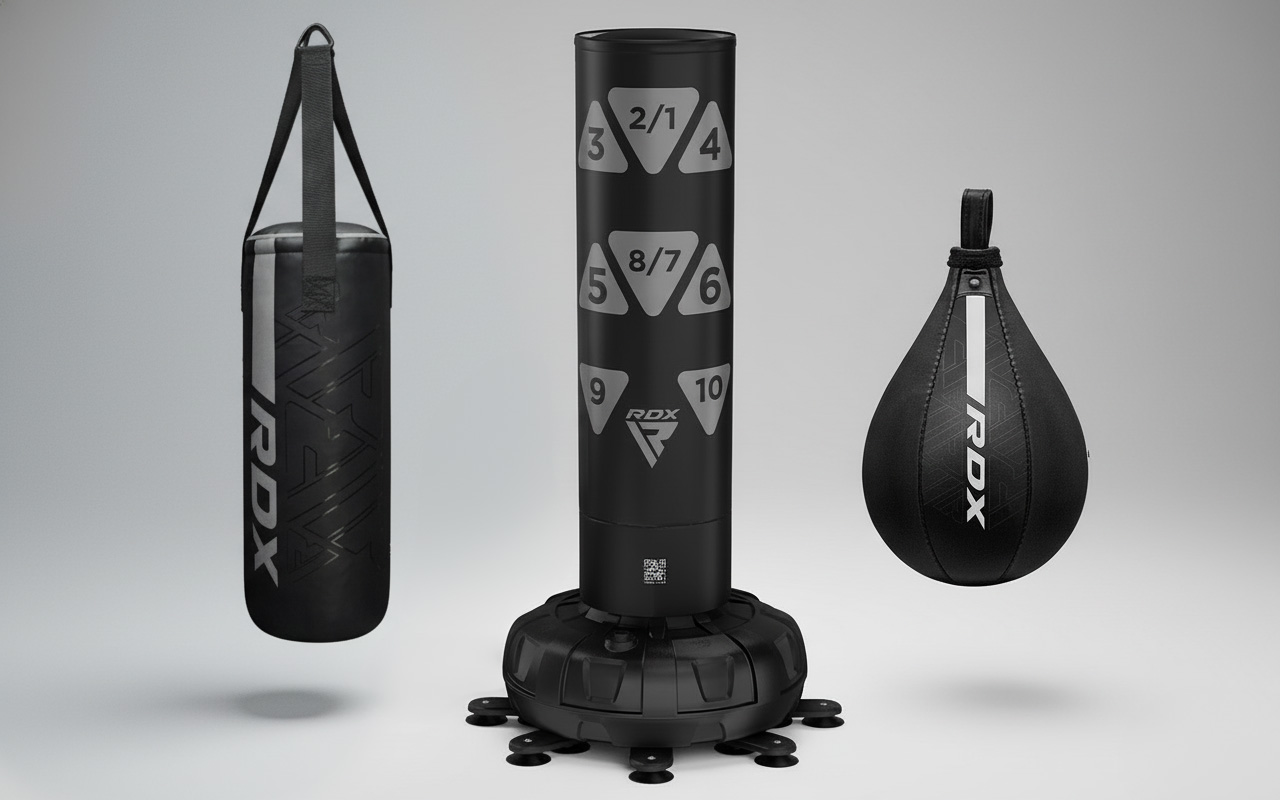
A punching bag, speed bag, and focus mitts serve different purposes—each piece of equipment develops different skills. Before buying, ask yourself one basic question: What do you want to improve through your training?
Punching bag
Powerful punches, kicks, endurance, and technique. The foundation of any home gym for anyone who wants a full-fledged combat workout or intense cardio.
Speed bag
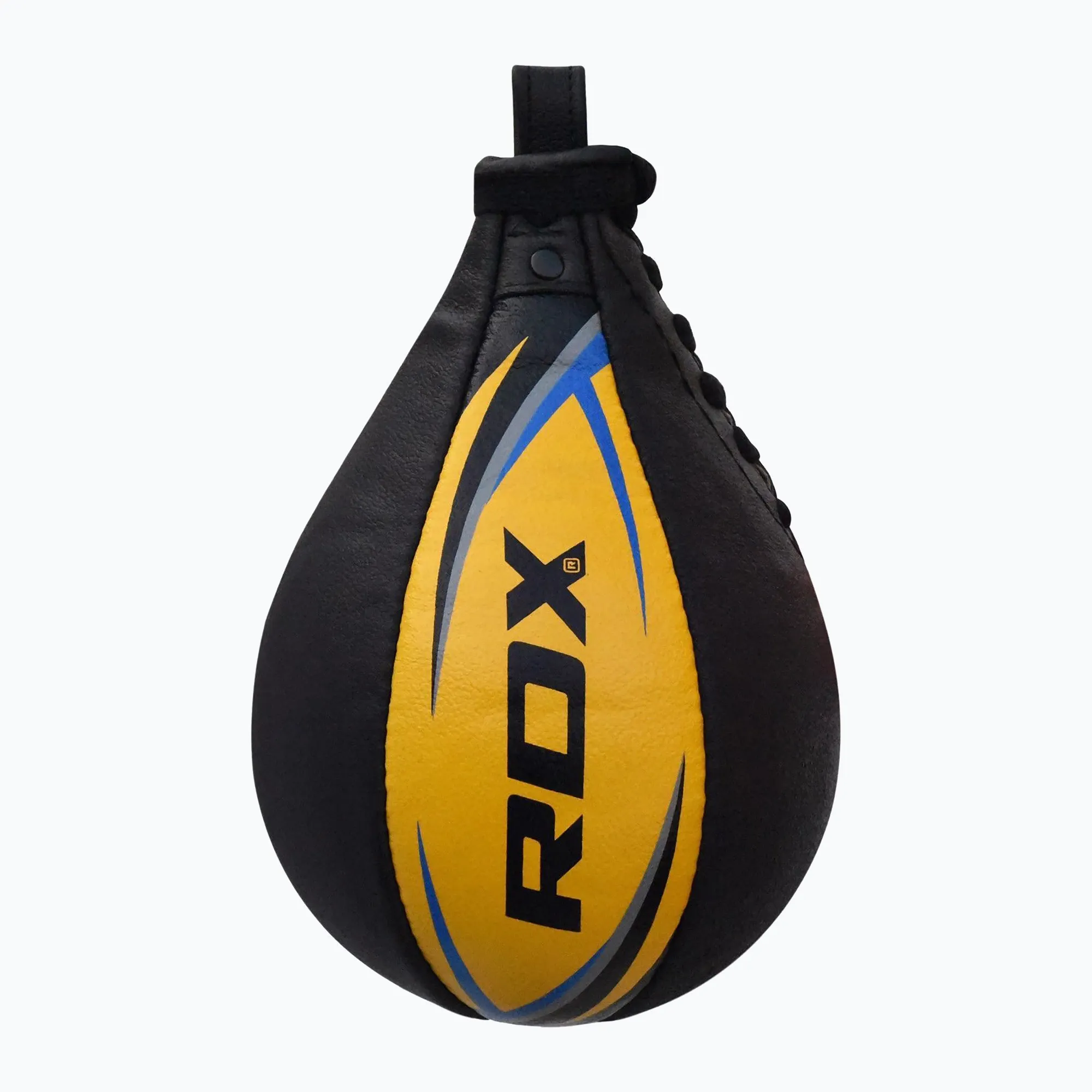
Speed, rhythm, reflexes, and hand-eye coordination. Smaller and lighter than a punching bag—ideal for conditioning training or as a supplement to a punching bag.
Focus pads
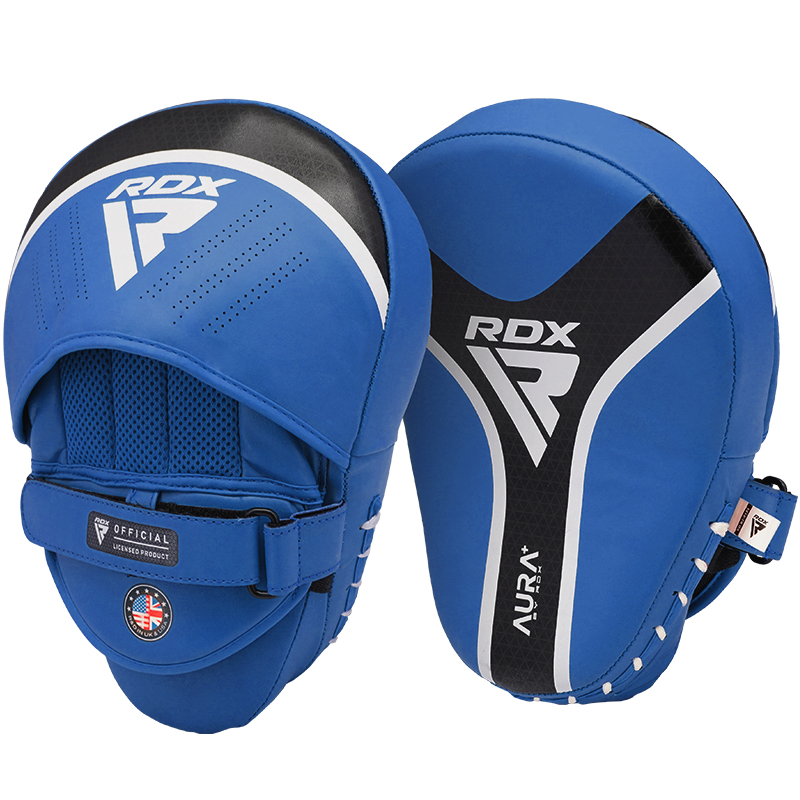
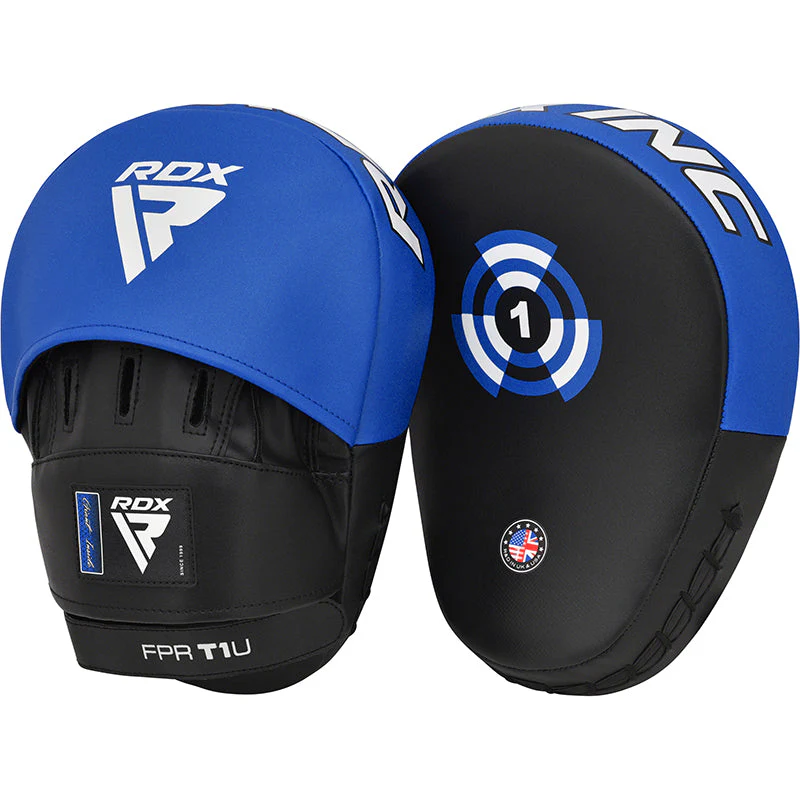
Strike accuracy, combinations, and movement with a partner. A trainer or sparring partner holds the focus pads while you practice targeted sequences according to their instructions.
Thai blocks
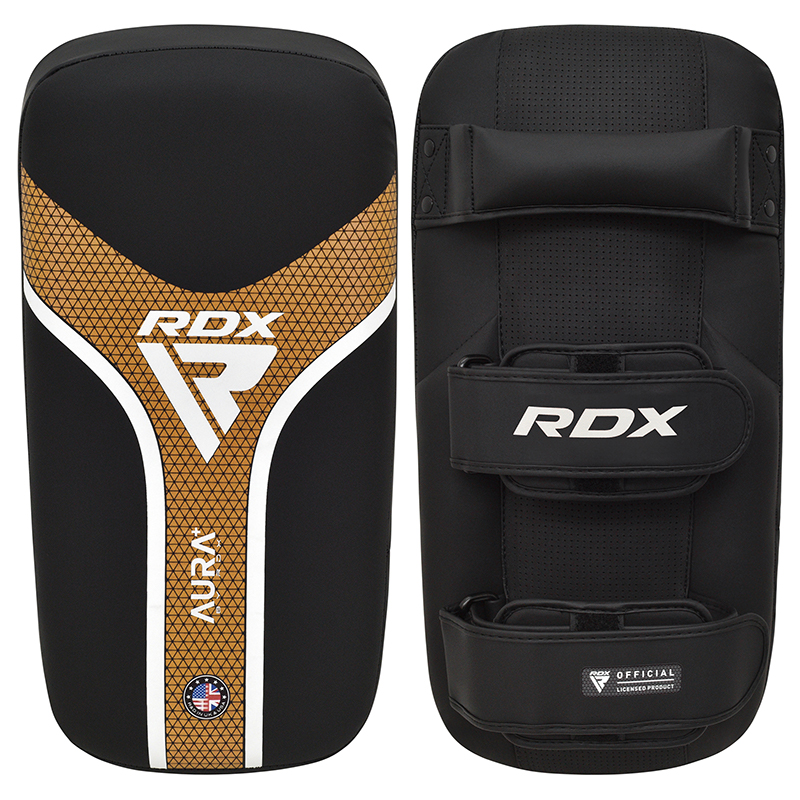
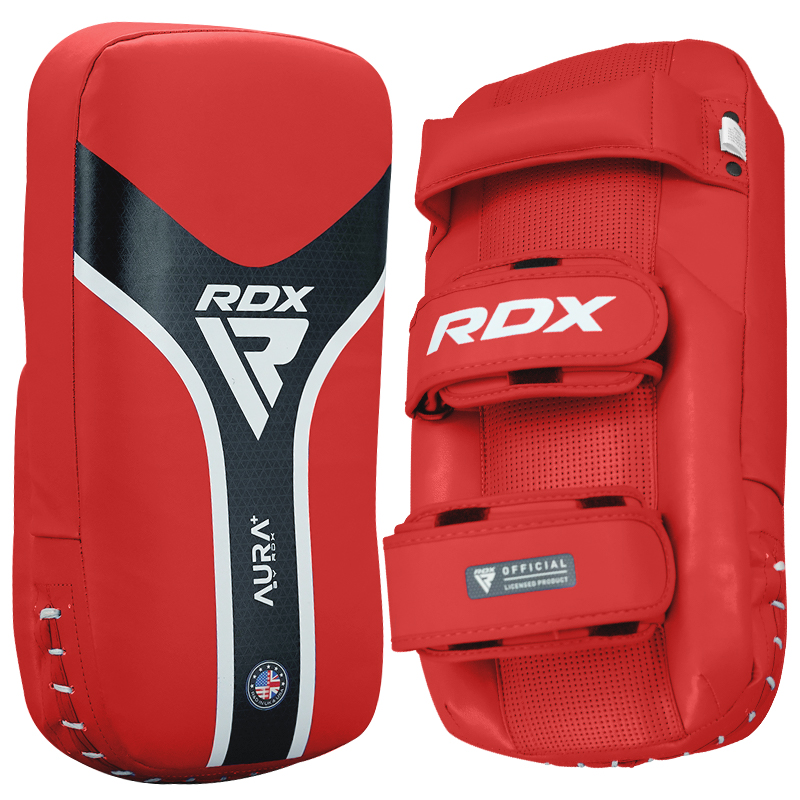
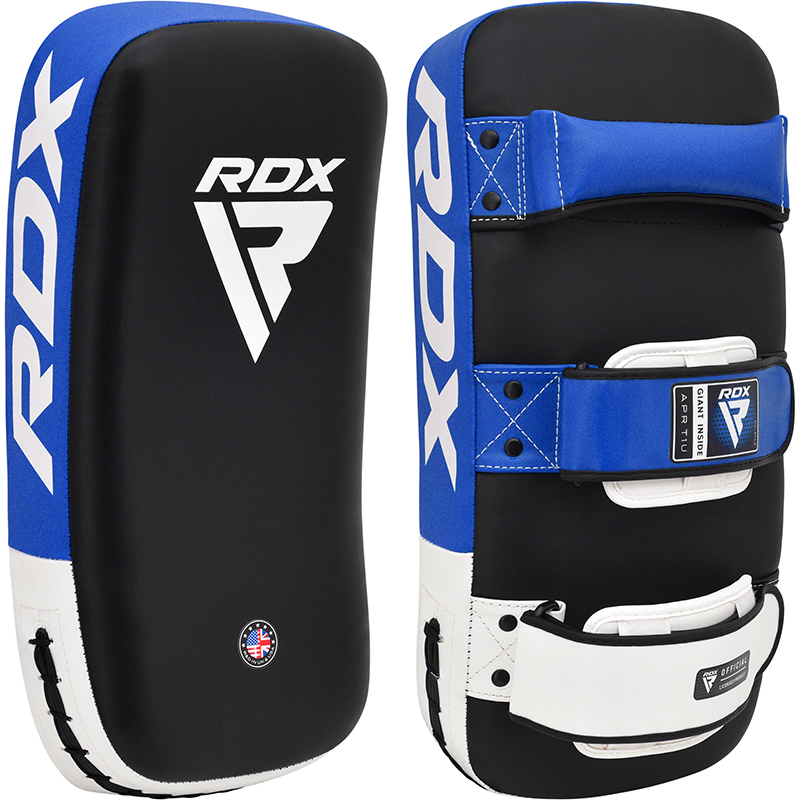
Specifically designed for kicks, knees, and Muay Thai or MMA combinations. Larger and sturdier than focus pads, they absorb harder impacts from shins and knees.
TIP: The most effective combination for home training? A punching bag + a speed bag. The bag builds strength and endurance, while the speed bag develops speed and accuracy. Focus pads and Thai blocks are best used in pairs with a coach or partner.
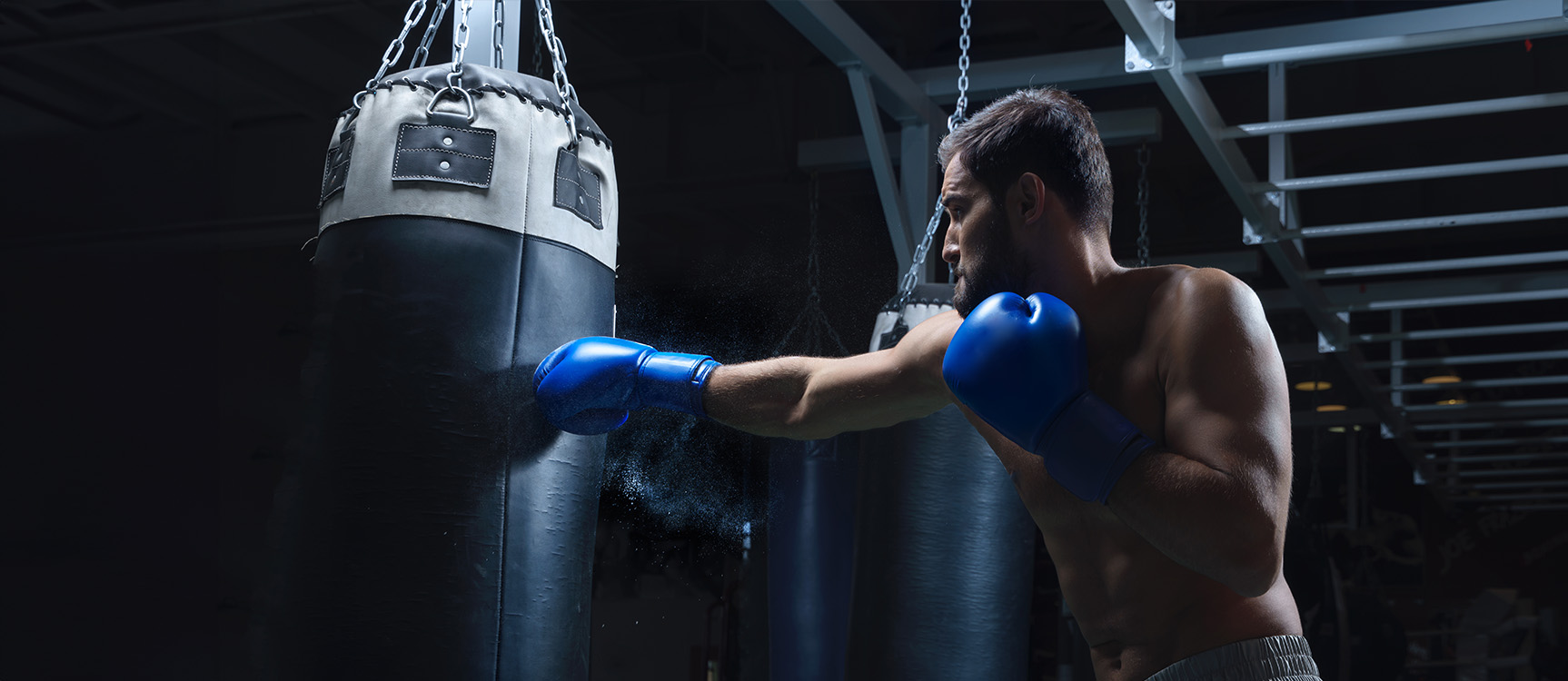
A punching bag is essential equipment for anyone who wants to practice boxing, kickboxing, or Muay Thai—or just get a good stretch and work up a sweat. When choosing one, focus on three key factors: mounting type, weight, and length.
Hanging Punching Bag
The most natural movement of the bag, ideal for intense training. Requires mounting to the ceiling or wall—make sure the structure can support at least 3 times the weight of the bag.
Freestanding Punching Bag
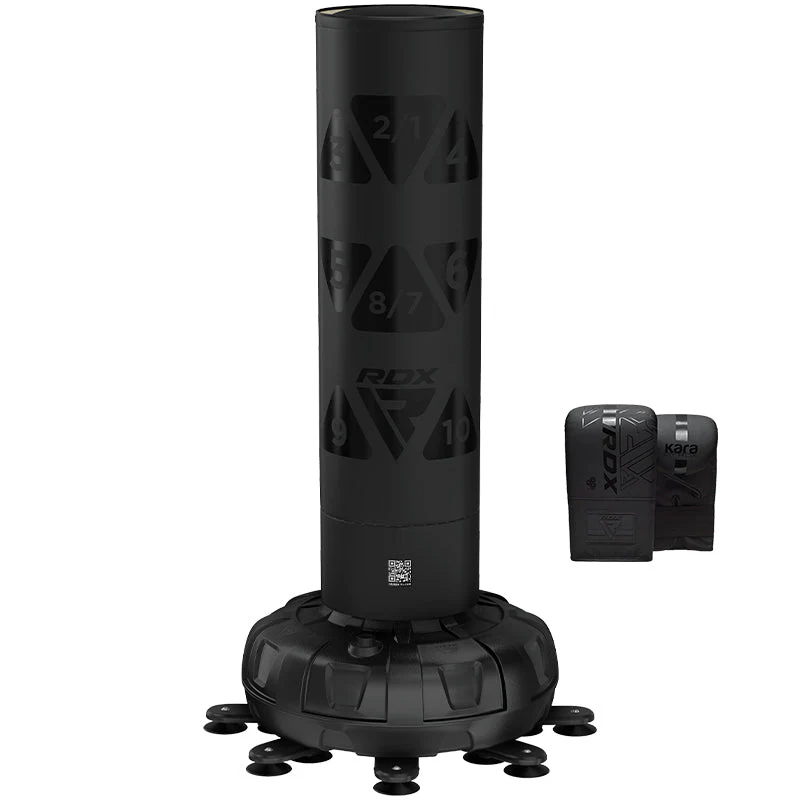
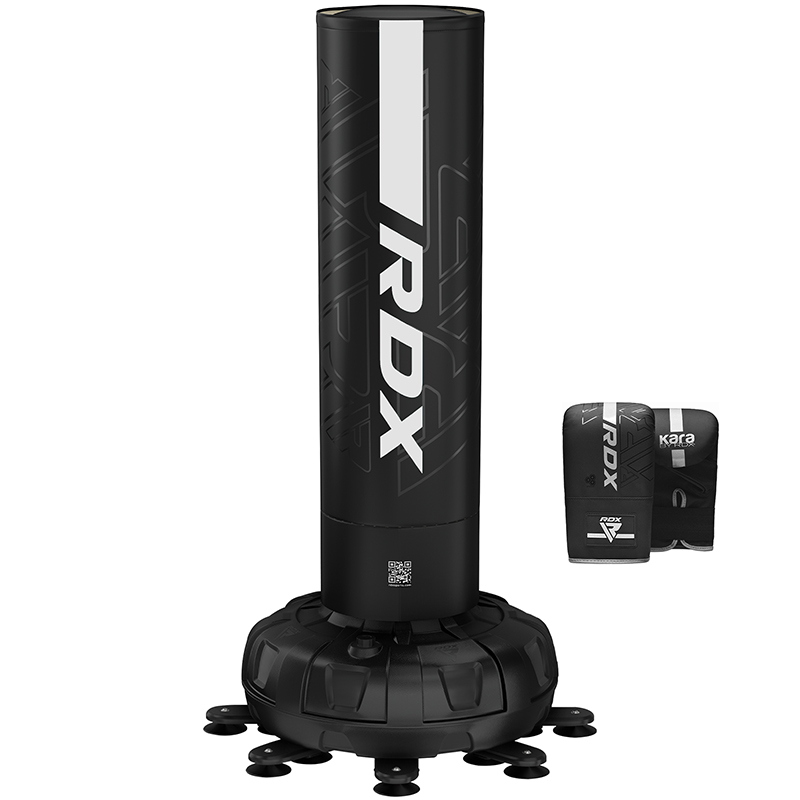
No drilling required; can be moved anywhere. Fill the base with water or sand for stability. The ideal solution for renters or spaces with fixed ceilings.
Set (punching bag + gloves)
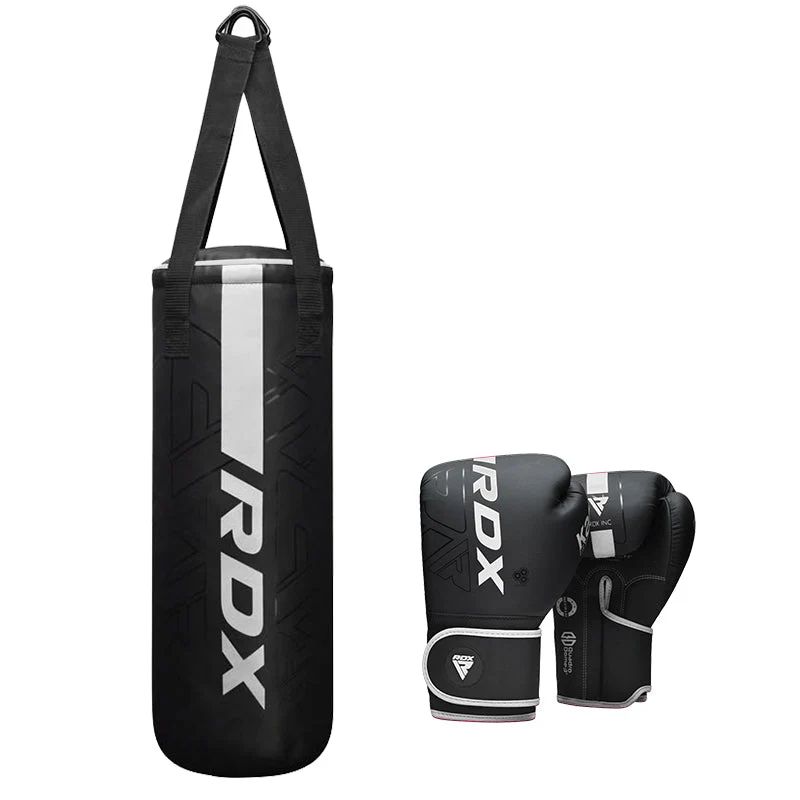
Everything in one package—punching bag, chain, and gloves. A great starter kit for beginners that eliminates the need to buy accessories separately.
The correct weight depends on your own weight and fitness level. A bag that’s too light will swing uncontrollably. One that’s too heavy, on the other hand, will slow down your rhythm.
| Athlete’s Weight | Recommended bag weight | Level |
| up to 60 kg | 25–30 kg | Beginner / Fitness |
| 60–80 kg | 30–40 kg | Recreational training |
| 80–100 kg | 40–50 kg | Advanced / boxing |
| 100 kg and above | 50–80 kg | Competitive / Professional |
Rule of thumb for fitness training: the weight of the bag should be approximately half your body weight. For more experienced boxers with a powerful punch, it should be 70–80% of your body weight.
| Bag Length | Suitable for |
| up to 120 cm (4 ft) | Hand strikes only, beginners, fitness |
| 130–150 cm (5 ft) | Combination of punches and low kicks |
| 150–185 cm (6 ft) | Full training in kicks, knees, kickboxing, Muay Thai, and MMA |
The RDX products in our lineup use Maya Hide™ leather and its enhanced version, NTearx™—a synthetic leather with exceptional tear resistance, suitable for intense daily training.
A speed bag is smaller and more agile than a traditional punching bag. It's ideal for speed training, practicing accuracy, coordination, and reflexes. After each hit, it bounces back—and your job is to hit it again.
Hanging Speed Bag
Mounts to the ceiling or a wall bracket. Fastest rebound—great for rhythmic speed training and practicing combinations.
Pole-Mounted Speed Bag (Stand-Up)
Stands on a base filled with water or sand. No drilling required; can be moved. The pole absorbs impacts, and the speed bag returns to its original position.
Reflex ball (reflex bag)
Suspended on a rubber rope between the floor and the ceiling. It maximally trains reaction speed and hand-eye coordination.
What not to use the speed bag for: The speed bag is not designed for powerful punches or kick training. A punching bag is intended for those purposes. Protect the speed bag from excessively hard strikes—this could damage the material or the base.
Punching pads and Thai blocks are essential tools for training with a partner or coach. While the punching bag builds raw strength, punching pads and Thai blocks develop accuracy, combinations, movement, and reaction time.
| Equipment | Suitable for | Features |
| Focus pads | Boxing, kickboxing – hand strikes | Smaller size, quick movement, training for accuracy and combinations |
| Thai blocks | Muay Thai, kickboxing, MMA | Large, curved pads that absorb kicks to the shins, knees, and powerful combinations |
Note on size: Curved Thai blocks are designed to naturally intercept kicks. The proper curvature cushions the impact for the coach holding them and protects their wrists and forearms.
Boxing and combat sports are excellent training for children—they develop coordination, physical fitness, concentration, and self-discipline. Children’s punching bags and sets are designed for lower weights and smaller sizes to ensure that training is safe and fun.
Size 2 FT (≈ 60 cm)
For children ages 4–5. Lightweight, colorful design; the set usually includes 6 oz. children’s gloves.
Robo 4W Punching Bag
A playful design for the youngest fighters. Double-layered Maya Hide material, Zero Impact filling—gentle on a child’s joints.
We recommend: Always check that the set includes gloves of the appropriate size (6 oz) for children. Do not buy a bag that is heavier than what is appropriate for the child’s age—the child risks unnecessary strain on their wrists.
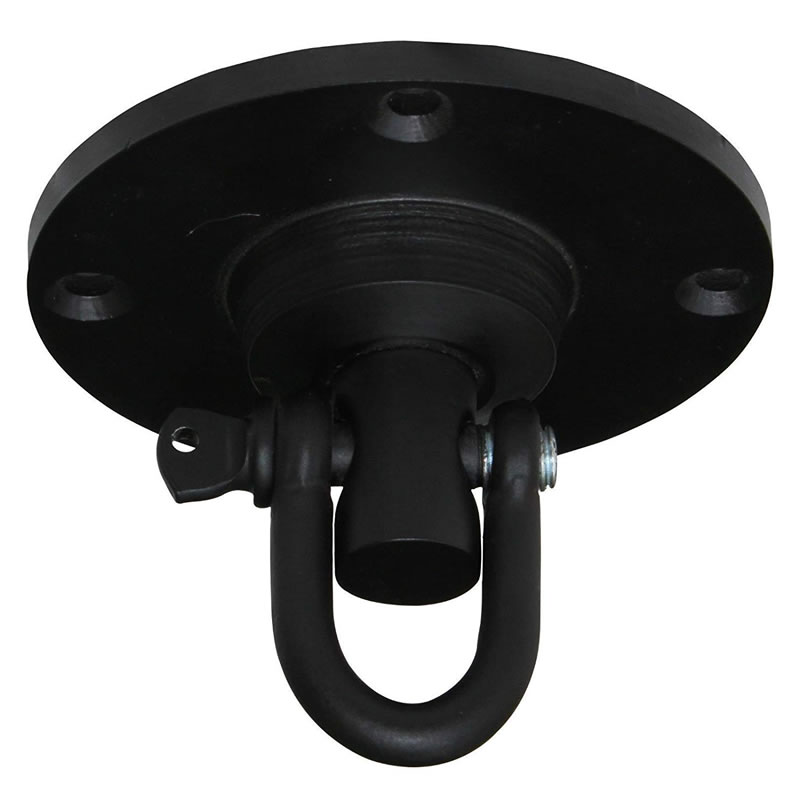
A hanging punching bag also needs to be securely mounted to function properly. An unsuitable hanger or a chain that is too short can affect the bag’s movement and, in extreme cases, cause it to fall, resulting in damage to the equipment or injury.
| Product | What It’s For |
| RDX X14 Chain | A suspension system for punching bags weighing up to 100 kg. Made of high-tensile steel with a space-saving design. You cannot hang the bag without this chain. |
| RDX X1 Wall Mount | Steel wall bracket for hanging the bag approximately 70 cm from the wall. Suitable for areas where you cannot drill into the ceiling. |
Remember: Do not extend the chain length by adding another chain—each bag has preset suspension lengths for optimal movement. If you need a different suspension height, adjust the ceiling mount, not the bag’s chain itself.
Which punching bag should a complete beginner choose?
To start with, we recommend a freestanding bag that comes with gloves as a complete set—that way, you don’t have to worry about drilling holes or buying accessories. The bag’s weight shouldn’t exceed 35 kg. The RDX F6 Kara 3-in-1 set is a great choice.
Do I need to wear boxing gloves, or is it okay to train with my bare hands?
Definitely not with your bare hands. Boxing gloves protect your wrists, joints, and skin. Without them, you risk painful injuries after just your first workout. Boxing wraps worn under the gloves are the ideal accessory.
How do I fill the base of a freestanding punching bag?
Fill the base with water (easier and faster) or dry sand (more stable, heavier). Water is suitable for less intense training; sand provides greater stability during harder punches and kicks. Always adhere to the maximum filling capacity specified in the manufacturer’s instructions.
What is the difference between a boxing bag and a Muay Thai/MMA bag?
For boxing, a shorter bag (up to 120–130 cm) is sufficient. For Muay Thai and MMA, where you train shin kicks, knee strikes, and kicks to the midsection, you need a bag at least 150 cm long—ideally 6 FT (182 cm). A shorter bag does not allow you to train kicks naturally.
How do you care for a leather punching bag?
After training, wipe down the bag with a damp cloth to remove sweat and dirt. About once a month, treat the surface with leather conditioner or a special care product—this will extend the life of the material. Do not store the bag in direct sunlight or in freezing conditions.
How long should a boxing bag workout last?
For beginners, 3–4 rounds of 2 minutes each with a 1-minute break is sufficient. As your fitness improves, extend the rounds to 3 minutes and increase the number of rounds. Warm up for at least 10 minutes before each workout—this will protect you from unnecessary wrist and joint injuries.
Are lap pads suitable for solo training?
Punching pads are primarily designed for training in pairs—one person holds them, the other boxes. For solo training, it’s better to use a punching bag or speed bag. The exception is special wall-mounted pads (makiwara / wall pads), which can be attached to a wall.

Punches, knees, elbows, kicks—our Thai protective gear is designed for intensity and performance. Strike for strike, these are among the most durable protective gear on the market today.

Punches, knees, elbows, kicks—our Thai protective gear is designed for intensity and performance. Strike for strike, these are among the most durable protective gear on the market today.

This stylish Speedball spinning ball, plated with black nickel and made from the strongest, highest-quality steel, is built to last a lifetime.
Unleash the champion within with the RDX F6 2FT KARA children's punching bag and gloves in white! Let your child discover the joy of boxing with this amazing set.

These focusing pads are designed to withstand repeated use and include an added Quick-EZ strap and a palm cup that allows for easy gripping and retraction.
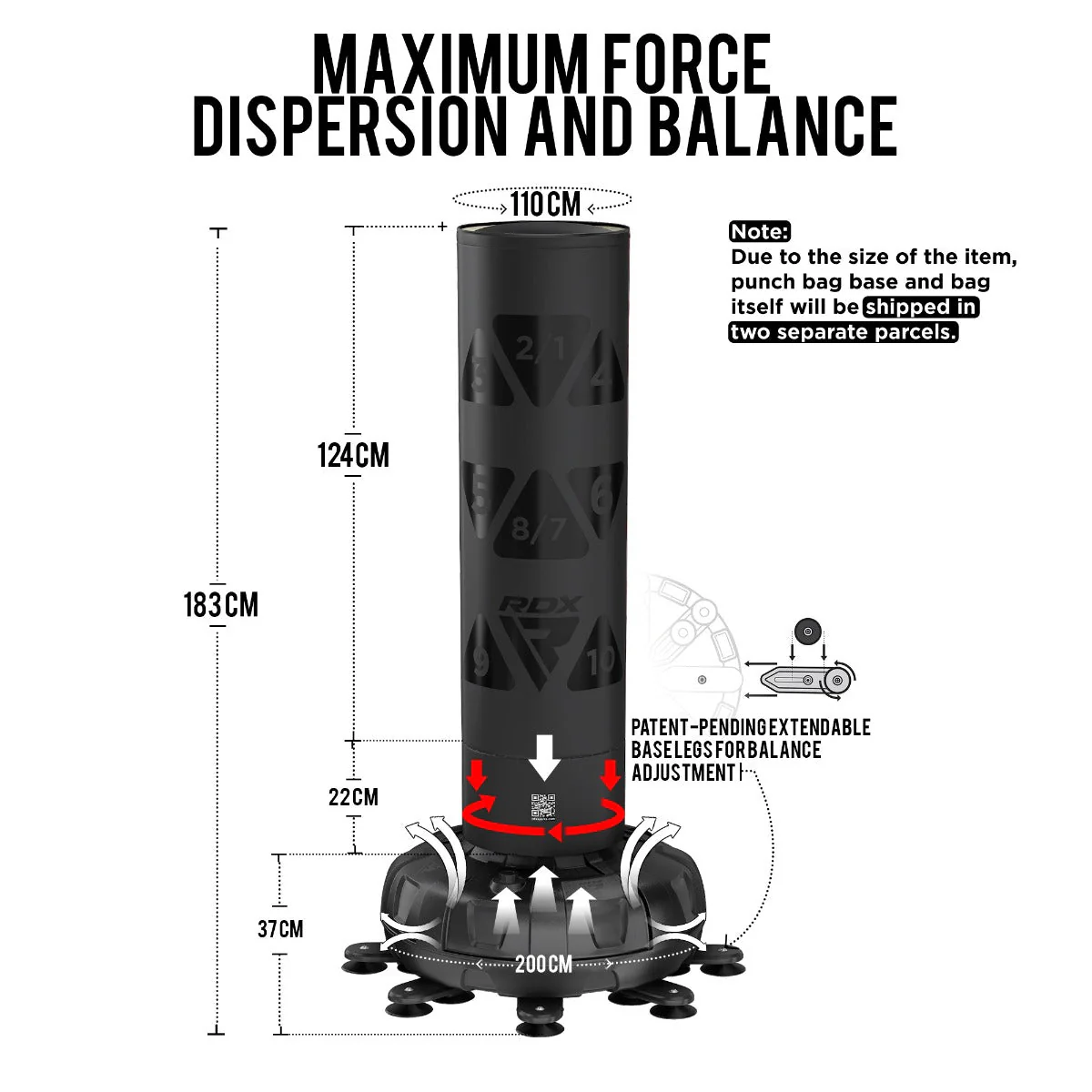
Unleash your full potential with the RDX PBS-KTB-6FT, the legendary freestanding punching bag from the Ronin series!

If you're looking for Muay Thai or kicking pads that can withstand sessions with even the most relentless training partners, these curved and padded Thai pads will…

If you want to take your martial arts skills to the next level and experience a workout like no other, the RDX Kara freestanding punching bag is the perfect choice for you.
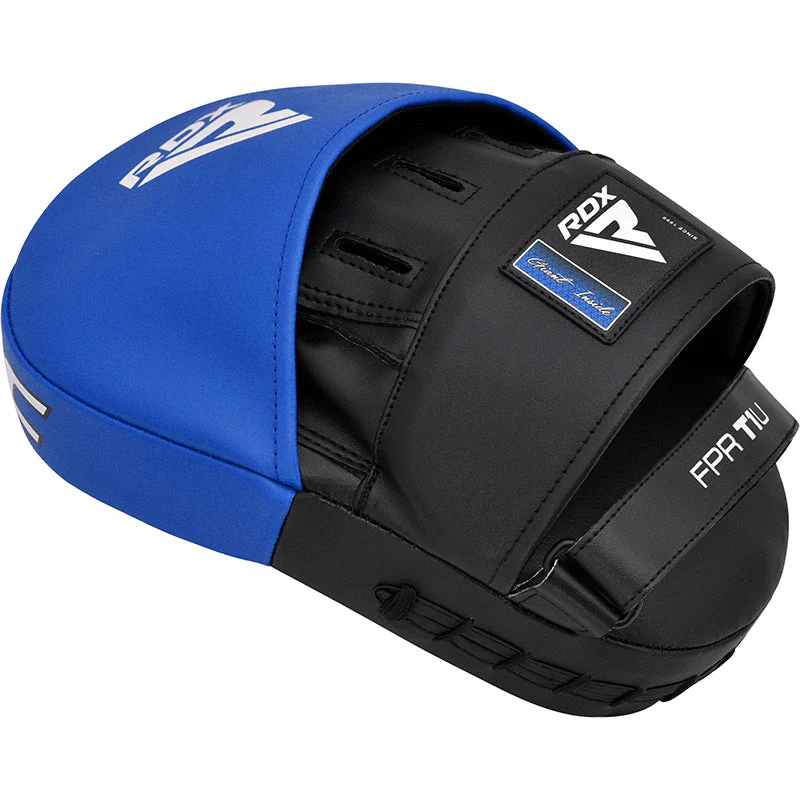
RDX T1 Curved Boxing Guards: Boost your performance and protect yourself like a pro! • Maximum protection: Thanks to their gel padding and foam filling, these guards absorb even the…

Acra is a purely Czech brand that has been providing a full range of sports equipment for homes and rural playgrounds since 1991.
Customer Service Center
Feel free to write anytime
Call Mon–Fri, 6 a.m.–3 p.m.
Delivery Methods
Payment Methods