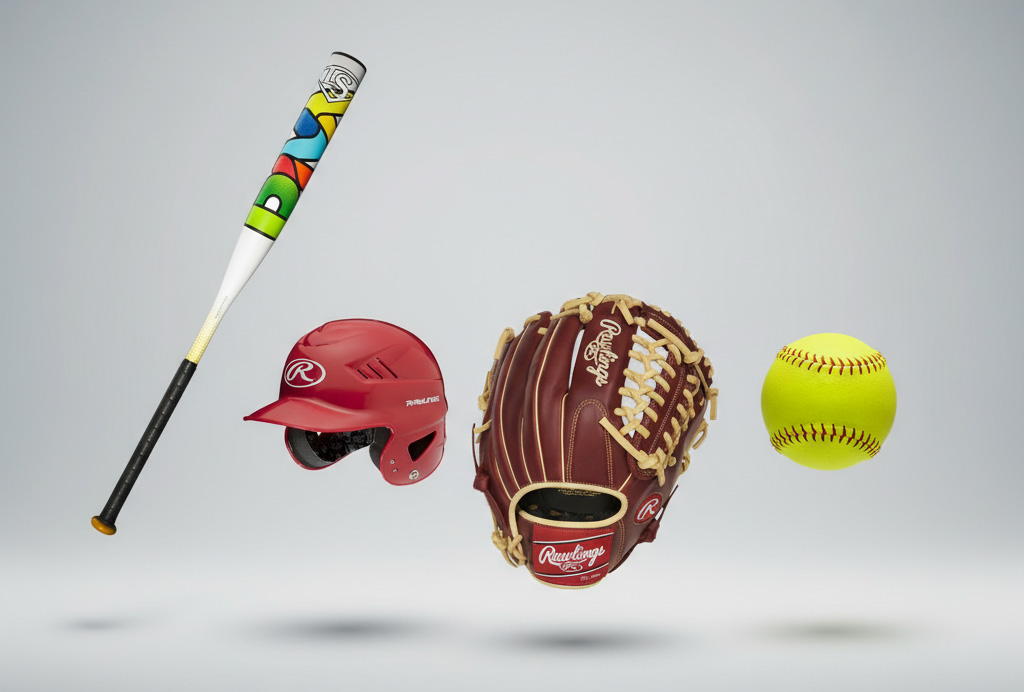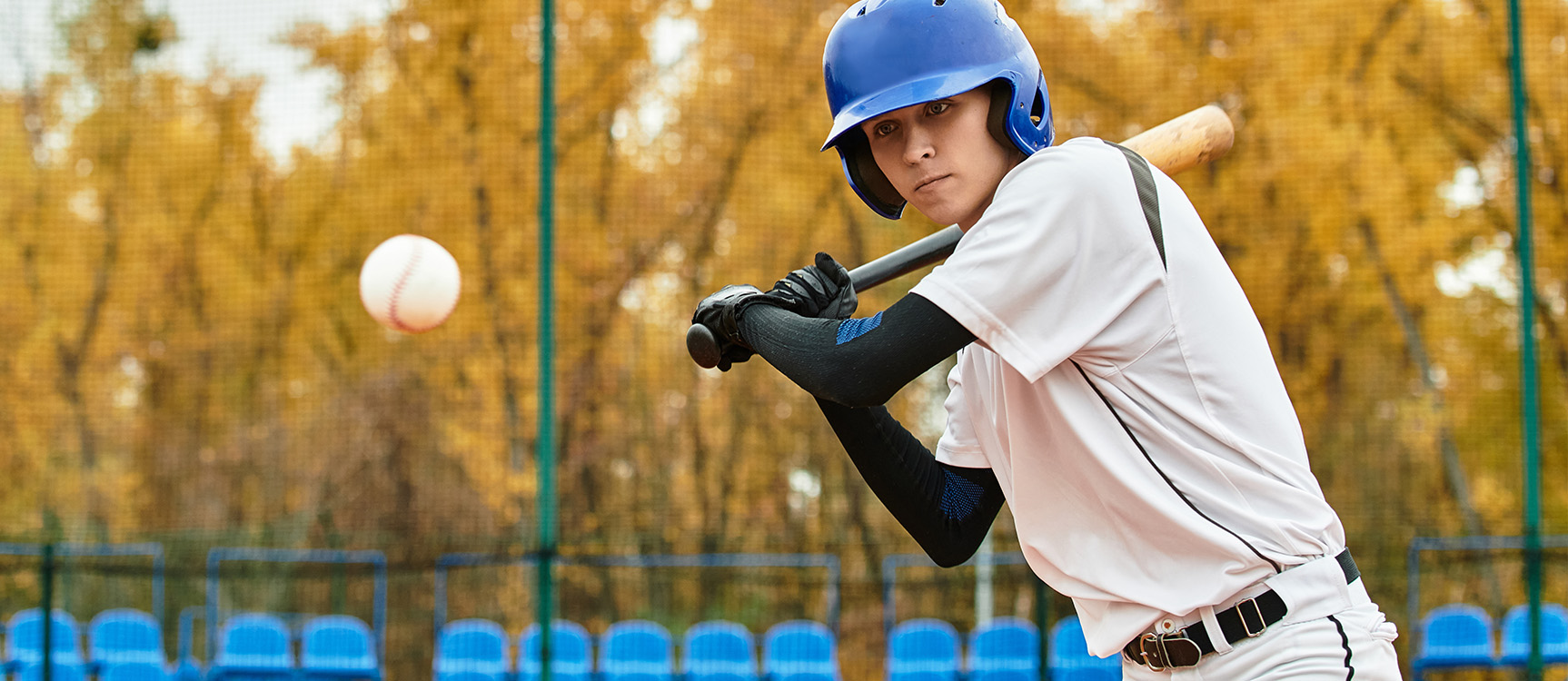
Do you just want to “go for a hit,” or are you looking for equipment for regular training and matches?
In the Baseball and Softball category, you will find mainly balls, bats, gloves, helmets and face masks – the basics for safe and enjoyable play for children and adults alike.
At first glance, they look similar, but the differences are reflected in the choice of ball, bat and protective gear:
Balls → for training, games and beginners
Are you looking for a classic baseball or 11″/12″ softball? When it comes to balls, you can quickly decide whether you want a harder game ball or a softer training ball (very forgiving on first throws and hits).
Bats → length, weight and “ease of swing”
A bat is not just about the brand – it is important that it fits your hand. We offer bats of various lengths and “drops” (lighter bats are easier for beginners to swing).
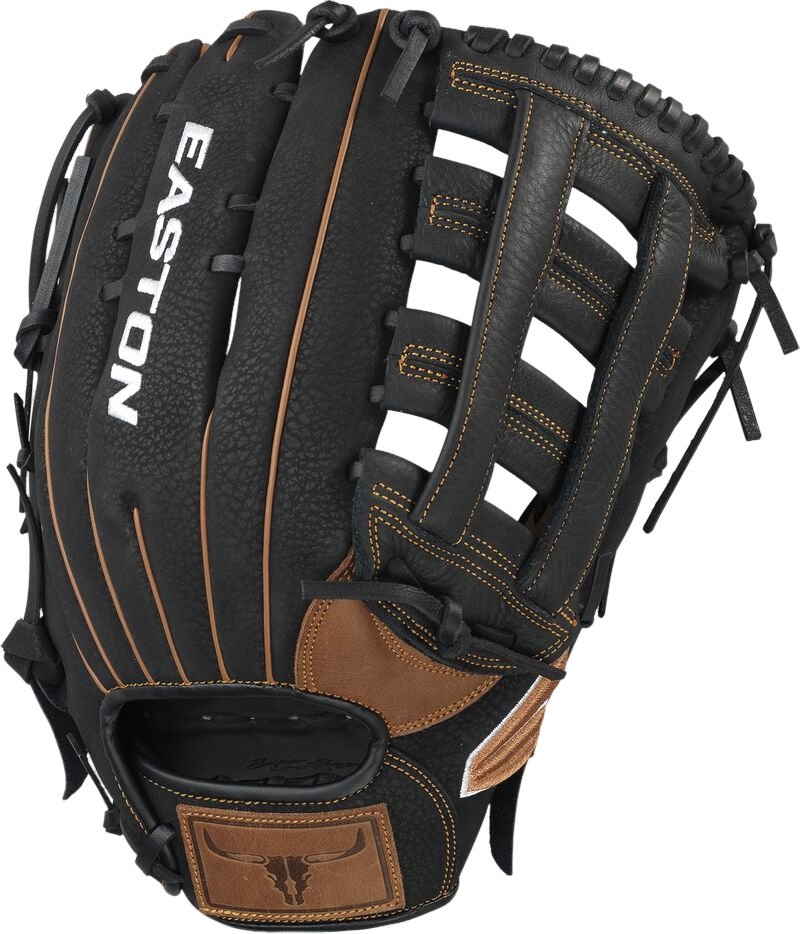
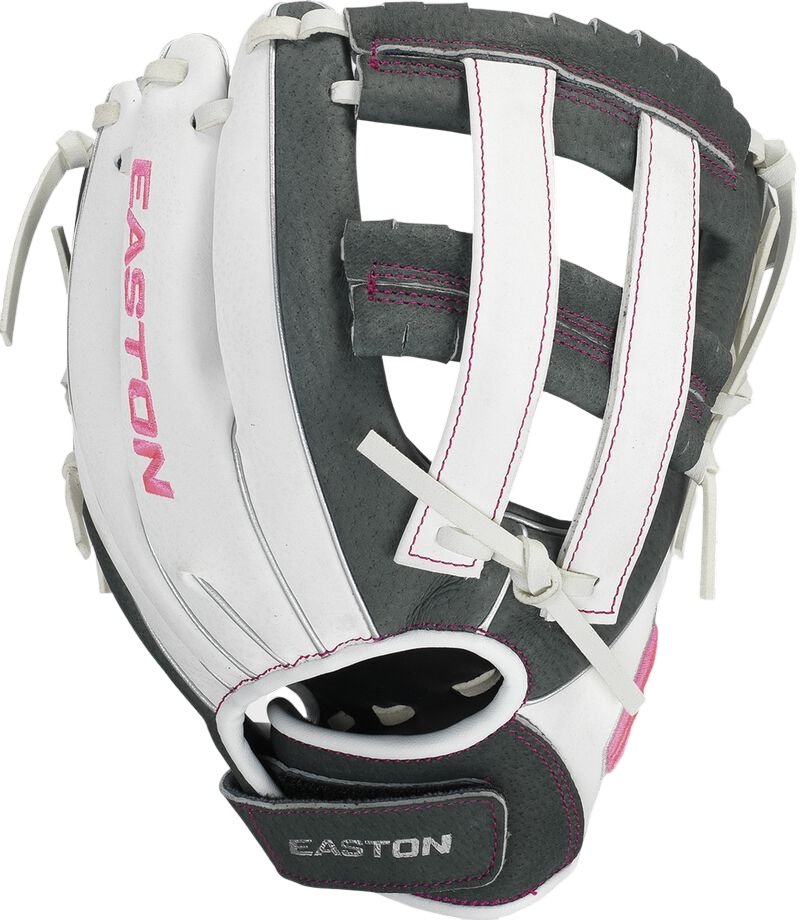
Gloves → according to hand, size and position
First, check which hand you throw with (the glove is selected according to this). Then consider the size in inches and, if necessary, the position – there are also special gloves, e.g. for first basemen.
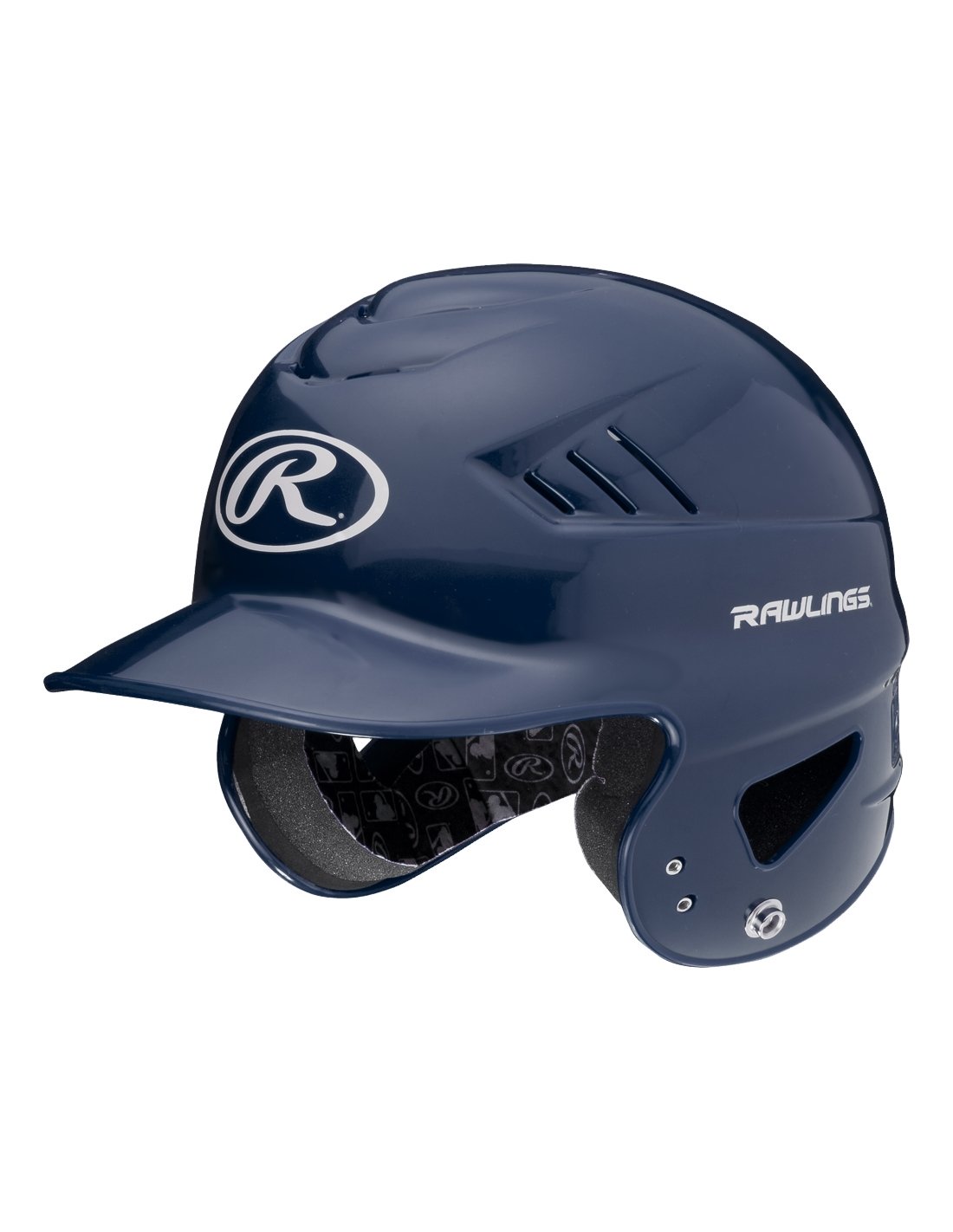
Helmets → peace of mind (and safer training)
For beginners and children, a helmet is almost always worthwhile. Choose according to size and consider a face mask – just make sure it is compatible with the specific helmet model.
Everything in one place → when you want to compare the entire range
Just want to quickly see what’s in stock and what gear best suits your playing style? Check out the entire category.
Size – in our country, you will typically encounter sizes 9″ / 11″ / 12″ (baseball most often 9″, softball typically 11″ or 12″).
Training vs. match – training variants (e.g. “safety” or dimple) forgive mistakes and protect your hands and glove.
Surface and durability – if you play outdoors on hard surfaces, a more durable ball is worth the investment.
Tips from our range (training):
The most common mistake with bats is “I’ll take the first one I like”. However, the bat must be the right length and weight – and for young people, certification is often a deciding factor.
3 main parameters:
Length (in inches) – shorter = faster swing and better control, longer = greater reach.
Drop (e.g. -10, -12) – difference between length and weight; the more negative the number, the lighter the bat (easier swing for children/beginners).
Certification/competition rules – some leagues require specific approval.
Tip from the offer (youth baseball):
Tip from the offer (younger fastpitch softball):
When it comes to gloves, first decide one thing: which hand you throw with.
What to focus on:
Tip from the offer (first base / softball):
A helmet isn’t just for “pros.” If you train regularly (or if you’re a child or teenager), it’s often the most important piece of equipment you have.
What to look for:
Tip from the range (youth):
Tip from the range (face mask):
✔ Baseball or softball – do I need to worry about this?
Yes, mainly because of the size of the ball (baseball ~9″, softball typically 11″/12″) and often the type of bat.
✔ How do I know the right ball size?
Go by the sport + age/competition. ACRA offers standard sizes of 9″/11″/12″.
✔ What does “drop -10” or “-12” mean for a bat?
It is an approximate indication of the ratio of length to weight – the more negative the number, the lighter the bat is and the easier it is to swing (often for children and beginners).
✔ Right-handed/left-handed gloves – how not to get confused?
Always consider which hand you throw with. The glove is on the opposite hand to the one you throw with. (For some models, this is specified directly in the name/variant.)
✔ How do I know the right glove size?
In general: smaller thumb size = more control (children/infield), larger = greater reach and deeper basket (outfield/softball). ACRA offers sizes ranging from approximately 10″ to 13″.
✔ When does it make sense to consider a helmet and face mask?
For children and regular training, it’s a good idea to start right away – a helmet that meets standards (e.g. NOCSAE) + the option to add a face mask is a safe bet.
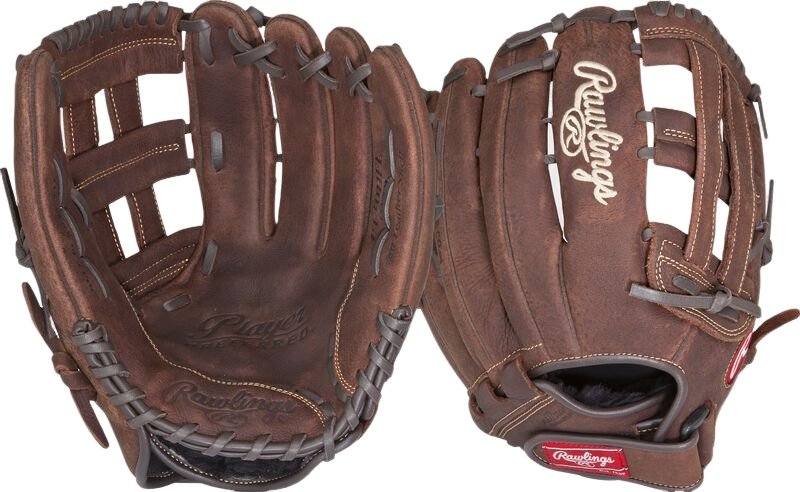
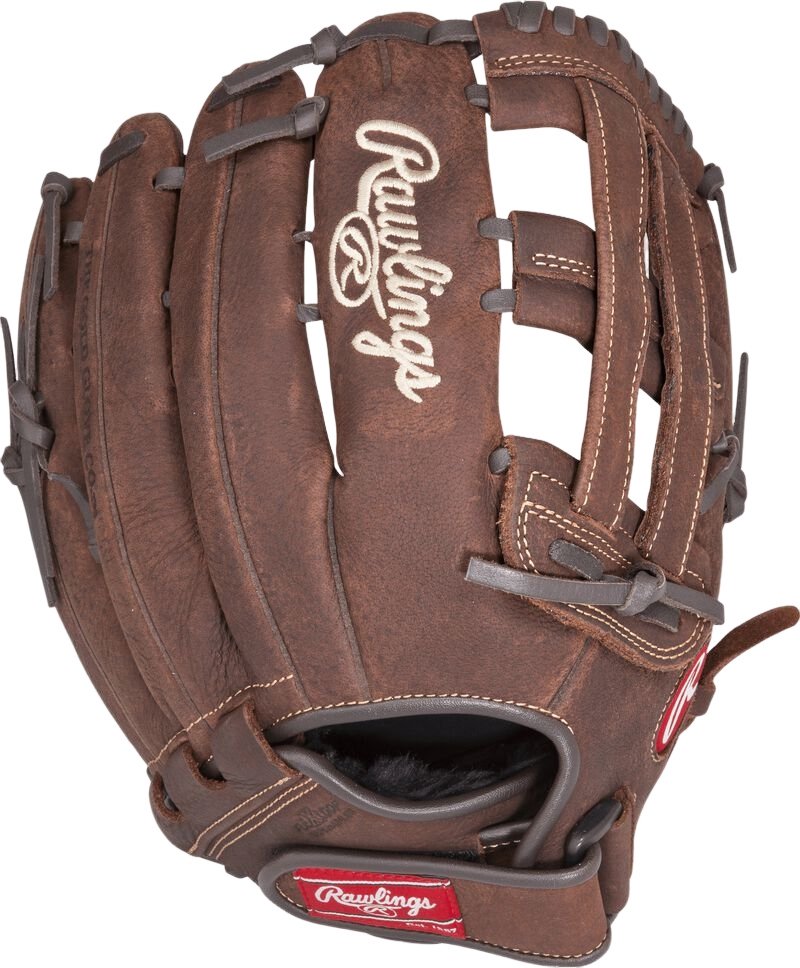
Softball Glove Rawlings Player Preferred Series P-P130HFL – 13″Premium comfort! For the right-handed thrower!
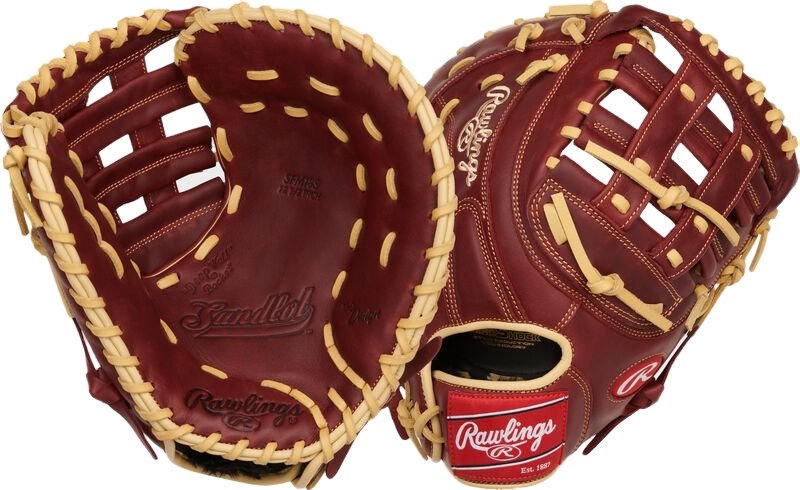
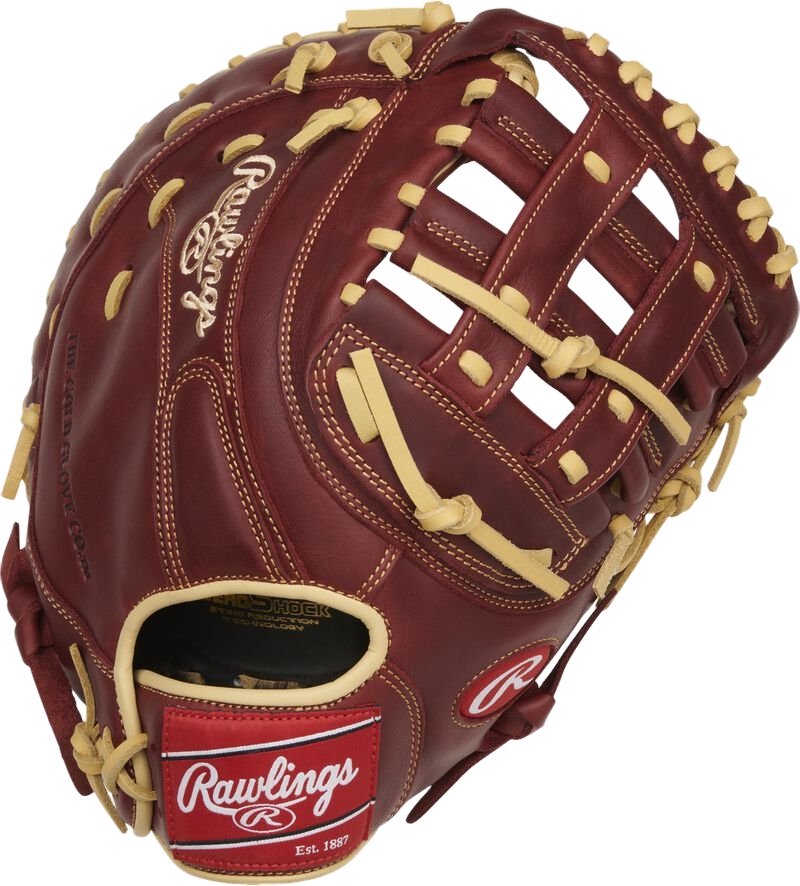
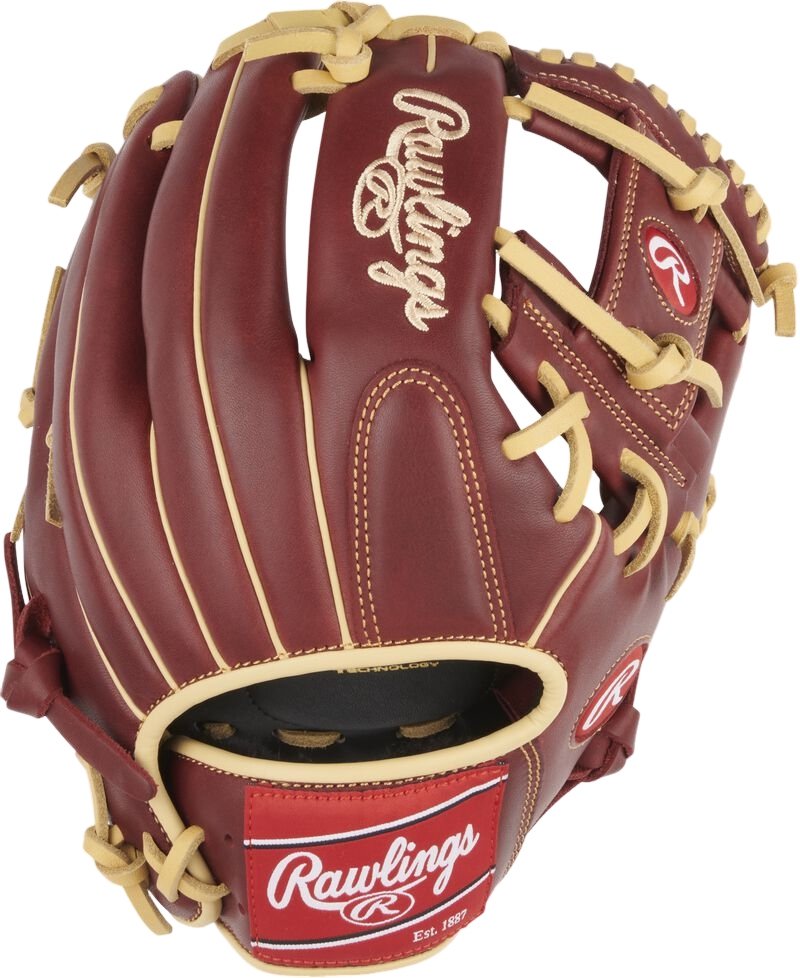
Baseball glove for first base Rawlings Sandlot Series SFM18S – Vintage! For left-handed hitters Take the field with a glove that looks like it’s straight out of baseball history…
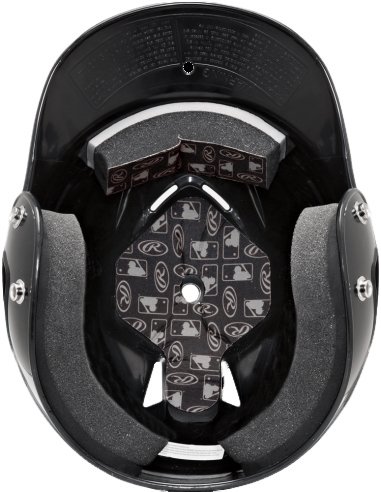
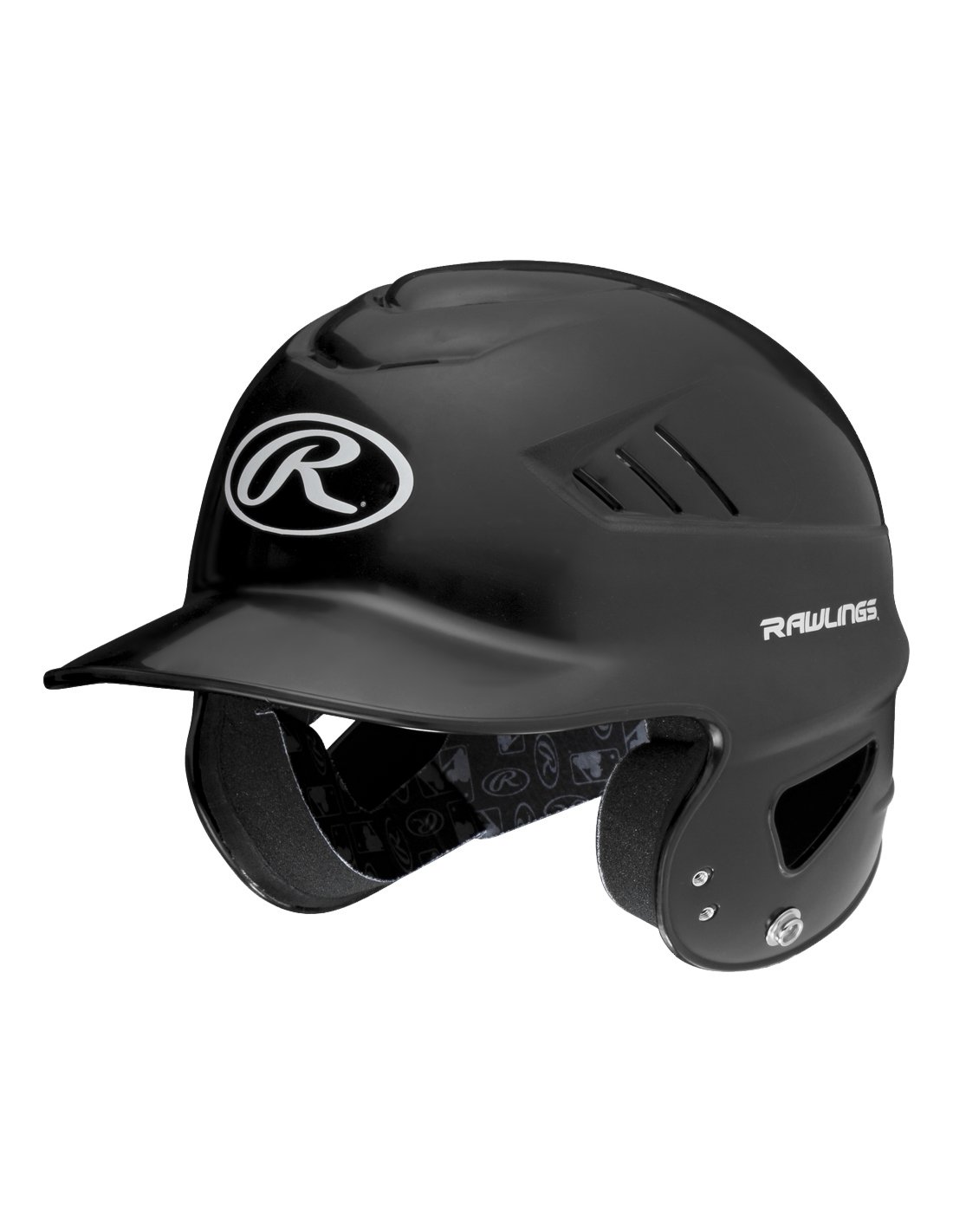
Rawlings RCFH-BLACK OSFM Coolflo® Batting Helmet – Legend of protection and style for baseball and softball hitters! Enter the field with the confidence and style worn by the best!
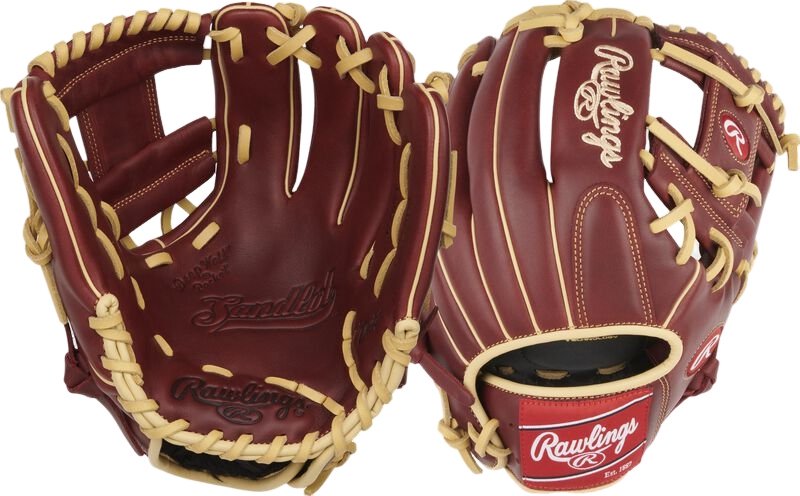
Baseball glove Rawlings Sandlot Series S1150IS-3/0 – Vintage! For right-handed hitters! Take the field with a glove that looks like it’s from baseball history, but is ready for…
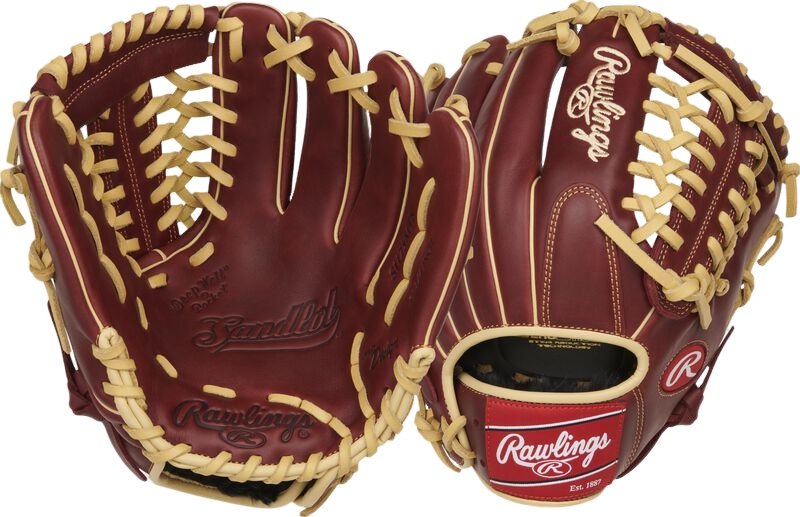
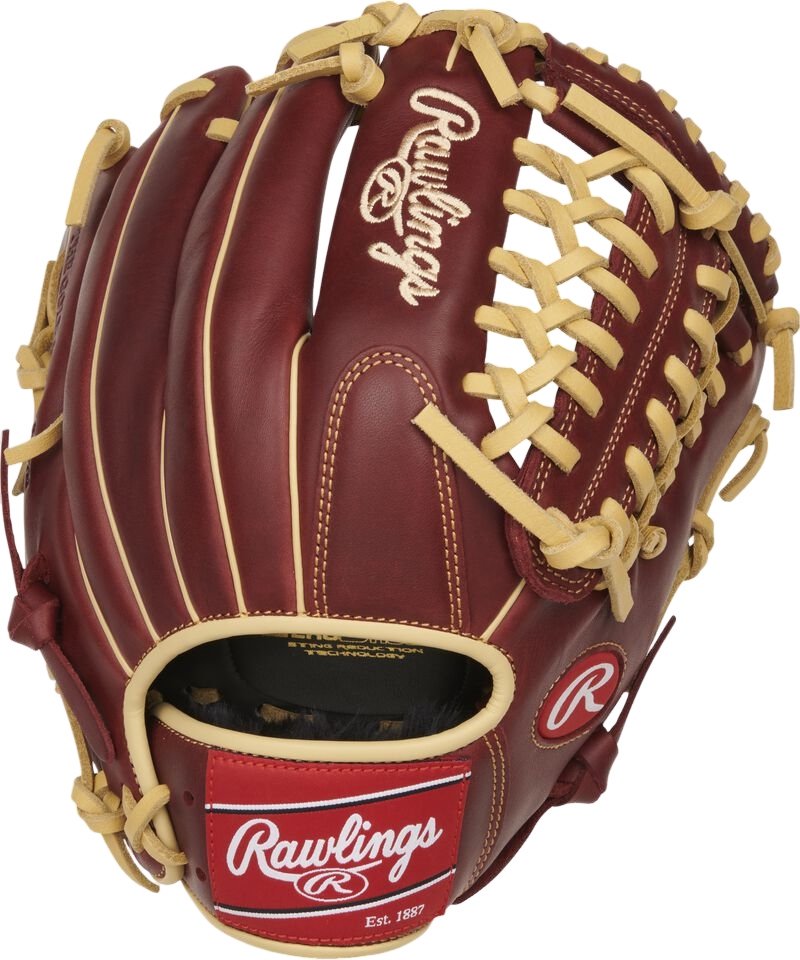
Baseball Glove Rawlings Sandlot Series S1175MTS – Vintage with Universal Basket! Glove for the left-handed thrower!
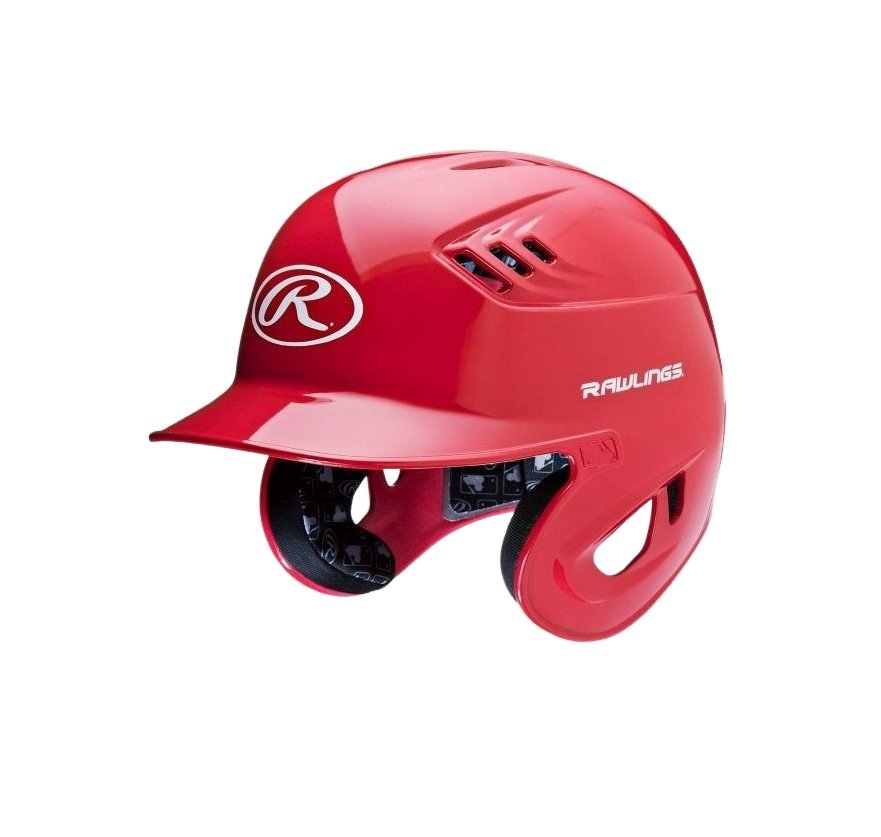
Rawlings RCFH-SCARLET OSFM Coolflo® Batting Helmet – Legend of protection and style for baseball and softball hitters!
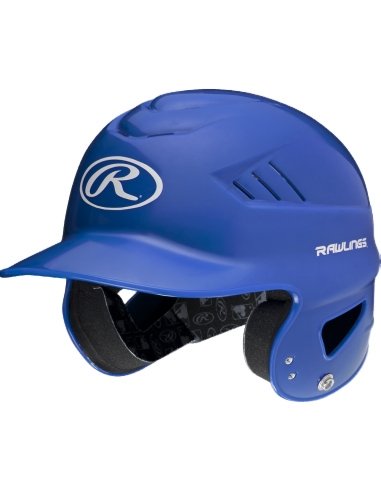
Rawlings RCFH-ROYAL OSFM Coolflo® Batting Helmet – Legend of protection and style for baseball and softball hitters! Enter the field with the confidence and style worn by the best!
Rawlings RCFTB junior NAVY: Maximum protection and comfort for young talent in T-ball, softball and baseball!
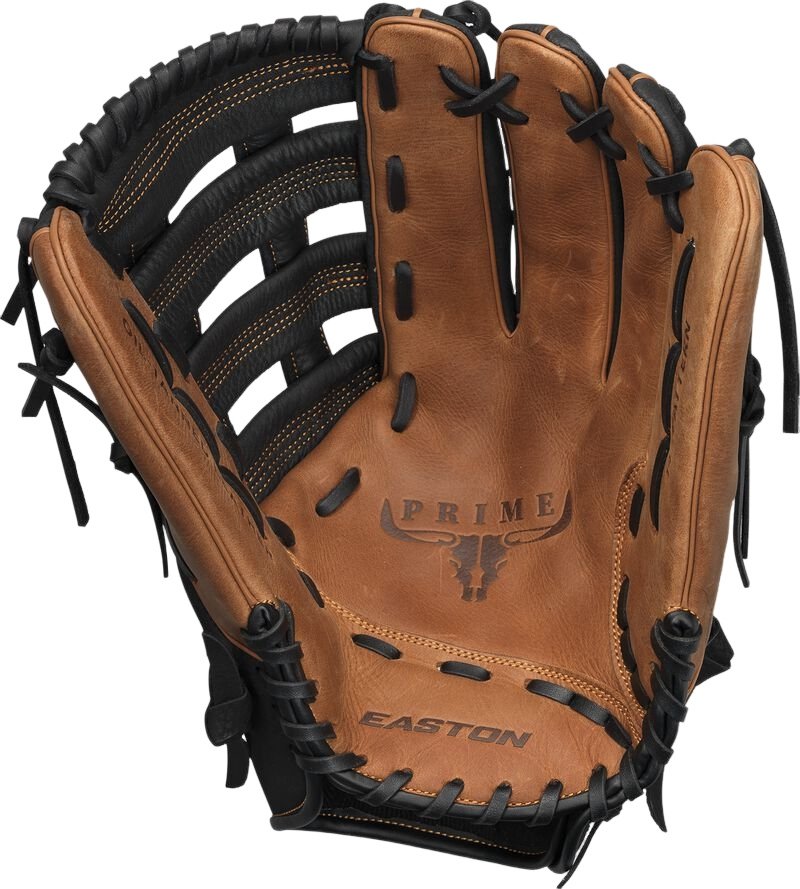
Easton Prime™ Slowpitch Series Softball Glove A130863 – The perfect choice for slowpitch softball players! Designed for left-handed pitchers!
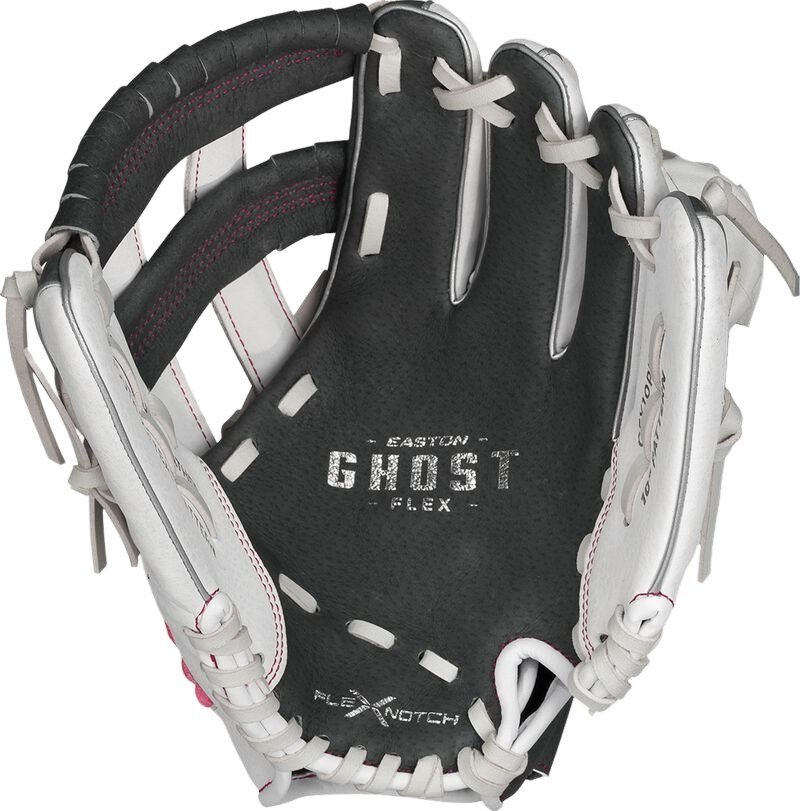
Easton Ghost Flex Fastpitch Series Softball Glove A130859 – The perfect choice for the youngest fastpitch softball players!
Acra is a purely Czech brand that has been providing complete sports equipment for homes and rural playgrounds since 1991.
Customer service
Write anytime
Call Mon-Fri 6am-3pm.
Delivery methods
Payment methods