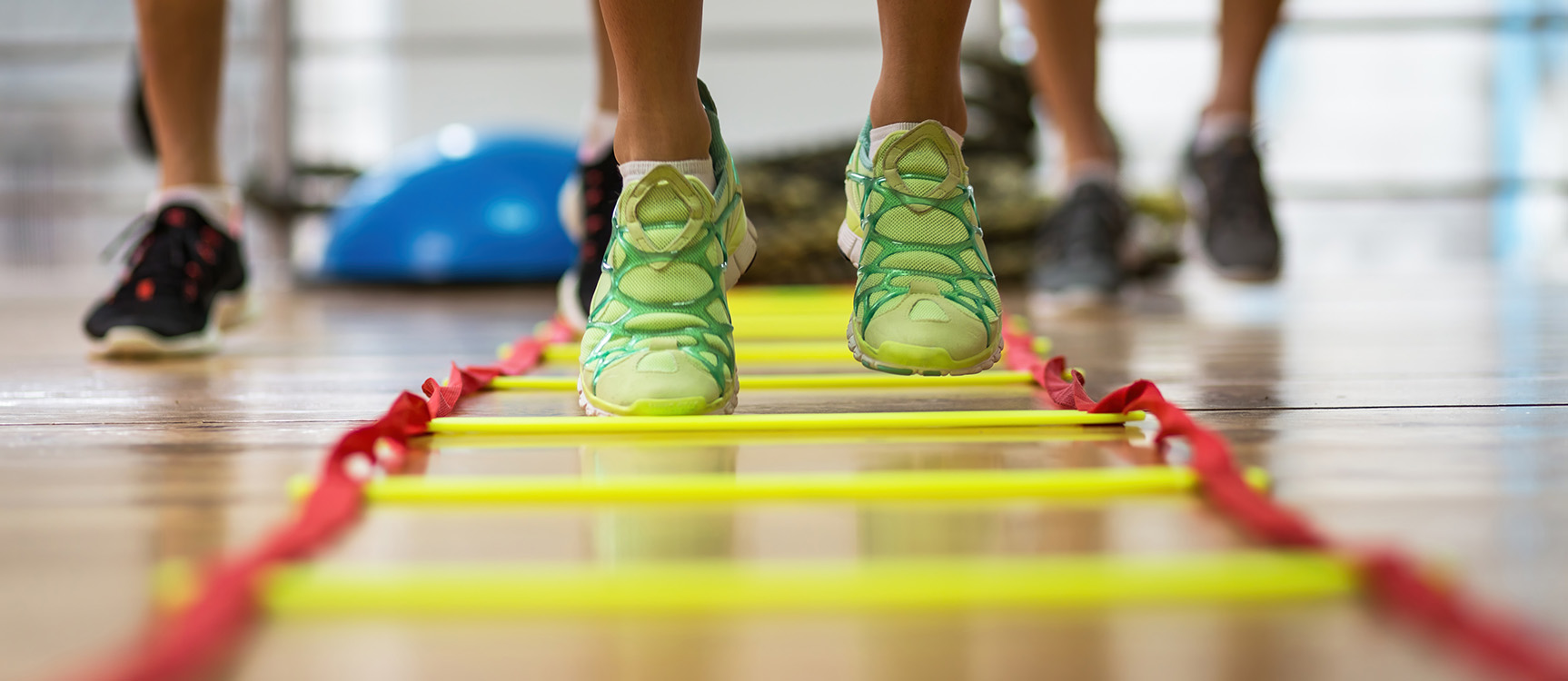
Ladders, hurdles, and stopwatches are simple yet very useful training aids. They’ll help you add variety to your fitness routine, improve your footwork, movement rhythm, coordination, and pace control during exercise. They’re suitable for individual training, sports clubs, school physical education classes, and home workouts in the yard or gym.
The key is to choose the option that best suits what you want to train. Not every piece of equipment serves the same purpose.
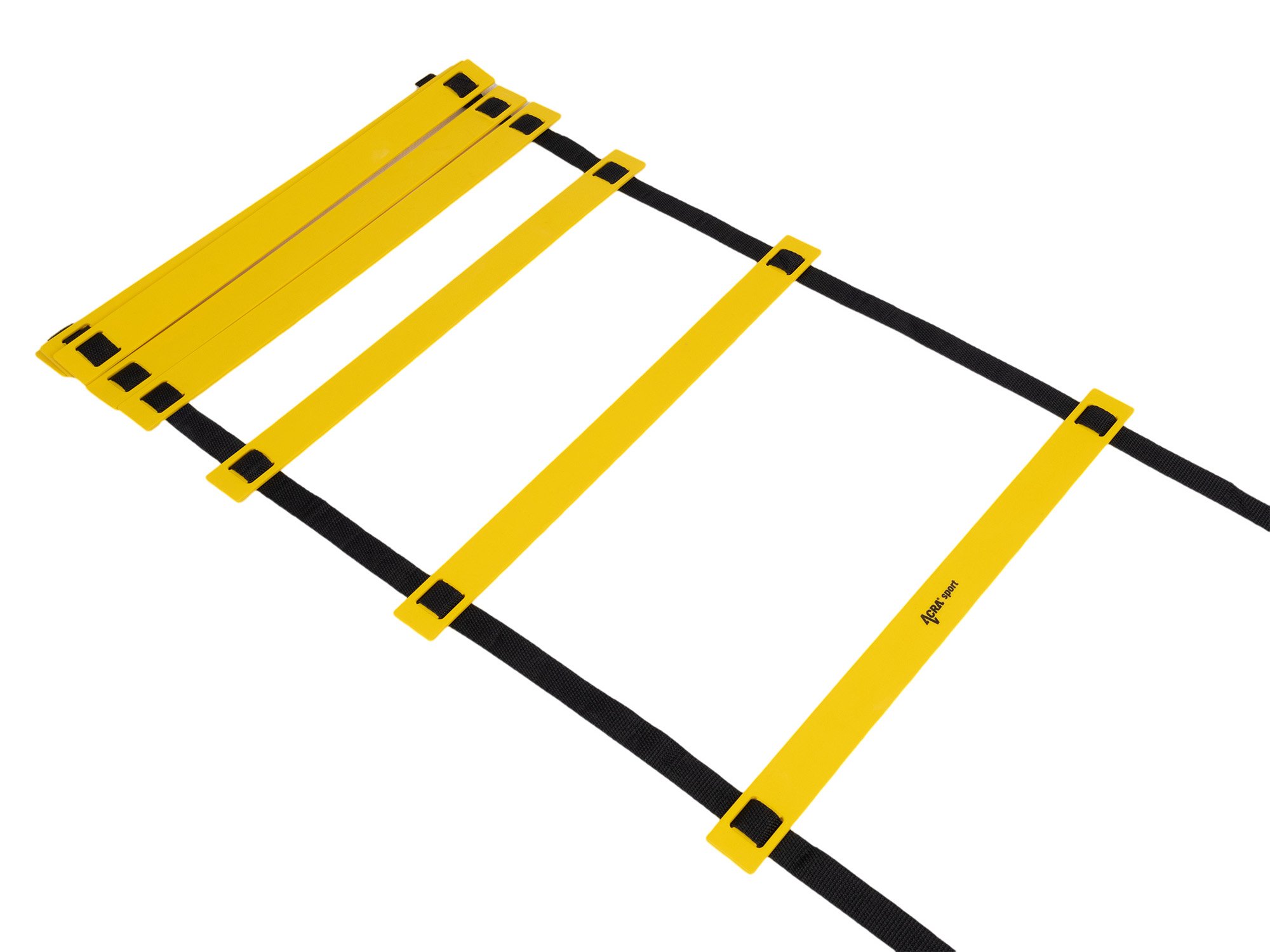
In that case, reach for a training ladder. It’s ideal for various steps forward, sideways, and diagonally, as well as for light, explosive drills. It’s suitable for beginners and advanced athletes alike, as well as for children and adults. In practice, agility ladders are mainly used to practice rhythm, coordination, and lightness of footwork, as well as part of a warm-up; however, they do not replace actual sprint or game training on their own.
Suitable sports: soccer, hockey, tennis, volleyball, track and field, MMA, floorball, basketball, as well as rehabilitation and physical activities for children.
Examples from the Acrasport lineup include:
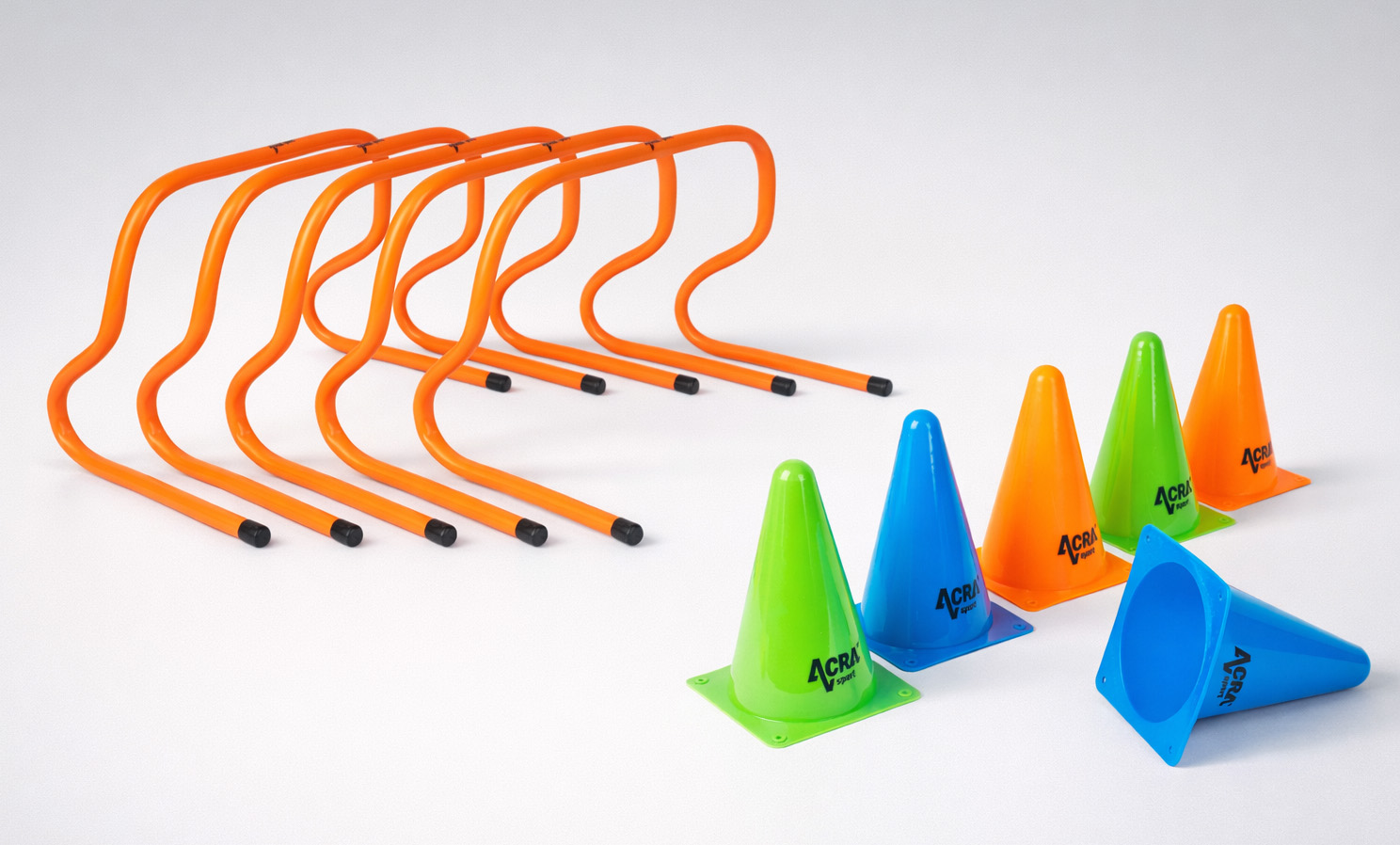
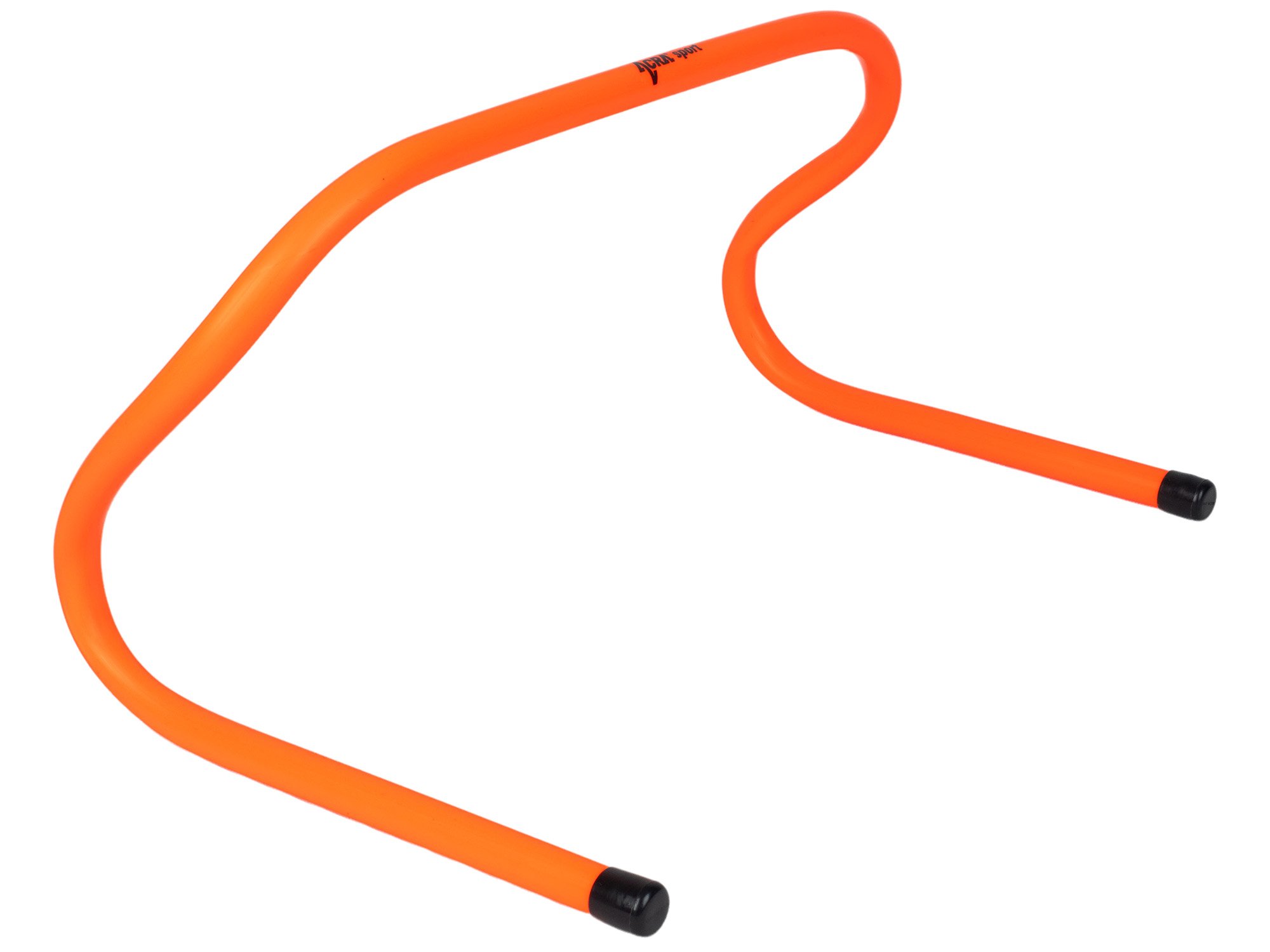
In that case, training hurdles are a better option. They force you to lift your legs higher, work on your push-off, and control your movement at speed. Hurdles are suitable for sports such as soccer, track and field, hockey, rugby, or general fitness training. For beginners and children, it’s generally recommended to start with a lower and simpler version and only then increase the height or pace.
From the Acrasport lineup:
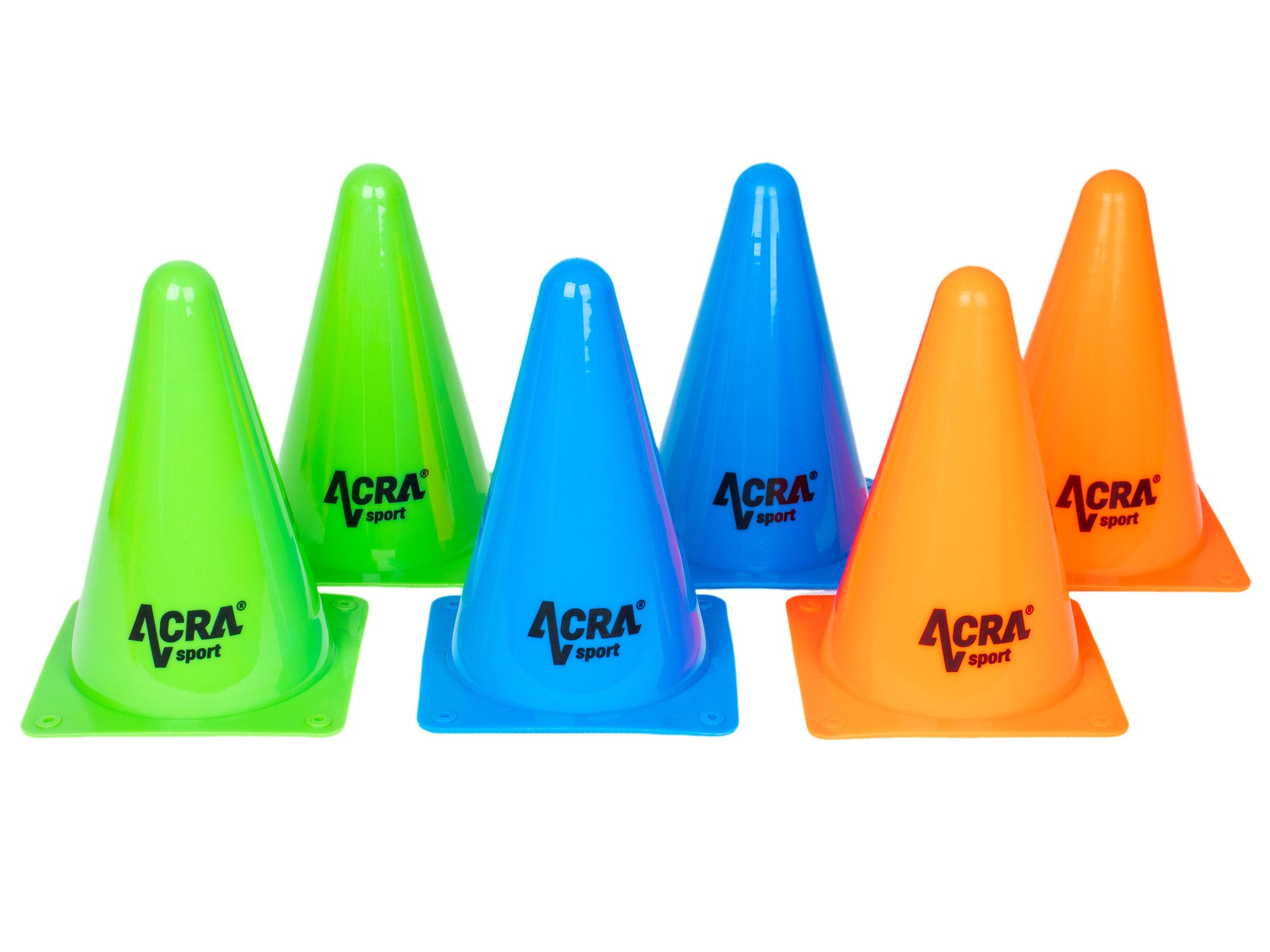
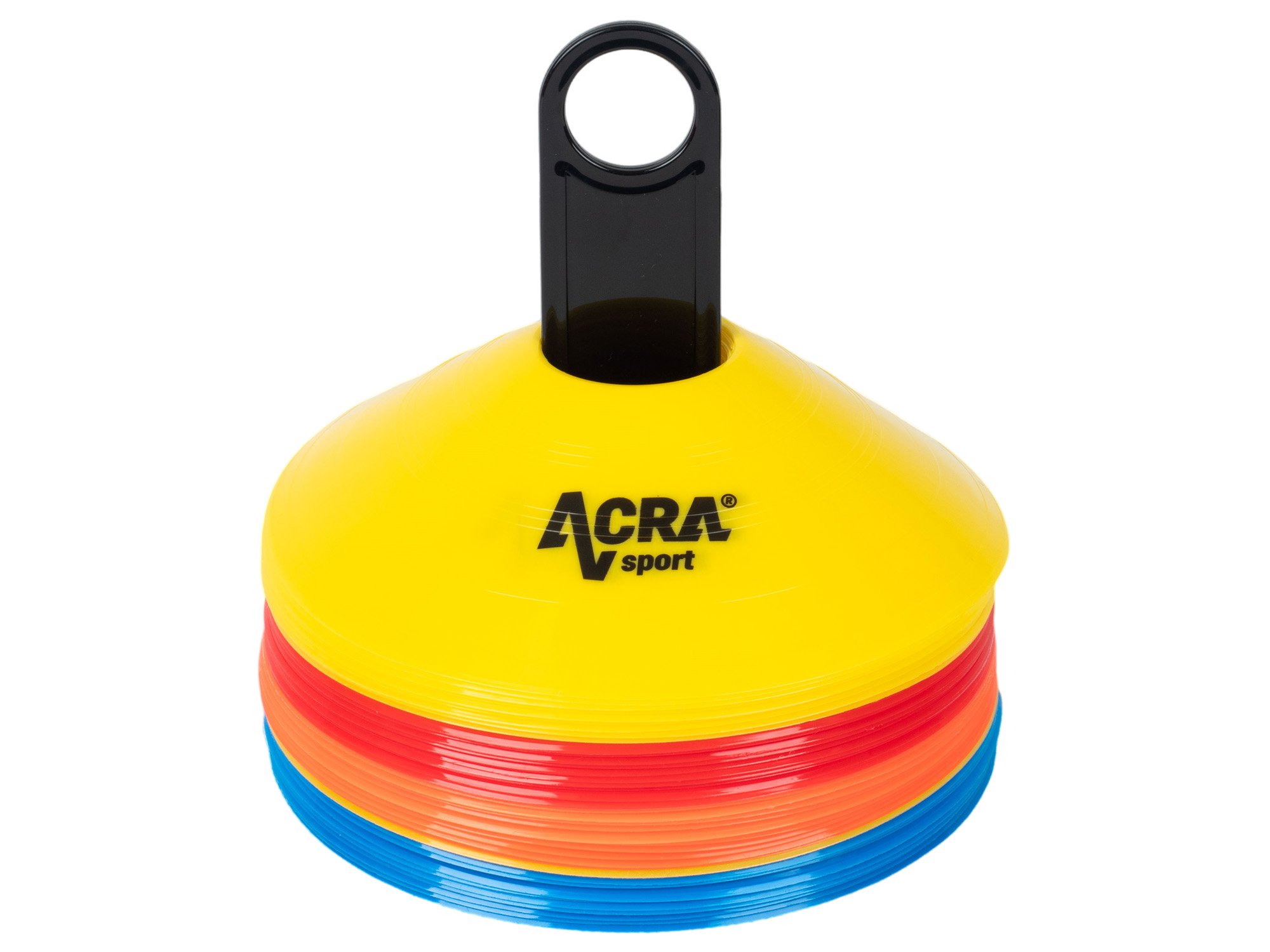
In that case, you’ll use markers and cones. Markers are especially useful when you need to discreetly mark points on the ground, while cones are more visible and practical for slalom, running laps, or clearly defining a space.
They’re practical for children’s games, school physical education, team training, and simple home workouts. They’ll help you define running routes, turning points, reaction zones, or an obstacle course.
The selection includes:
If you don’t want to buy each piece of equipment separately and are looking for a foundation for versatile training, a combined agility set makes sense. It’s suitable for trainers, schools, clubs, and even home training when you want multiple options in one package. Acrasport offers a set that includes a ladder, hurdles, a resistance parachute, and a carrying bag.
A training ladder is great for coordination, rhythm, footwork, and a light, dynamic warm-up before exercise. You can use it for simple steps, side-to-side movements, and more vigorous jumping variations.
1. Quick Steps Forward
A simple basic exercise that anyone can start with. Run through the ladder by placing one or both feet in each square. The goal is a light, fast, and precise foot strike without tripping. This drill is great for warming up and developing rhythm and coordination. Training ladders are generally used primarily for footwork, coordination, and agility.
2. Side-to-Side Steps In and Out
Stand sideways to the ladder and step into each rung in an “in–out, in–out” pattern, or “one foot in, the other foot in, out, out.” This is excellent for lateral movement, lightness of footwork, and coordination. It’s suitable, for example, for sports that involve frequent changes of direction and lateral movement.
3. Jumping with Both Feet Together Across the Rungs
Instead of stepping, jump with both feet together across the individual rungs. You can also try the “hop in & out” variation, where both feet jump in and out of each rung. This exercise is suitable for a more dynamic warm-up, ankle work, quick takeoff, and developing rhythm. For beginners, it’s better to stick to shorter sets and focus more on fluidity than on maximum speed.
4. Zigzag Steps and Changes of Direction
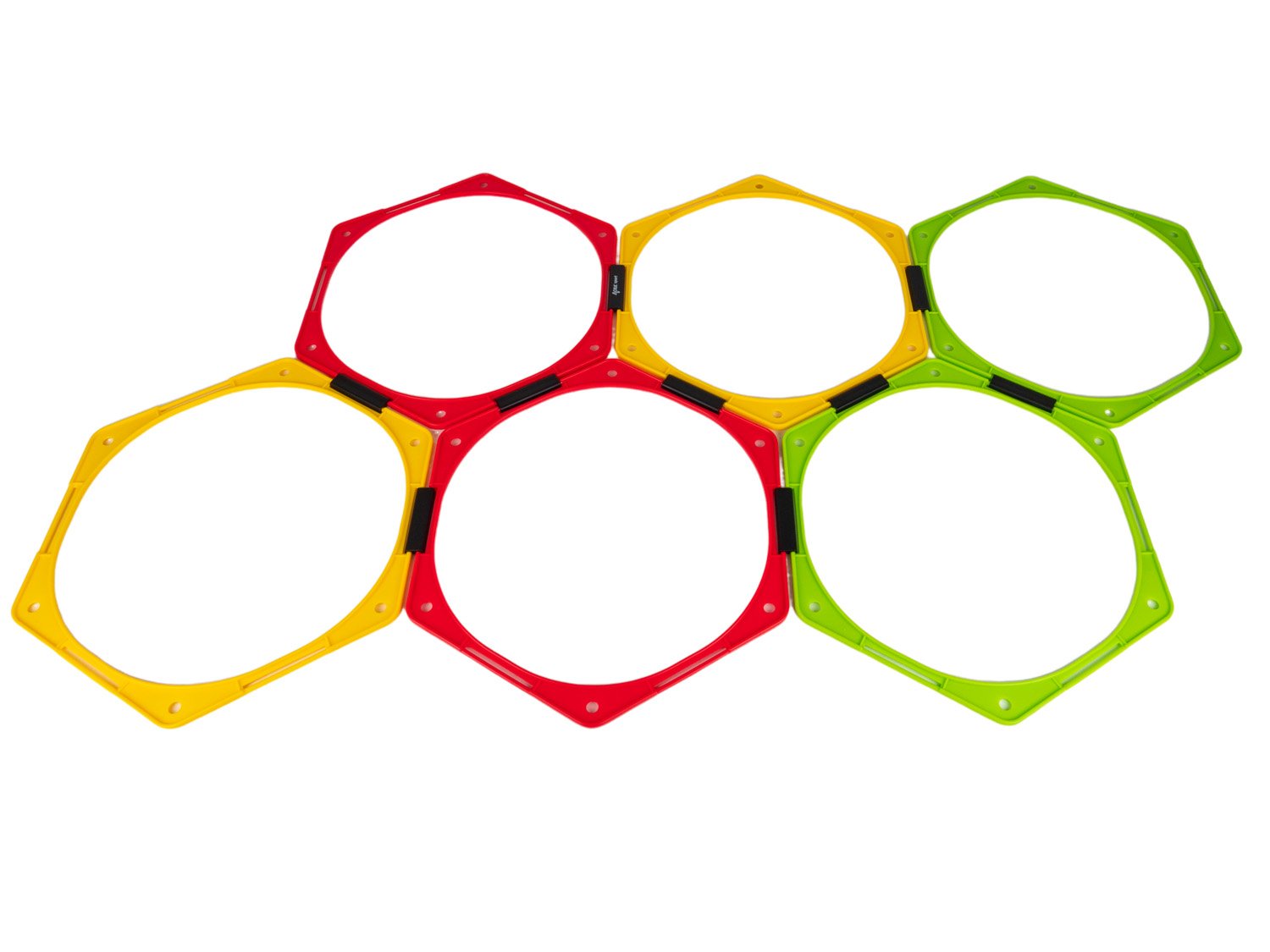
This is where the unconventional shape of the squares comes in handy. With the HEX ladder, you can combine diagonal steps forward, sideways, or crisscross, making your workout more varied and less monotonous. It’s a tool suitable for improving speed, agility, and coordination during both individual and group training.
Recommended product:
Training hurdles are great for agility, rhythm, quick footwork, and a more dynamic takeoff. You can use them for jumps, quick sprints, lateral movement, and simple hurdle courses for both children and adults.
1. Quick Forward Jumps
Set up several hurdles in a row and try to jump over them smoothly with minimal ground contact. This drill helps with rhythm, push-off, and movement control. Hurdles are commonly used to train quick feet, changes of direction, and coordination.
2. Lateral Jumps
You jump over the hurdles from side to side. This is excellent for stability, explosiveness, and movement off-axis. It works well as a supplement for ball sports or general fitness training.
3. Running Through a Series of Hurdles
This isn’t about high jumps, but rather a smooth, fast run over several low hurdles in a row. The goal is to maintain your rhythm and not lose your focus. For beginners, it’s better to start with a lower difficulty level and clean form rather than unnecessarily increasing the pace. This is also in line with general recommendations for practicing hurdle drills.
4. Hurdle Course for Kids
You can set up a simple mini-course using a few hurdles: run over, jump over, run around, and return. For children, this is more fun than “dry” training, and at the same time, it helps them practice coordination and quick reactions. Sets of multiple hurdles are therefore more practical for schools, coaches, and sports clubs.
Recommended product:
Markers and cones are great for training reaction time, changes of direction, spatial awareness, and clearly marking a course. You can use them for slaloms, on-command sprints, running around stations, and various movement games for both children and adults.
1. Slalom Between Cones
Set up the cones in a line and run through them in a slalom pattern. This exercise helps improve agility, changes of direction, and control of movement at higher speeds.
2. Sprint to a Designated Marker
Place markers around the area and specify which one to run to. You can specify a color, number, or direction. This develops reaction time, spatial orientation, and a quick start.
3. Run Around a Point and Return
Use markers or cones as turning points. The participant runs out, circles the designated point, and returns. Simple, yet very practical—ideal for children, school physical education, and fitness training.
4. Color Reaction Game
Use markers of different colors and, on command, tell the player which color to run toward. This is suitable for both individuals and groups and works well as a more playful form of training.
5. Simple Obstacle Course or Running Track
Use markers and cones to mark the start, finish, running direction, and individual stations. This makes it easy to create a clear course for children, clubs, schools, and sports training.
Recommended product:
Child, beginner ⟶ 4–6 m ladder, 6 cones, simple stopwatch
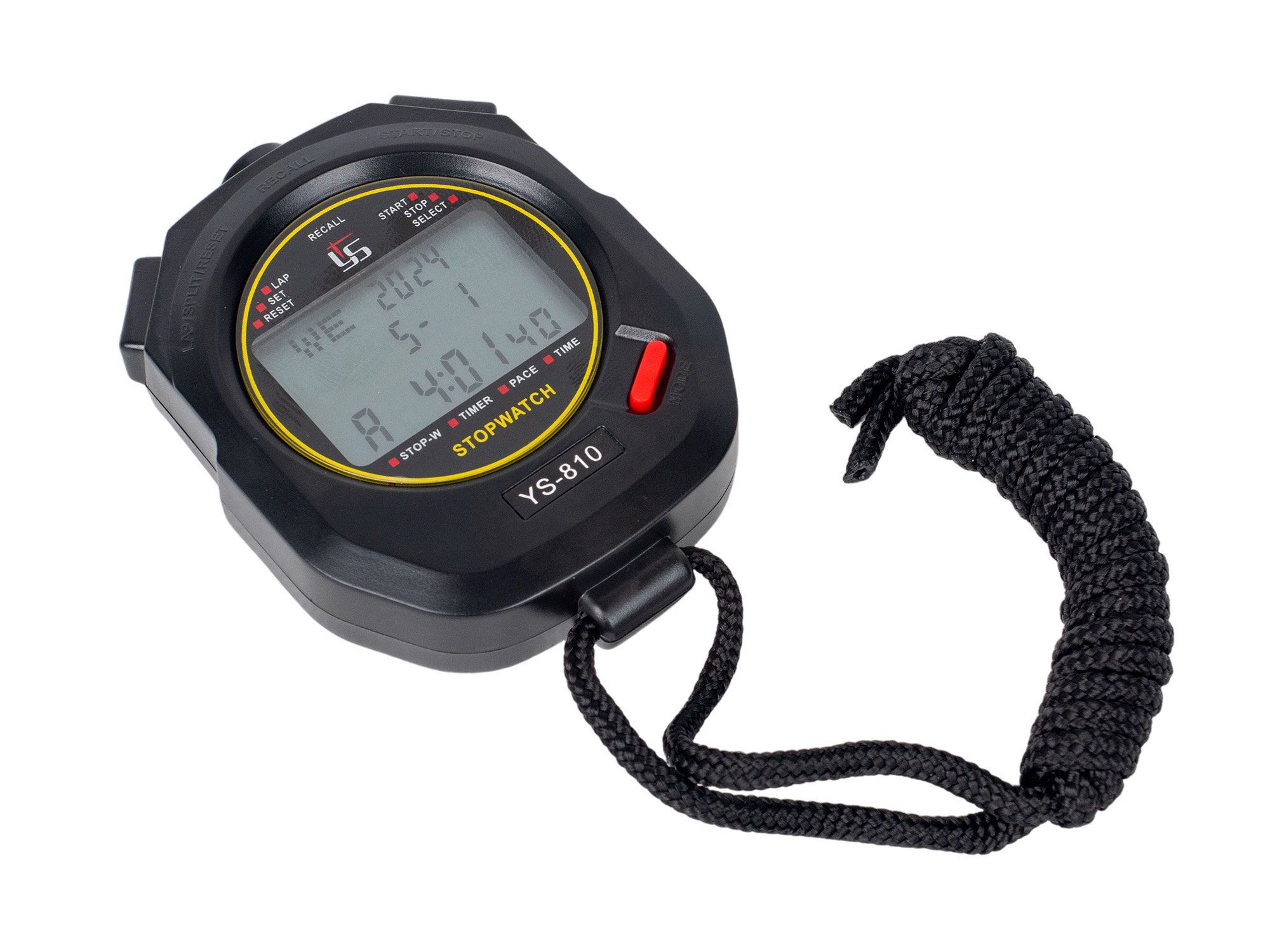
Recreational athlete ⟶ 8-meter ladder, set of 5 obstacles, ST810 stopwatch
Soccer / team sports ⟶ 8-meter ladder + HEX, cones, markers, stopwatch
Track and Field / Sprint ⟶ 8-meter ladder, set of 38-cm hurdles, race stopwatch
Coach / Sports Club ⟶ Agility Set + Hurdle Set, Stopwatch with Split-Time Memory
Home Fitness ⟶ Agility Set or 8 m Ladder, Stopwatch with Pedometer
If you want to focus on footwork and coordination ⟶ choose a ladder.
If you want quick jumps, explosiveness, and agility ⟶ choose hurdles.
If you want to mark out a course, slalom, turning points, or game stations ⟶ use markers and cones.
If you want to keep your training under control and track progress ⟶ use a stopwatch.
And if you want a little bit of everything ⟶ an agility set is usually the most practical choice.
Does the agility ladder improve speed?
Not directly—the agility ladder doesn’t train explosive power or stride length, which are key to running speed. But it does develop coordination, stride frequency, and footwork—qualities that every fast athlete needs. Include it in your warm-up or conditioning routine.
How high should the hurdles be for children?
For school-age children, we recommend hurdles that are 25–30 cm high. Proper takeoff and landing technique is important—and it’s easier to learn with lower hurdles.
Can I use the cones and markers outdoors?
Yes. Both the training cones and markers are made of weather-resistant plastic. They stay in place well on grass or artificial surfaces, but be careful on slippery surfaces.
What are split times and lap times on a stopwatch for?
They’re useful when you don’t want to track just the total time. Split times show the cumulative time since the start, while lap times measure a specific segment. This is practical for circuit training, interval training, or when doing multiple repetitions.
Isn’t the stopwatch on my phone enough?
For occasional use, yes. But if you want to really keep your training under control, a classic stopwatch is faster to operate, easier to read, and more practical for intervals, split times, and repeated attempts. Plus, there are no unnecessary distractions.

The Acra Hexa agility training ladder is an excellent tool for various types of training. It helps improve your endurance and coordination skills.

The Acra training cones come in a set of six, ideal for sports training and various physical activities.

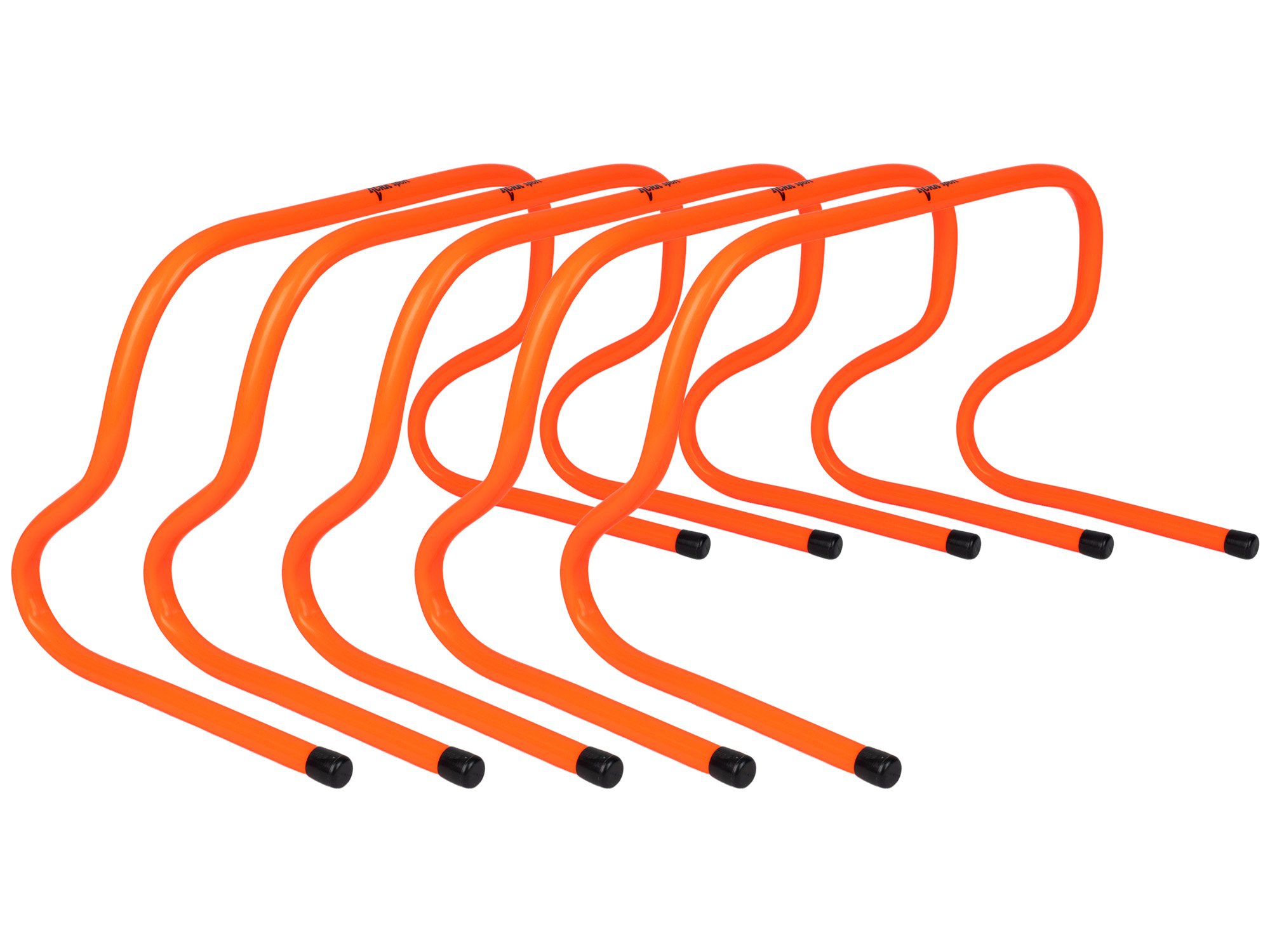
The Acra training hurdles (set of 5, orange) measure 30 cm in height and 46.5 cm in width and are the ideal tool for sports training and fitness exercises.

The Acra training hurdle, 1 piece, orange, 30 cm high and 46.5 cm wide, is an ideal tool designed for sports training and fitness exercises.

ST810 Digital Stopwatch Are you looking for the perfect timekeeping tool? The ST810 racing stopwatch provides exactly what you need, whether for recreational or professional use.

The Acra training ladder is an excellent tool for various types of training, with the main goal being to improve endurance and coordination skills.
The Acra training hurdle, 1 piece, orange, 15 cm high and 46.5 cm wide, is an ideal tool for sports training and fitness exercises.

The Acra training hurdles (set of 5, orange) measure 38 cm in height and 46.5 cm in width and are an ideal tool for sports training and fitness exercises.
The Acra training hurdle (1 piece), orange, 23 cm high and 46.5 cm wide, is an ideal tool for sports training and fitness exercises.

Training markers are the ideal solution for creating a versatile workout. We offer 4 different color options for easy orientation.
Acra is a purely Czech brand that has been providing a full range of sports equipment for homes and rural playgrounds since 1991.
Customer Service Center
Feel free to write anytime
Call Mon–Fri, 6 a.m.–3 p.m.
Delivery Methods
Payment Methods