The right gym accessories can make your workout more enjoyable, improve your grip, and give you more confidence during heavier sets. But it’s not just about grabbing “something for your hands” or “some kind of belt.” Each piece of equipment is suited for a slightly different type of exercise and a different level of intensity.
In this category, you’ll mainly find fitness gloves, weightlifting gloves, wrist wraps, lifting straps, hook straps, and weightlifting belts. It’s best to choose based on what limits you the most during your workout.
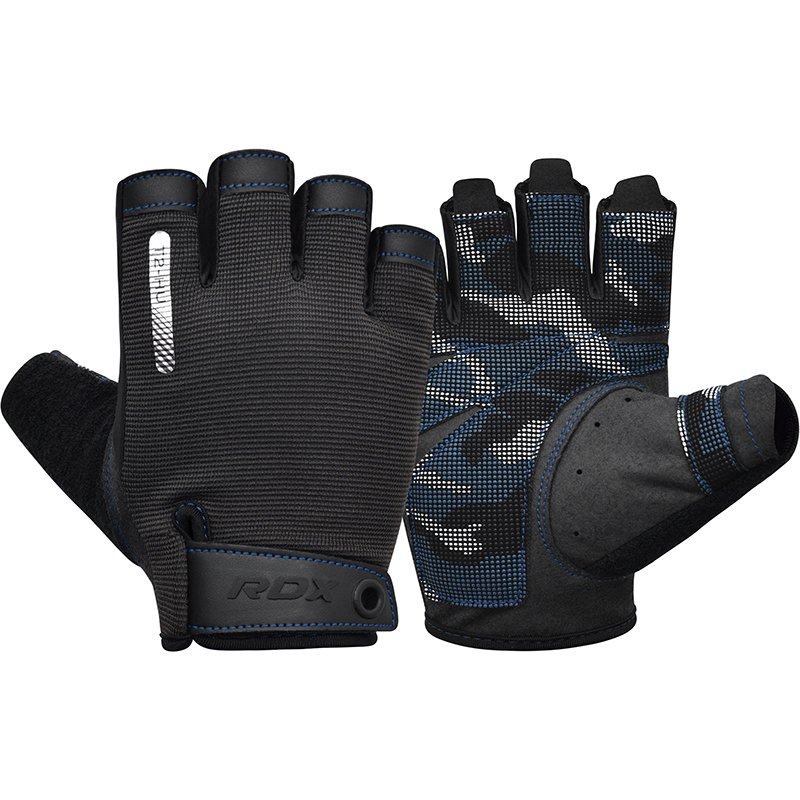
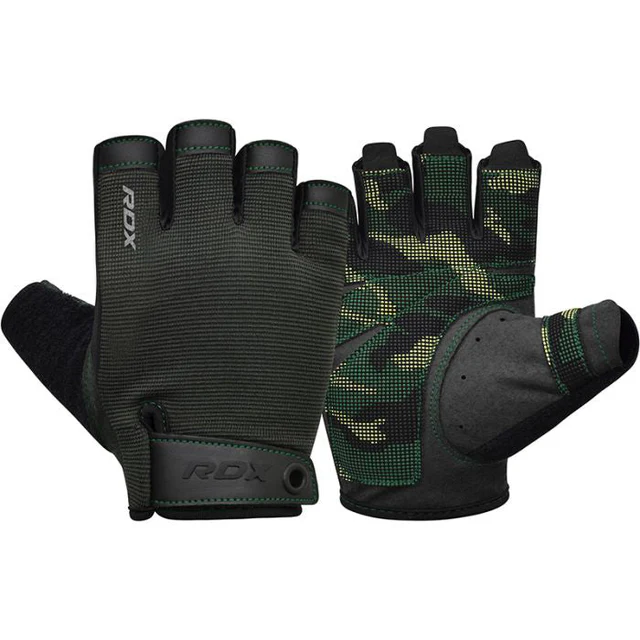
⟶ Grab a pair of gloves. They’re great for general strength training, machines, dumbbells, and home workouts. They help prevent chafing and calluses and make it more comfortable to grip dumbbells or pull-up bars.
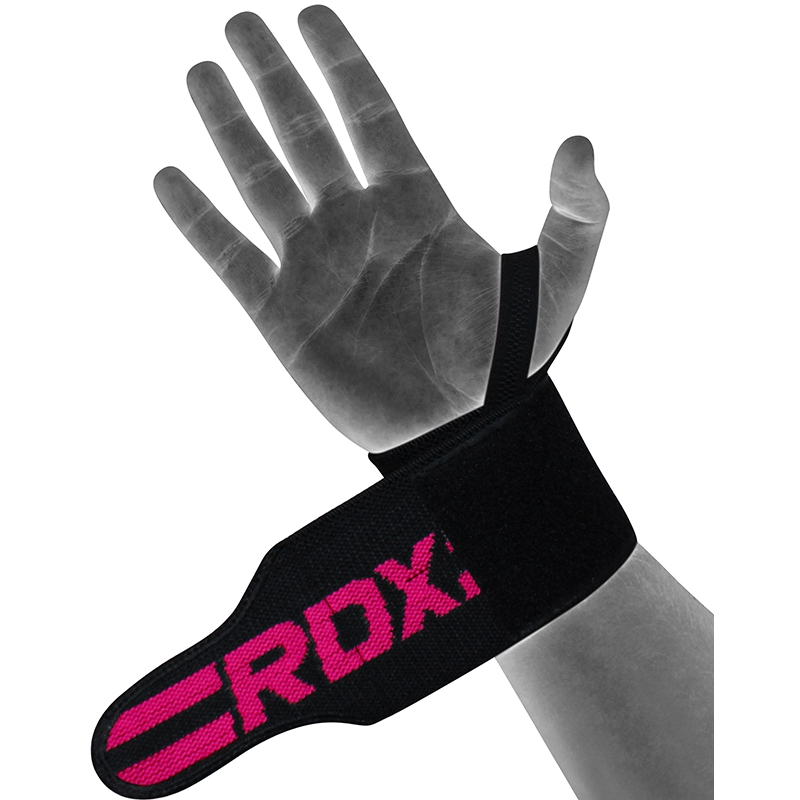
⟶ Wrist wraps are worth it. They help stabilize your wrists during more demanding exercises, such as the bench press, overhead presses, or heavier sets with dumbbells.
⟶ That’s when lanyards or resistance bands come in handy. Typically, during deadlifts (lifting a barbell off the ground), pull-ups, or shrugs (shrugging your shoulders with a barbell in your hands), they help take the strain off your grip so you can focus more on the target muscles.
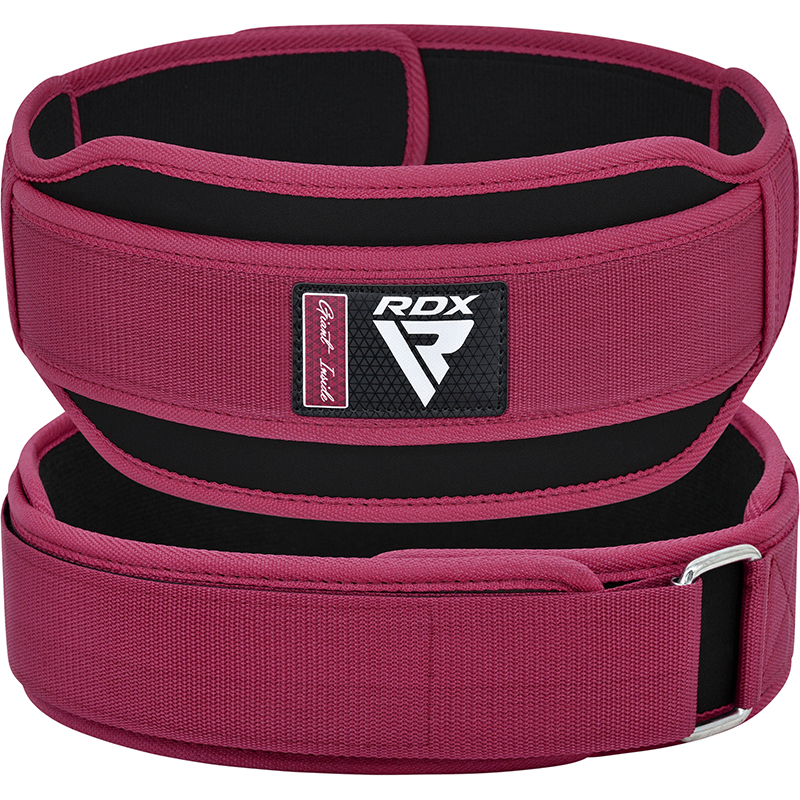
⟶ In that case, look for a weightlifting belt. The belt is most commonly used for heavy squats, deadlifts, or other strength exercises, where it helps provide more stable support for the core.
⟶ Check out the hook straps. These are especially useful for heavier pulling exercises, when you need maximum security and don't want your grip to limit you.
Gloves are a good choice for anyone who wants greater comfort, protection for their palms, and a more secure grip on the bar or handle. For regular fitness workouts, lighter and breathable models tend to be more practical, while models with a sturdier palm, padding, or wrist support are better suited for more intense strength training.
The ACRA lineup includes, for example, the RDX W1F full-finger gloves and various RDX fitness and weightlifting gloves. With full-finger models, you’ll appreciate the added protection and often better breathability, while shorter models offer a looser feel when gripping.
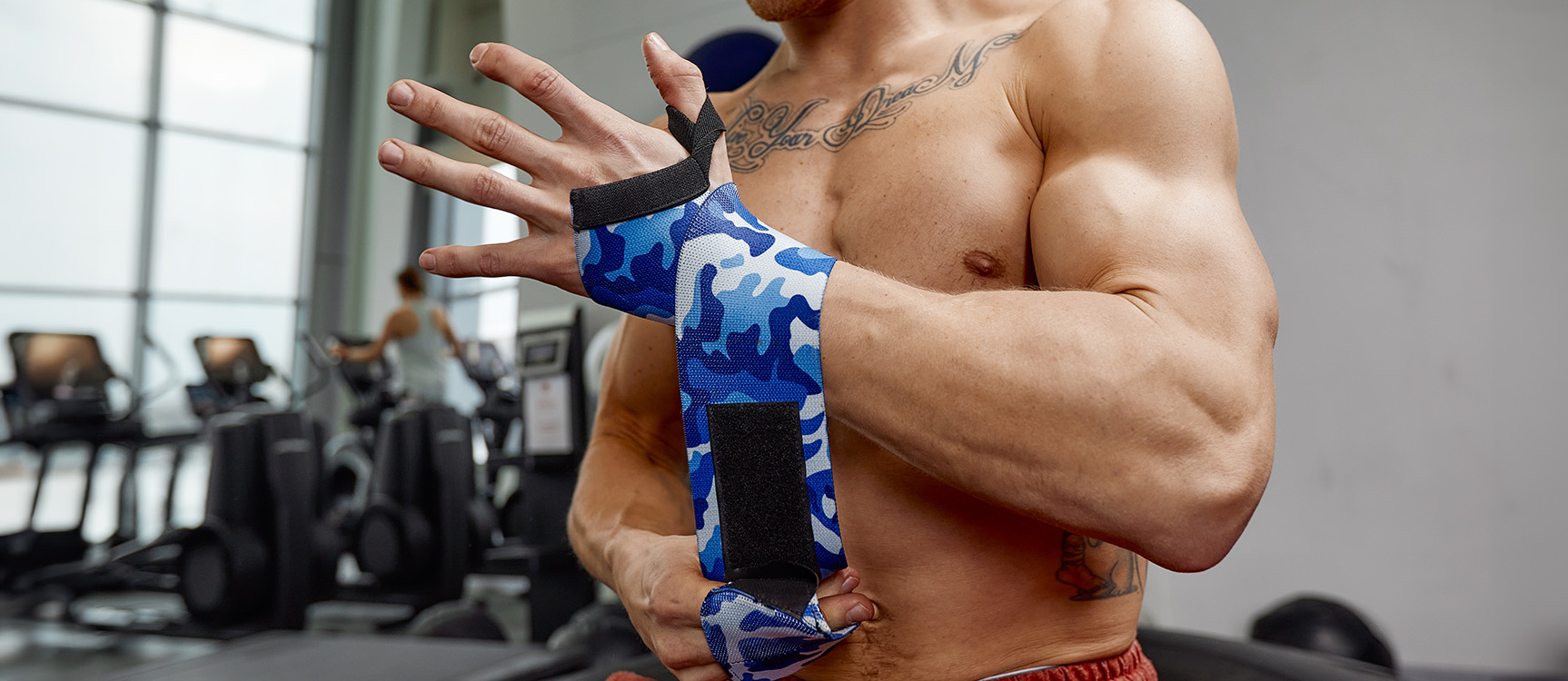
Wrist wraps are especially useful when you need to provide your wrists with extra support during your workout. They’re most commonly used for pushing exercises, where the wrists take a heavier load and there’s a risk of overloading them or hyperextending them backward.
At ACRA, you’ll find, for example, the RDX WR11 Wrist Wraps, which are designed specifically to provide firmer support and stability during more demanding exercises.
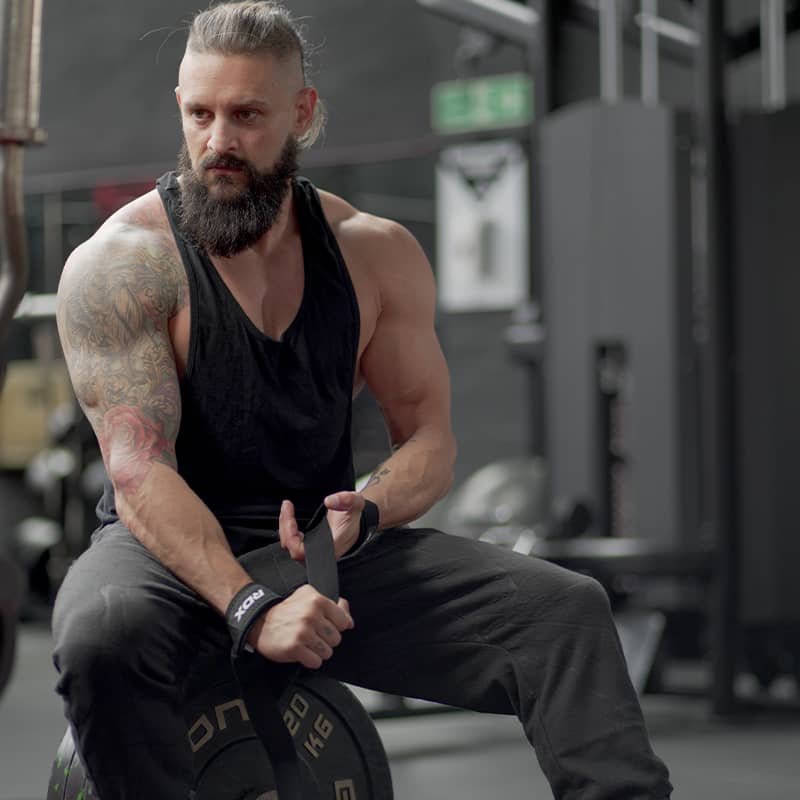
Lifting straps and wrist straps come in handy when your muscles can still keep going but your grip can’t. They’re typically used for pulling exercises, where you want to reduce forearm fatigue and hold the barbell longer.
For general strength training and beginners, classic wrist straps are usually a good choice. They’re versatile and easy to use.
Product example: RDX S4 Weightlifting Wrist Straps
Hooked straps are a particularly useful aid for heavier pulling exercises. They’re often chosen by people who want to secure their grip as quickly and firmly as possible, or by athletes who find that classic lifting straps don’t work for them.
Product example: RDX W5 weightlifting hook straps
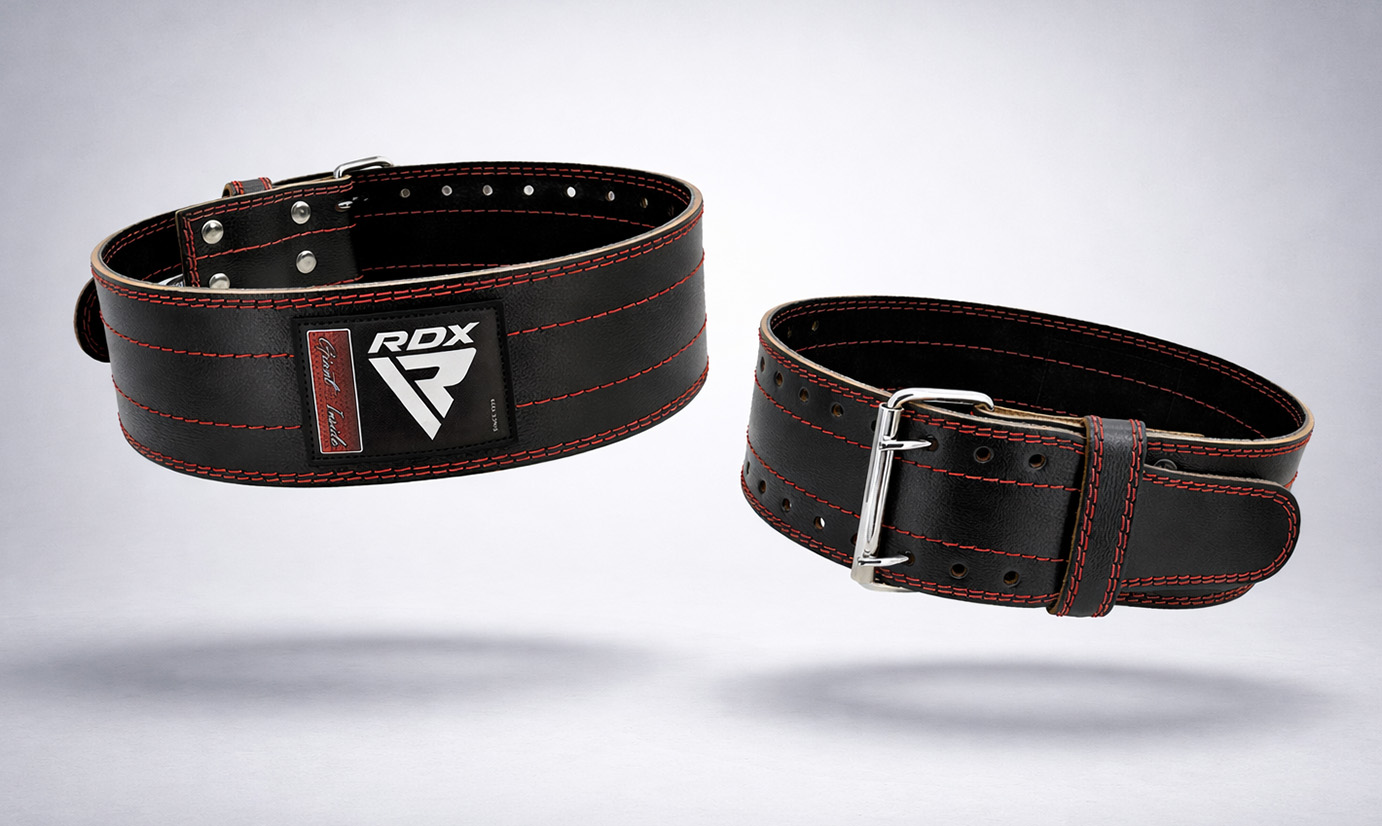
A weight belt is more of an accessory for heavier strength training than for absolute beginners. It helps create a more stable core, but it’s no substitute for proper technique. It’s most useful during heavy basic exercises, not during every light set.
At ACRA, you’ll find both leather belts and some lighter, modern alternatives. Leather belts tend to be sturdier and better suited for strength training, while nylon models may be more comfortable and flexible.
Product examples:
RDX RD1 Leather Powerlifting Belt, RDX RX1 Powerlifting
Belt
Type of workout
⟶ For regular fitness exercises, gloves are often sufficient. For more intense strength training, wrist wraps, lifting straps, or a belt are more commonly used.
Level of Support
⟶ The heavier the weights and the more demanding the exercises, the more sense it makes to have greater support for your wrists or core. Conversely, for lighter workouts, simpler gear is usually more comfortable.
Material and Comfort
⟶ For gloves, consider breathability, padding, and the type of palm. For wrist straps, decide whether you prefer sturdy leather or a lighter, more flexible material.
The Right Size
⟶ Size is crucial for both gloves and belts. Gloves that are too loose can bunch up, while a belt that’s too tight won’t be comfortable or functional.
✔ Don’t use everything right from the start.
For beginners, gloves—or nothing at all—are usually enough. Grips, pull-ups, and a belt are most useful once you know what’s really holding you back during training.
✔ A weight belt isn’t a magic solution for your back.
It can help, but only if you know how to properly engage your core and breathe into your abdomen. Without proper technique, it won’t solve the problem on its own.
✔ Use lifting straps only when they make sense.
They’re mainly useful for heavy pulling exercises. It’s not a good idea to get used to relying on them for everything, because you might neglect developing your own grip strength.
✔ Choose gloves based on your training style.
Versatile models work well for machines and general fitness; for heavier exercises or longer workouts, you’ll appreciate a sturdier palm and better wrist support.
✔ Not everyone will find the same type of belt suitable for deadlifts.
Some people prefer a classic, firm powerlifting belt, while others find a model that puts less pressure on the abdomen or hips in the bottom position more comfortable during the lift.
Are gym gloves necessary?
They aren't necessary, but many people find them more comfortable. They help protect the palms, improve comfort, and, in some models, provide wrist support.
Are wrist wraps and grip straps the same thing?
No. Wrist wraps are mainly used to stabilize the wrists during pushing exercises, while grip straps help with your grip during pulling exercises.
Will grip straps help me improve my grip strength?
Not directly. Their main benefit is that they take some of the strain off your grip during heavy sets. If you use them all the time, however, it may actually limit the natural development of your grip strength.
When should you get wrist wraps?
When you feel that your wrists need more stability during heavier presses or when they tend to bend backward during your workout.
Are wrist straps suitable for beginners?
Yes, but usually only once your grip starts to limit you during pulling exercises. They’re often not necessary when you’re just starting out.
When should you use a weightlifting belt?
Most often during heavier sets of squats, deadlifts, and similar strength exercises. It’s usually not necessary for light warm-up sets or every exercise.
Which is better: classic snatch straps or hook straps?
Classic snatch straps tend to be more versatile. Hook straps, on the other hand, offer significant grip support and are quicker to use. It mainly depends on what works best for you during your workout.

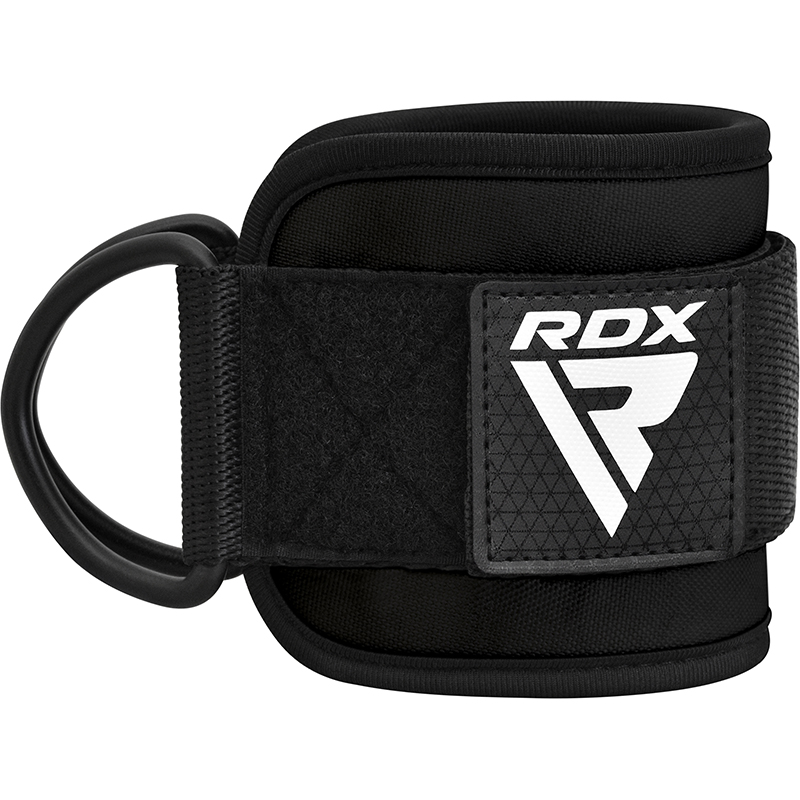
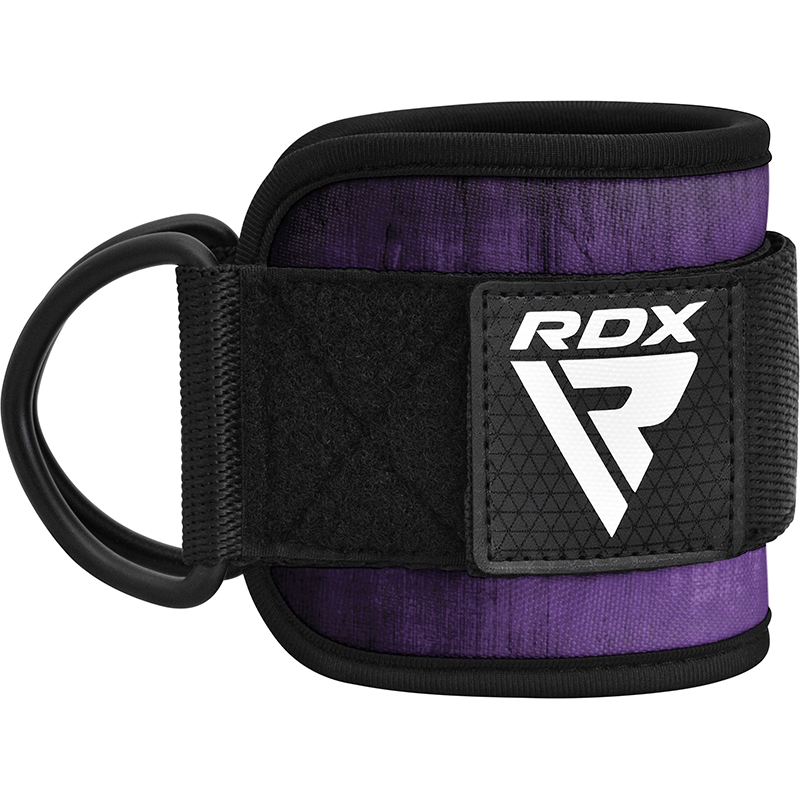
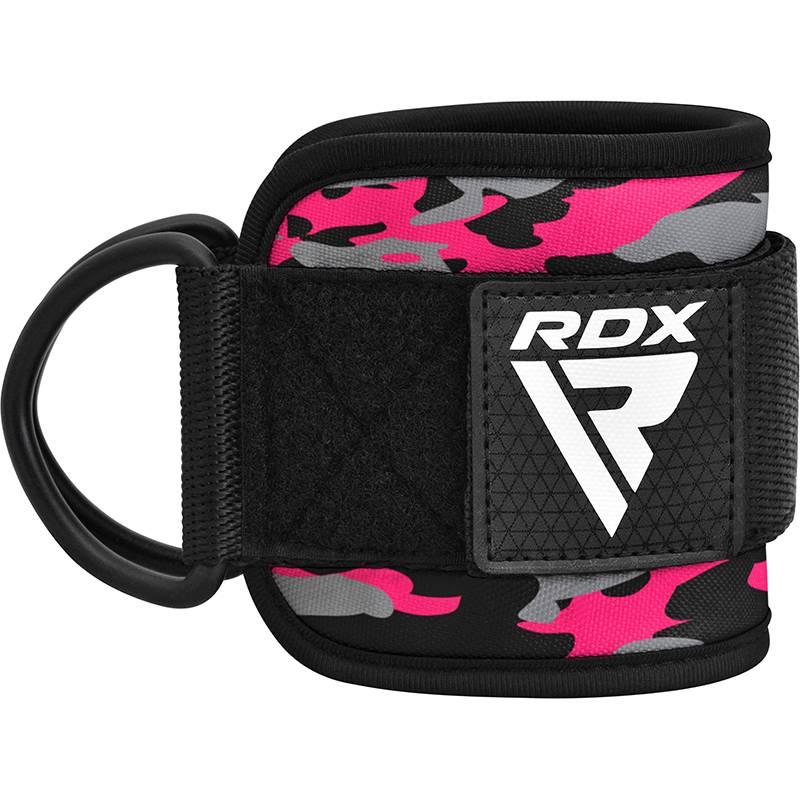
Ease of movement is key in resistance training. The RDX A4 ankle straps for cable machines are exactly what you need to make the most of your leg day at the gym.

Ease of movement is key in resistance training. The RDX A4 ankle straps for cable machines are exactly what you need to make the most of your leg day at the gym.

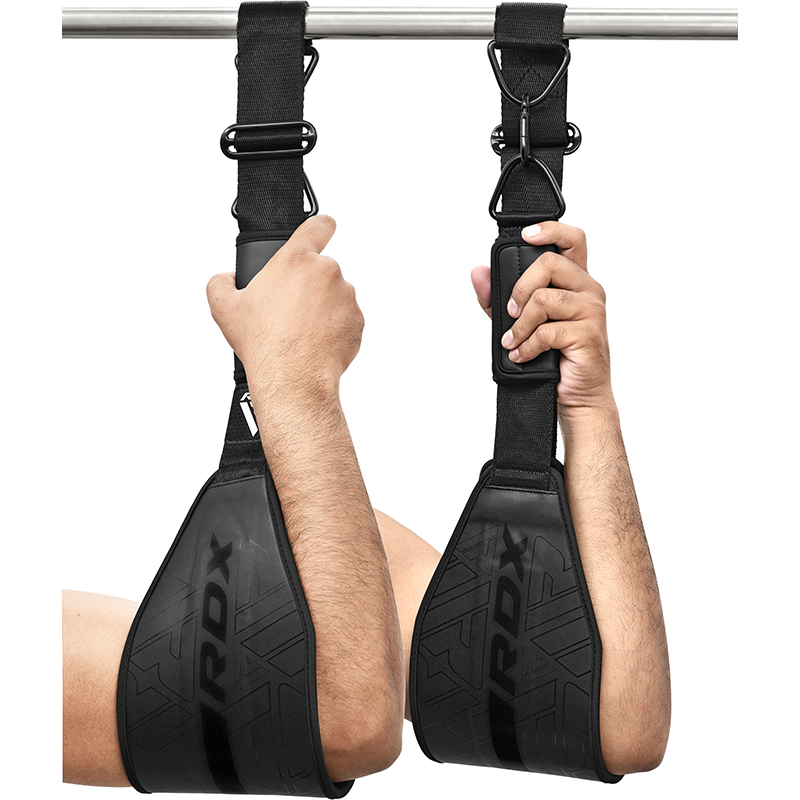
The F6 Ab straps are made of indestructible N-Tear X Mayahide leather, so you can hang freely and perform your abdominal exercises without any hindrance.

For athletes and fitness enthusiasts, having the right gear can be crucial to performance. Introducing the RDX T2 gloves, which are designed to provide a comfortable and…

RDX women's lifting straps combine the best in comfort and durability, making them perfect for days when you're lifting heavy loads.
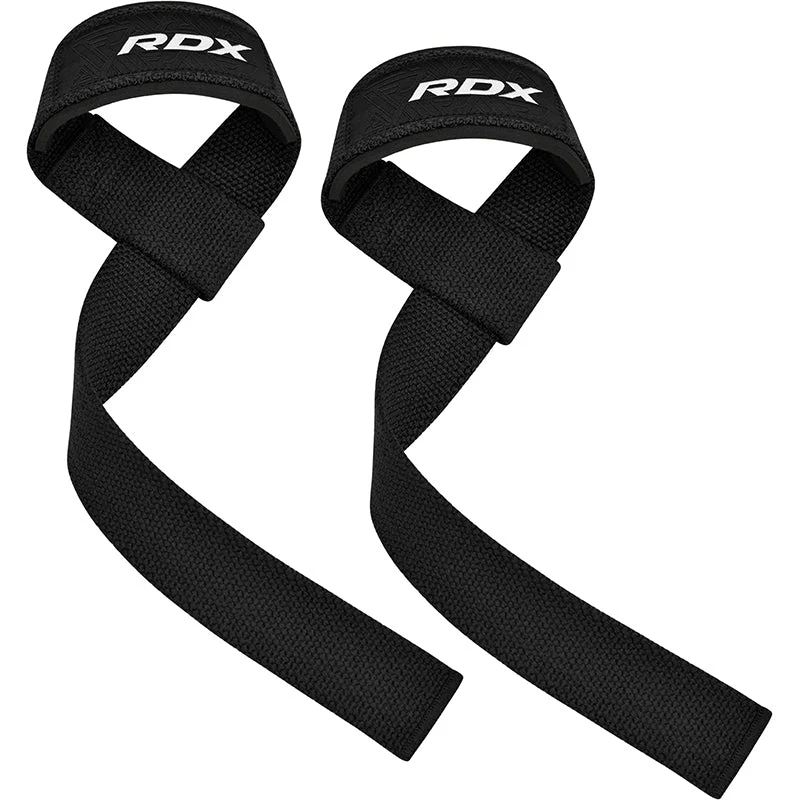
RDX W1 Wrist Strengthening Straps, Black No more compromises! With the RDX W1 Wrist Strengthening Straps, you’ll gain confidence and strength for every pull.

For athletes and fitness enthusiasts, the right gear can make a big difference in performance. Introducing the T2 gloves, designed to provide a comfortable and supportive grip for any workout.

Introducing the RDX RX5 weightlifting belt—the perfect companion for your weightlifting journey. Made from premium polyester fabric, this belt offers optimal support and…

Ease of movement is key in resistance training. The RDX A4 ankle straps for cable machines are exactly what you need to make the most of your leg day at the gym.

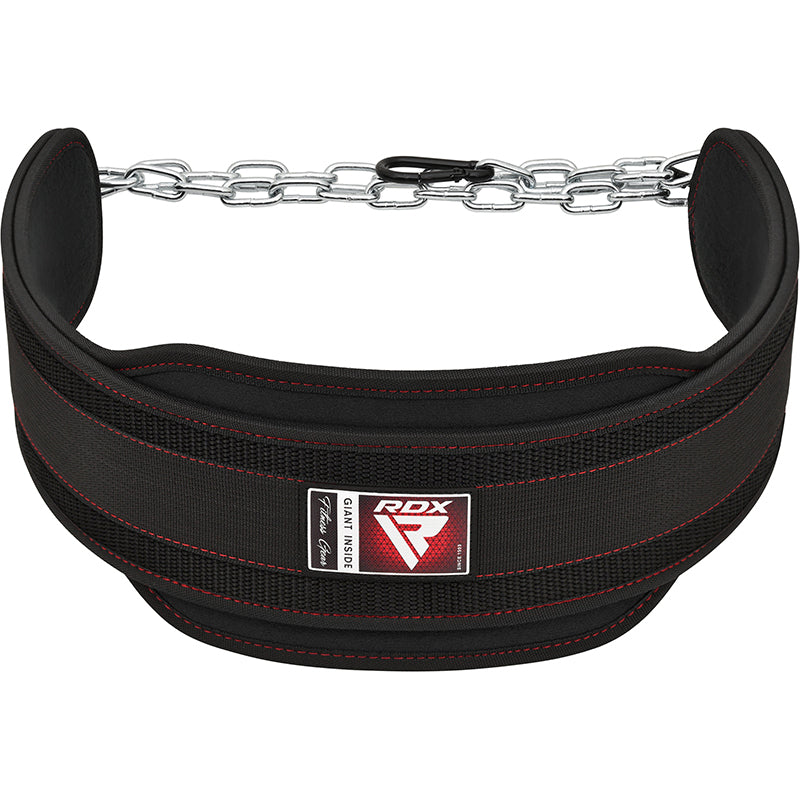
To ensure the comfort and safety of both amateur and professional weightlifters, the T7 Pro Dipping Belt, with its tapered design, features a thick layer of EVA foam padding…
Acra is a purely Czech brand that has been providing a full range of sports equipment for homes and rural playgrounds since 1991.
Customer Service Center
Feel free to write anytime
Call Mon–Fri, 6 a.m.–3 p.m.
Delivery Methods
Payment Methods