How to choose volleyball equipment


Do you just want to play recreationally, or are you looking for equipment for regular training in a hall or on sand?

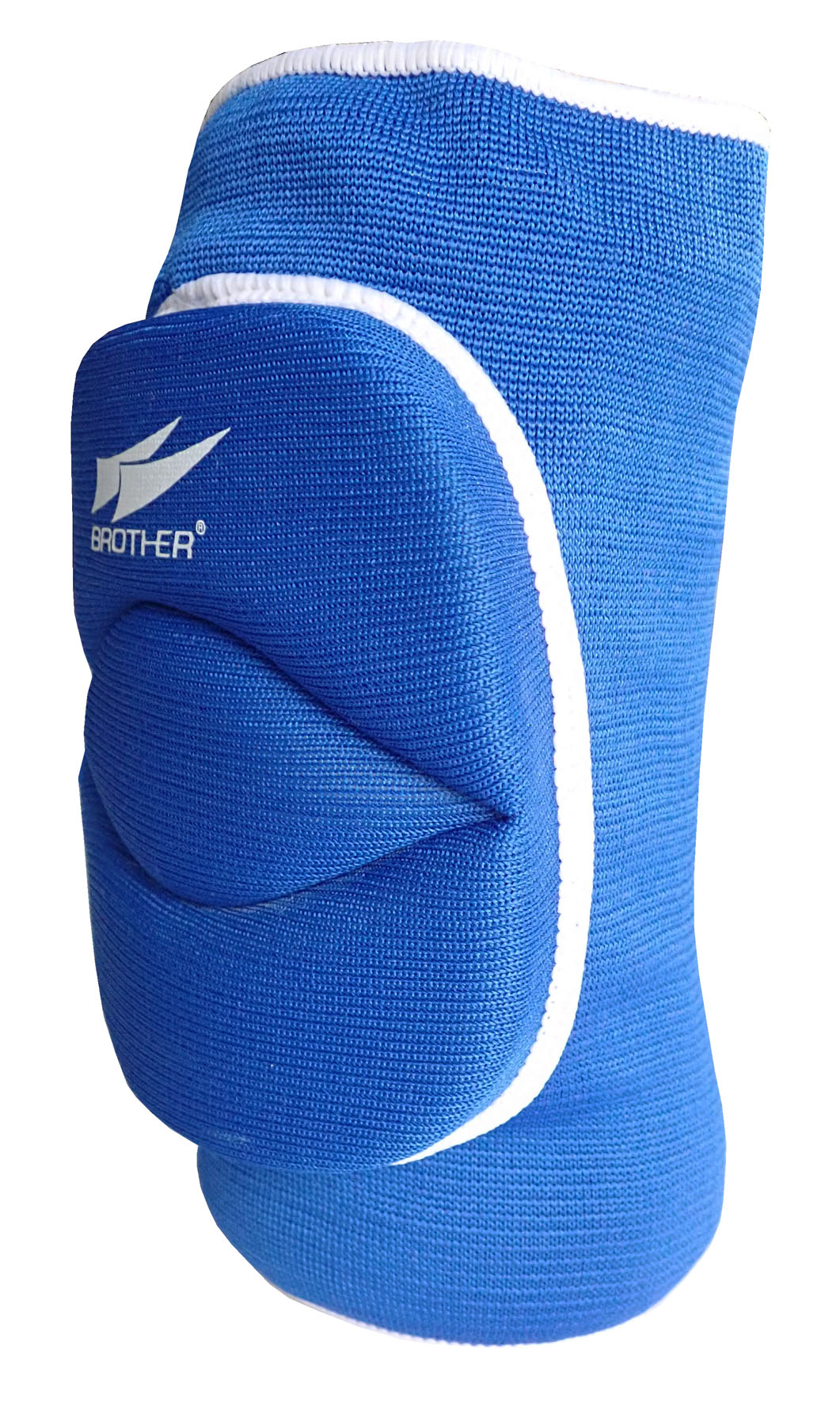
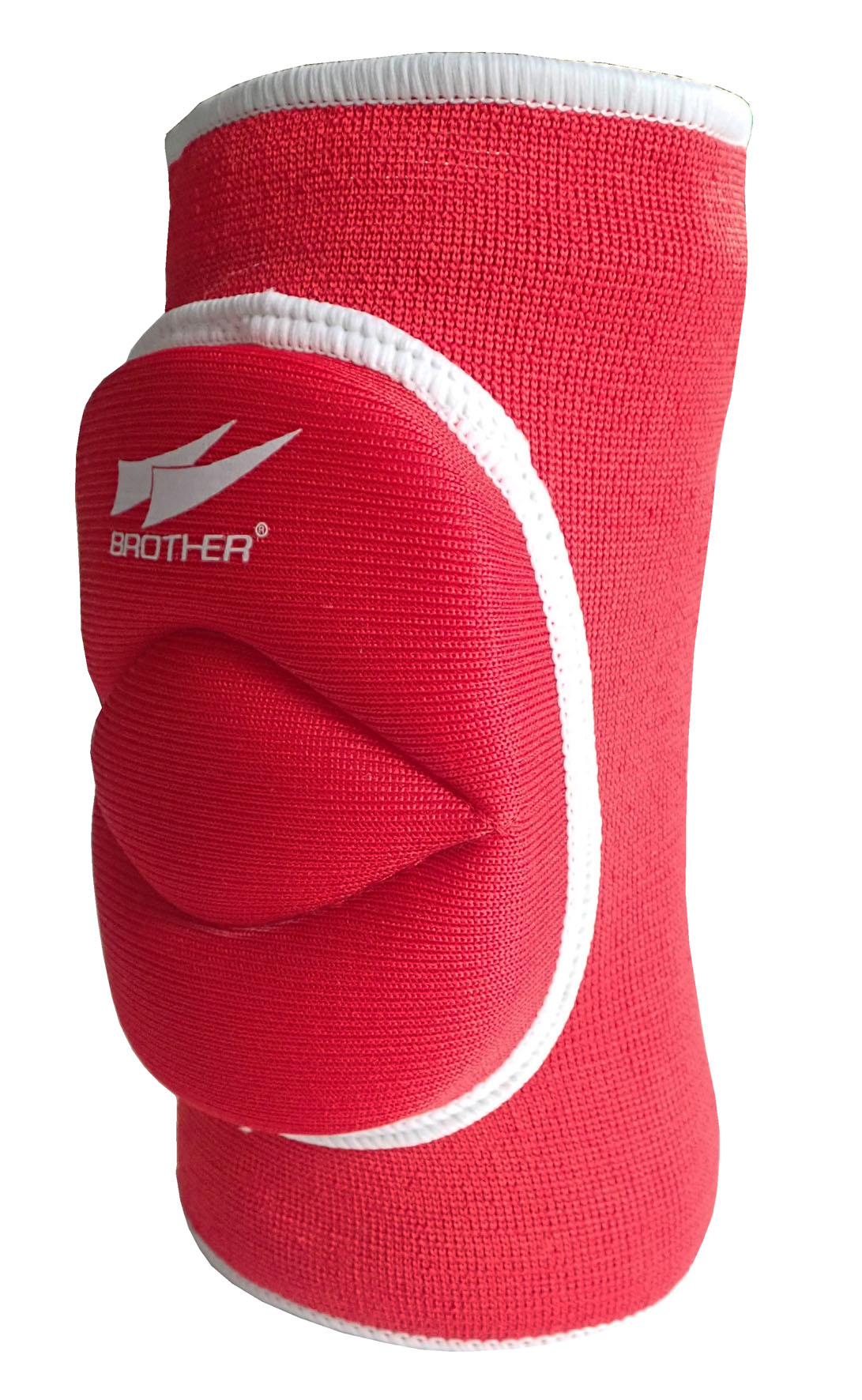
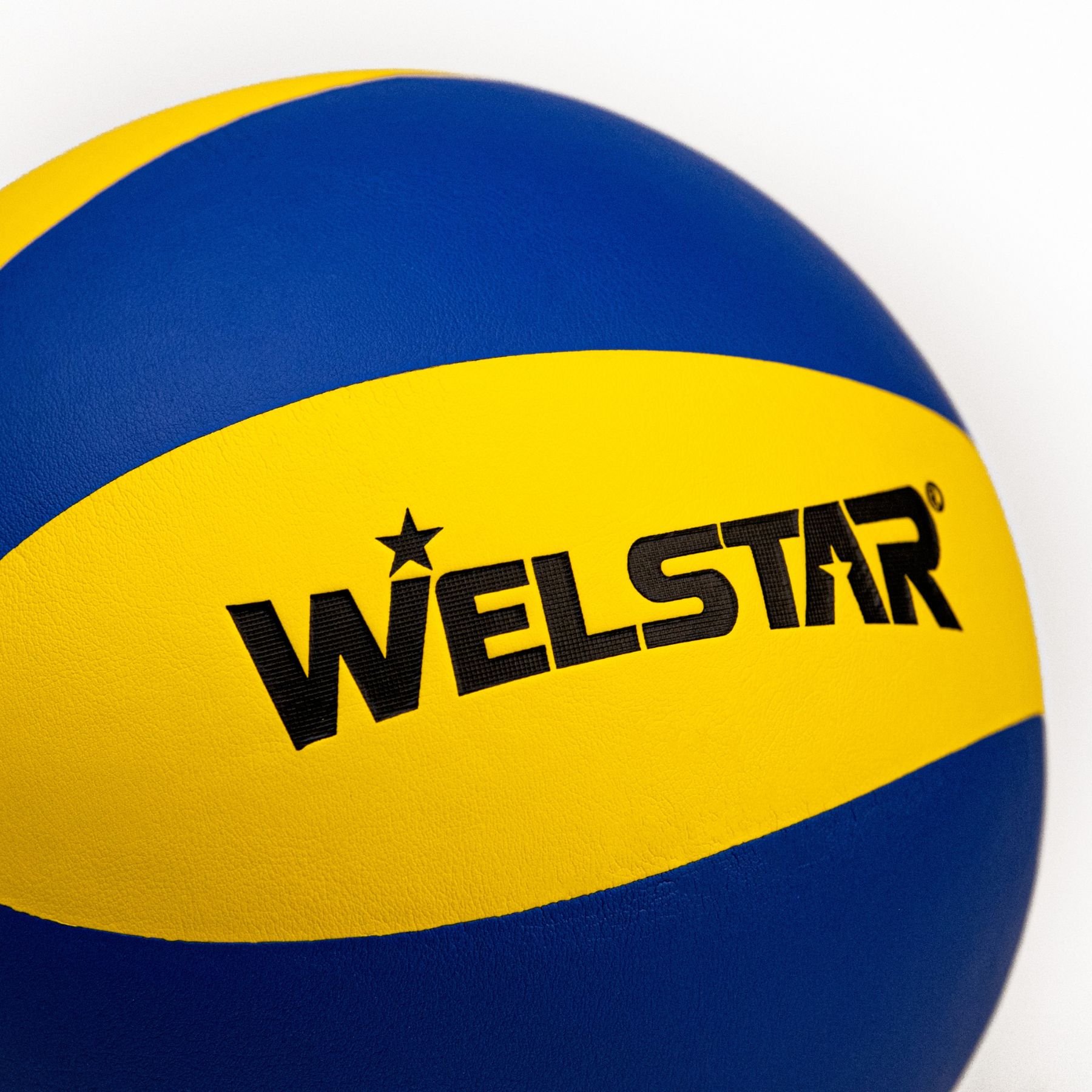
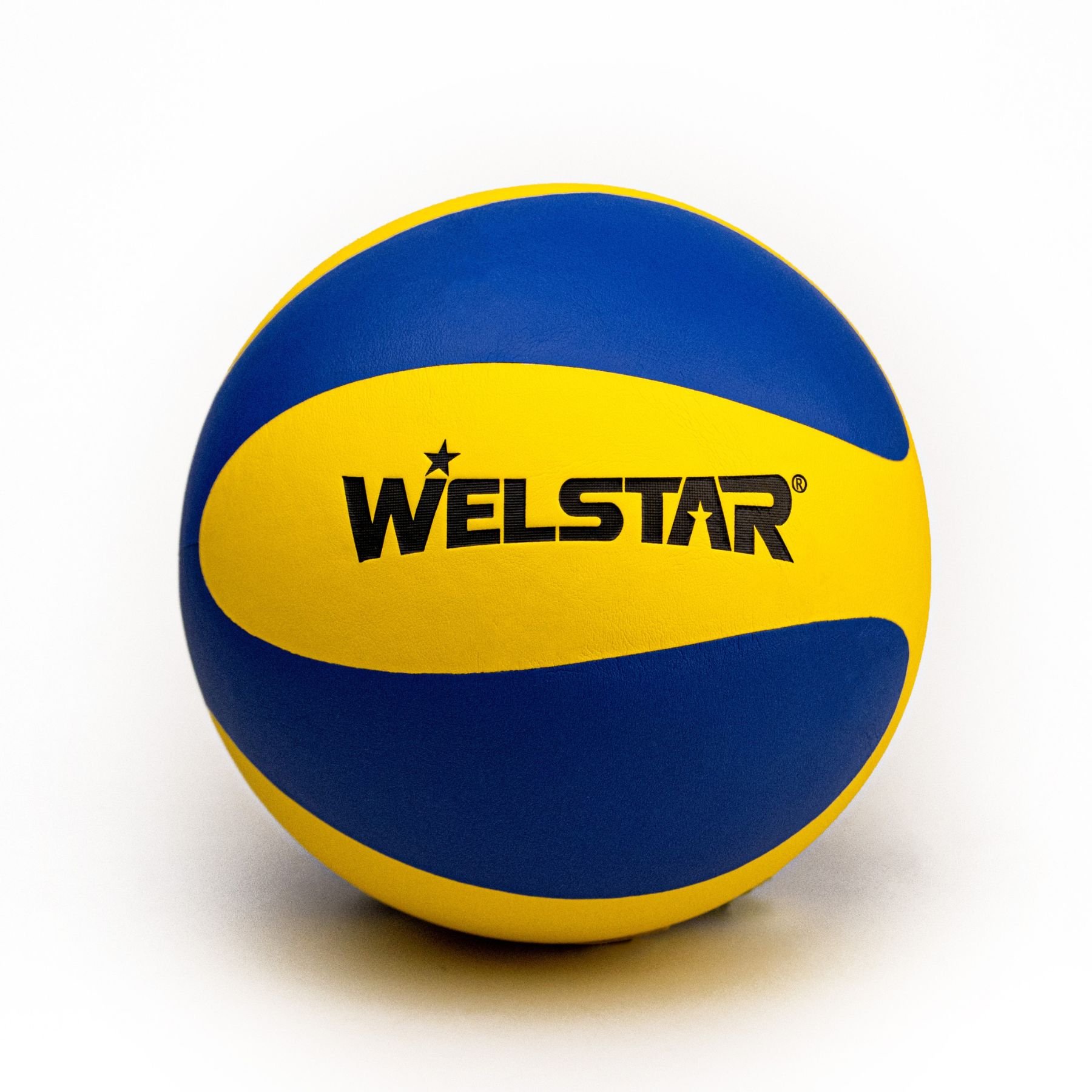
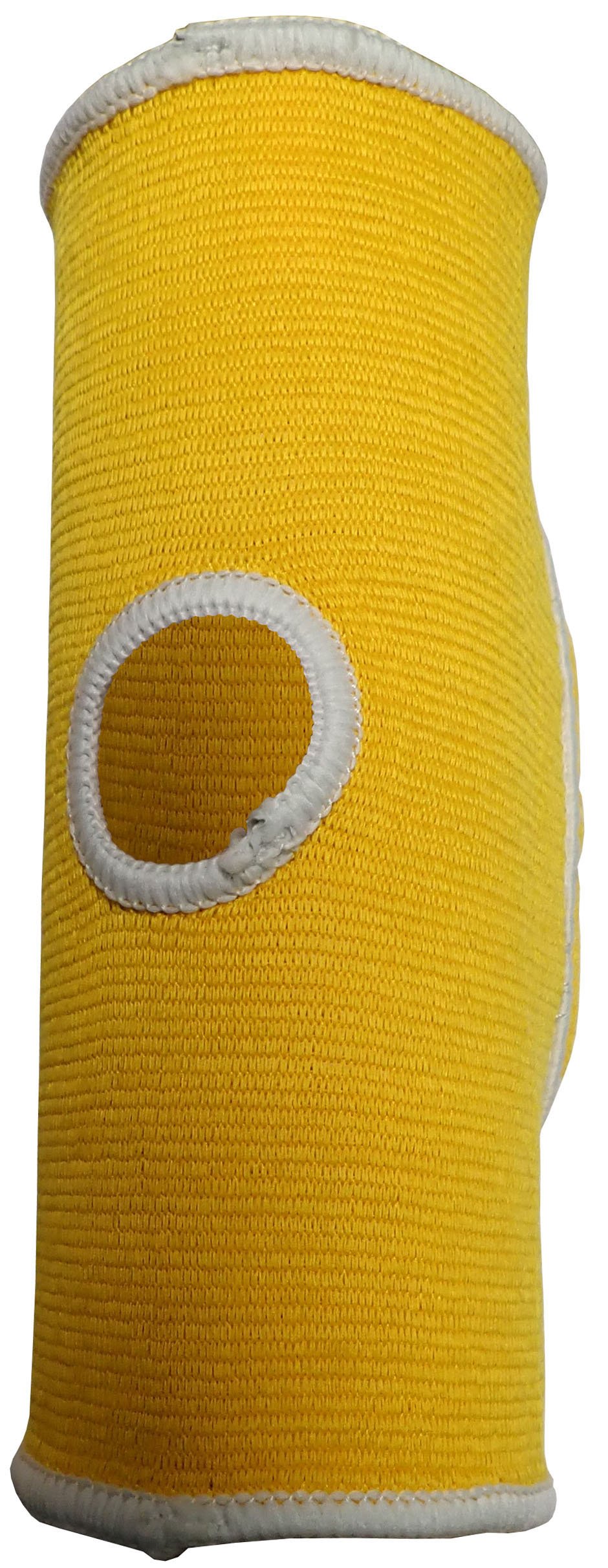
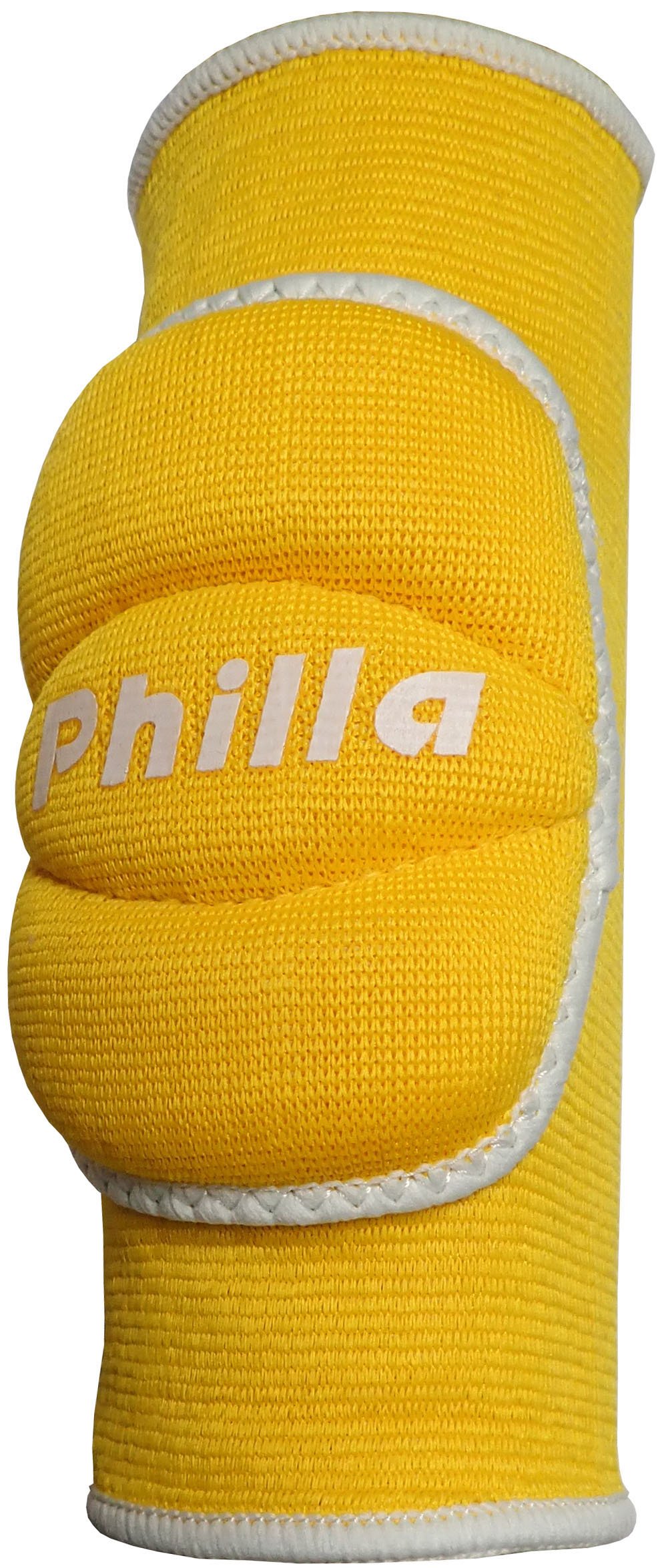
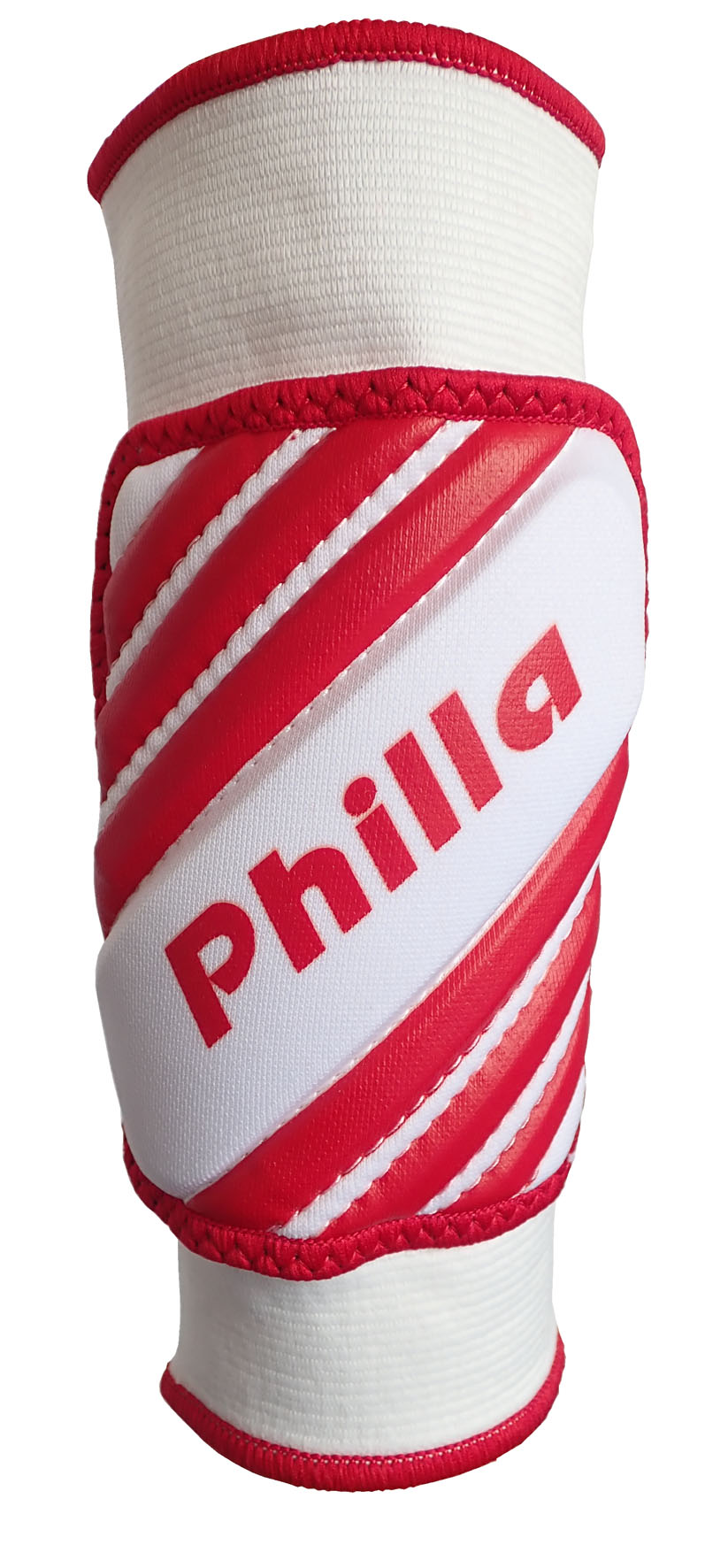
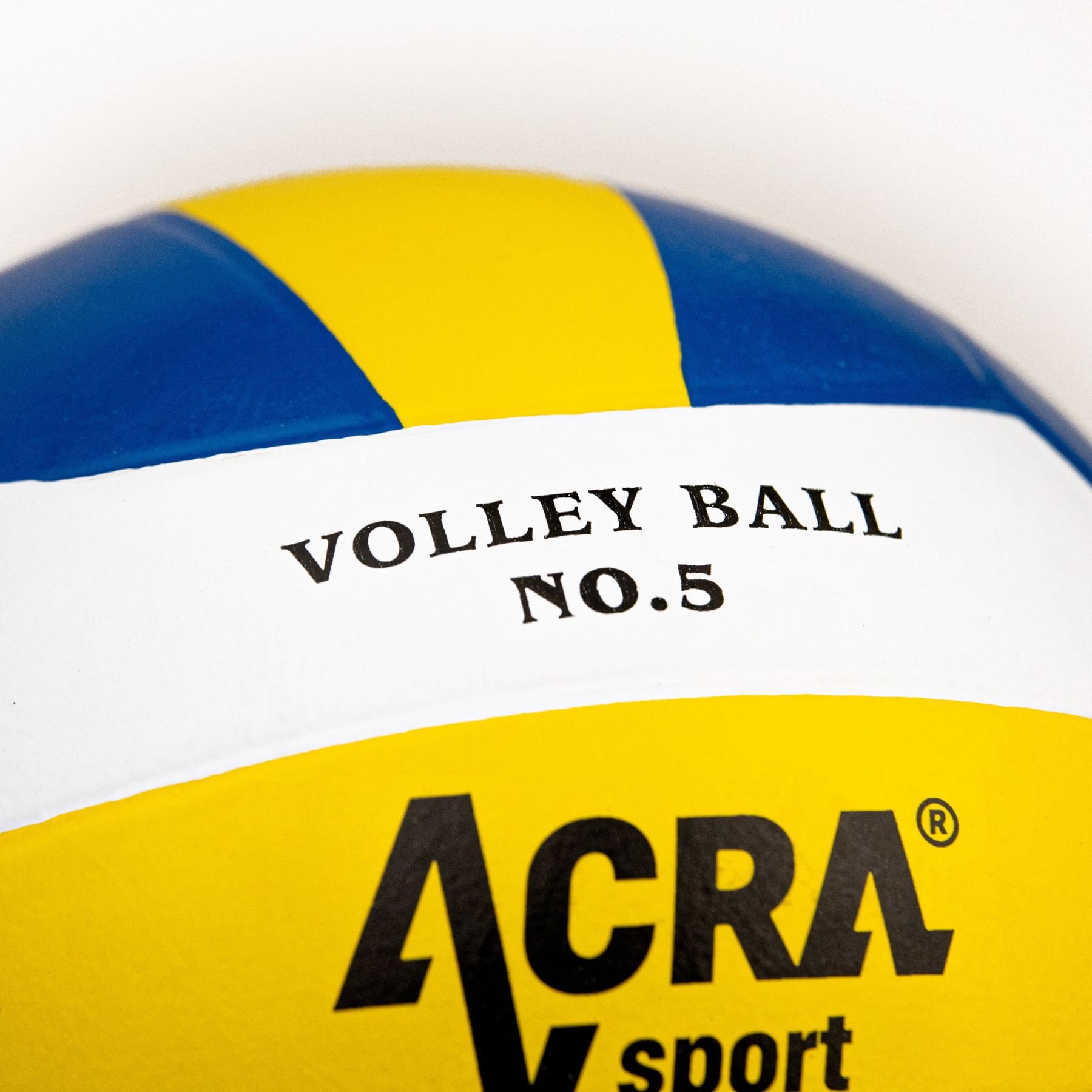
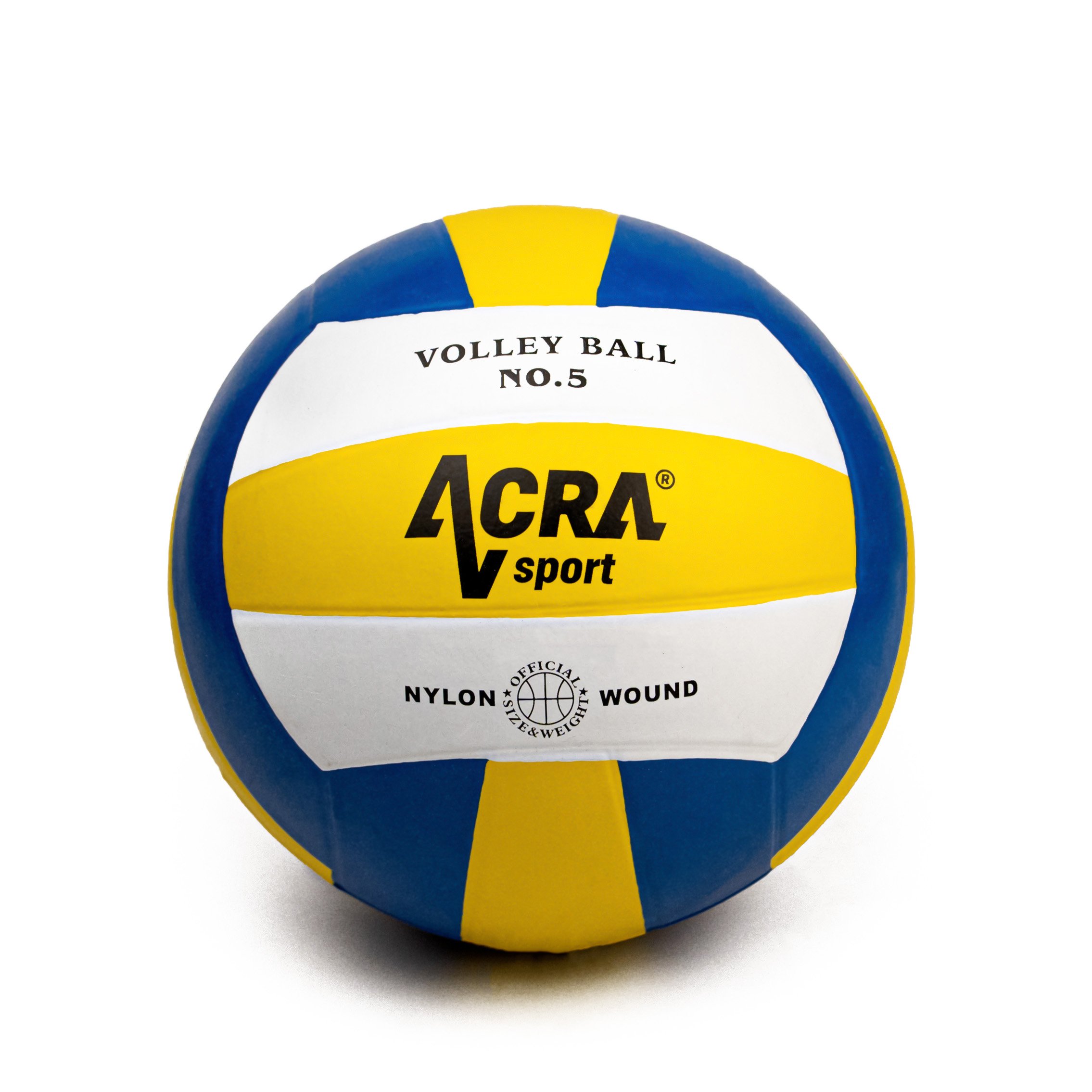
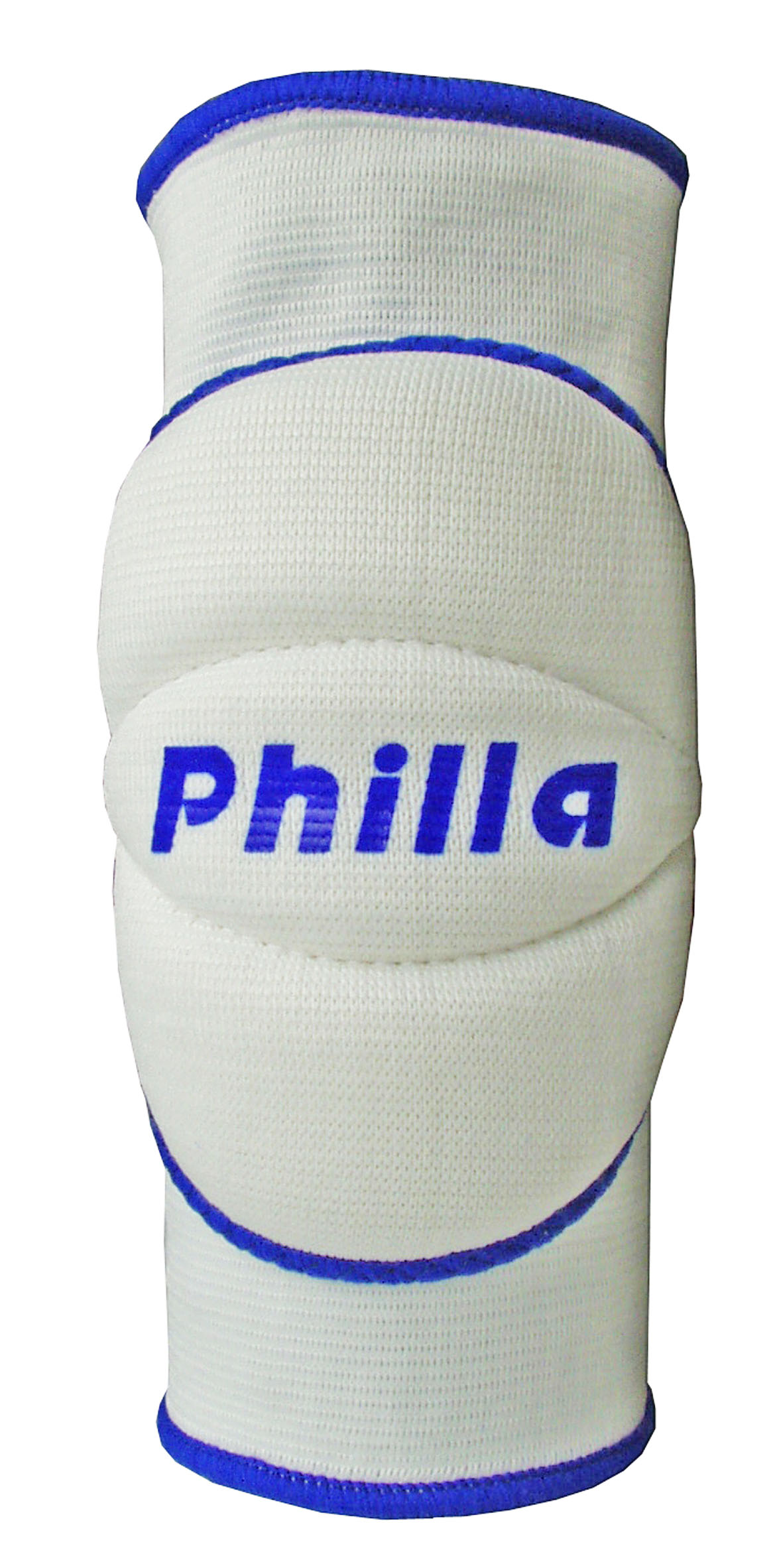
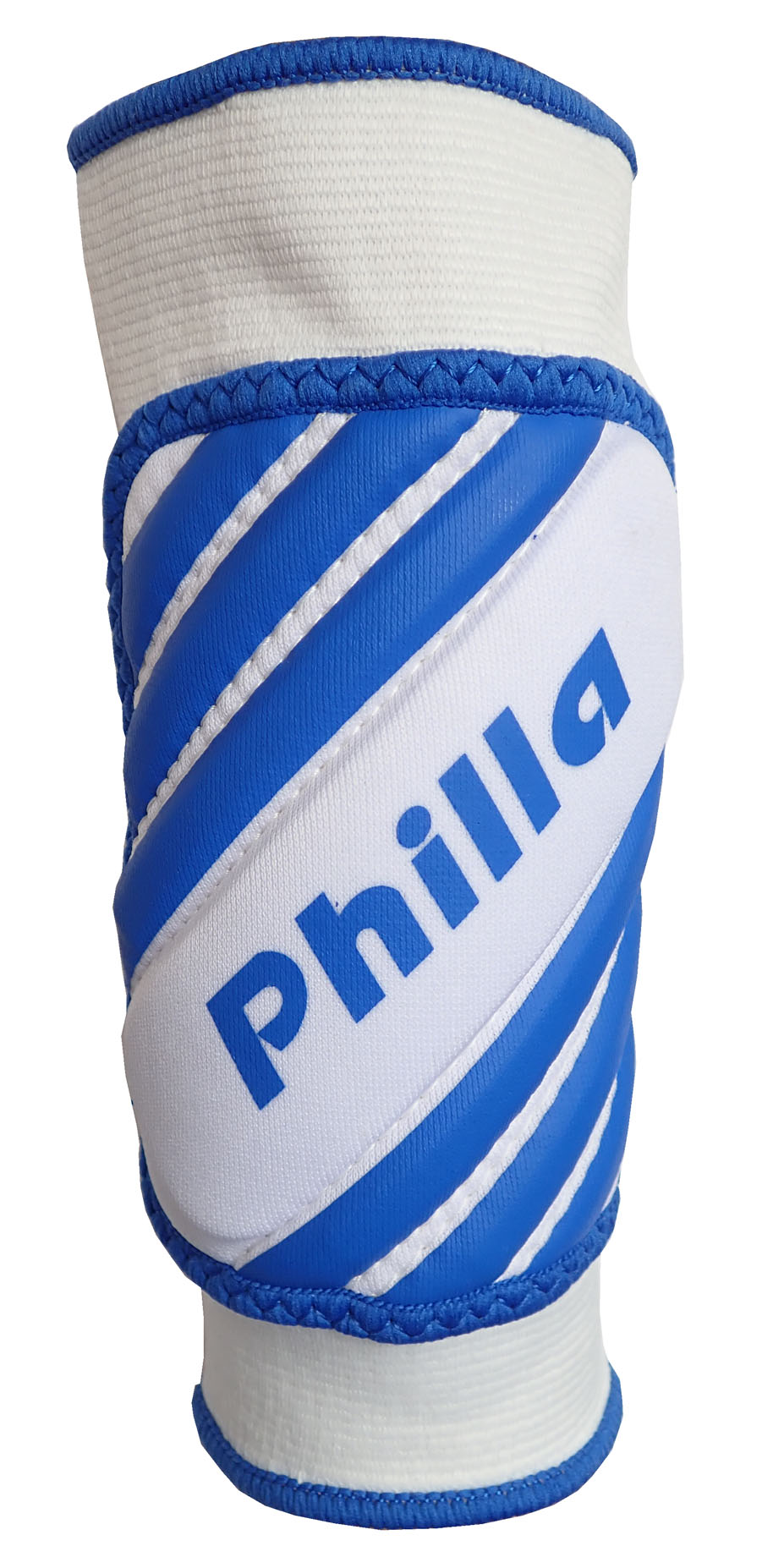
In our volleyball category, you will mainly find volleyballs and knee pads (knee protectors) – two items that will make the biggest difference in your comfort and enjoyment of the game.


How to choose a volleyball: 5 most important parameters

1) Where will you play (indoor, outdoor or beach)

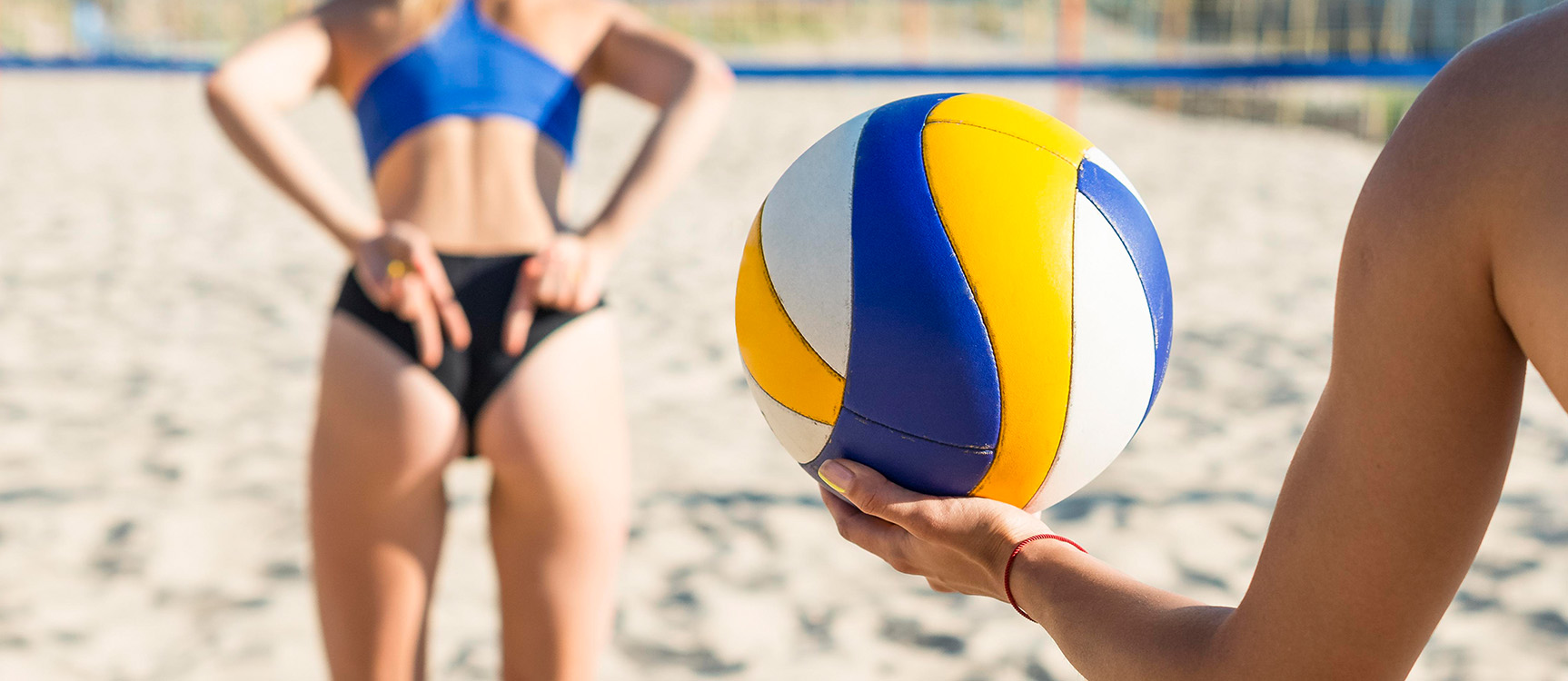
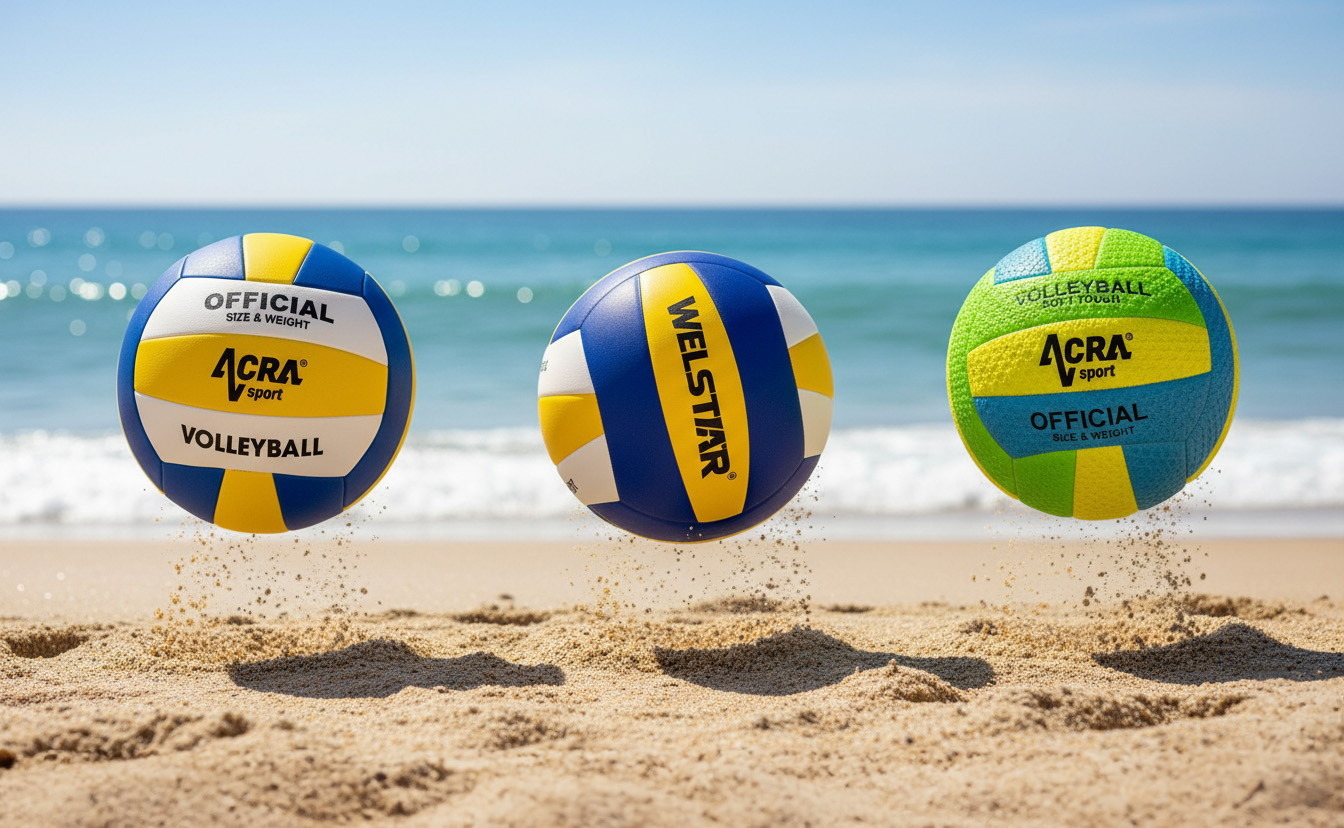
Indoor courts typically require a ball with a more pleasant feel and better grip. Outdoor courts require a more durable surface (often rubber). Beach balls are designed for sand and usually have slightly different dimensions than indoor balls.


2) Size and weight (make sure you play with the right ball)

For adults and older teenagers, the most common size is size 5 – approximately 65–67 cm in circumference and 260–280 g in weight.


3) Surface/material = comfort and control

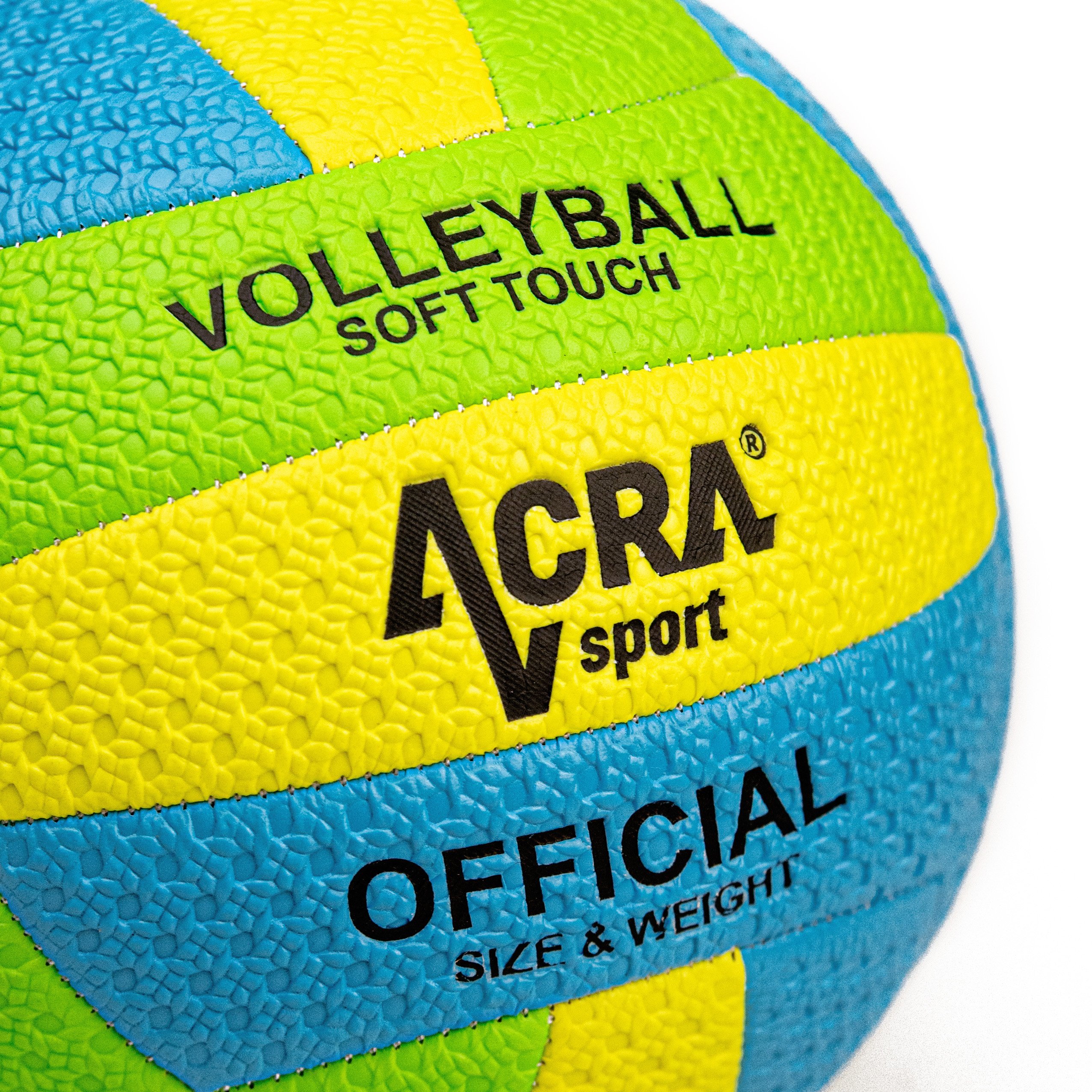
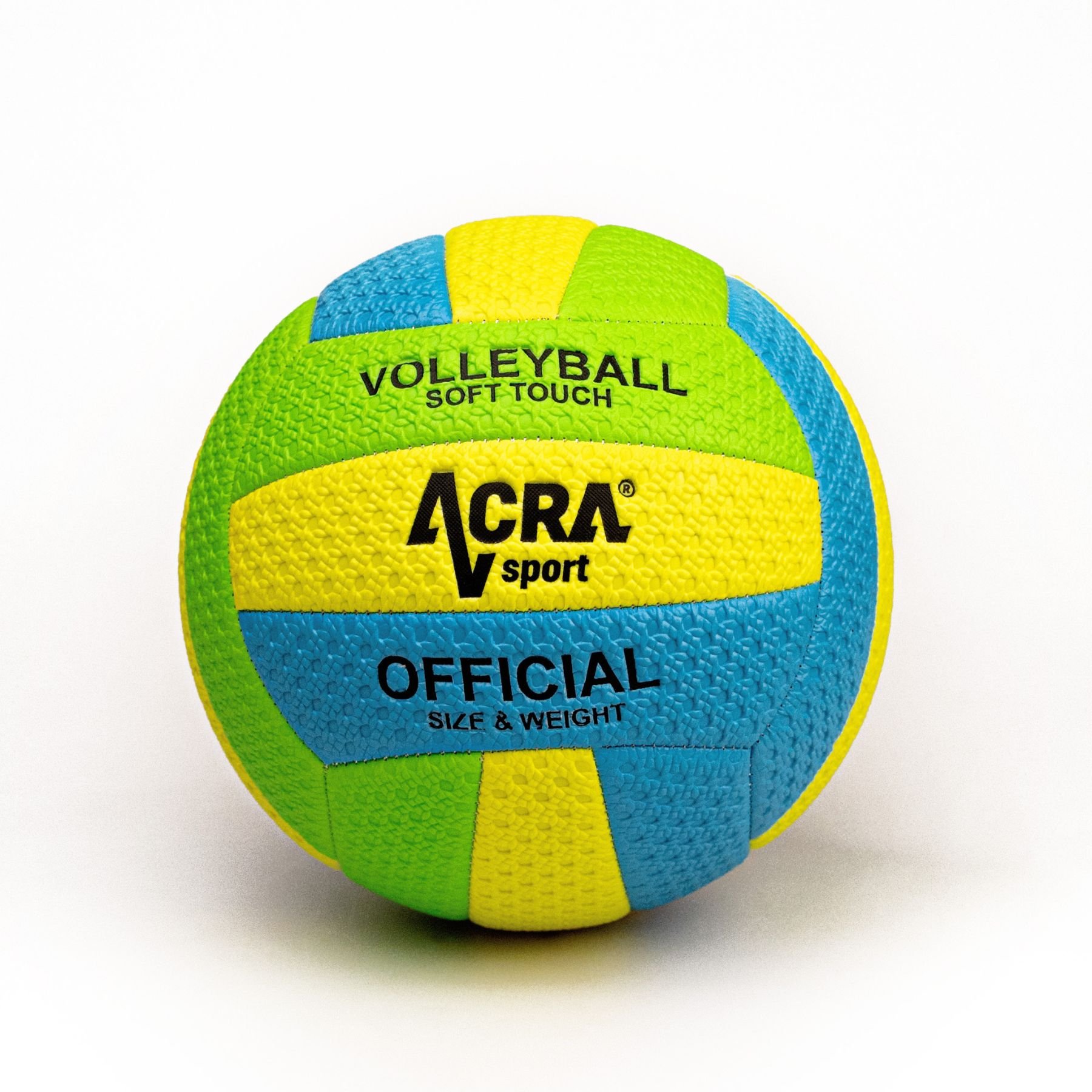
If you want more comfortable contact and better control, look for a softer surface (e.g. PU / microfibre). If you want outdoor durability, rubber is often the best choice. We offer Micro Fibre PU and PU “Super Touch” as well as rubber variants.


4) Construction (stitched/laminated) and shape stability

Products in this category feature both “stitched” (durability, shape) and “laminated” construction (stable shape, consistent bounce).


5) “Official” parameters vs. recreational play

If you play regularly, you will notice the difference in a ball that maintains its parameters and behaves consistently. For recreational play, a durable and comfortable ball without the need for certification is often sufficient (for reference: “official” parameters typically range from 65-67 cm in circumference and 260-280 g in weight).


Quick selection based on how you play


Knee pads: what to consider to ensure they fit properly and really help

1) Size and tightness

Knee pads should be firm but not constricting. If they are too loose, they will slip down; if they are too tight, they will restrict movement.


2) Shape (anatomical vs. classic)

Anatomical designs often provide better support during movement and can be more stable during impacts.


3) Anti-slip (especially for indoor use)

If you play indoors, it makes sense to consider anti-slip features – selected models have anti-slip stripes across the sole.


4) Degree of reinforcement/filling

Lighter padding is comfortable and does not get in the way, while reinforced versions offer more protection during frequent falls.


5) Breathability and material

When it comes to knee pads, the combination of materials and abrasion resistance is often discussed – you will appreciate this especially during frequent training.


Specific tips from this category

Frequently Asked Questions (FAQ)

βœ” Which ball should adults choose?
Most often size 5 (approximately 65–67 cm and 260–280 g).

βœ”Β  Is there a difference between indoor and beach balls?
Yes – beach balls typically have slightly different dimensions and are designed for sand and outdoor conditions.

βœ”Β  What if my fingers and forearms hurt after playing?
A ball with a softer, more comfortable surface (“soft touch” / PU) often helps. Our Super Touch or Micro Fiber balls are examples of this.

βœ”Β  How can I tell if my knee pads don’t fit?
If they slide down when you move, or conversely, if they constrict and restrict knee movement.

βœ”Β  Is it worth considering anti-slip features?
Yes, in the hall – if the model mentions anti-slip features, this is a practical advantage.

βœ” What pressure should I inflate the ball to (indoor vs. beach)?
Indoor volleyballs are typically inflated to 0.30–0.325 bar, while beach balls are inflated to a lower pressure of approximately 0.175–0.225 bar (which makes them “softer” on the sand and easier to control).
Volleyball equipment