Small, compact, and effective tools for fitness, coordination, and core strengthening.
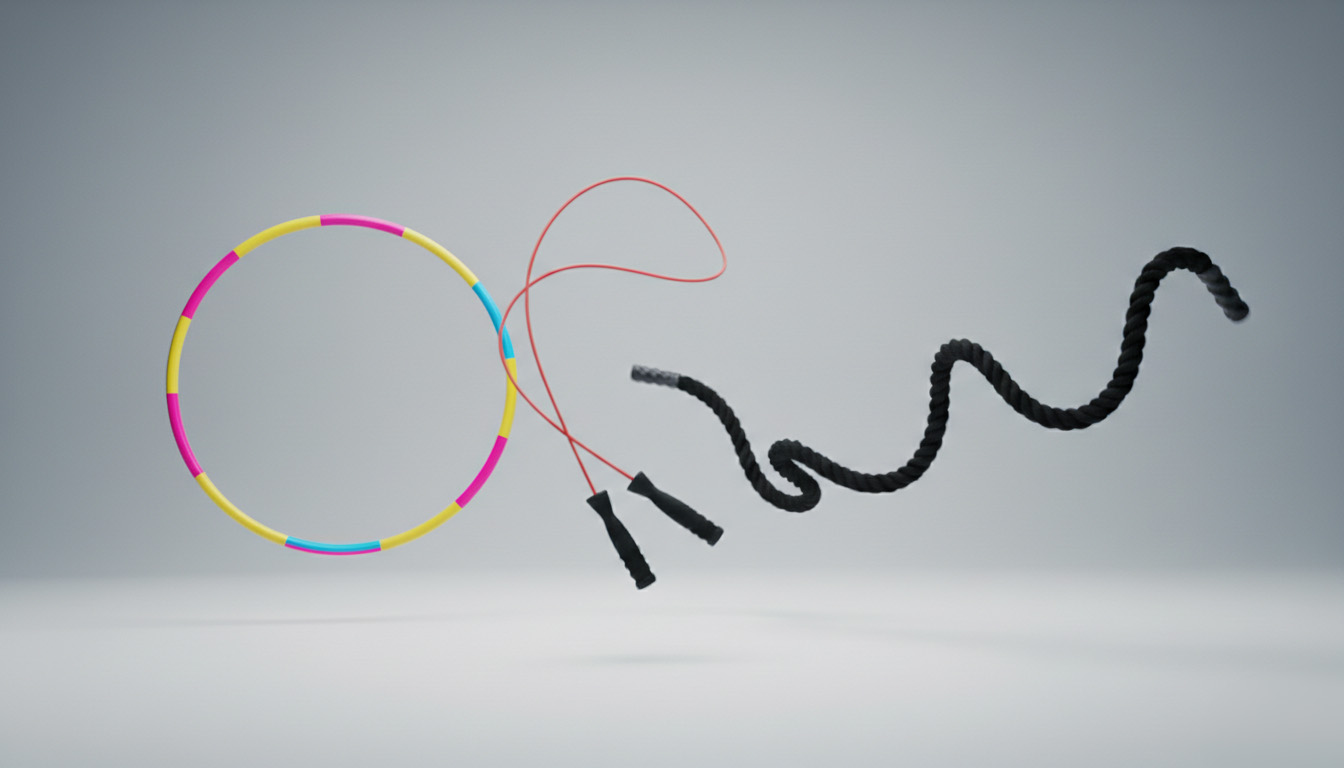
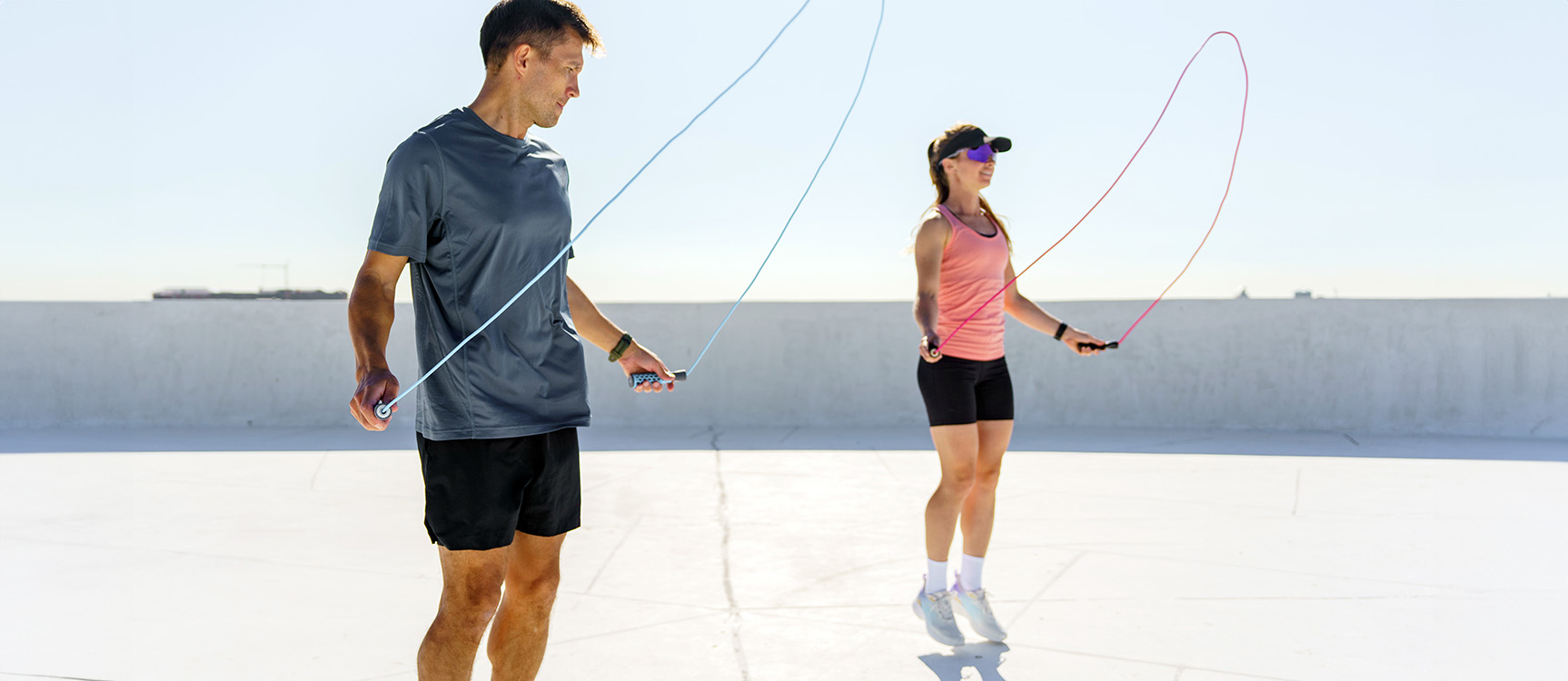
A jump rope is the fastest “anywhere” cardio workout, and a hula hoop is great for core strength and just having fun. For intense interval training, add a training rope.
Which type to choose:
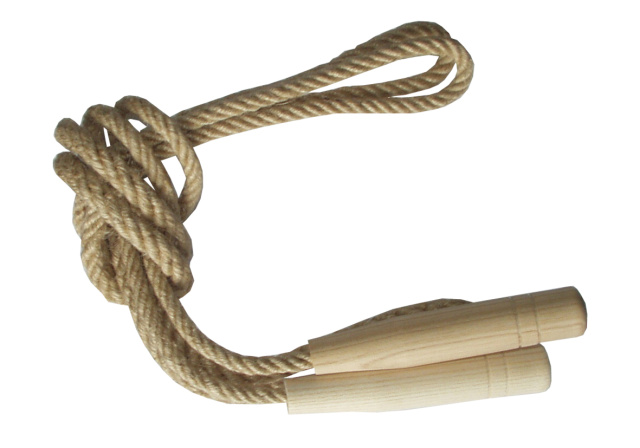
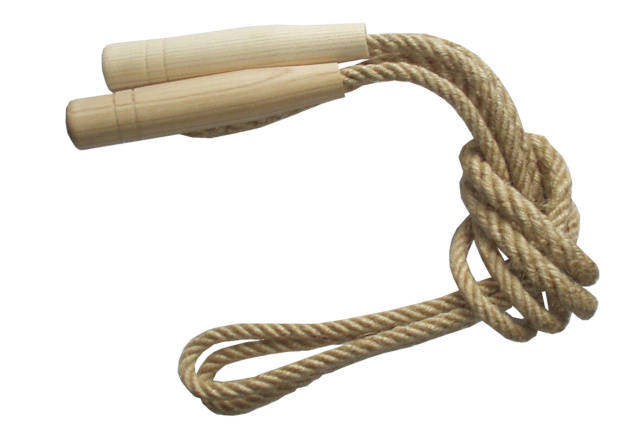
Classic (e.g., jute) – simple, durable, and great for a relaxed atmosphere, even for kids:
With a counter – for motivation and tracking volume:
Speed-adjustable (bearings, steel cable)—smooth motion, ideal for interval training:
Smart / Digital (app, modes, USB) – if you want data and gamification:
Stand in the middle of the rope and lift the handles—they should reach roughly to your armpits.
As a general guideline, the following measurements are often given: <150 cm = 2.15 m / 150–170 cm = 2.50 m / 170–185 cm = 2.70 m / >185 cm = 3.0 m.
In this category, you'll find hoops in various diameters (for children through adults):
Tip for choosing: When it comes to hooping, the right hoop makes getting started much easier (and the wrong one is a real pain), so it’s worth getting the size right.
A jump rope is a great choice when you want to quickly get your heart rate up, strengthen your arms, shoulders, back, and core, and do short, intense intervals. It’s perfect for your home gym, garage, or backyard—ideally anywhere you have space and can securely anchor the rope.
Recommended options:
A quick tip to get you started: try 6–10 rounds of 20 seconds of work / 40 seconds of rest. Once you can do this without your form breaking down, add either more work time (e.g., 25–30 seconds) or a few extra rounds.
✔ Jump rope: Keep your elbows close to your body; rotate mainly at the wrists (not your entire arms); jump low (just lift your toes off the ground).
✔ Start with intervals: 20 seconds of jumping / 40 seconds of rest × 6–10 rounds.
✔ Progression: Once you can do 2 minutes without tripping, increase your speed or add more rounds.
✔ Hula hoop: Start with a larger hoop; focus on rhythm and hip movement (not strength).
✔ Battle rope: Short, intense intervals (e.g., 15–30 seconds of work) often work better than “pulling it for 5 minutes straight.”
What’s the best surface for jumping rope?
Most injuries (to the shins and knees) tend to occur when jumping on hard concrete. A rubber mat, wooden floor, or sports surface is more suitable; when you’re just starting out, it’s a good idea to cushion your landing.
How do I know the right length for a jump rope?
Stand in the middle of the rope and lift the handles—the end of the rope should reach roughly to your armpit or sternum (depending on your style and experience).
Which is better: a classic jump rope vs. a speed rope (steel cable)?
A classic jump rope (e.g., jute/PVC) is more forgiving, comfortable for beginners, and suitable for regular cardio.
A speed rope is more precise and faster, but it’s harsher on technical mistakes and can be uncomfortable on hard surfaces.
What size hula hoop for a child?
50 cm is designed for smaller children; 70 cm is generally more versatile.
Which hula hoop should I choose so it doesn’t fall off after two spins?
Beginners usually do better with a larger diameter because it spins more slowly and gives them more time to find their rhythm. Diameters around 90–100 cm are often recommended for beginners (depending on body type and hoop style).
Battle rope: How do I start without straining my shoulders?
Start with short intervals and the following technique:

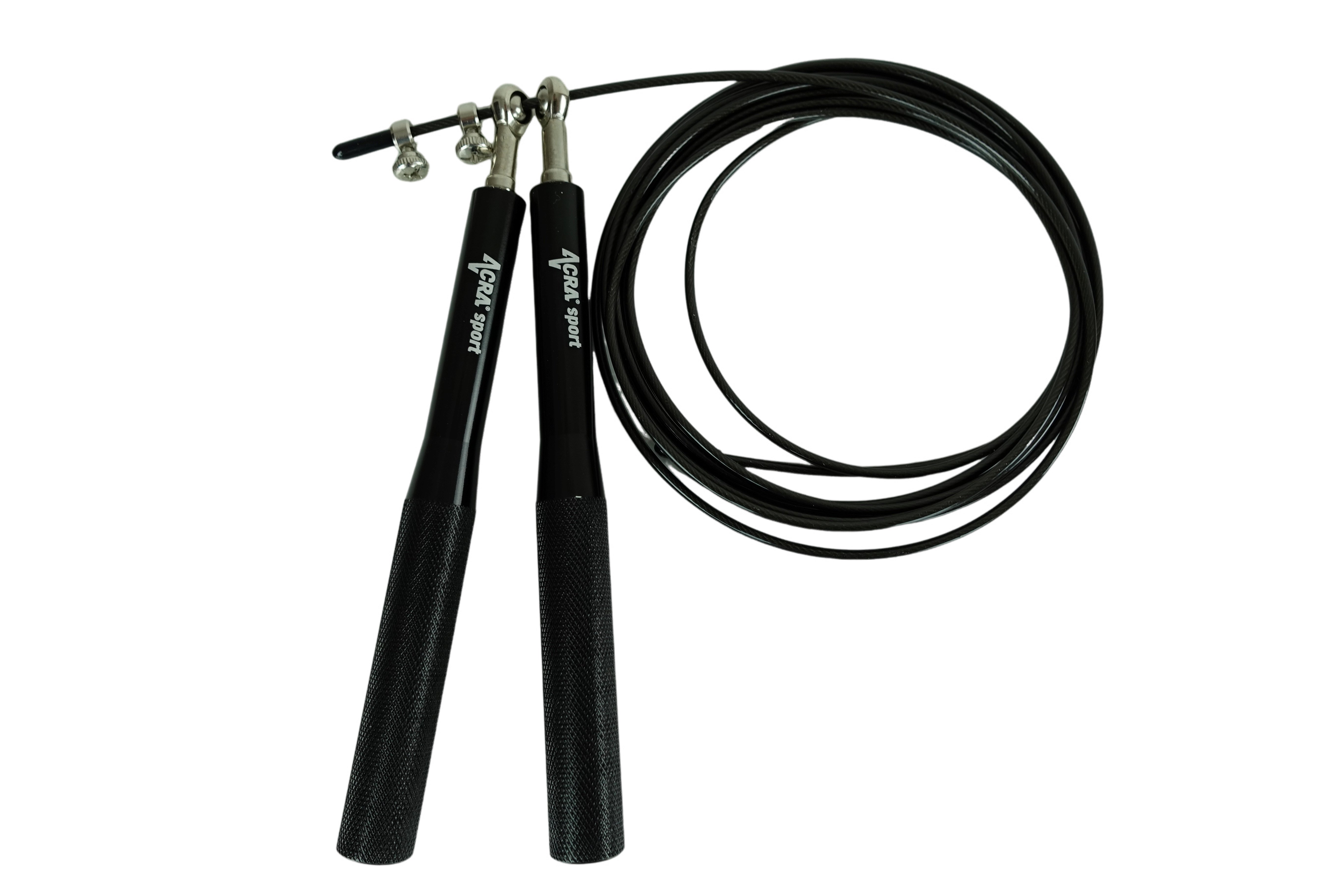
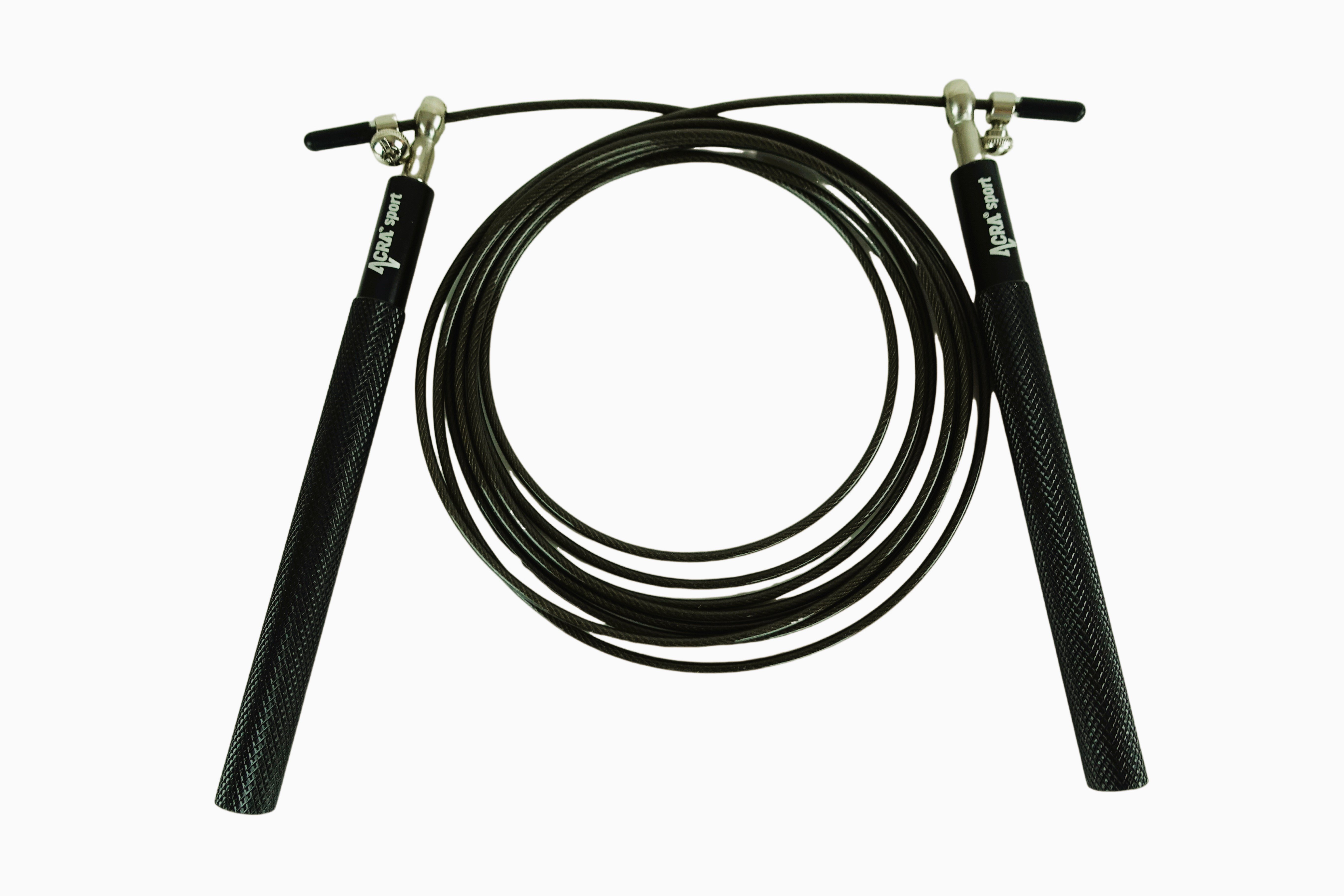
The Acra Jump black jump rope is an excellent exercise tool for improving overall fitness. The handles, made of sturdy aluminum, have a non-slip surface, which ensures…

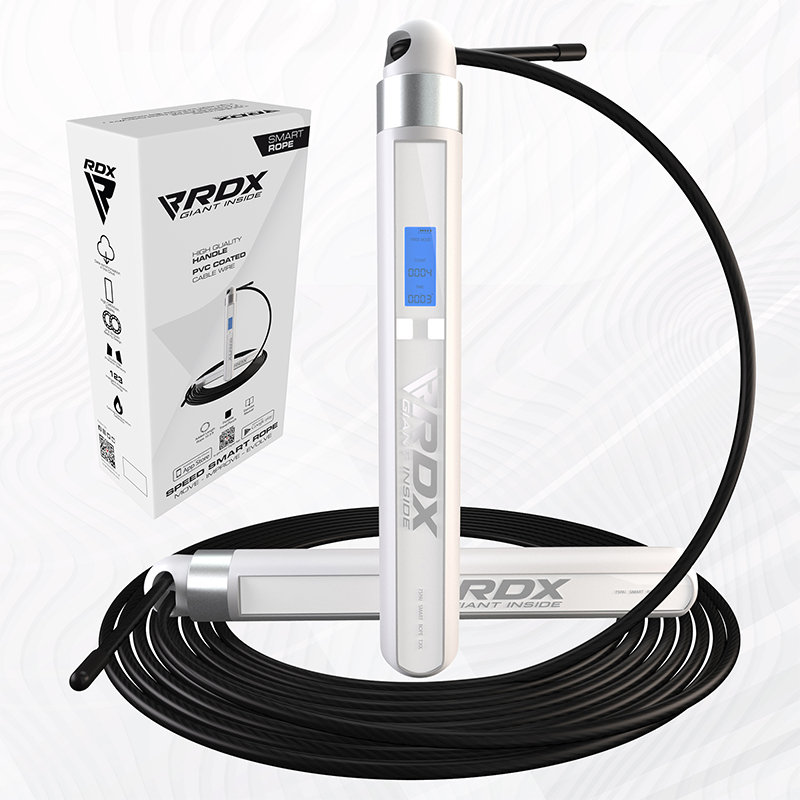
Are you losing track of time, calories, or the number of hoops you've jumped through? Our new multifunctional smart jump rope for adults with an LCD display tracks your fitness data and provides…

Promote healthy thinking from the very beginning by giving children the right tools from an early age to improve their overall health and fitness.

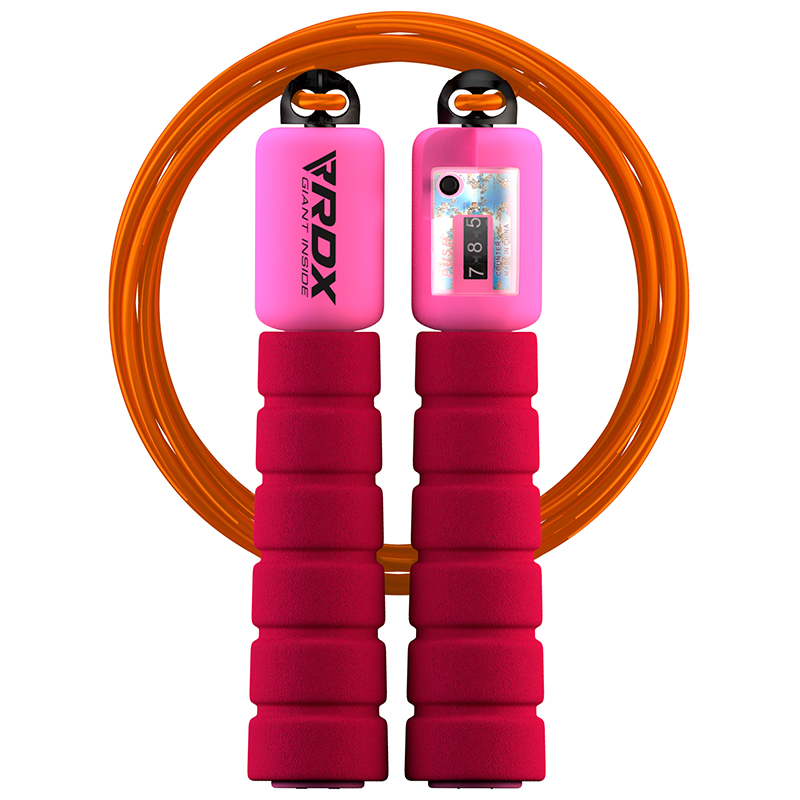
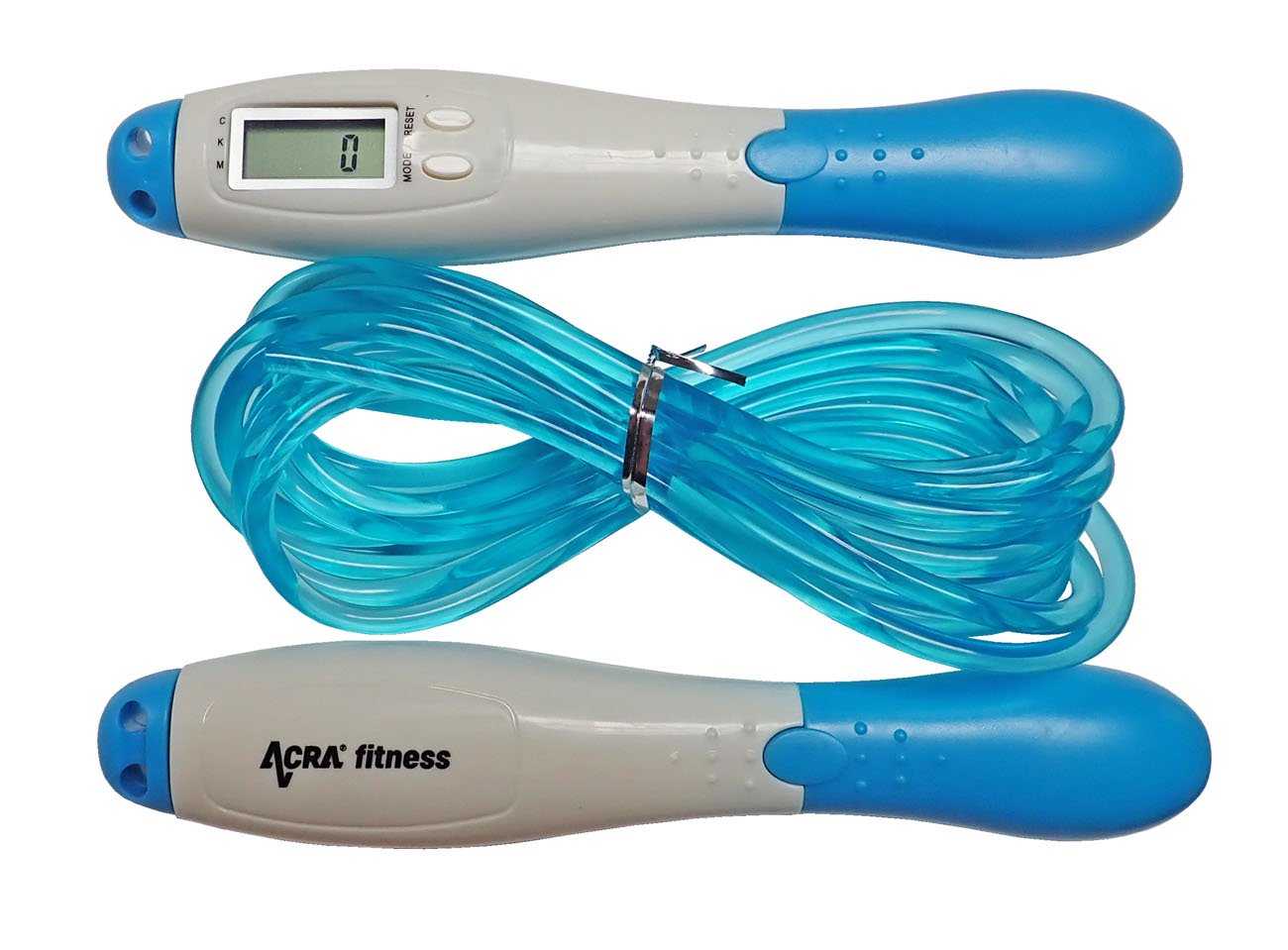
Skipping rope with a counter—2.75 m long. This is a fitness exercise tool. The number of jumps increases with each jump. The counter ranges from 0 to 999.

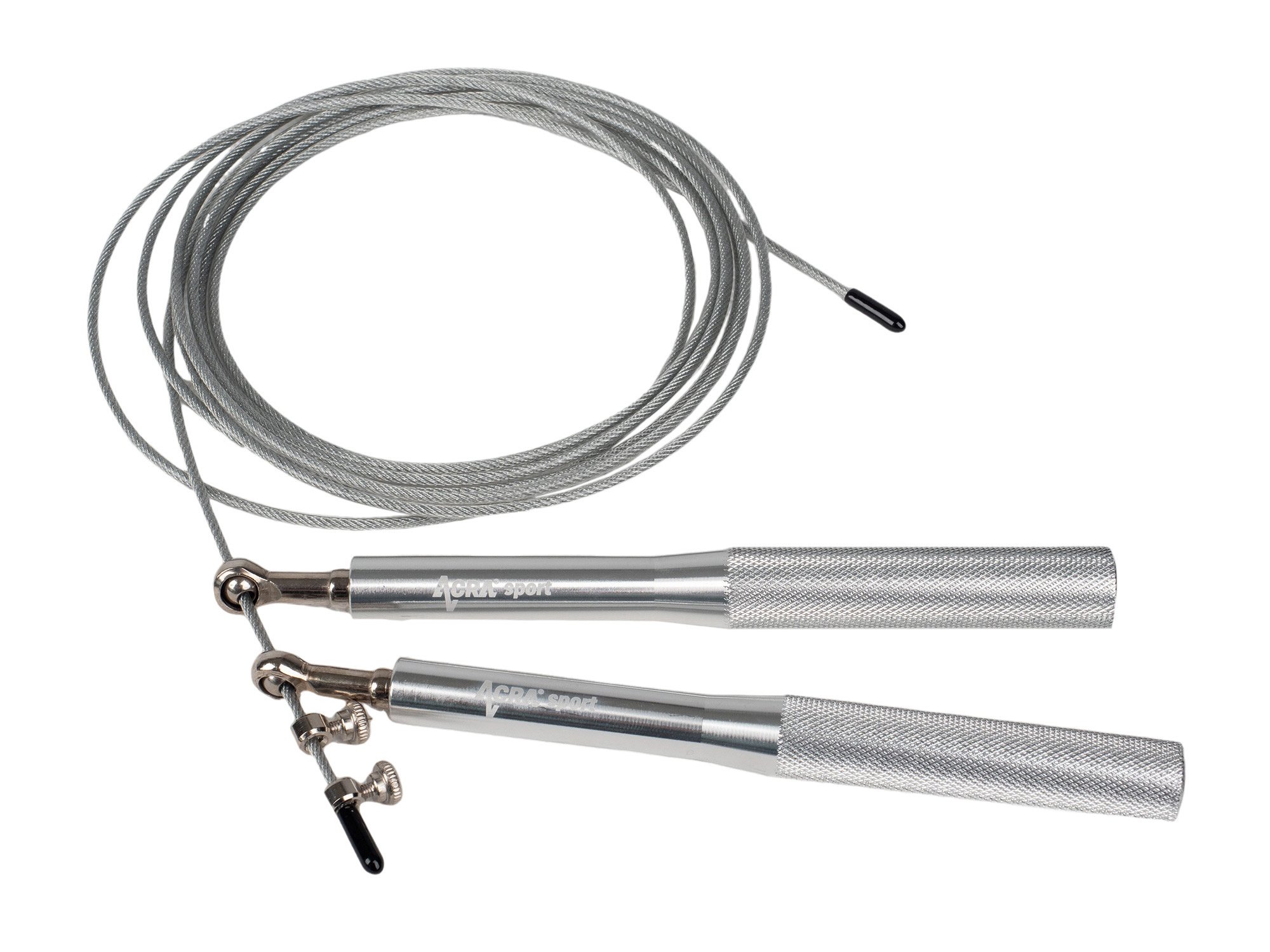
The Acra Silver Jump jump rope is an excellent exercise tool for improving overall fitness. The handles, which are made of sturdy aluminum, feature a non-slip surface, which ensures…

The Acra Black Skipy Jump Rope is an excellent exercise tool for improving overall fitness. The handles, made of sturdy aluminum, feature a non-slip surface, which ensures…

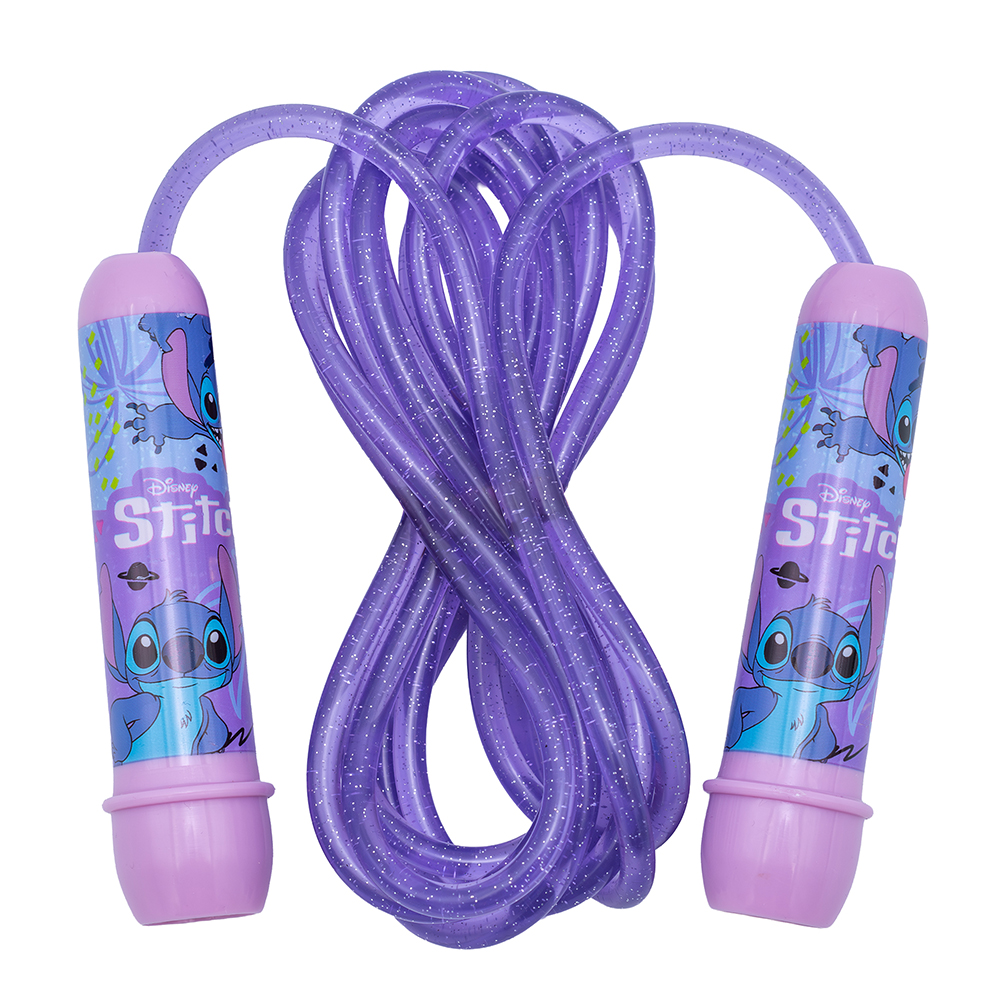
A practical and fun tool to encourage children's daily physical activity. The Stitch jump rope, in an attractive purple design, brings joy to exercise and motivates children to play actively. The popular Stitch character design gives the jump rope a playful look that kids will instantly love.
2.5 m conical jute jump rope, packaged in a PE bag. A classic jump rope with a jute rope reinforced in the middle for better swinging and wooden handles.
3-meter conical jute jump rope, packaged in a PE bag. A classic jump rope with a jute rope reinforced in the middle for better swinging and wooden handles.

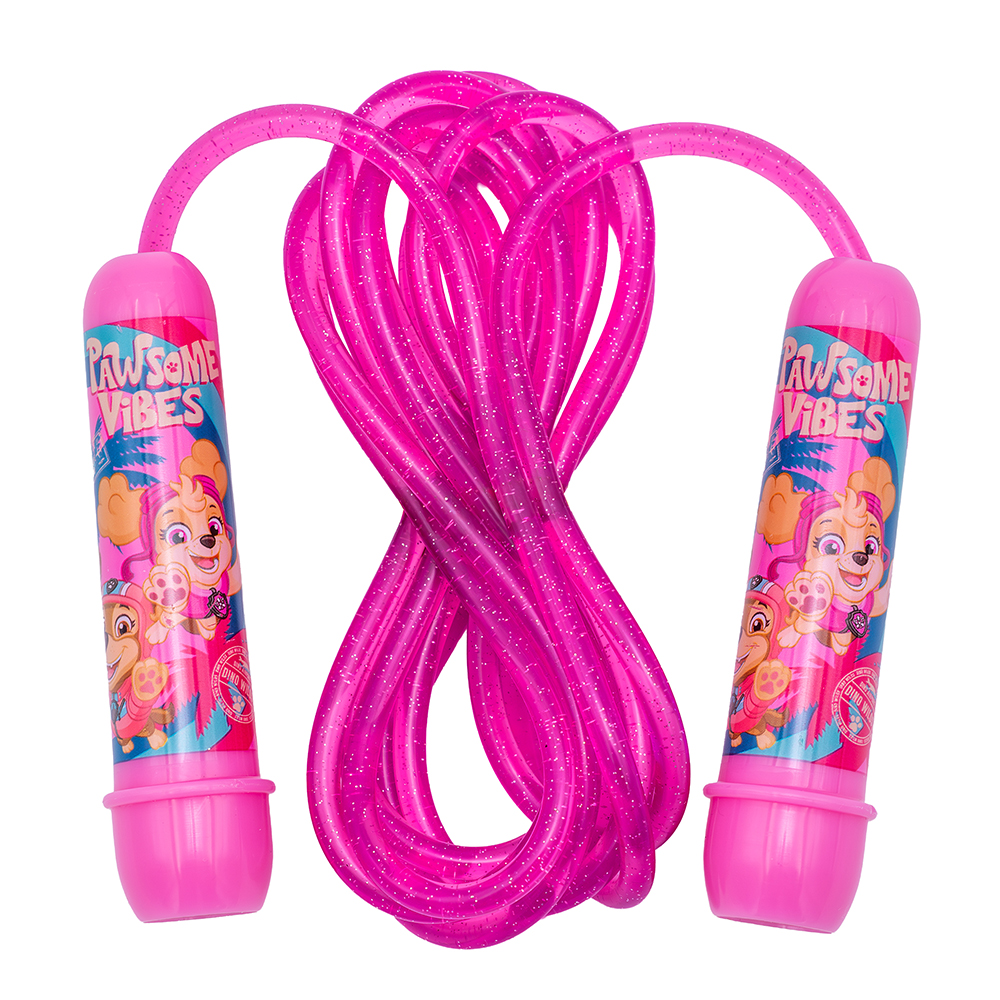
A practical and fun tool to encourage children’s daily physical activity. The Paw Patrol jump rope, in an attractive pink design, brings joy to exercise and motivates children to play actively. The popular Paw Patrol design gives the jump rope a playful look that kids will instantly love.
Acra is a purely Czech brand that has been providing a full range of sports equipment for homes and rural playgrounds since 1991.
Customer Service Center
Feel free to write anytime
Call Mon–Fri, 6 a.m.–3 p.m.
Delivery Methods
Payment Methods