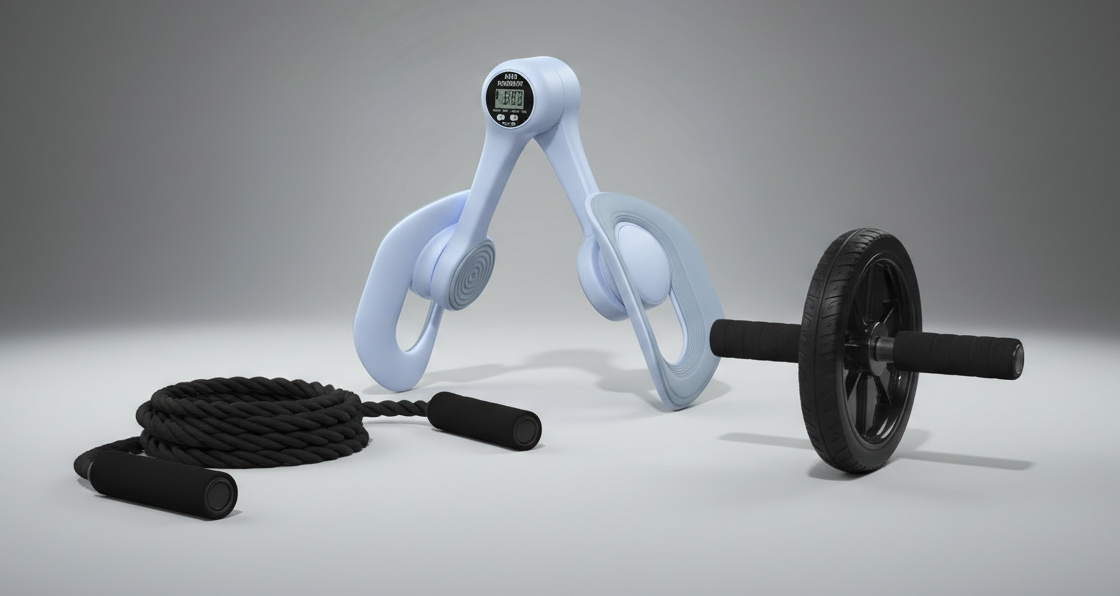
Want to work out at home in a smart, not complicated way? Fitness equipment is the fastest way to add resistance, stability, and variety to your workout—without having to build a gym at home.
Whether you want to strengthen your core, build strength, improve your fitness, or just loosen up your back after work, the right equipment can make a big difference even in a short workout.
Goal: a strong core, a stable back, and better posture.
Top tools:
Quick tip: If you feel a “pull” in your hips while using the wheel, that’s a sign to shorten your range of motion and slow down.
Goal: To tone the glutes and thighs and improve knee stability.
Top equipment:
A quick tip for your knees: if your knees “collapse” inward during squats, a mini band placed above your knees will help you learn to push your knees outward and engage your glutes (your knee stability will improve quickly).
Quick tip on resistance bands: When using resistance bands, it’s better to perform a clean movement with less resistance than to “twist” with a strong band.
Goal: To strengthen the arms, shoulders, and upper body, and improve shoulder stability.
Top Equipment:
Bonus (simple “in front of the TV” exercises):
Goal: a straighter back, stronger shoulder blades, and compensation for sitting.
Top equipment:
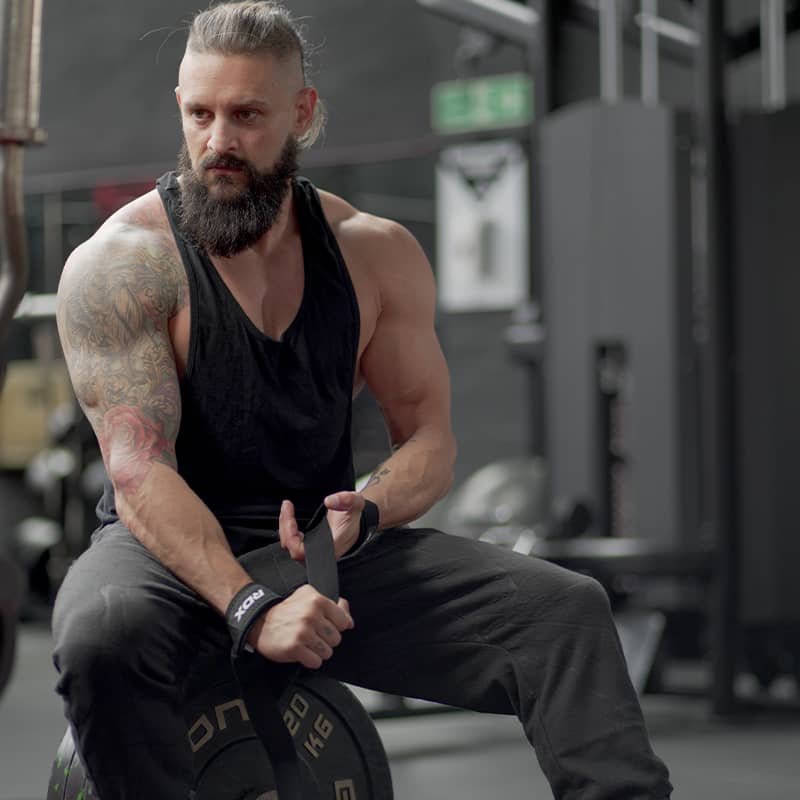
Goal: Hold the barbell/pull-up bar, protect your wrists, and lift with confidence.
Top equipment:
1) How often should I work out if I want to “tone up”?
Ideally, twice a week or more (full-body or a reasonable split). Long-term consistency is more important than a “perfect plan.”
2) How many reps and sets are just right for the average person?
Often, 8–12 reps per exercise and 2–3 sets work well (depending on time and fitness level). Work out so that the last rep is “challenging but clean.”
3) How do I know if I have the right resistance level?
During the last few reps, you should feel like “I could do 1–2 more reps, but it’s really burning now.” If you can do 20+ reps with ease, the resistance is too low.
4) When should I switch to a stronger band / higher resistance?
As soon as you can complete the workout without compromising your form and still have “energy to spare.” ACSM rule of thumb: increase the resistance by about 2–10% when you can do 1–2 more reps than your goal.
5) Which is better: an expander with handles or a long resistance band (power band)?
6) My lower back hurts when I use the resistance wheel. Am I doing it wrong?
Most often, this is due to your lower back “sagging” (your core gives way). Shorten your range of motion, engage your abs and glutes, and progress in small steps.
7) Can I walk or run with ankle weights?
It’s generally not recommended—it can overload your joints and alter your form. It’s okay for targeted strengthening, but for walking, a weight vest or rucking is better.
8) What’s the most common reason people “don’t see results”?
Too big of a jump (in intensity or volume) and inconsistency. It’s better to work out consistently twice a week and gradually increase the intensity.

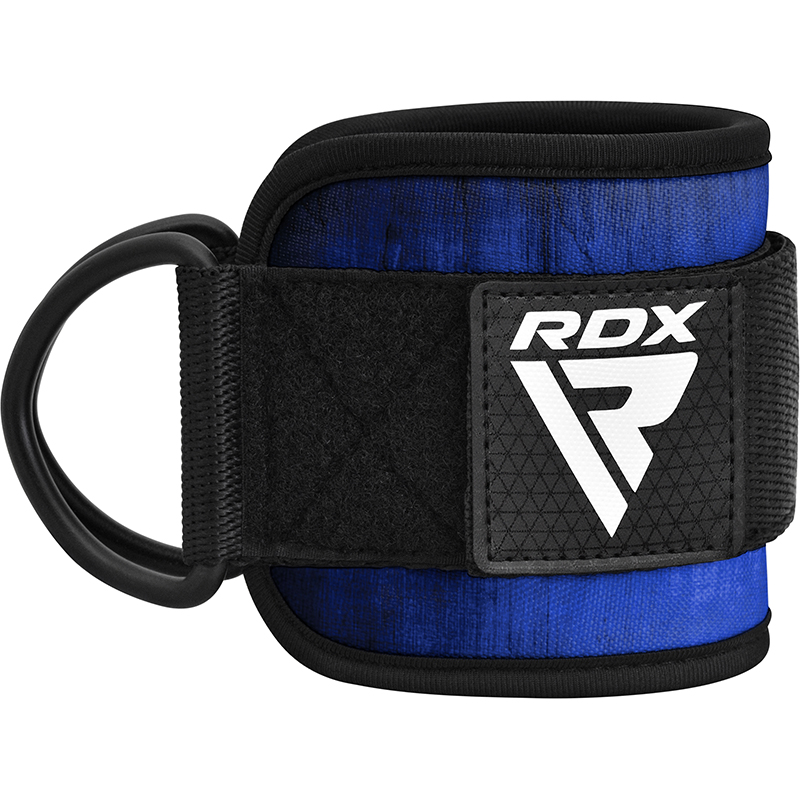
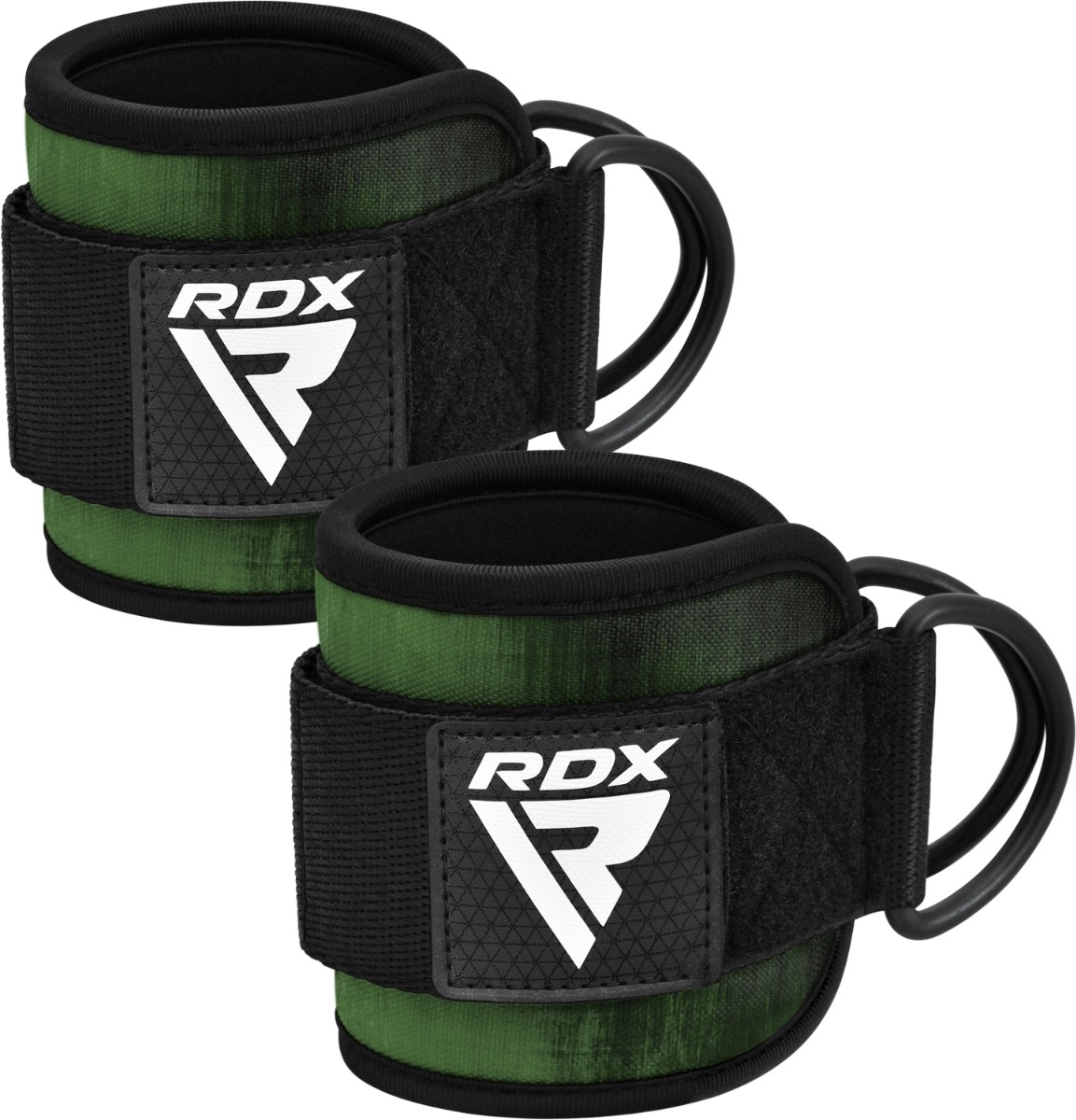
Ease of movement is key in resistance training. The RDX A4 ankle straps for cable machines are exactly what you need to make the most of your leg day at the gym.

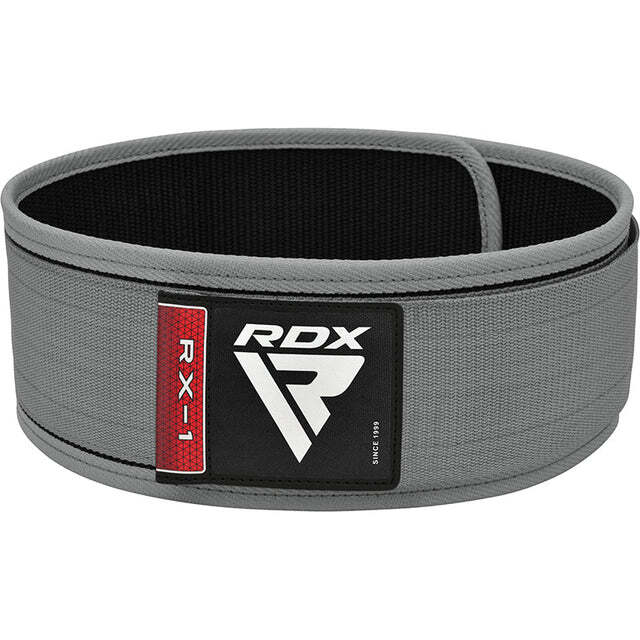
Build a strong core, stabilize your spine, and reduce strain on your back when lifting with the RX1 weightlifting belt. The RX1 belt is 4 inches wide and features a 3-inch hook and loop fastener for a secure fit. This weight-lifting belt is made of the most durable nylon; it is lightweight and easy to clean.

Ease of movement is key in resistance training. The RDX A4 ankle straps for cable machines are exactly what you need to make the most of your leg day at the gym.
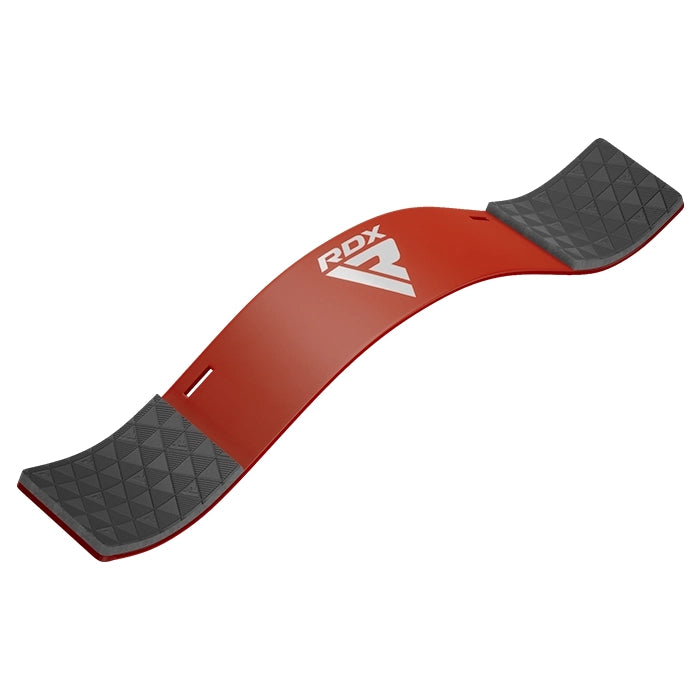
Take your arm workouts to the next level with the new RDX Arm Blaster, the perfect tool designed for maximum biceps and triceps training.
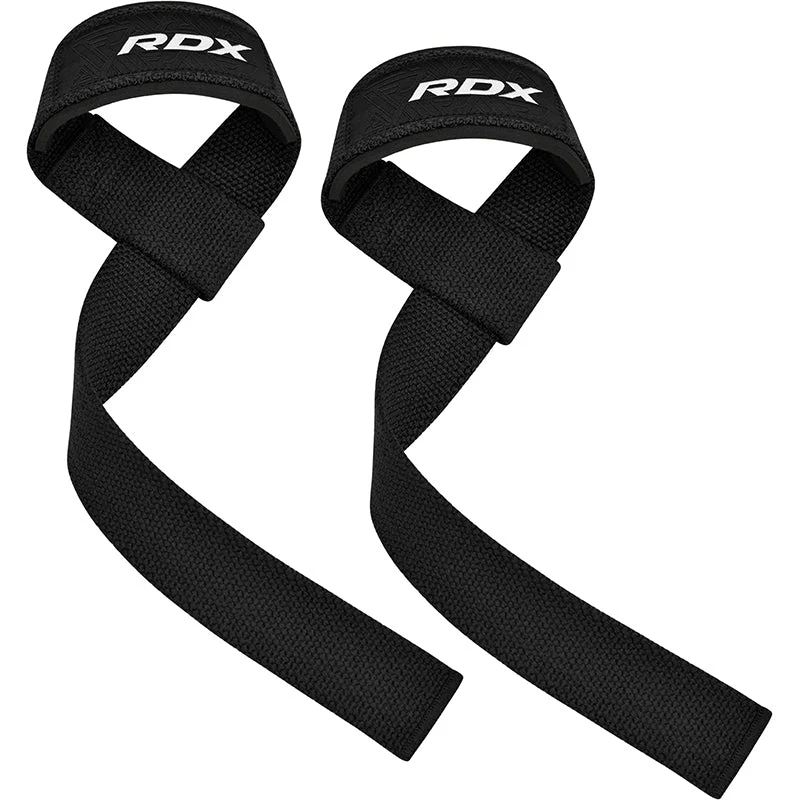
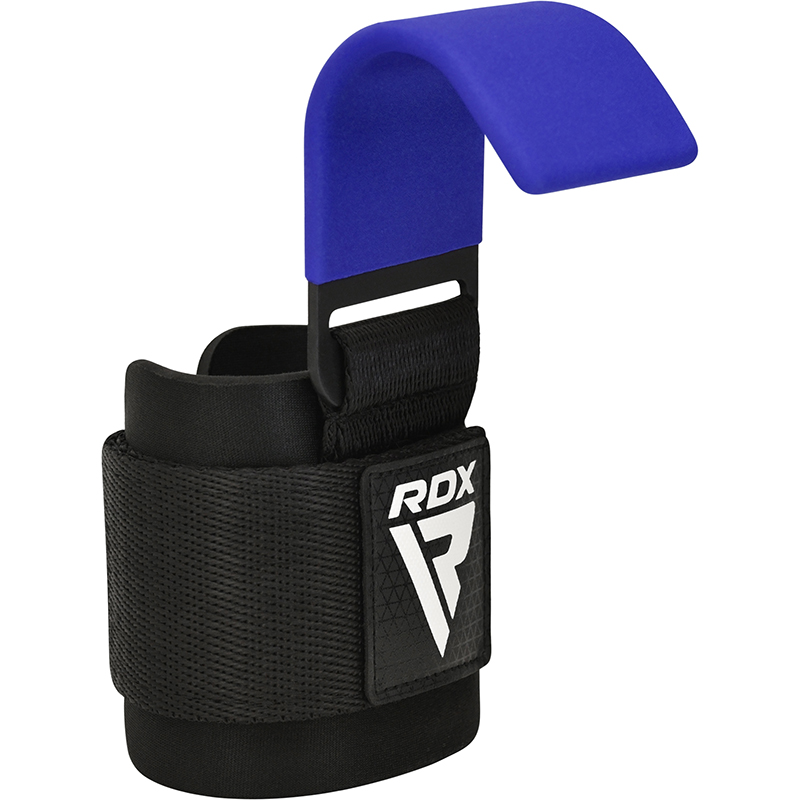
RDX W1 Wrist Strengthening Straps, Black No more compromises! With the RDX W1 Wrist Strengthening Straps, you’ll gain confidence and strength for every pull.

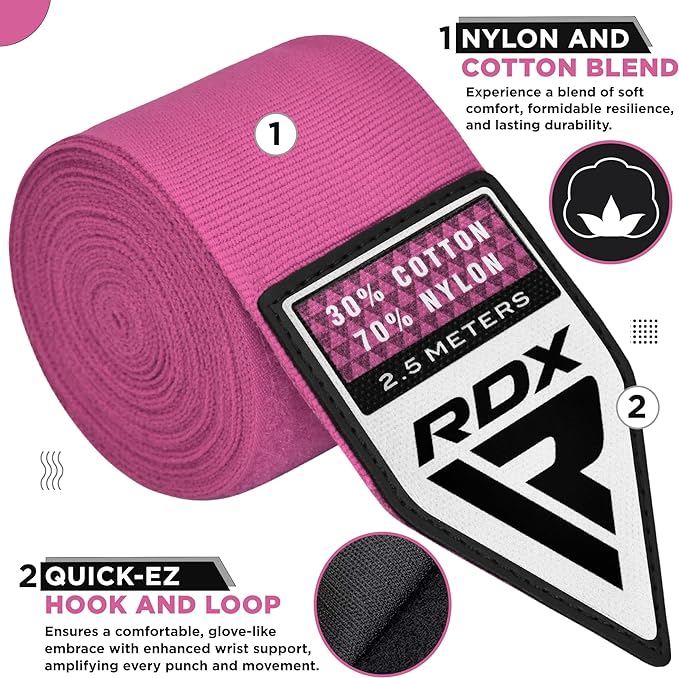
2.5M JUNIOR CHAMP WRAPS – Discover the boxing legends of the future with our 120-inch hand wraps, designed exclusively for young hands.

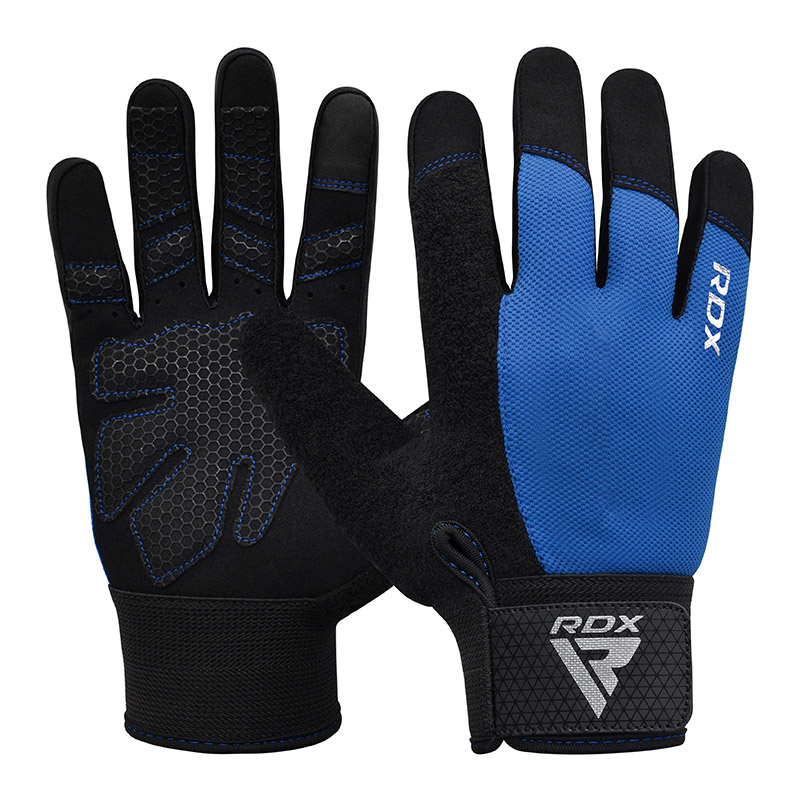
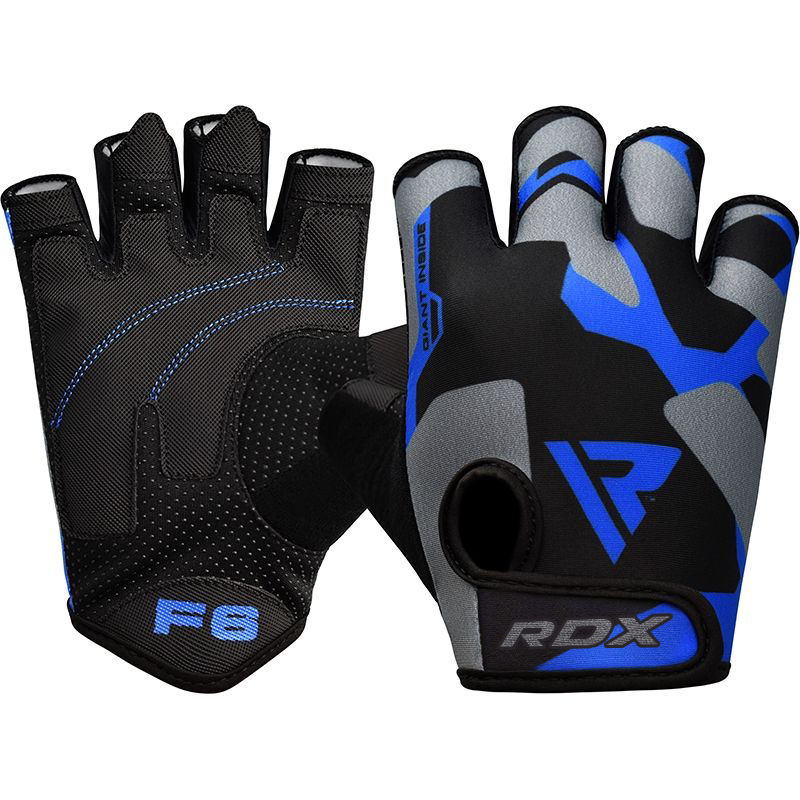
Believe in yourself, train hard, and step out of your comfort zone with RDX weightlifting gloves. These full-finger gloves are forged using an easy-to-clean, lightweight, and breathable pure…

Intelligently designed with a single goal in mind: to provide you with the utmost comfort you can imagine during a grueling, bone-crushing workout.

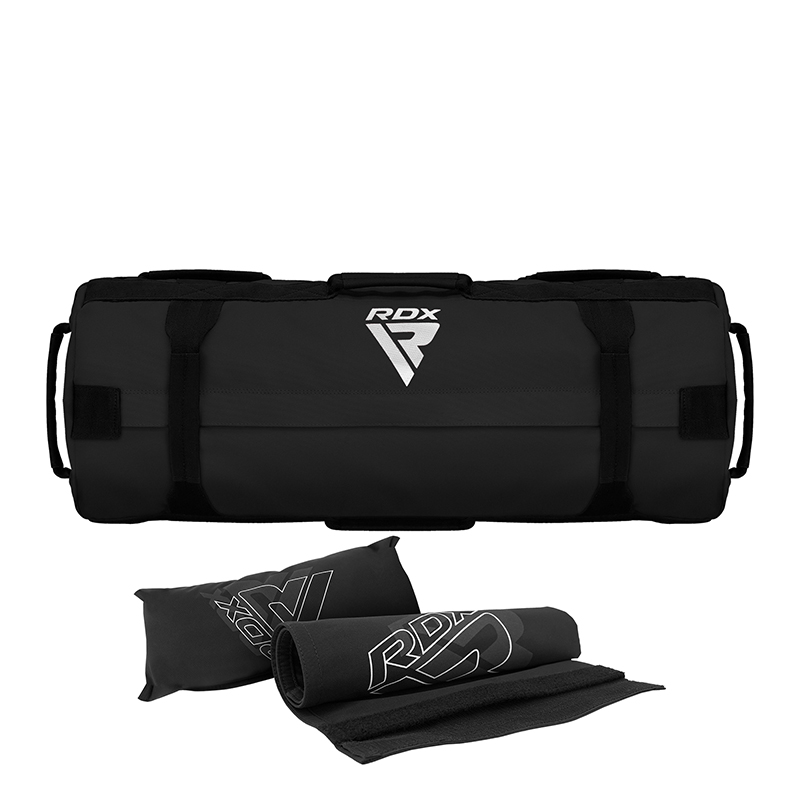
Check out our new collection of sand-filled fitness bags to break through training plateaus and beat boredom! These premium bags come in four attractive colors and are made of durable…

Get maximum wrist support with these gel-padded resistance straps, designed for bodybuilders, powerlifters, trainers, and serious stackers.
Acra is a purely Czech brand that has been providing a full range of sports equipment for homes and rural playgrounds since 1991.
Customer Service Center
Feel free to write anytime
Call Mon–Fri, 6 a.m.–3 p.m.
Delivery Methods
Payment Methods