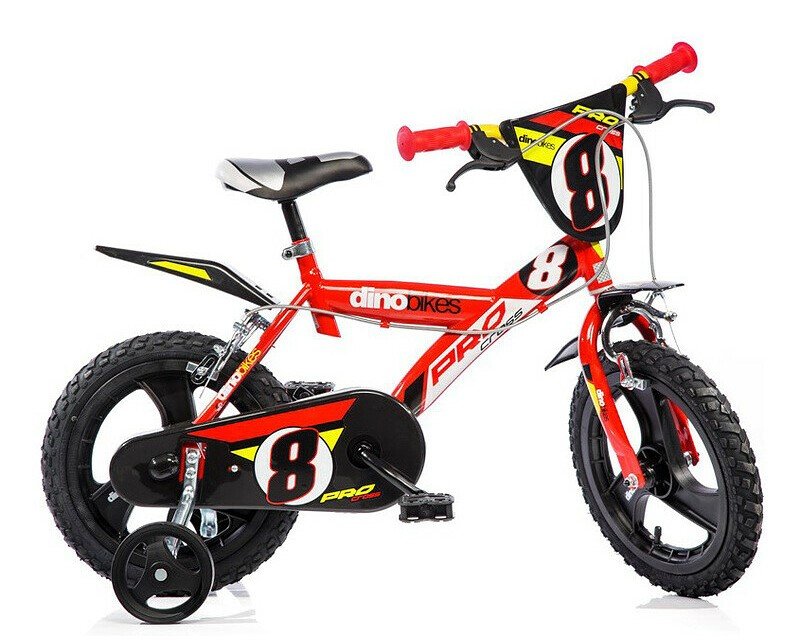
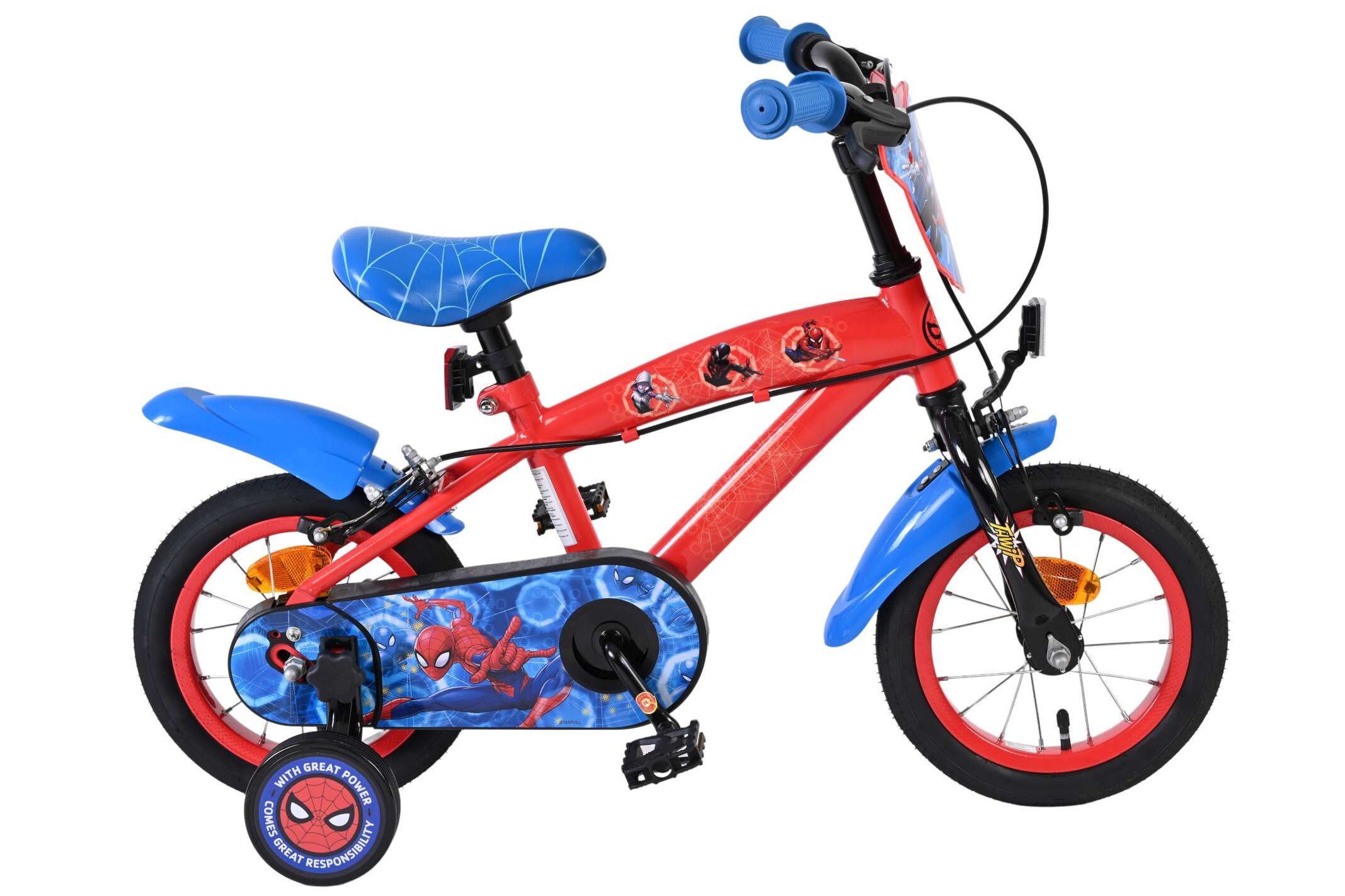
✔ Look for: small wheels + easy handling
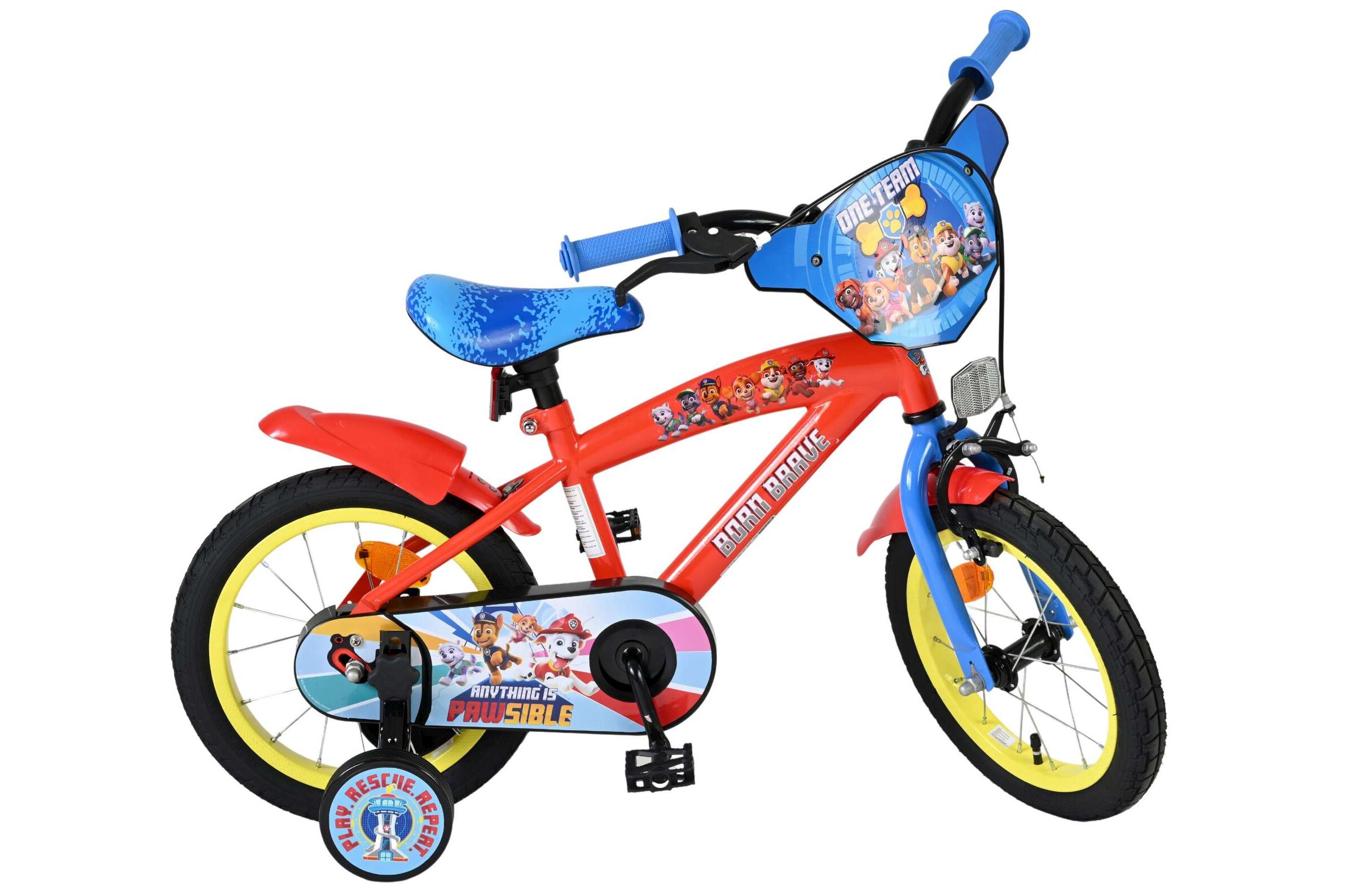
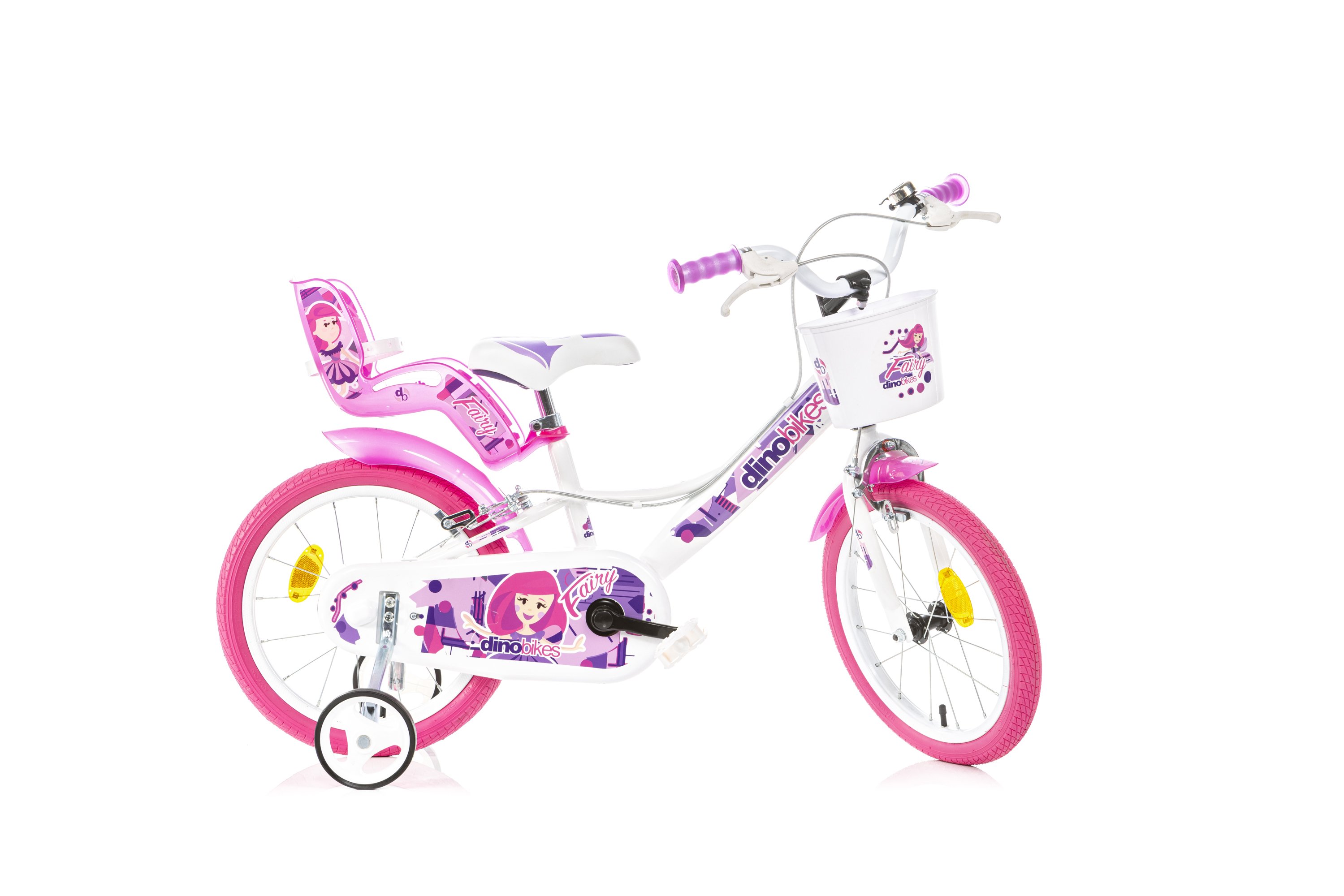
✔ Look for: 14″, comfortable handling, safety
✔ Look for: 16″ and ideally more “adult” brake controls
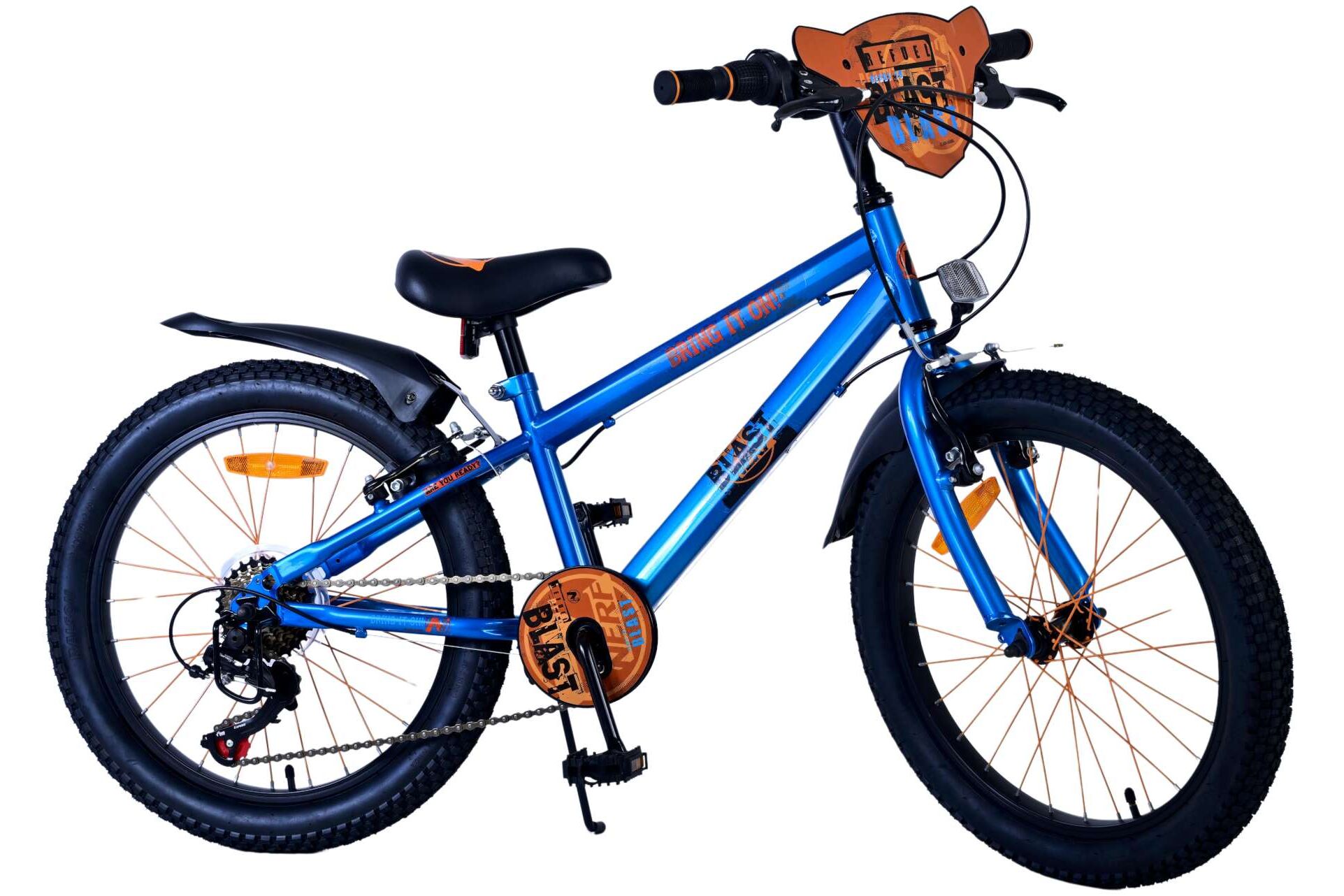
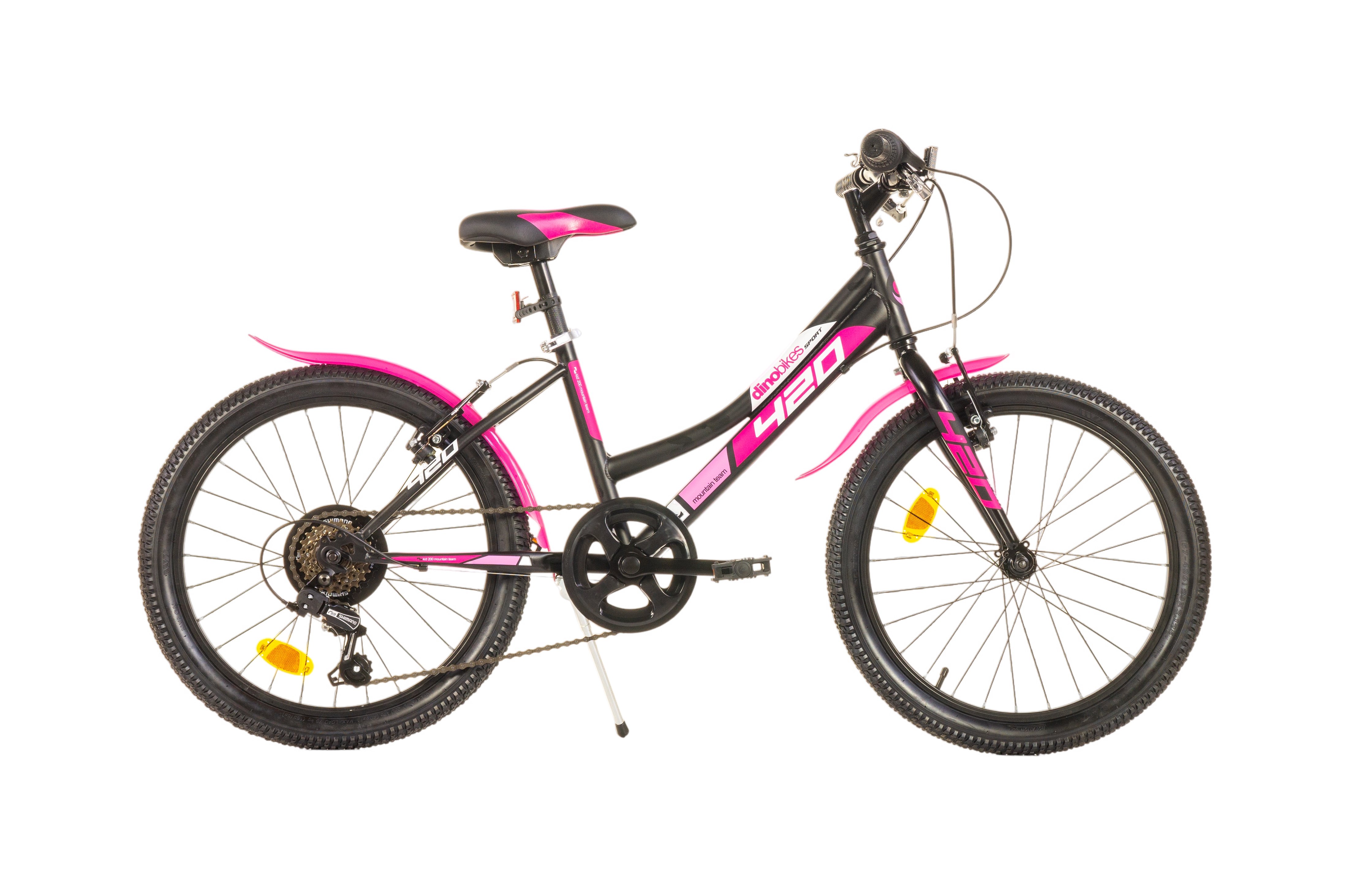
✔ Look for: 20″, stability and a comfortable riding position
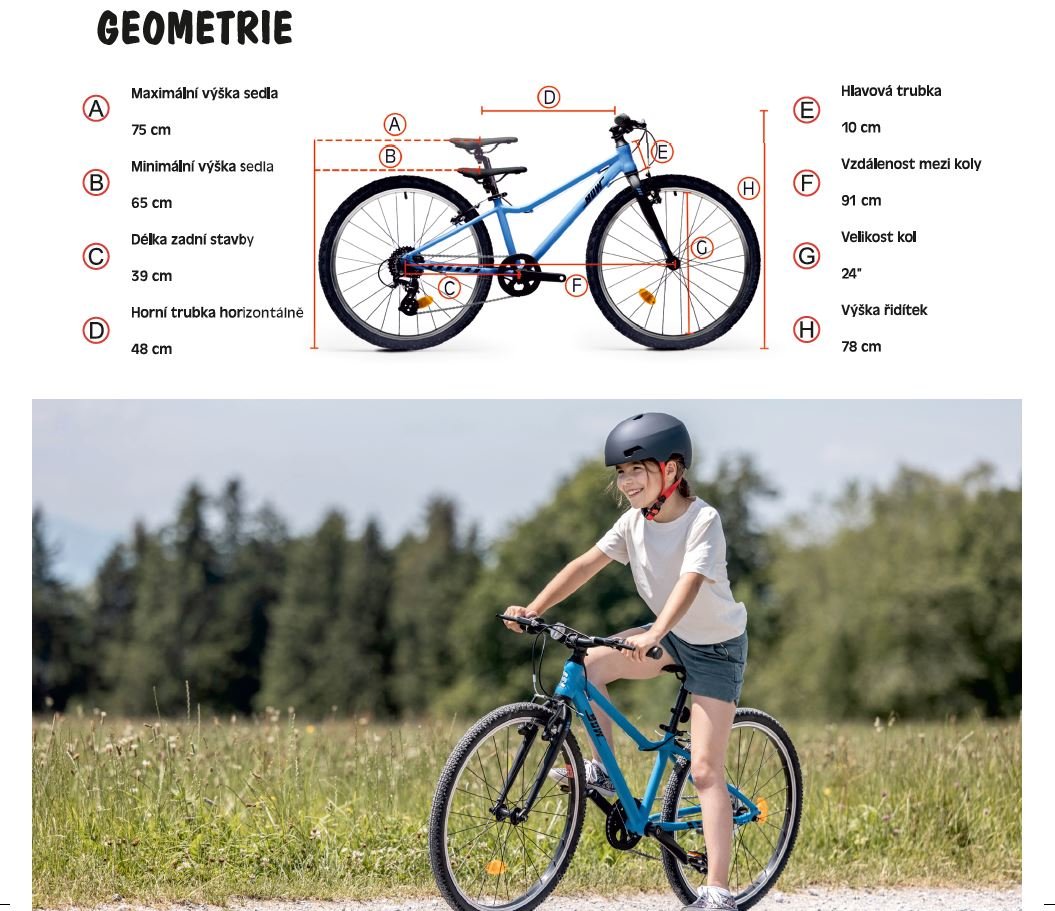
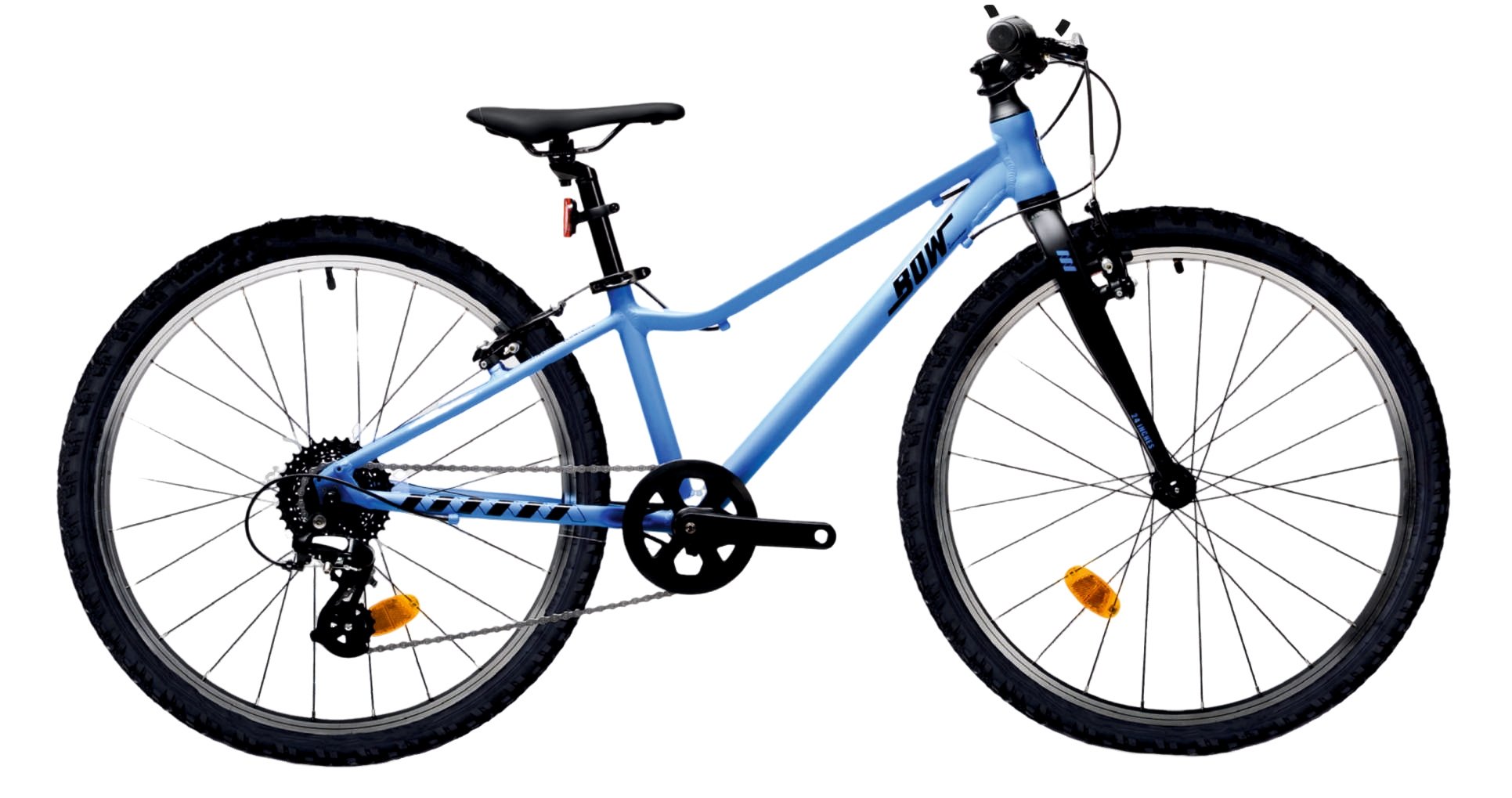
✔ Look for: 24″, low weight and control
1) Wheel diameter and child’s height
Wheel diameter is the quickest way to guide you when choosing a children’s bike. We recommend basing your choice mainly on the height of the child – and if you are between two sizes, choose the one that the child feels more confident on when stopping.
If you want a quick “real check”: the child should be able to safely reach the ground with their feet (at least with their toes) and comfortably maintain their balance when stopping.
| 10″ |
– height approx. 80–95 cm |
| 12″ |
– height approx. 85–105 cm |
| 14″ |
– height approx. 95–110 cm |
| 16″ |
– height approx. 105–120 cm |
| 20″ |
– height approx. 115–135 cm |
| 24″ |
– height approx. 130–150 cm |
You can filter the size of the bikes directly in the category.
2) Bike weight (the lighter, the easier to control)
This applies more to children than adults: a lighter bike = easier starting, turning and braking.
That’s why ultra-light bikes make sense especially for children who already ride more often and you want to make it as enjoyable as possible for them.
3) Brakes
Smaller bikes are generally easier to control, while larger bikes benefit from more “adult” brakes (better control, safety).
When a child moves up to a larger size, it is good for the braking to be smooth rather than abrupt.
4) Equipment and details that come in handy in practice
Here, the joy of cycling is often the deciding factor:
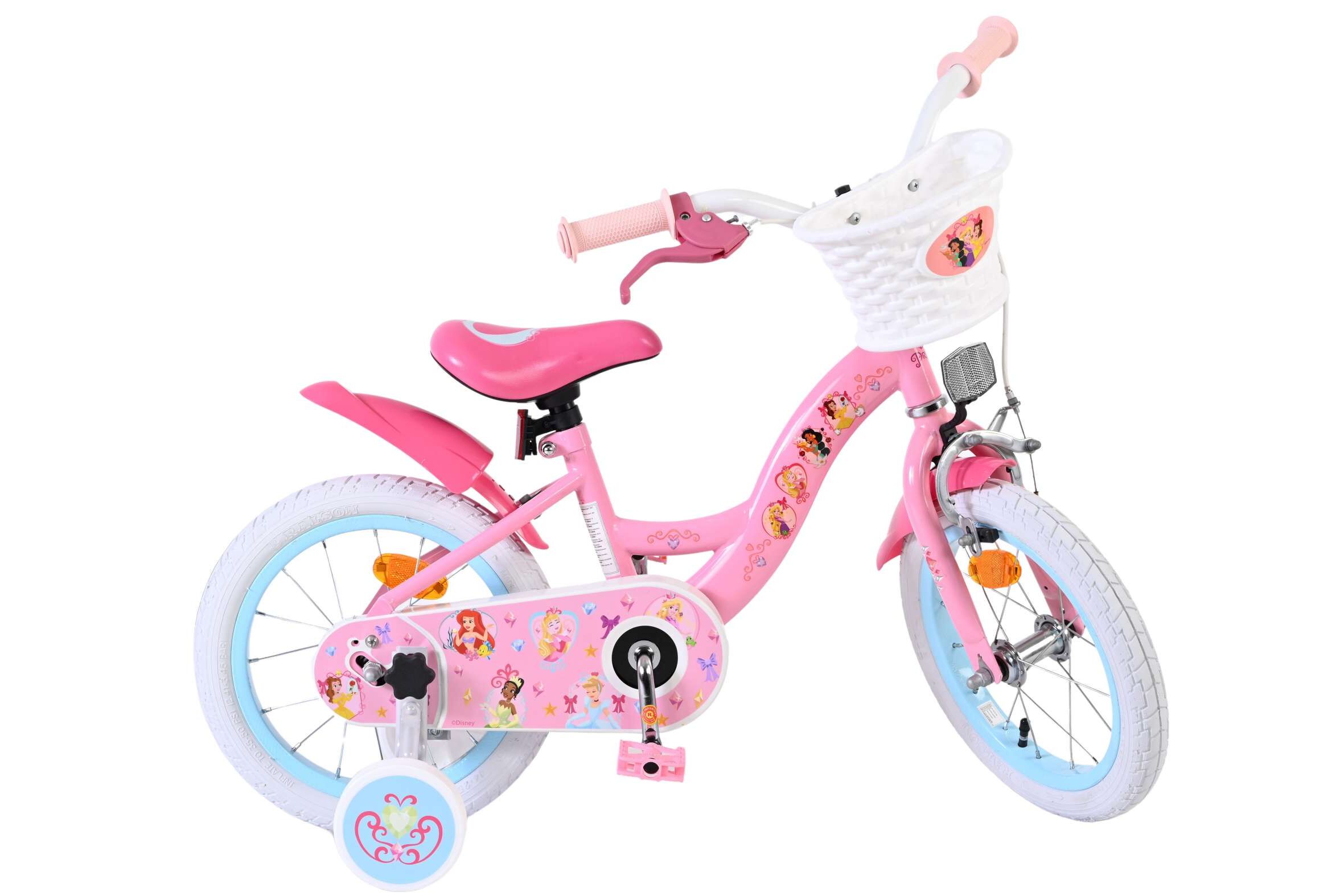
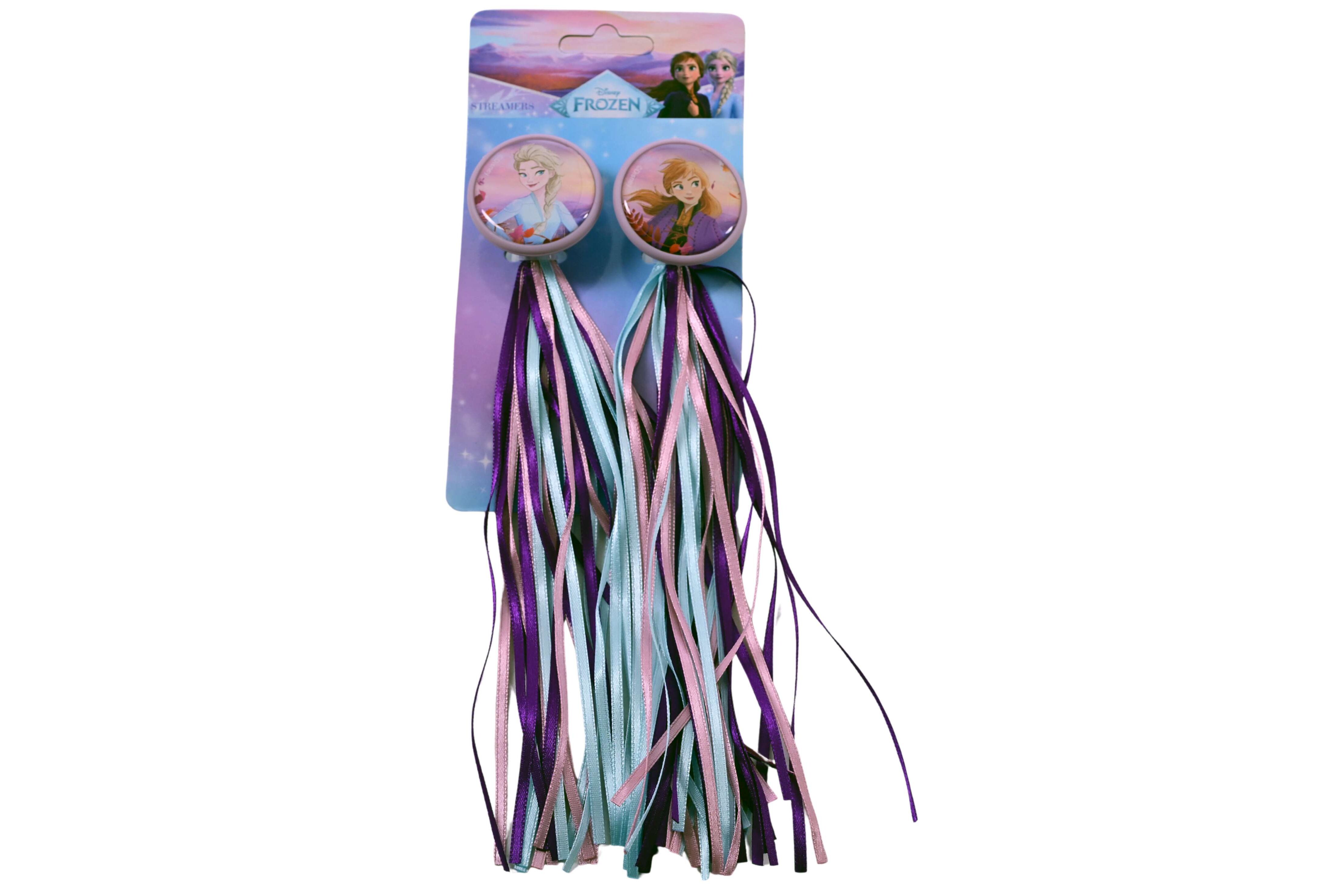
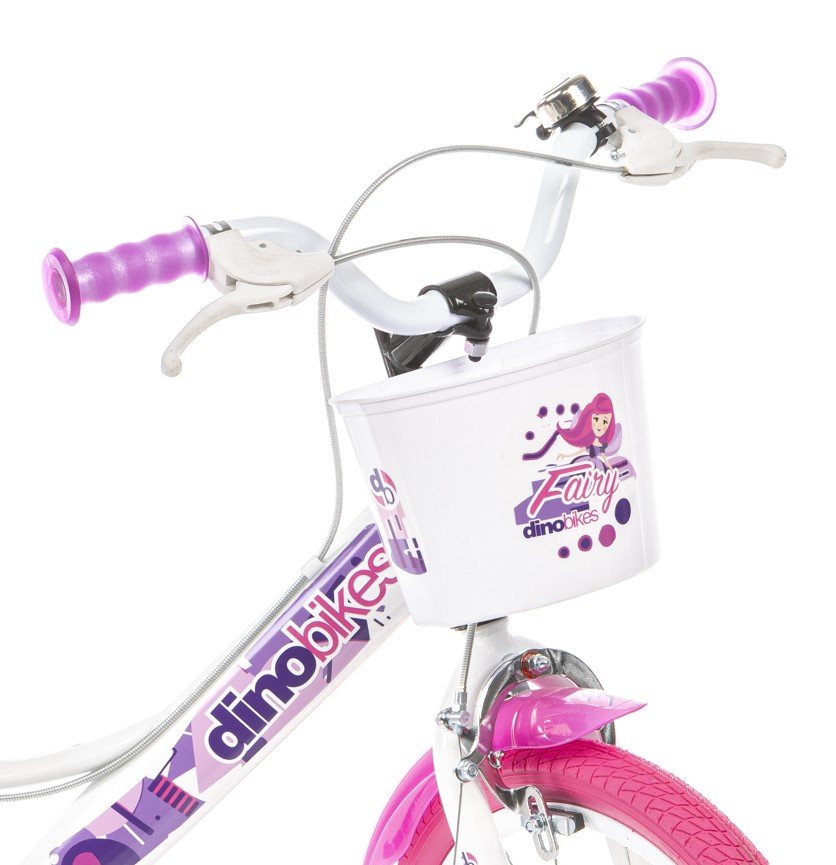
- basket / accessories (e.g. “for a doll”)
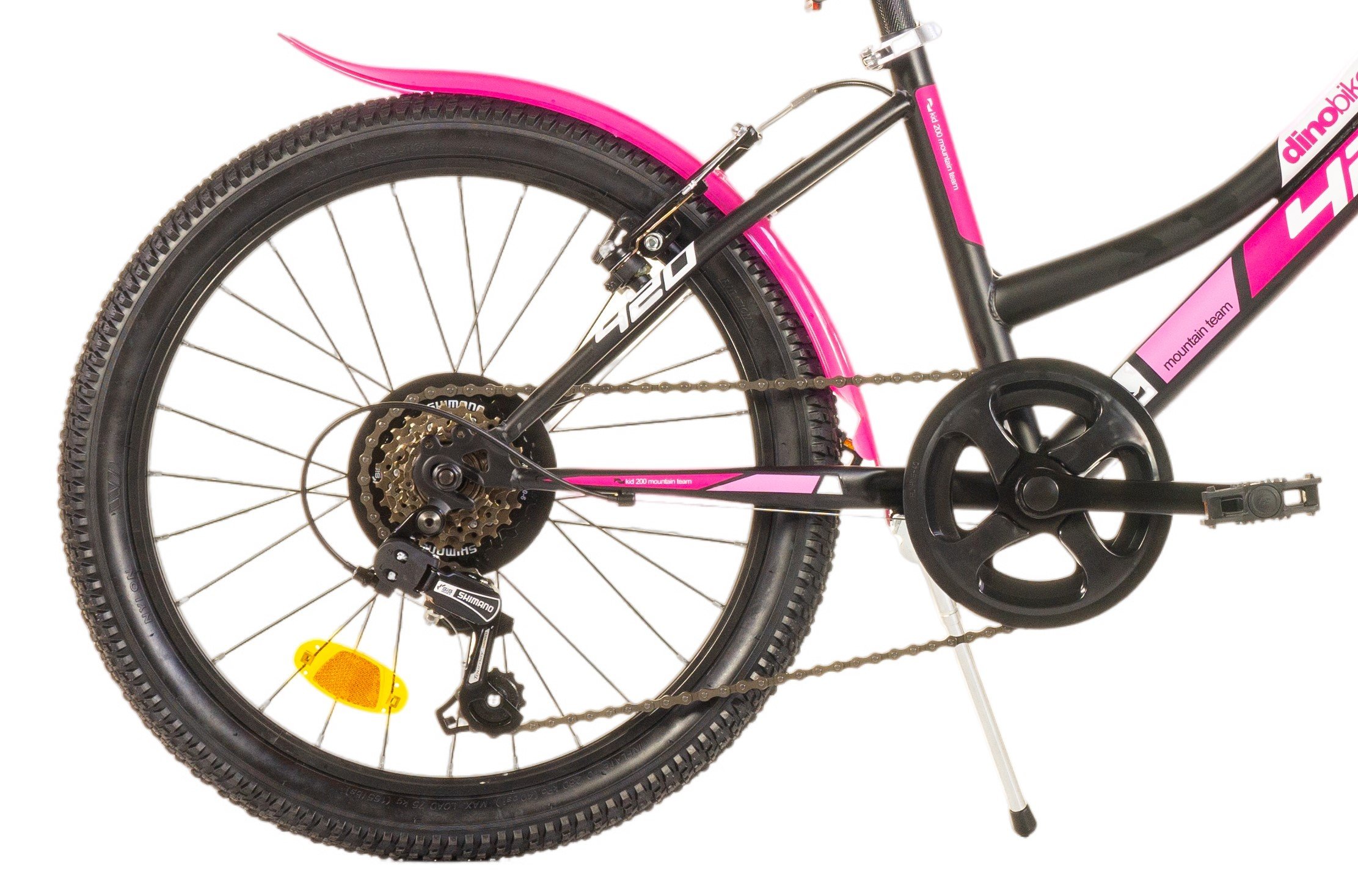
- chain guard (practical and safer)
- mudguards (when riding in wet conditions)
For example, some Dino girls’ models commonly feature accessories such as baskets/carriers.