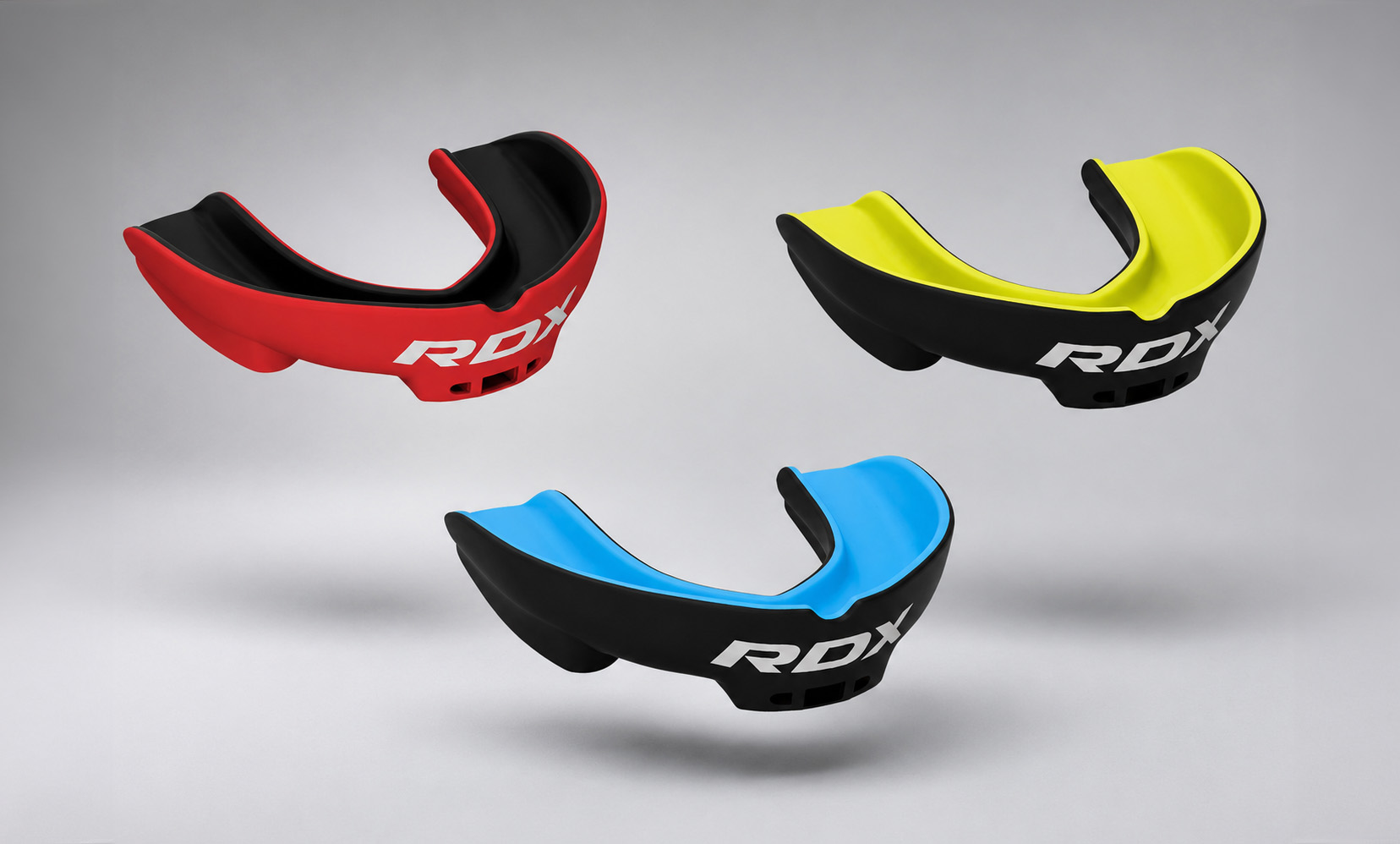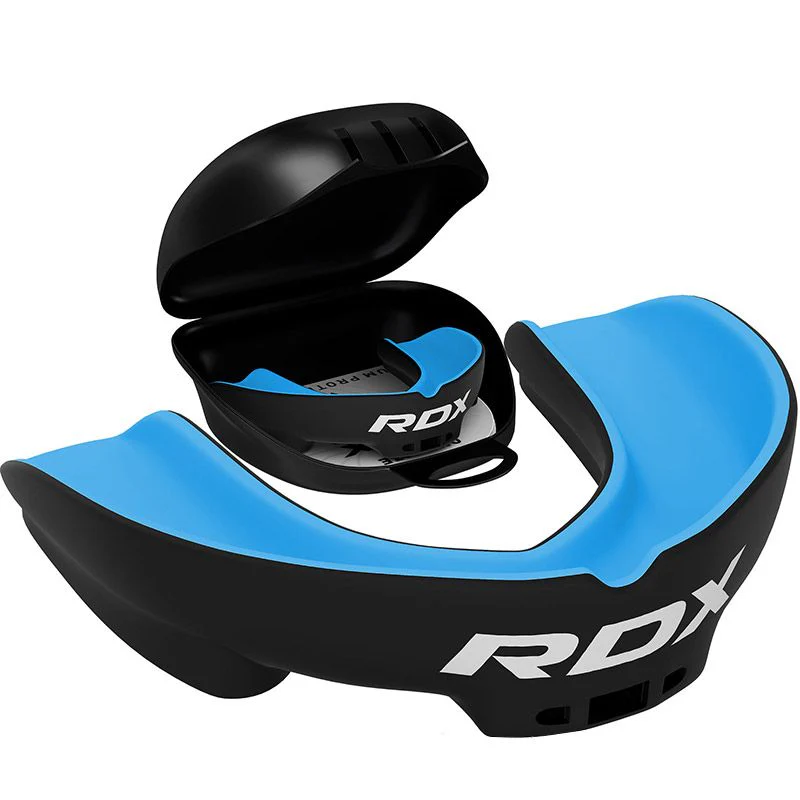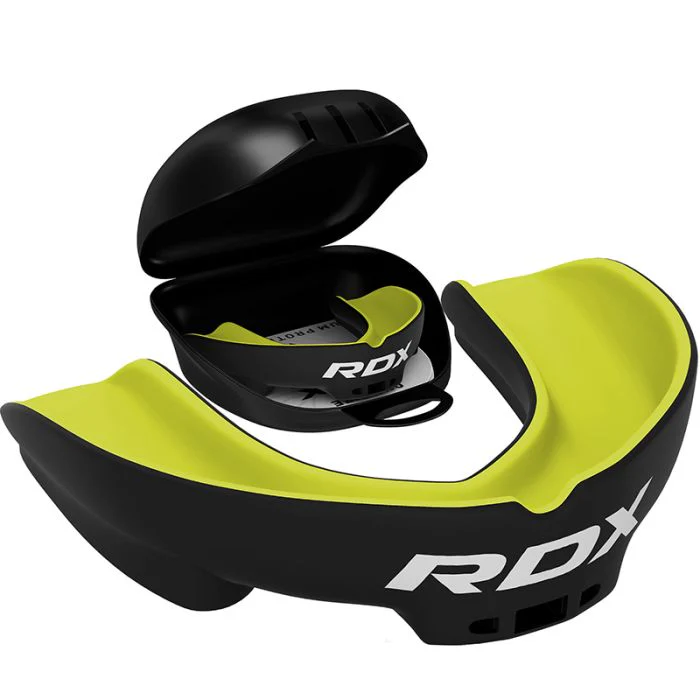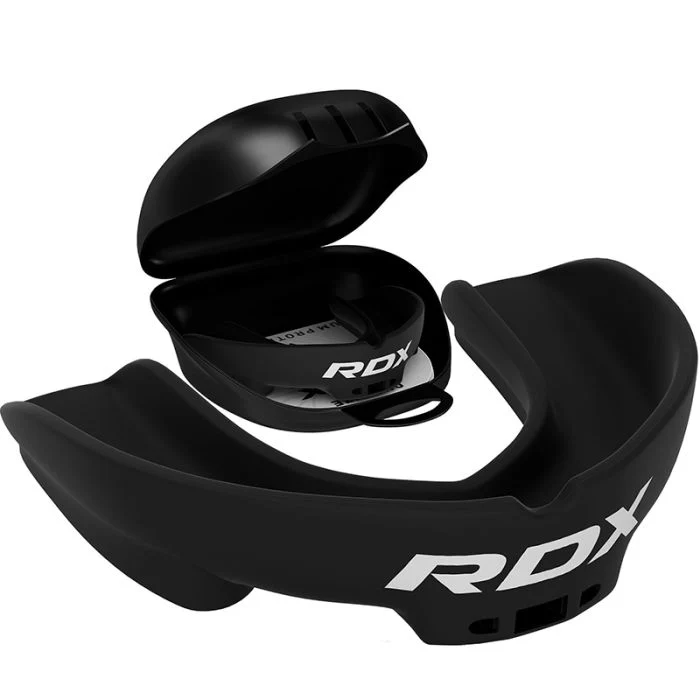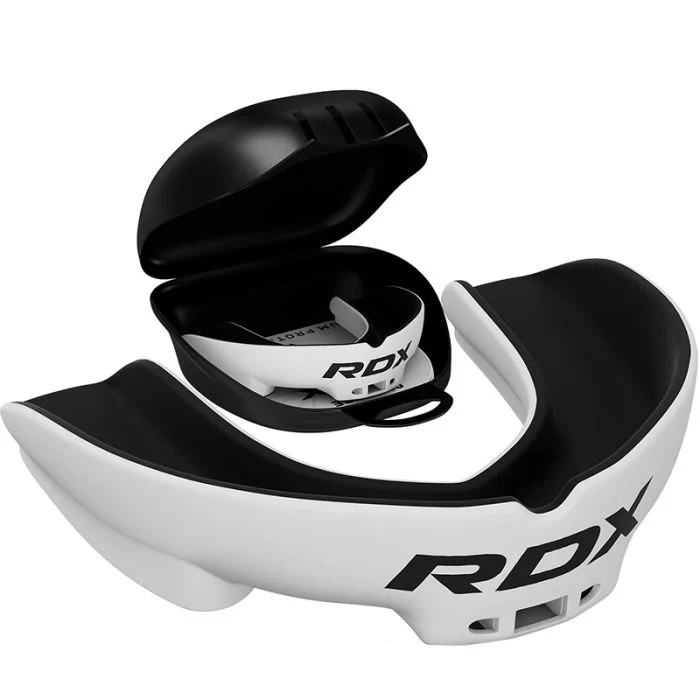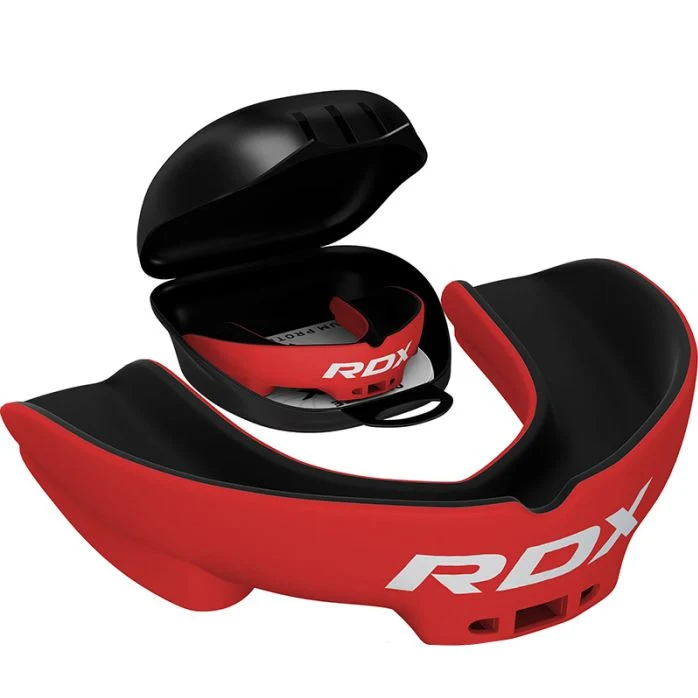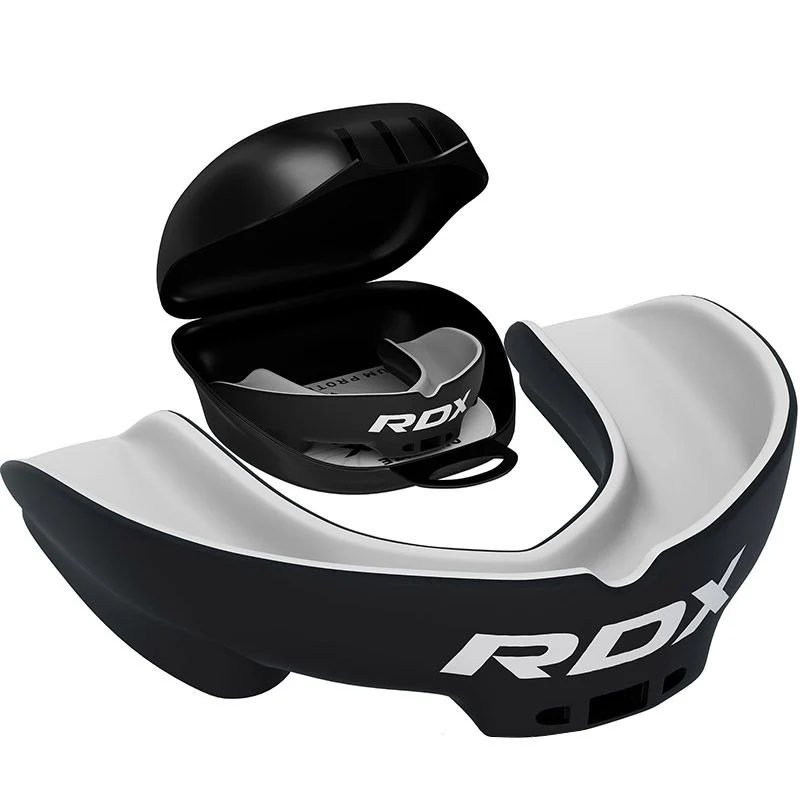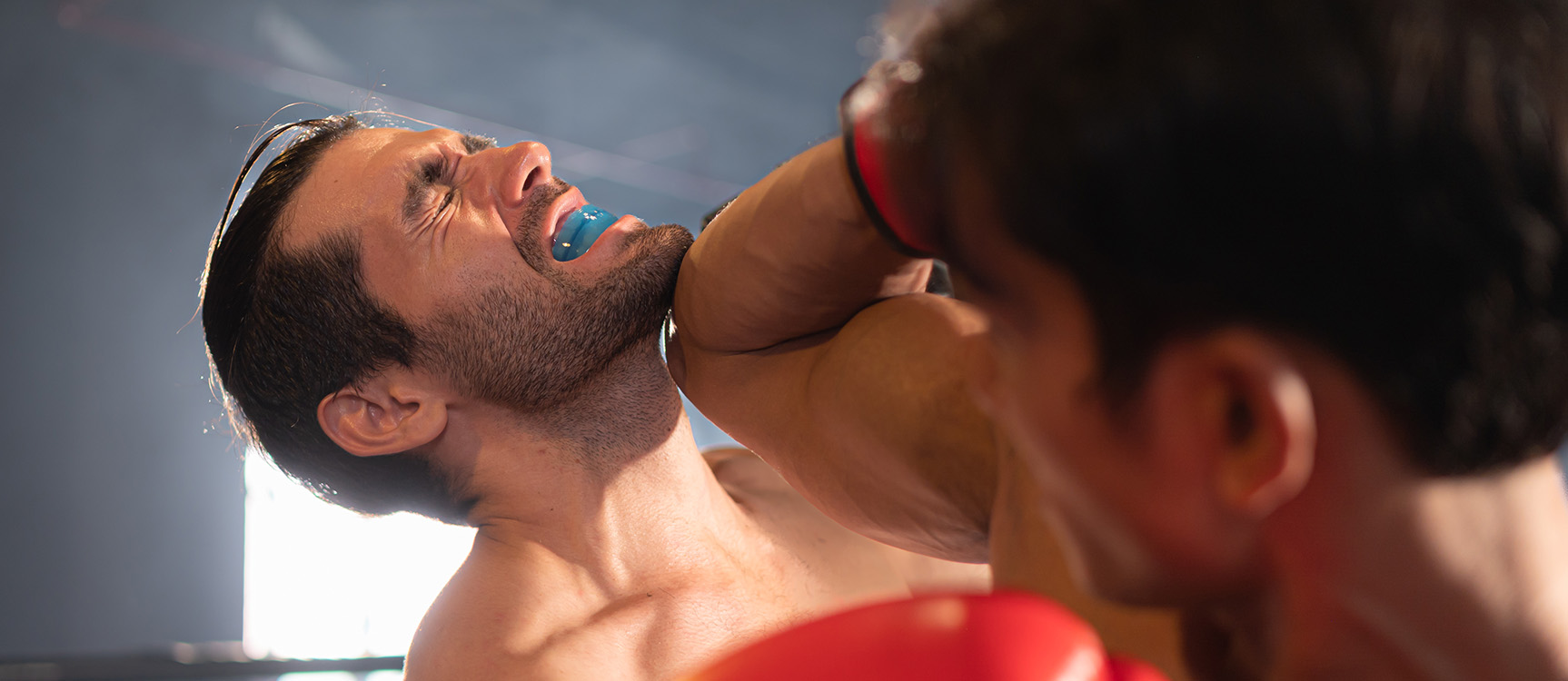
A mouthguard is a small accessory that can prevent major problems during sports. It helps protect your teeth, gums, lips, and jaw from impacts, which are a particular risk in combat and contact sports. They’re ideal for boxing, MMA, kickboxing, and martial arts, as well as other sports where contact, falls, or blows to the face may occur.
We carry RDX 3W mouthguards for both adults and juniors. They are designed for athletic use, can be customized using the boil-and-bite method, and are available in multiple color options.
Pre-made mouthguards
They’re ready for immediate use, but they usually don’t fit as well. They can be bulkier, less comfortable, and often require the athlete to hold them in place by clenching their teeth.
Boil-and-bite mouthguards
A practical and affordable option for most athletes. The mouthguard is heated in hot water, softens, and is then molded to fit the teeth. This makes it fit better than ready-made, non-custom models. This is the type of mouthguard you’ll find in the RDX 3W line offered by ACRAsport.
Custom mouthguards from a dentist
These offer the best individual fit, but they are more expensive and require a visit to the dentist. They make sense mainly for competitive athletes, those who train very frequently, people with specific dental structures, or situations where a standard moldable mouthguard doesn’t fit well enough.
The key is to choose a mouthguard based on age and tooth size. Adult models are designed for athletes aged 12 and older, while junior mouthguards are for younger children. The difference lies not only in the labeling but also in the actual dimensions of the mouthguard.
Approximate dimensions of RDX 3W mouthguards:
| Model | Recommended Age | Length | Width | Height |
| Adults | 12 years and older | 60 mm | 50 mm | 19 mm |
| Children / Juniors | 12 years and under | 55 mm | 45 mm | 16 mm |
Don’t base your choice solely on age. A child with larger teeth may need an adult size, while a smaller junior may be better suited to a smaller size. Once molded, the mouthguard should fit securely; it shouldn’t pinch, and you shouldn’t have to constantly hold it in place with a tight bite.
If the mouthguard falls out, feels tight, or significantly impedes breathing after molding, the selected size or mold is not ideal.
A moldable "boil-and-bite" mouthguard can better adapt to your specific bite. As a result, it stays in place better and is less of a hindrance during sports.
How to Properly Mold a Boil-and-Bite Mouthguard
The procedure may vary slightly depending on the manufacturer, so always follow the instructions included with the product. Generally, the mouthguard is briefly heated in hot water; once softened, it is carefully placed in the mouth and molded to the teeth using a gentle bite, finger pressure, and suction. It is then allowed to cool so that it retains its new shape. After shaping it, check to see if the mouthguard stays in place even without clenching your teeth tightly. If it falls out, feels tight, or significantly interferes with your breathing, it is not properly fitted.
For combat sports, look for a design that helps absorb and disperse impacts. The RDX 3W uses a two-layer material, Shell-Shock™ gel, and Molar Tech™ to protect the molars.
The face shield should not unnecessarily impede breathing or communication. Low-profile designs and air channels that facilitate airflow are practical.
The mouthguard is meant to be worn in the mouth, so it's important to rinse it after each use, let it dry, and store it in its case. RDX 3W models feature a ventilated case for transport and more hygienic storage.
A well-fitting mouthguard should fit snugly over your teeth, but it shouldn't feel tight or cause pain. When you bite down lightly, it should remain stable; it shouldn’t come loose, and you shouldn’t have to hold it in place by clenching your jaw tightly. At the same time, it should allow you to breathe normally, swallow, and communicate at least to a basic extent.
After each use, rinse the mouthguard with cold water and let it dry. Clean it regularly with a soft brush or, if necessary, in cool soapy water. Store it in a ventilated case to keep it clean and allow it to dry.
Do not expose it to high temperatures, direct sunlight, or hot water (except when shaping it), as this could cause it to warp. Replace the mouthguard if it is bitten through, cracked, warped, smells bad even after cleaning, or no longer fits as well as it used to.
Is a mouthguard necessary even for training?
Yes. Injuries can occur not only during a match, but also during sparring, technical training, or unexpected contact. If there’s a risk of a blow, a fall, or contact to the face during an activity, a mouthguard makes sense.
Is a universal mouthguard enough, or is a moldable one better?
For general sports use, a moldable “boil-and-bite” mouthguard is more practical than a pre-formed model because it can better adapt to your teeth. The RDX 3W mouthguards available from ACRAsport are among these moldable models.
Can a child with braces wear a mouthguard?
Yes, but if the child has fixed braces, it’s best to consult a dentist or orthodontist. A standard mouthguard may not be suitable for braces, because the teeth shift during treatment and a poorly fitting mouthguard can cause pressure.
Does a mouthguard also protect against concussions?
The primary function of a mouthguard is to protect the teeth, gums, lips, and jaw. It should not be presented as standalone protection against concussions.
How often should a mouthguard be replaced?
As soon as it is damaged, deformed, or no longer fits properly. For children and juniors, it should also be replaced when their teeth or jaw size changes. Regular checkups are especially important for younger athletes.
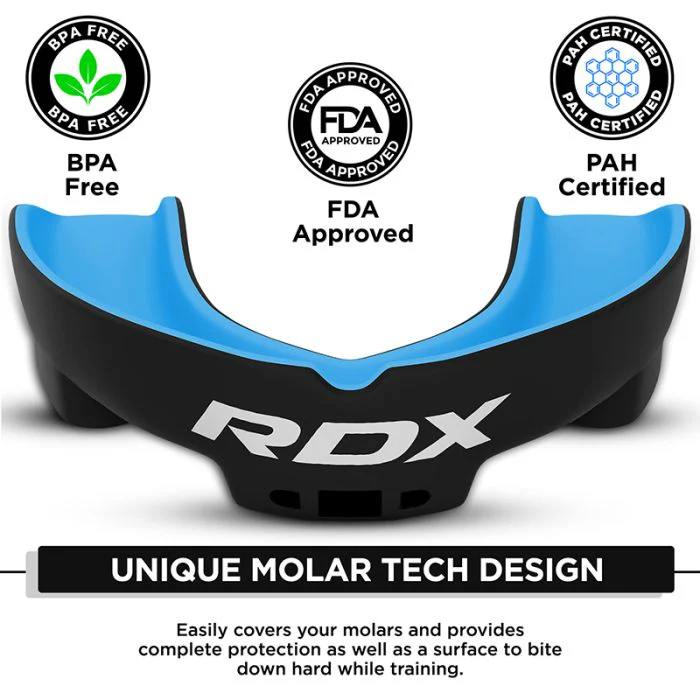
Introducing the RDX 3W Mouthguard for ADULTS: Your path to stronger, more confident strikes! Want to take your training to the next level?
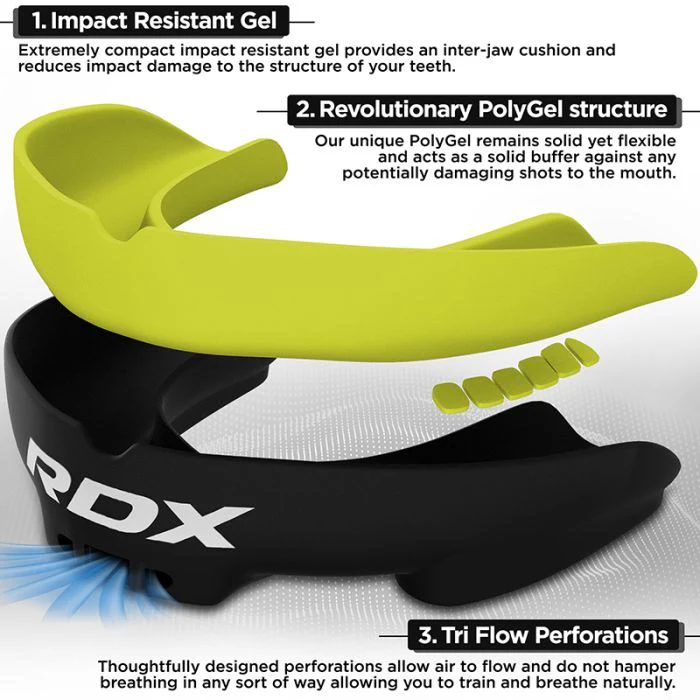
Introducing the RDX 3W Mouthguard for ADULTS: Your path to stronger, more confident strikes! Want to take your training to the next level?
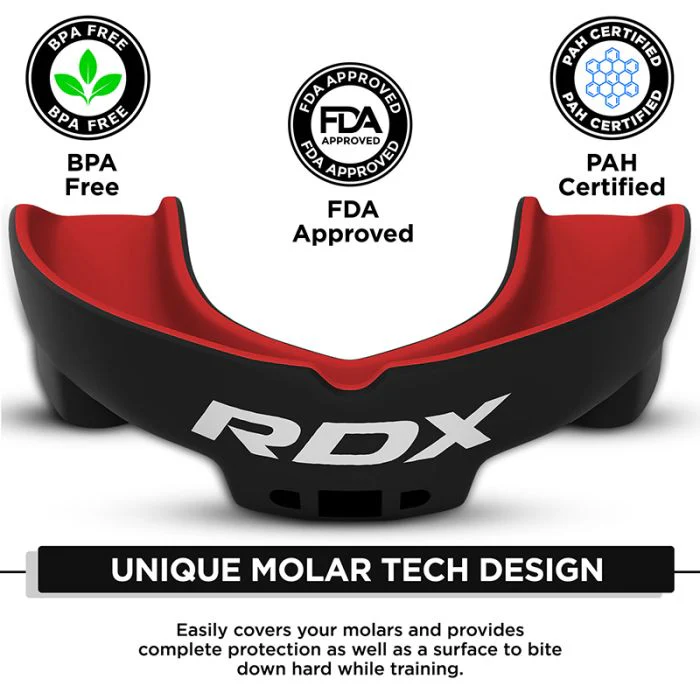
Introducing the RDX 3W Mouthguard for JUNIORS: Your path to stronger, more confident shots! Want to take your training to the next level?
Introducing the RDX 3W Mouthguard for JUNIORS: Your path to stronger and more confident strikes! Want to take your training to the next level?
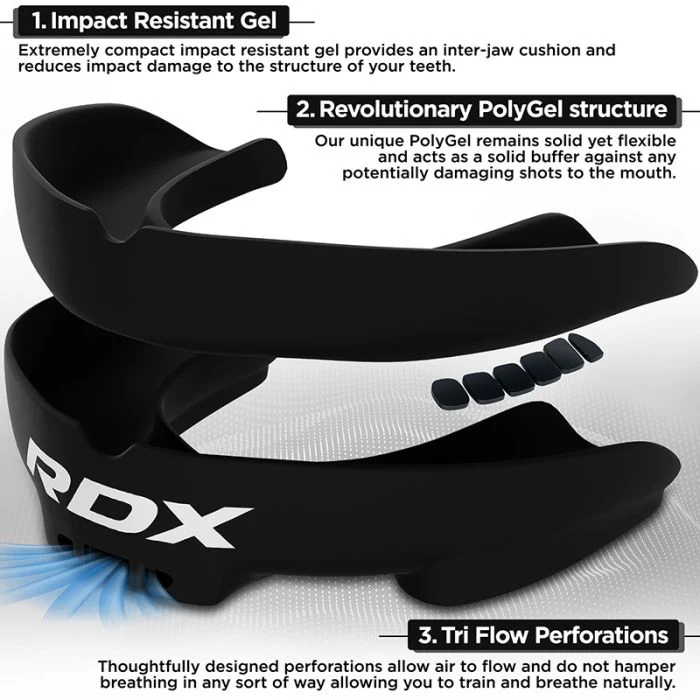
Introducing the RDX 3W Mouthguard for JUNIORS: Your path to stronger, more confident shots! Want to take your training to the next level?
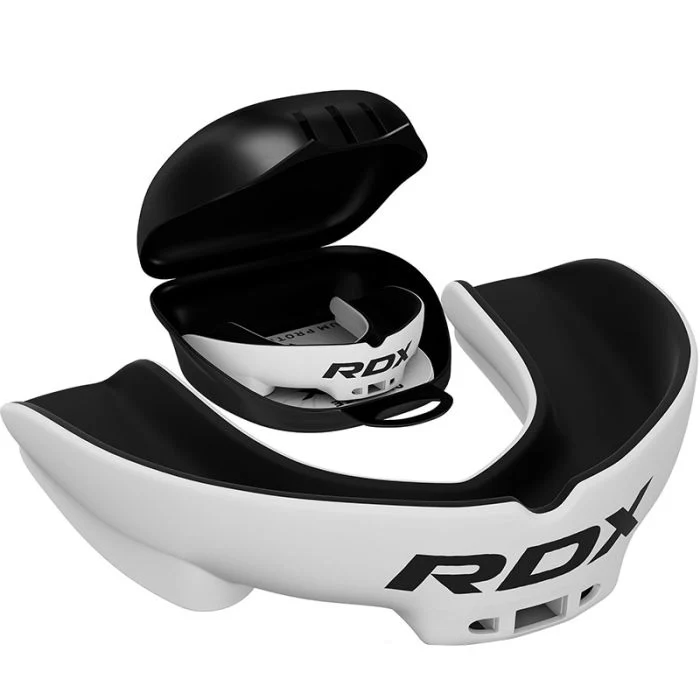
RDX 3W Mouthguard, White and Black Introducing the RDX 3W Mouthguard: Your path to stronger and more confident strikes! Want to take your training to the next level?
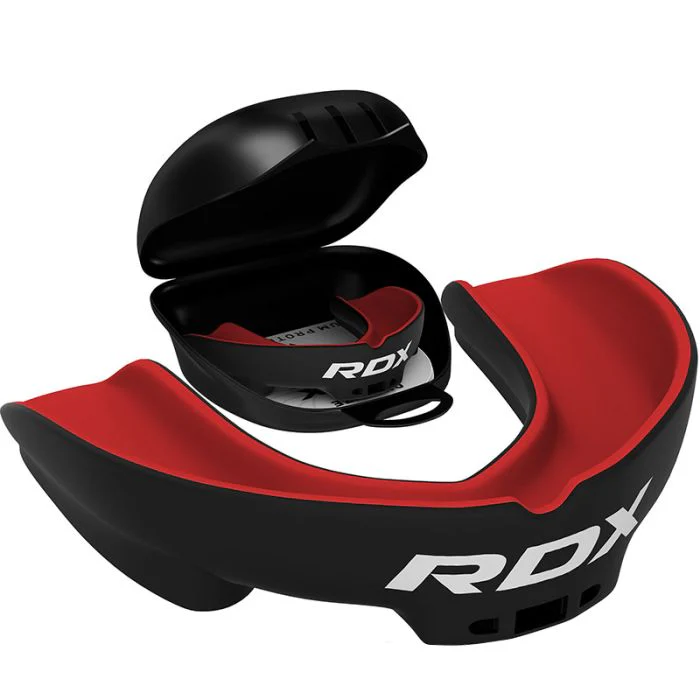
Introducing the RDX 3W Mouthguard for ADULTS: Your path to stronger, more confident strikes! Want to take your training to the next level?
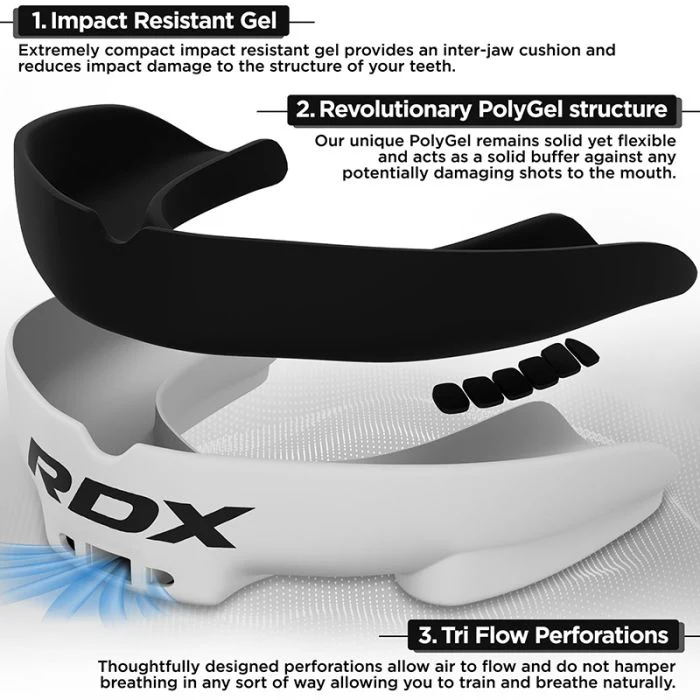
Introducing the RDX 3W Mouthguard for JUNIORS: Your path to stronger, more confident shots! Want to take your training to the next level?

Introducing the RDX 3W Mouthguard for ADULTS: Your path to stronger, more confident strikes! Want to take your training to the next level?
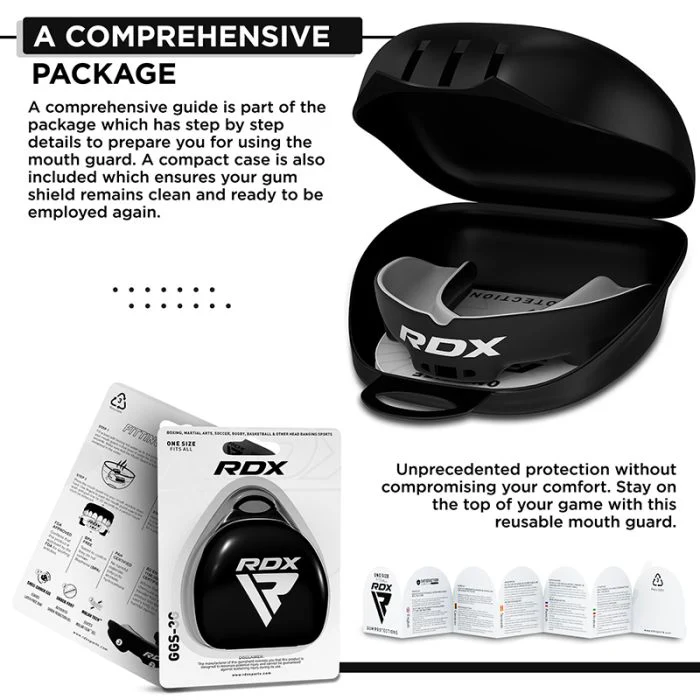
Introducing the RDX 3W Mouthguard for JUNIORS: Your path to stronger, more confident shots! Want to take your training to the next level?
Acra is a purely Czech brand that has been providing a full range of sports equipment for homes and rural playgrounds since 1991.
Customer Service Center
Feel free to write anytime
Call Mon–Fri, 6 a.m.–3 p.m.
Delivery Methods
Payment Methods