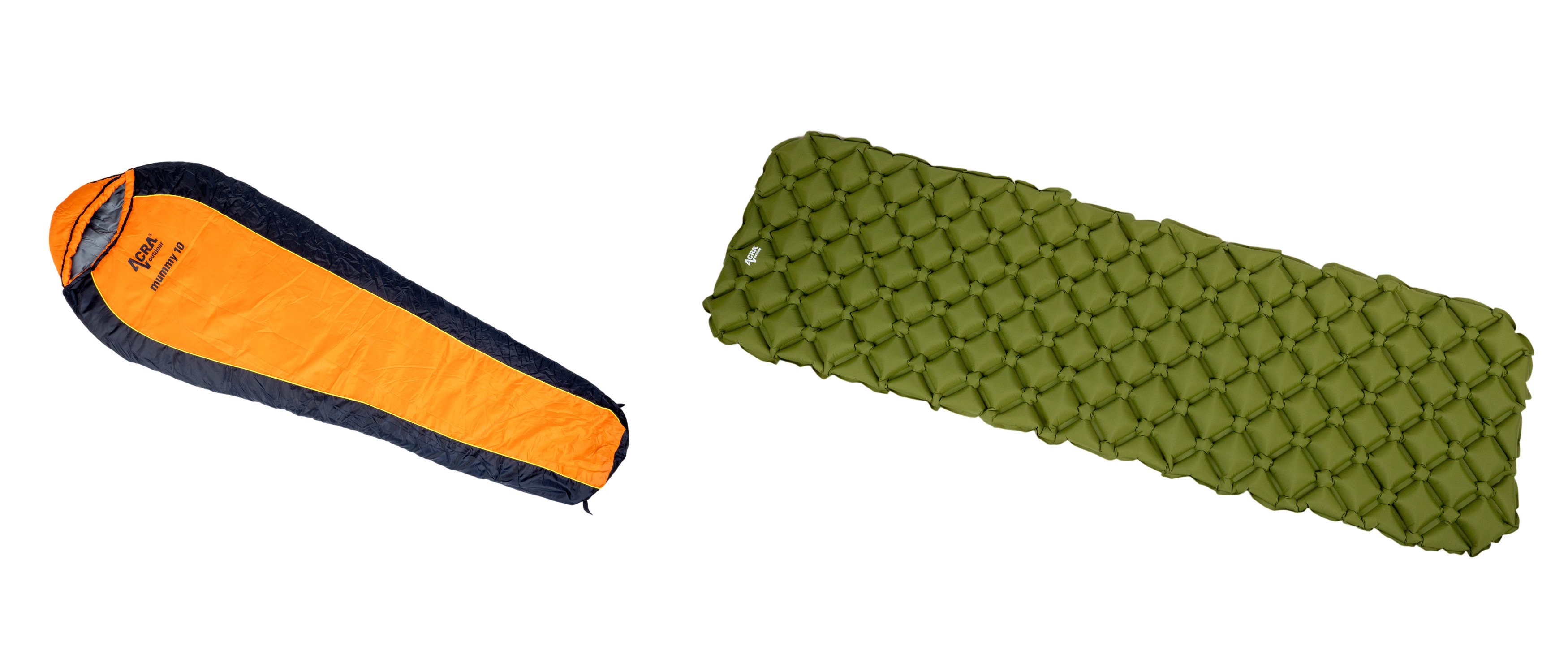
✔ Lightweight, compact, inexpensive – ideal for a “quick overnight stay”.
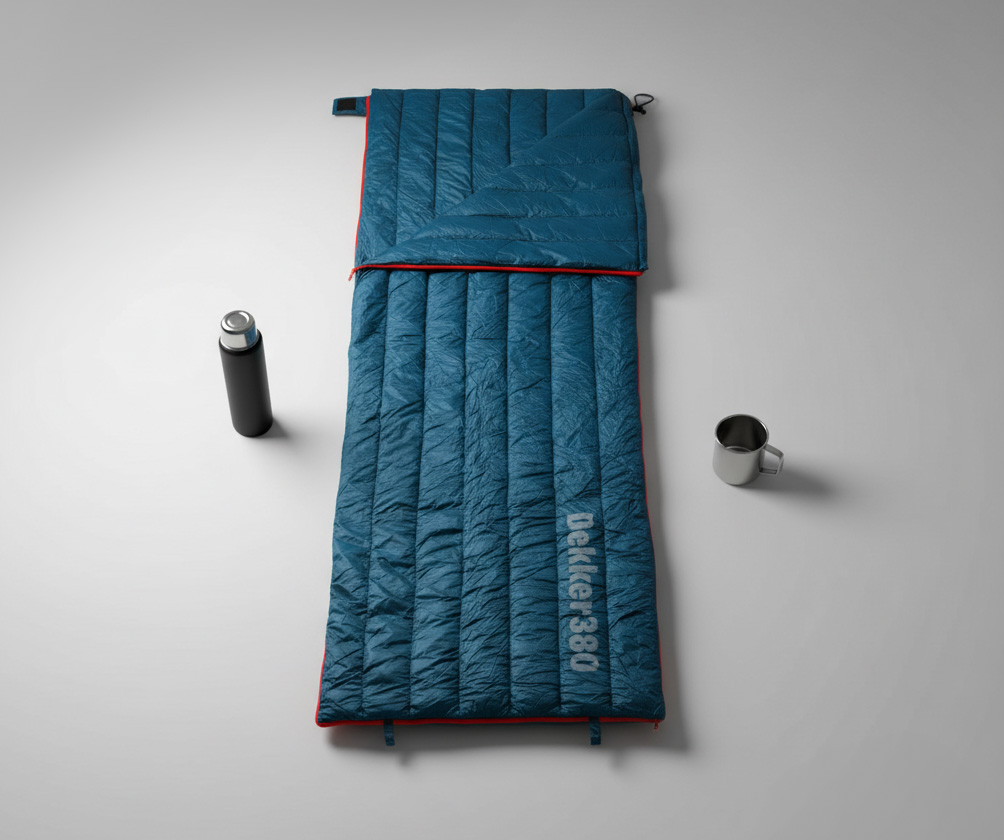
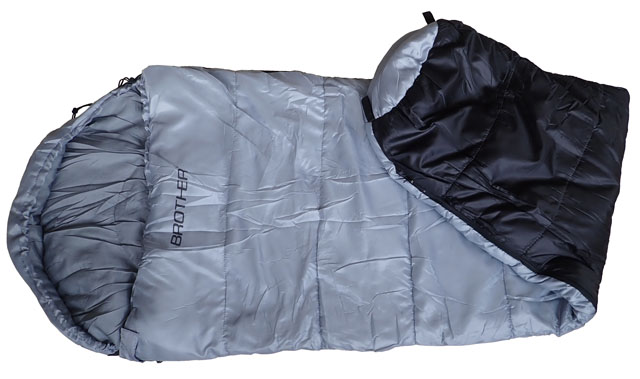
✔ Duvet sleeping bags are comfortable – you can move around more in them, and they can often be unzipped like a duvet.
✔ Here it is worth paying extra for better insulation, a longer cut and an overall more comfortable and higher quality sleeping bag design.
✔ If you feel the cold, sleep by the water/in the mountains, or cycle outside of summer, focus mainly on insulation strength.
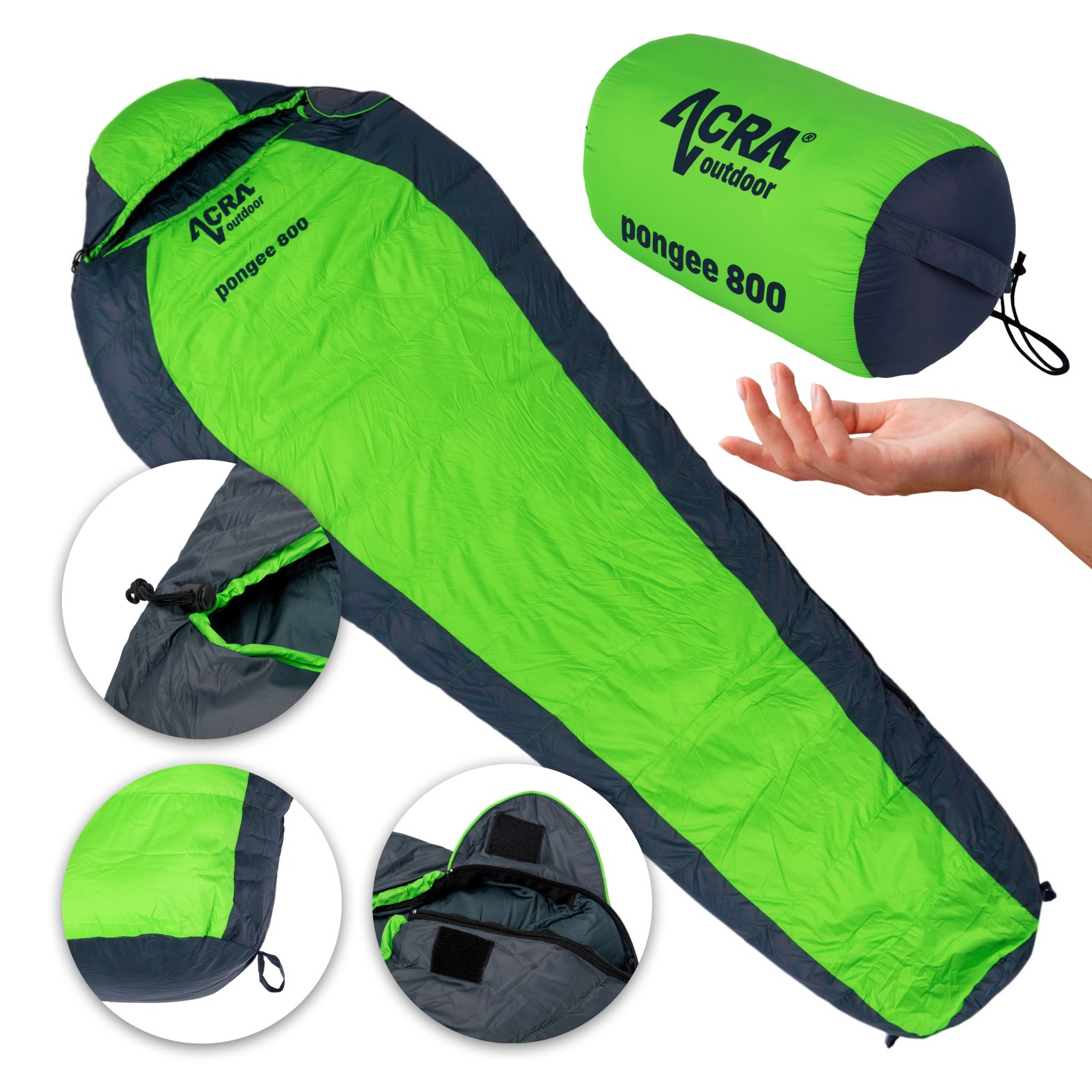
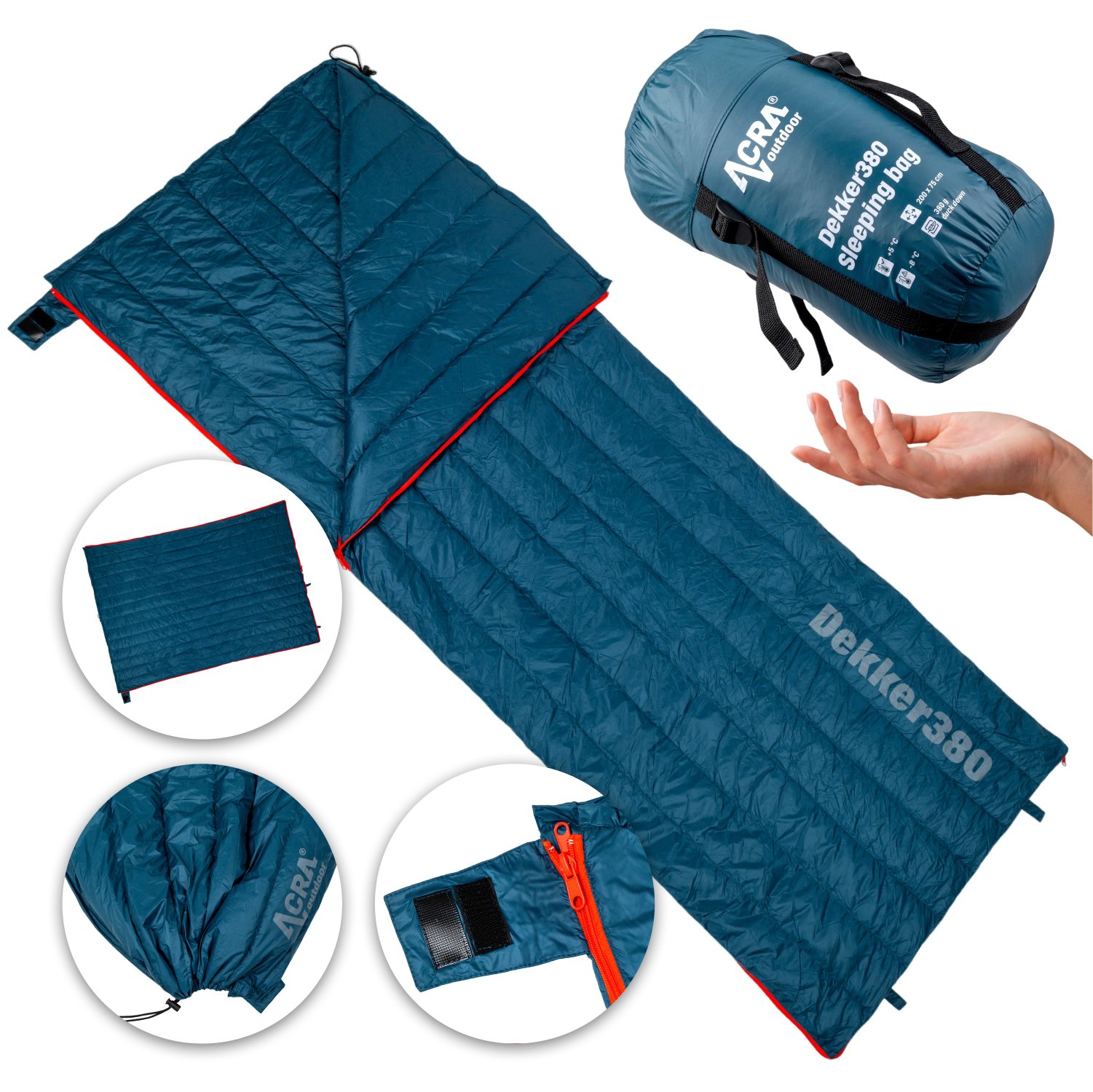
✔ If you are into light hiking, pay attention mainly to weight and packability. Down sleeping bags tend to be the best in terms of warmth/volume ratio.
1) Sleeping bag type: Mummy vs. blanket
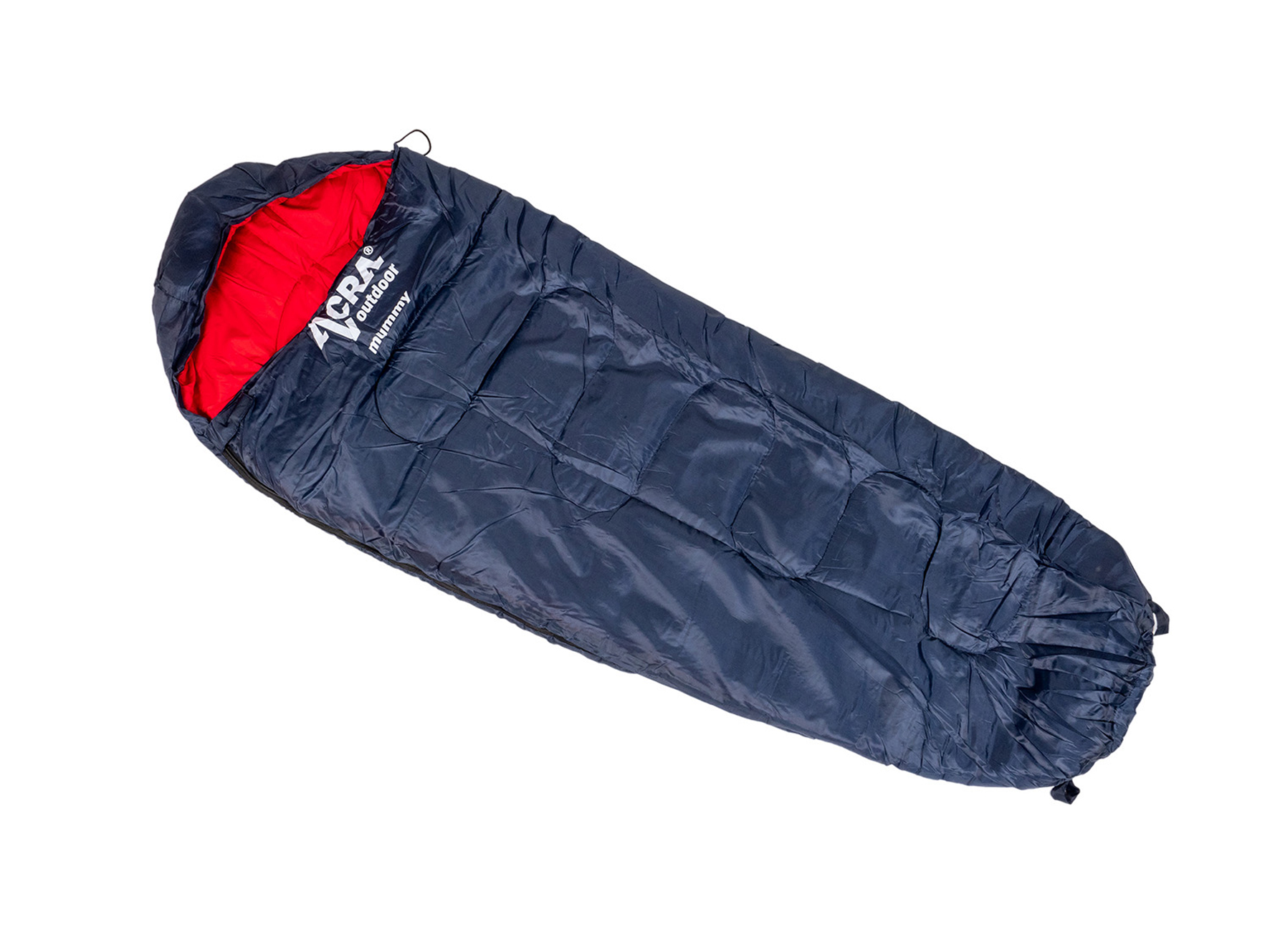
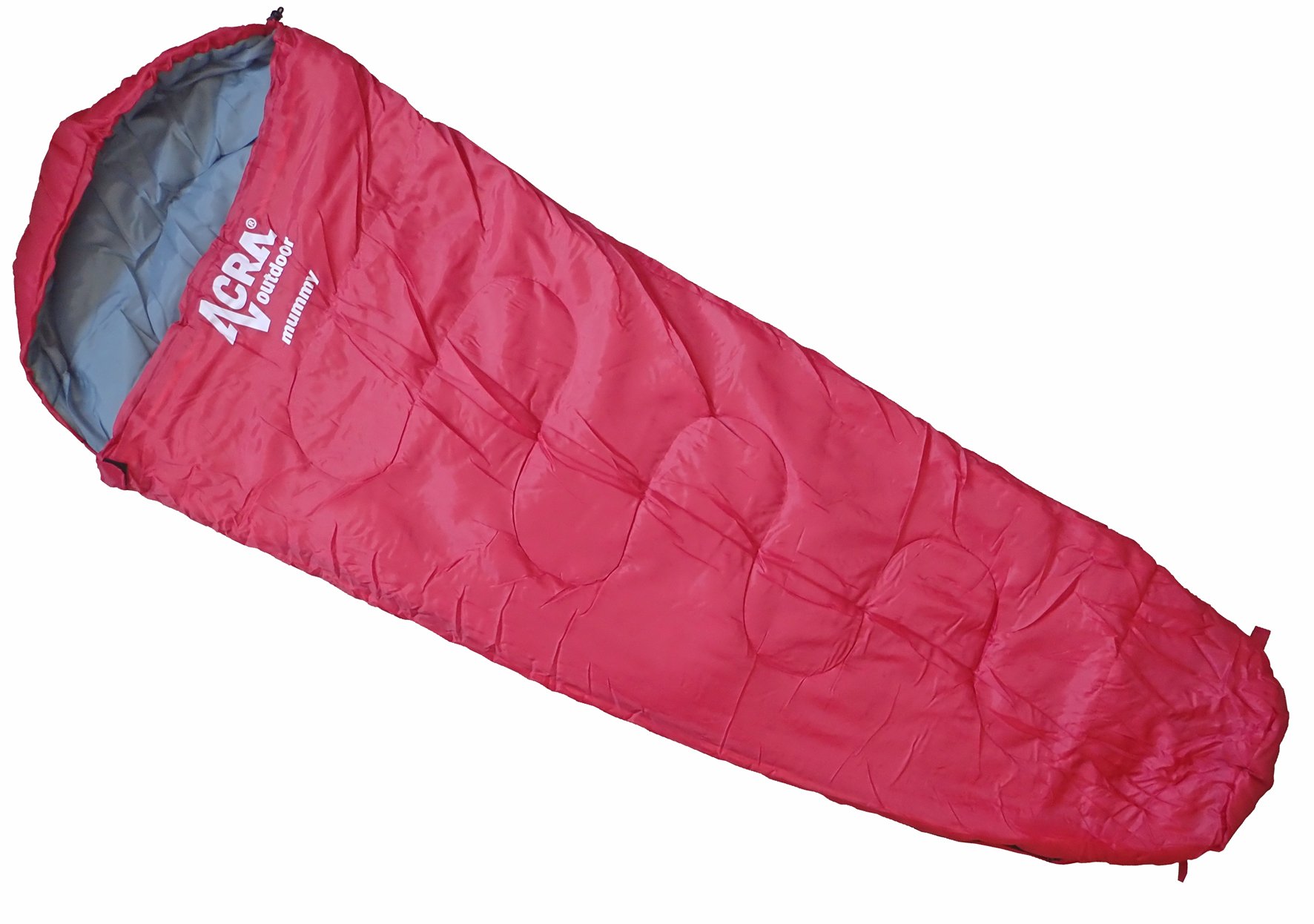
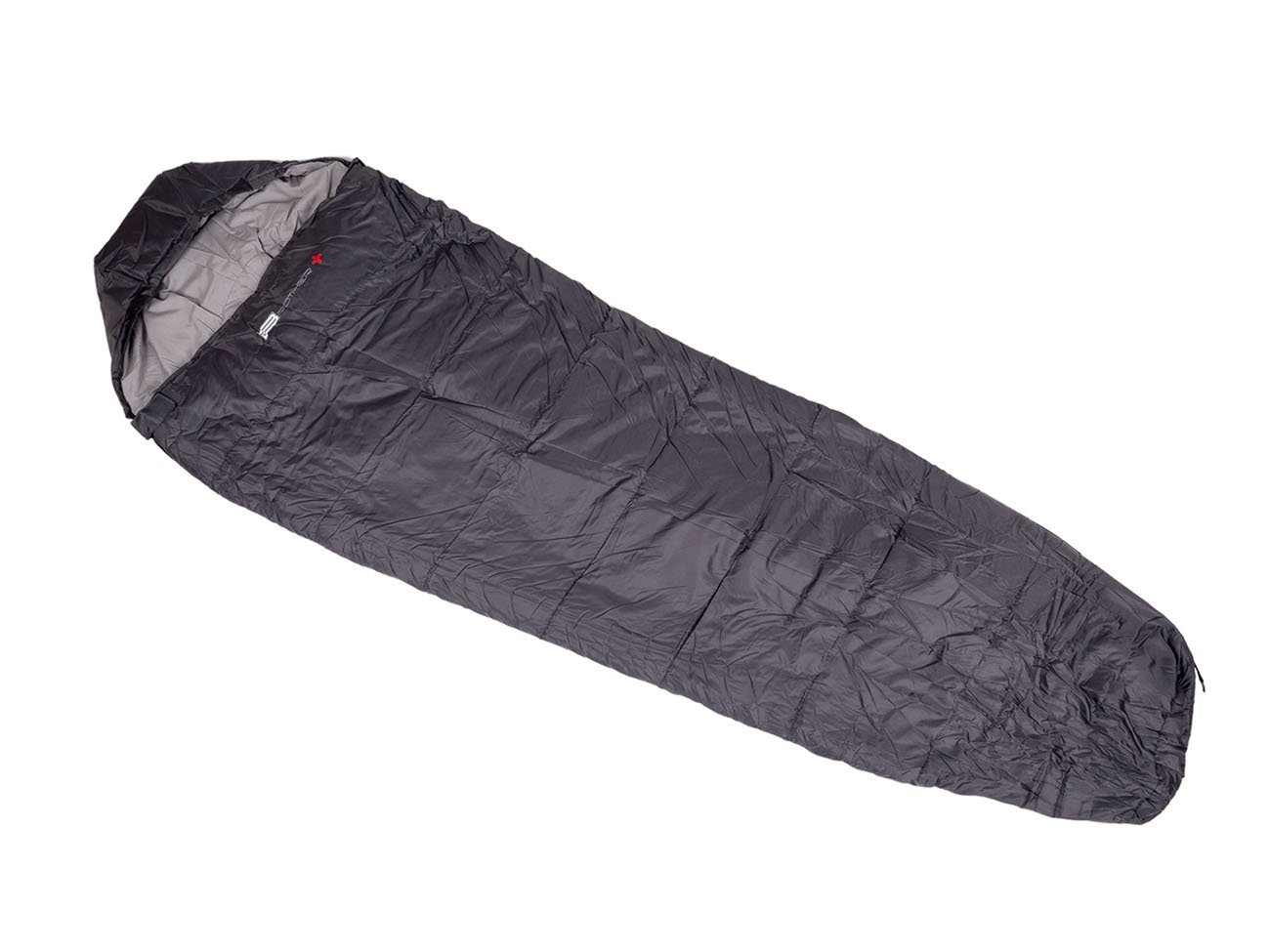
- Mummy = warmer and more compact (better for a backpack).
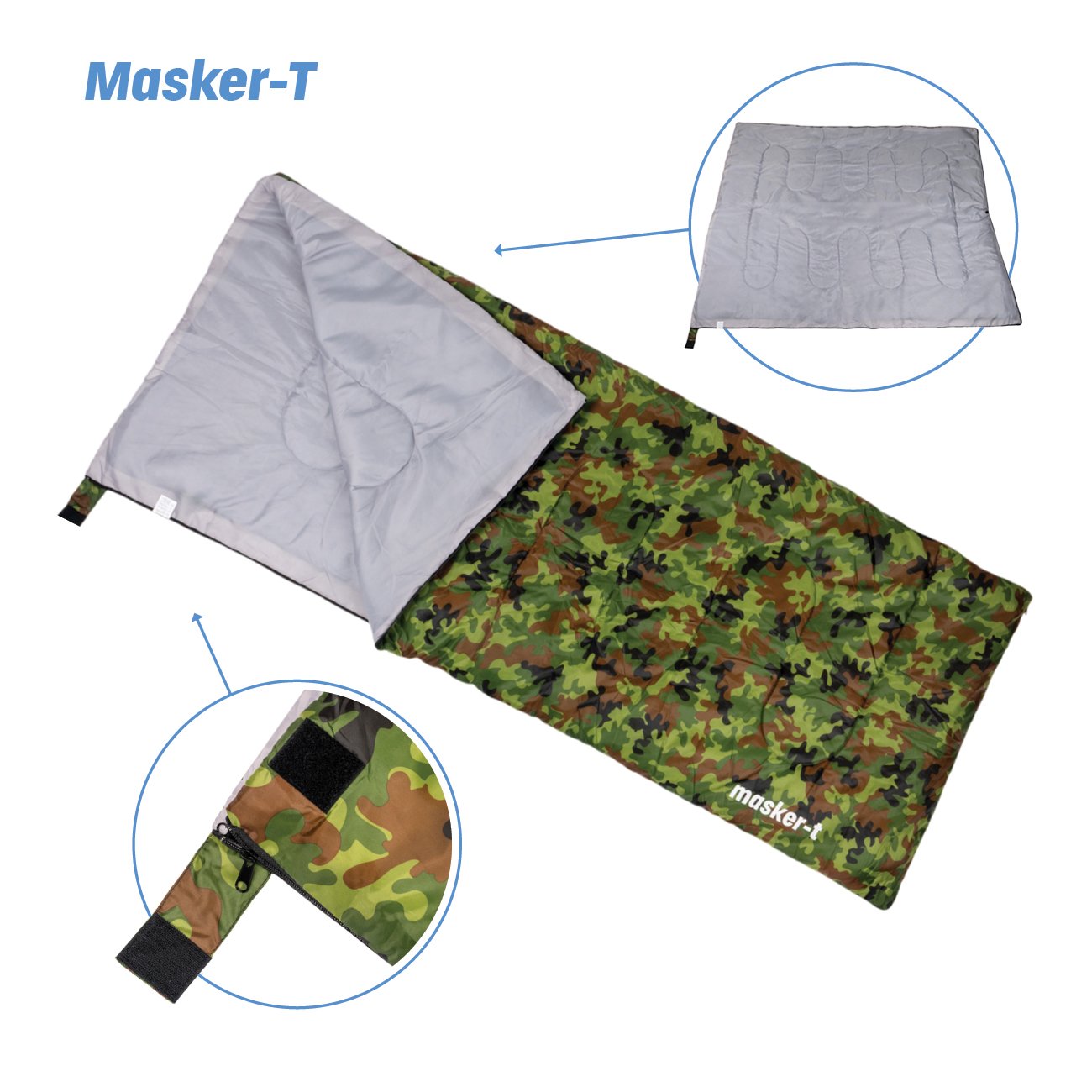
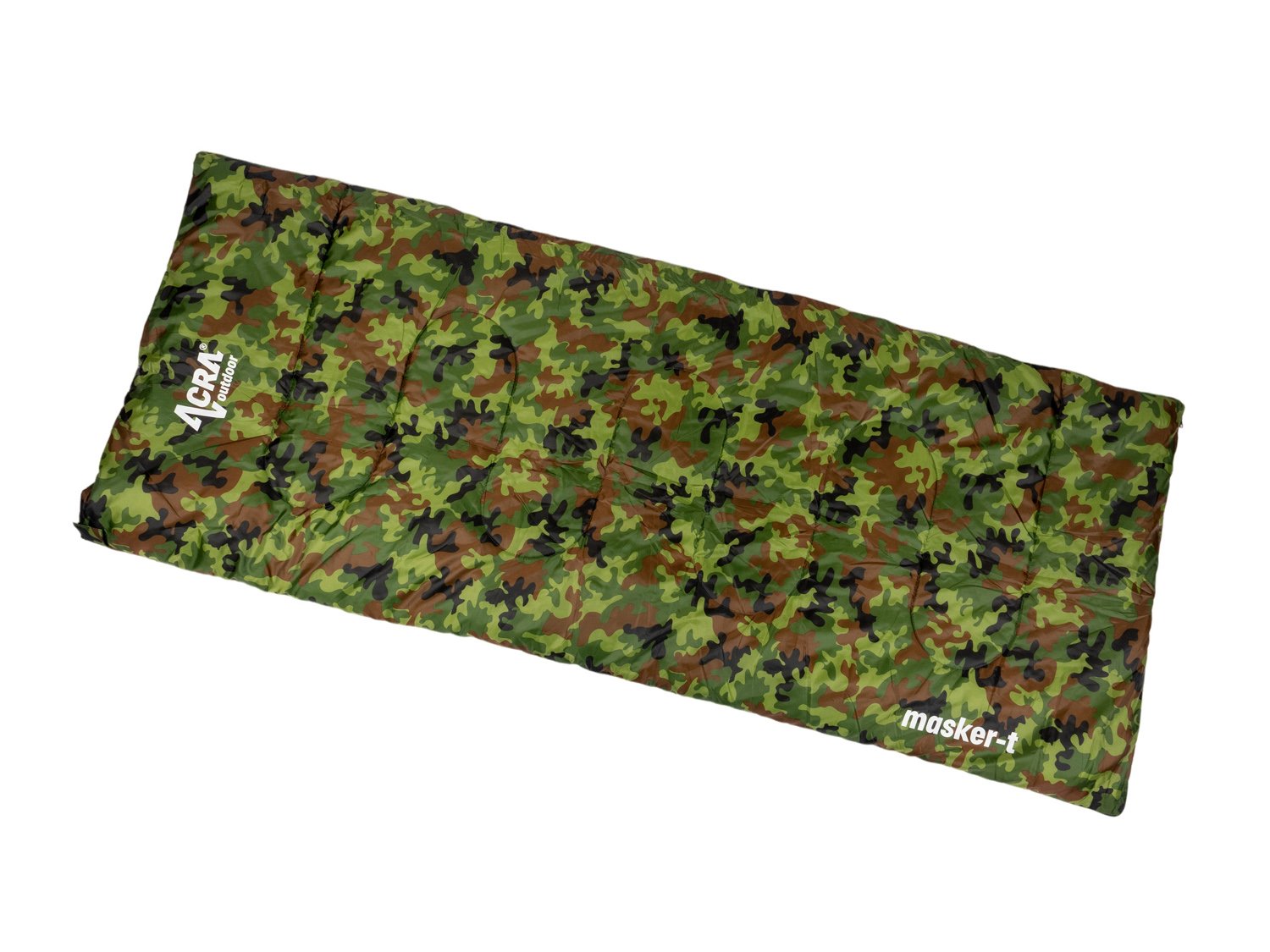
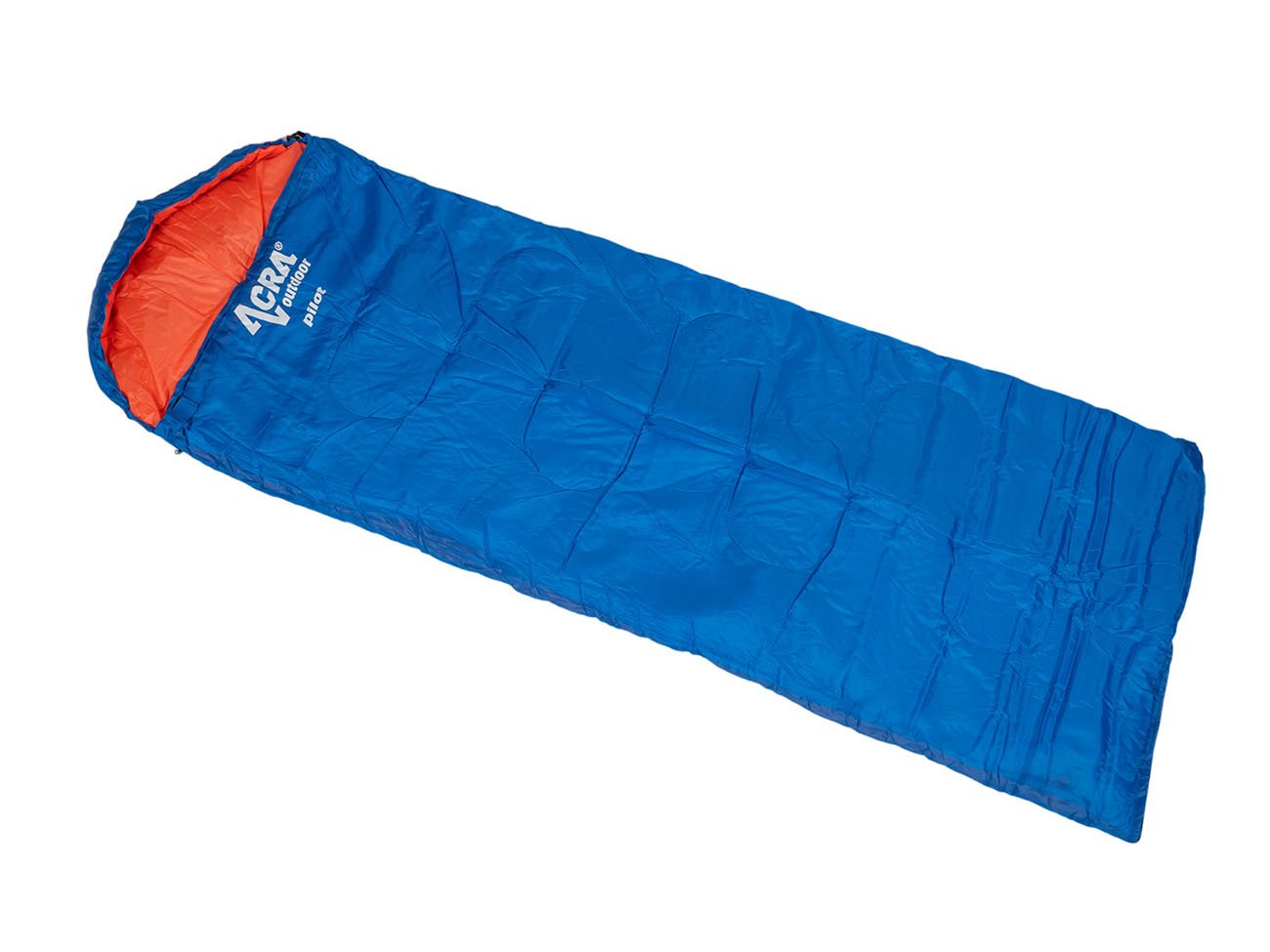
- Blanket sleeping bag = more comfort and space, can often be unzipped like a blanket.
2) Temperature: focus on real-world use
The temperatures on sleeping bags are often “on the edge”. In practice, the following applies:
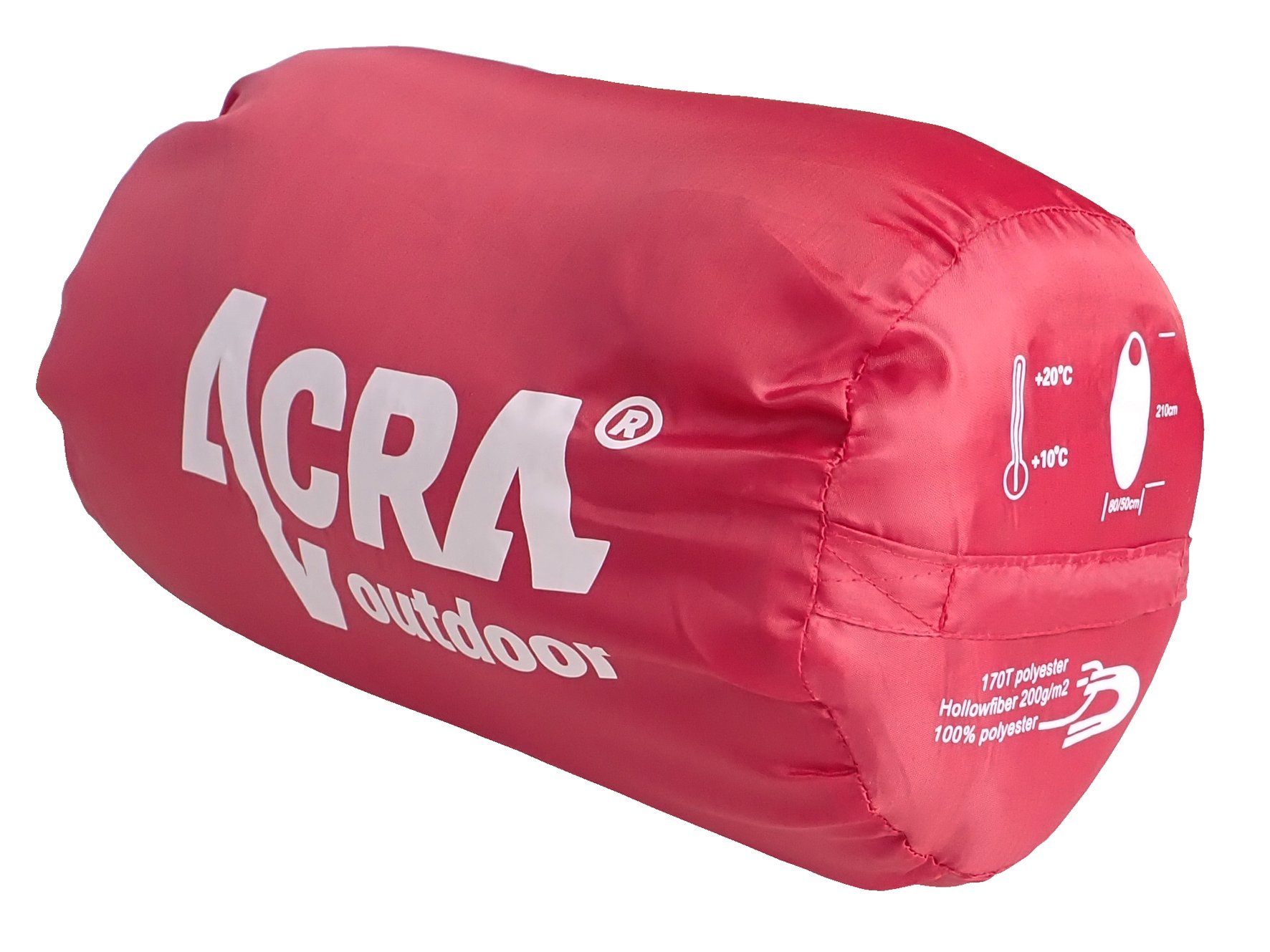
- Summer: around +10 to +15 °C (for a cottage, festival)
- Spring/autumn: better to have a larger reserve (depending on how sensitive you are to the cold)
- Colder nights: opt for thicker insulation (g/m²) and a mummy shape
With ACRA, you can also filter by “comfort temperature” and other parameters.
3) Insulation/filling
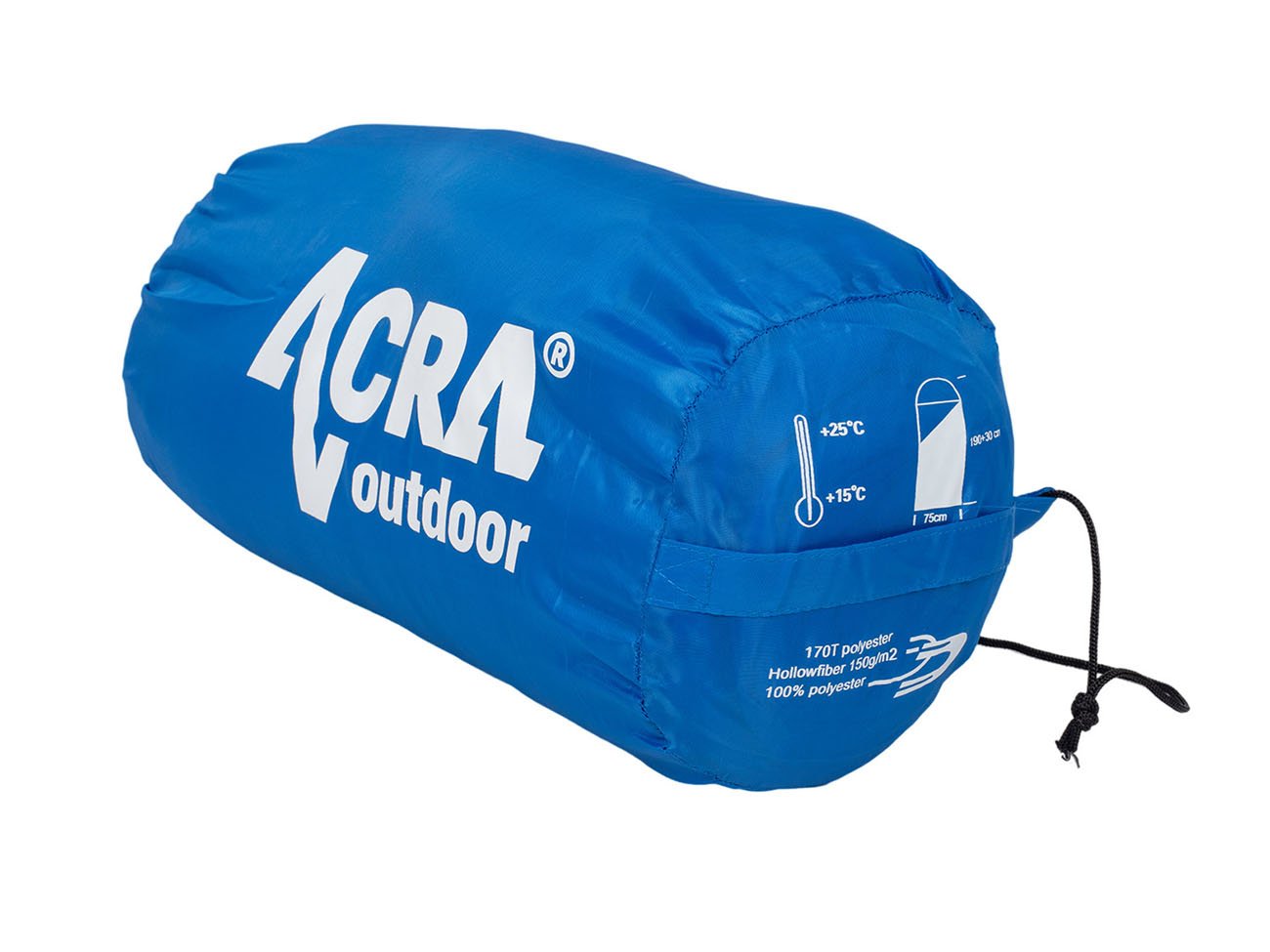
- Hollow fibre (synthetic): moisture resistant, easy maintenance, great for regular camping.
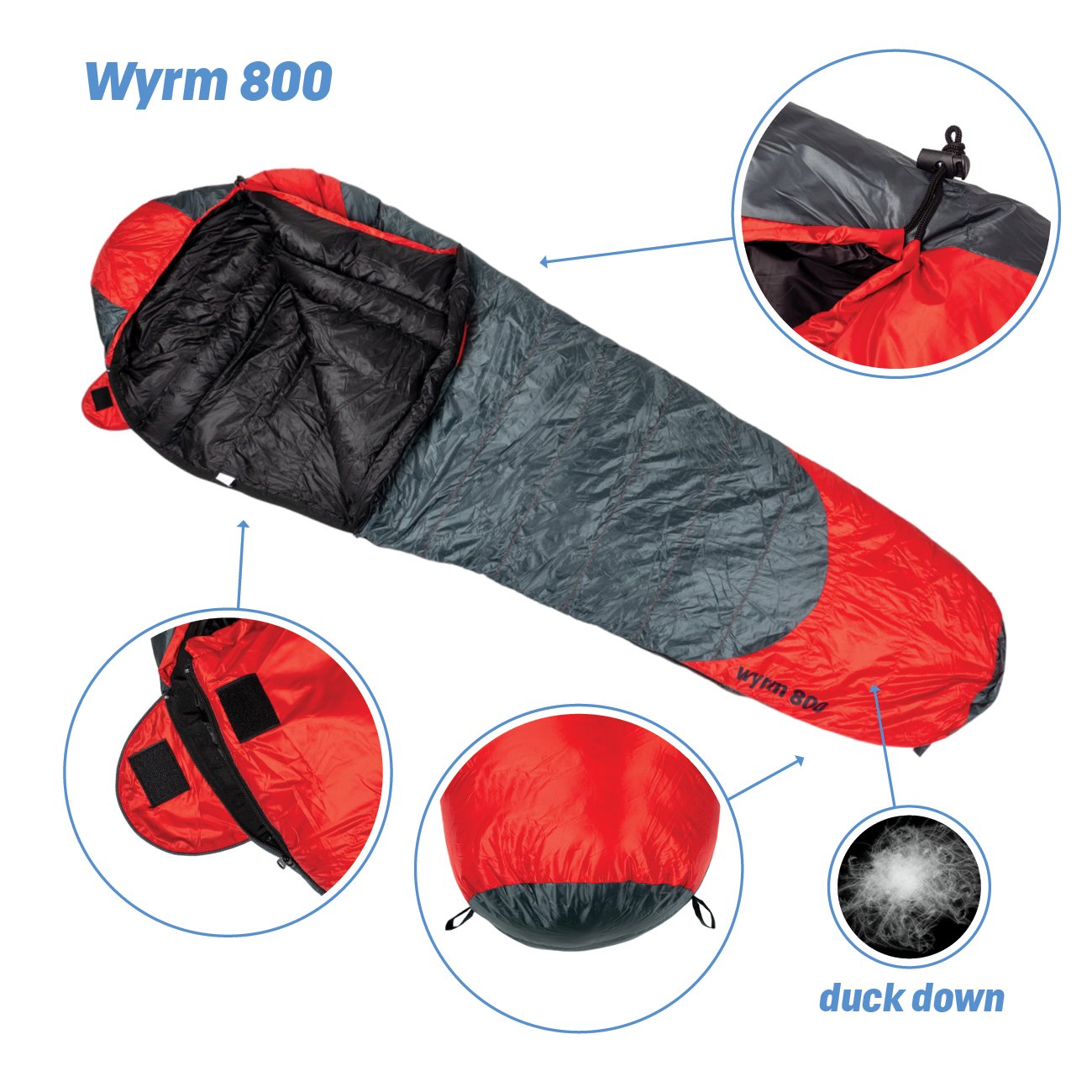
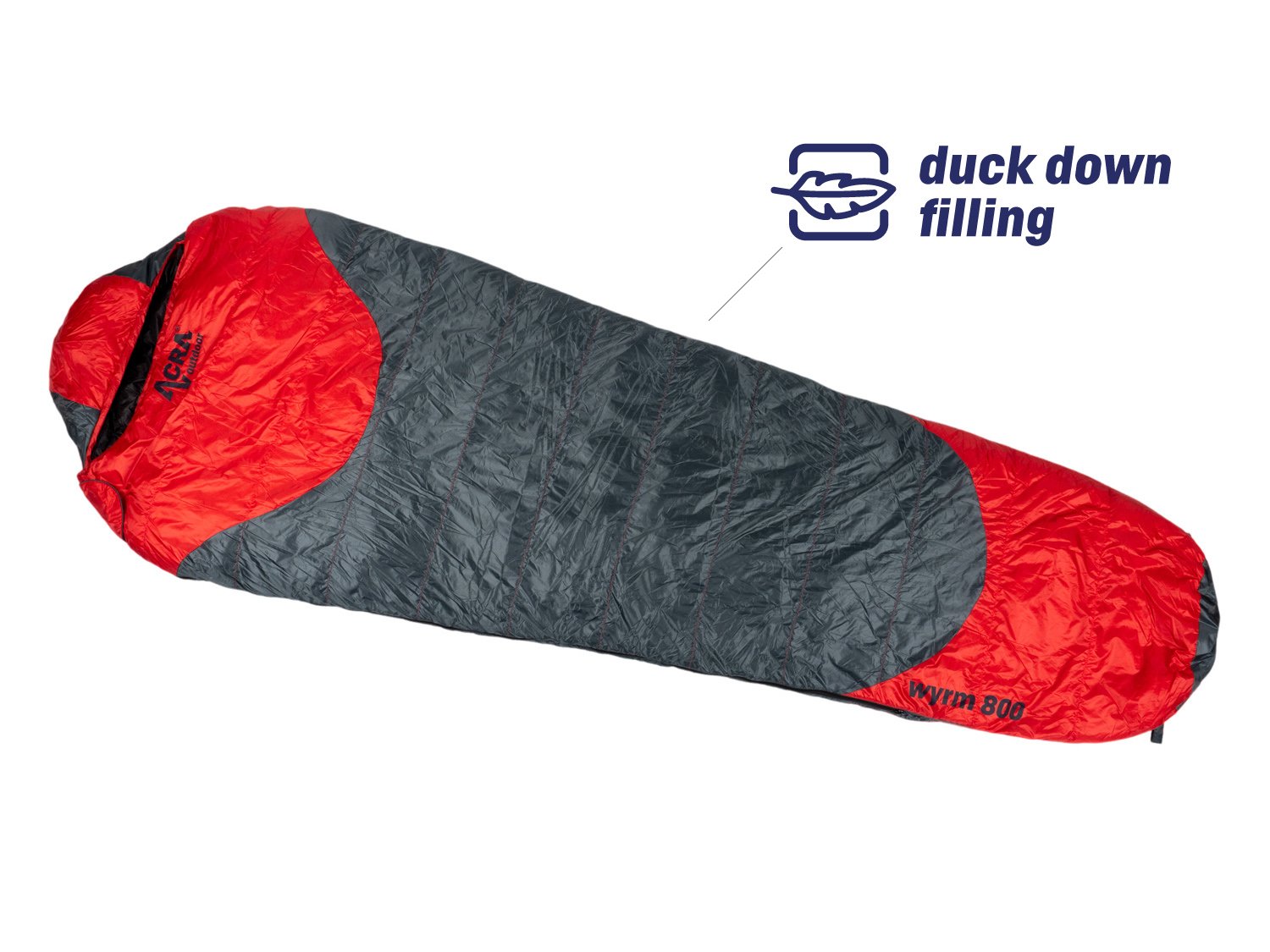
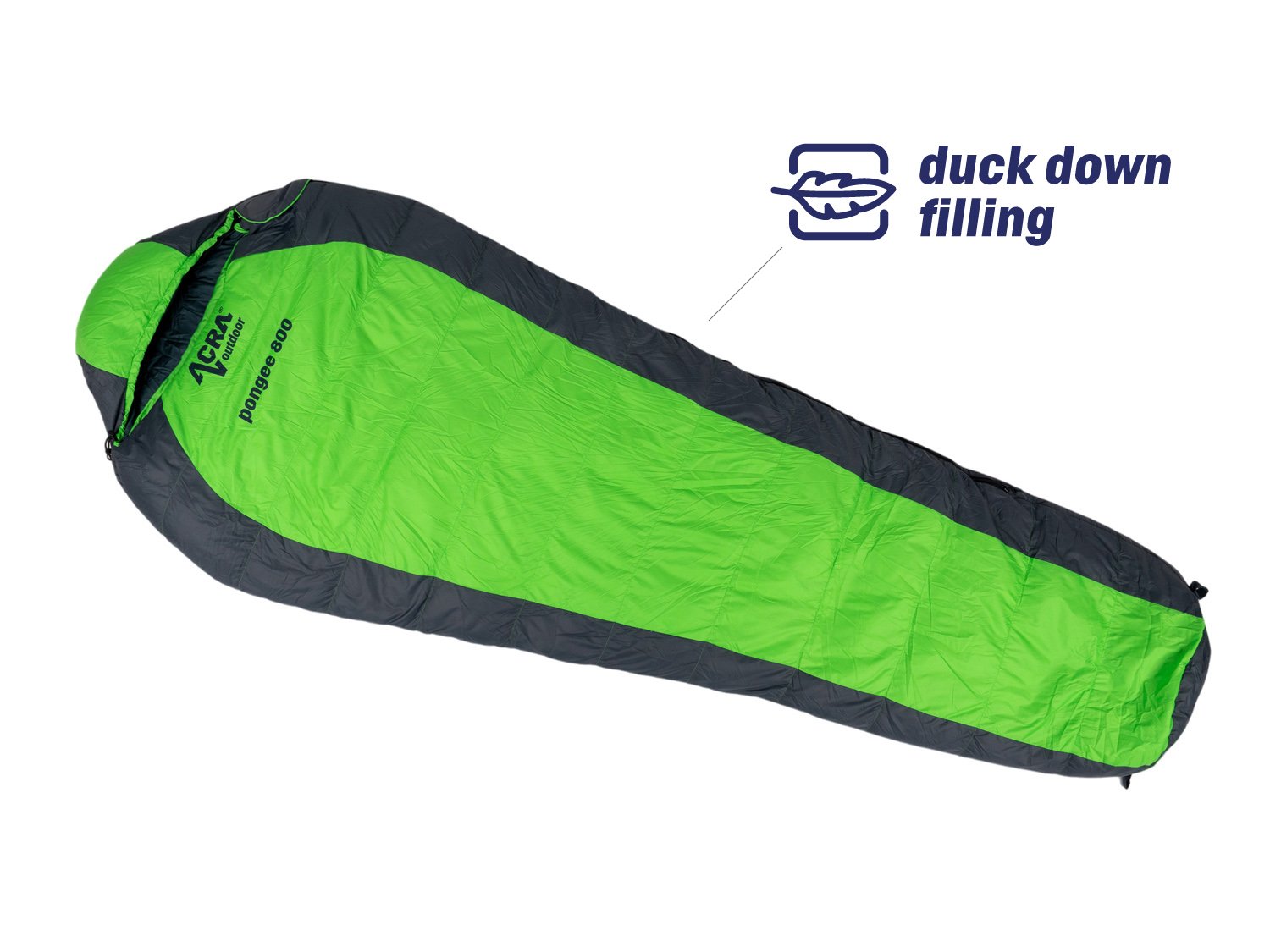
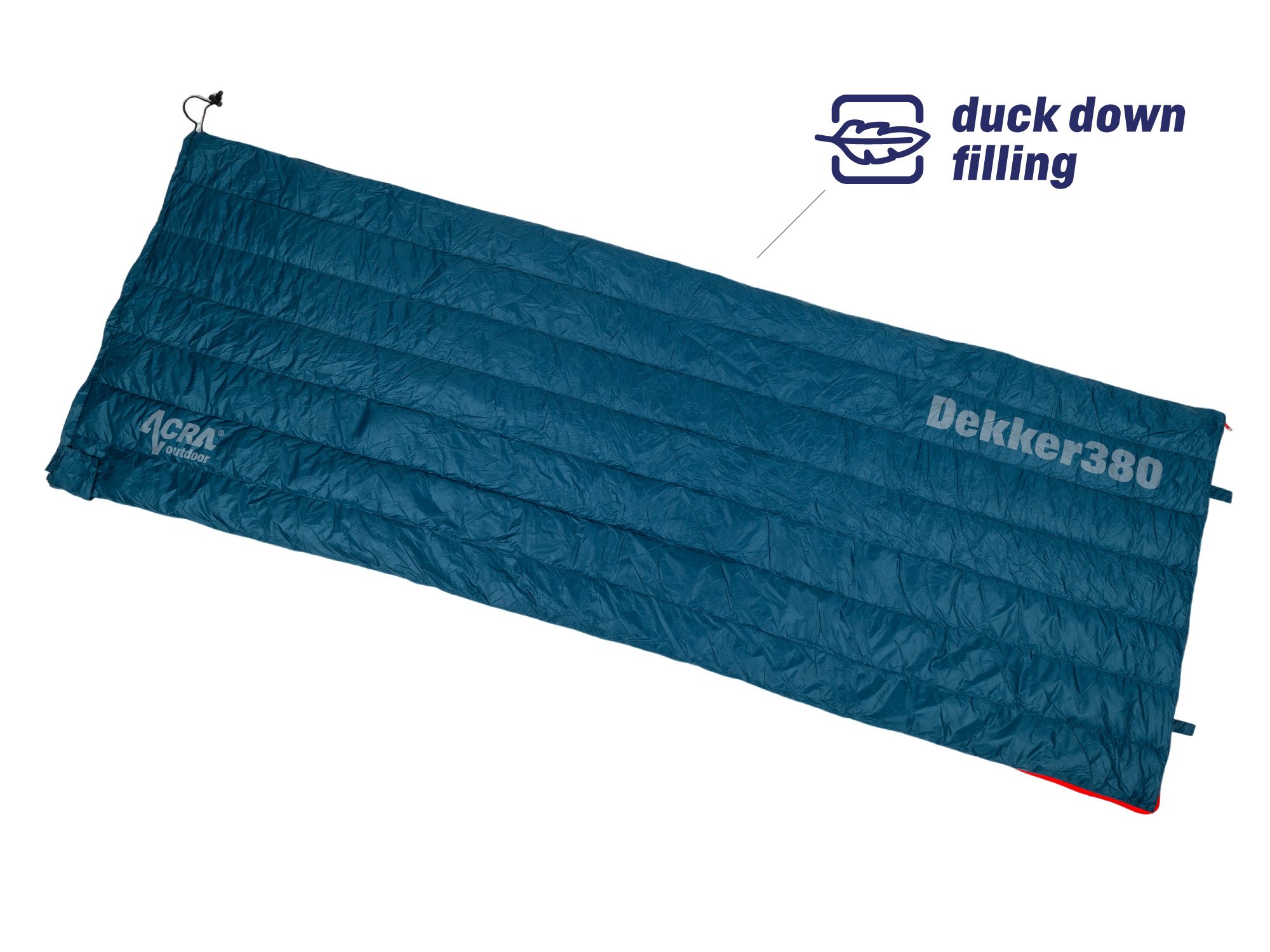
- Down filling: excellent packability and warmth-to-weight ratio (lightweight hiking).
4) Dimensions (make sure you actually fit in the sleeping bag)
Check the length (and width at the shoulders). If you are over 185 cm tall, a longer model (220–230 cm) is often worth it.
Tips for longer models:
5) Weight and packability
If you are carrying the sleeping bag on your back, consider:
- total weight
- dimensions when packed
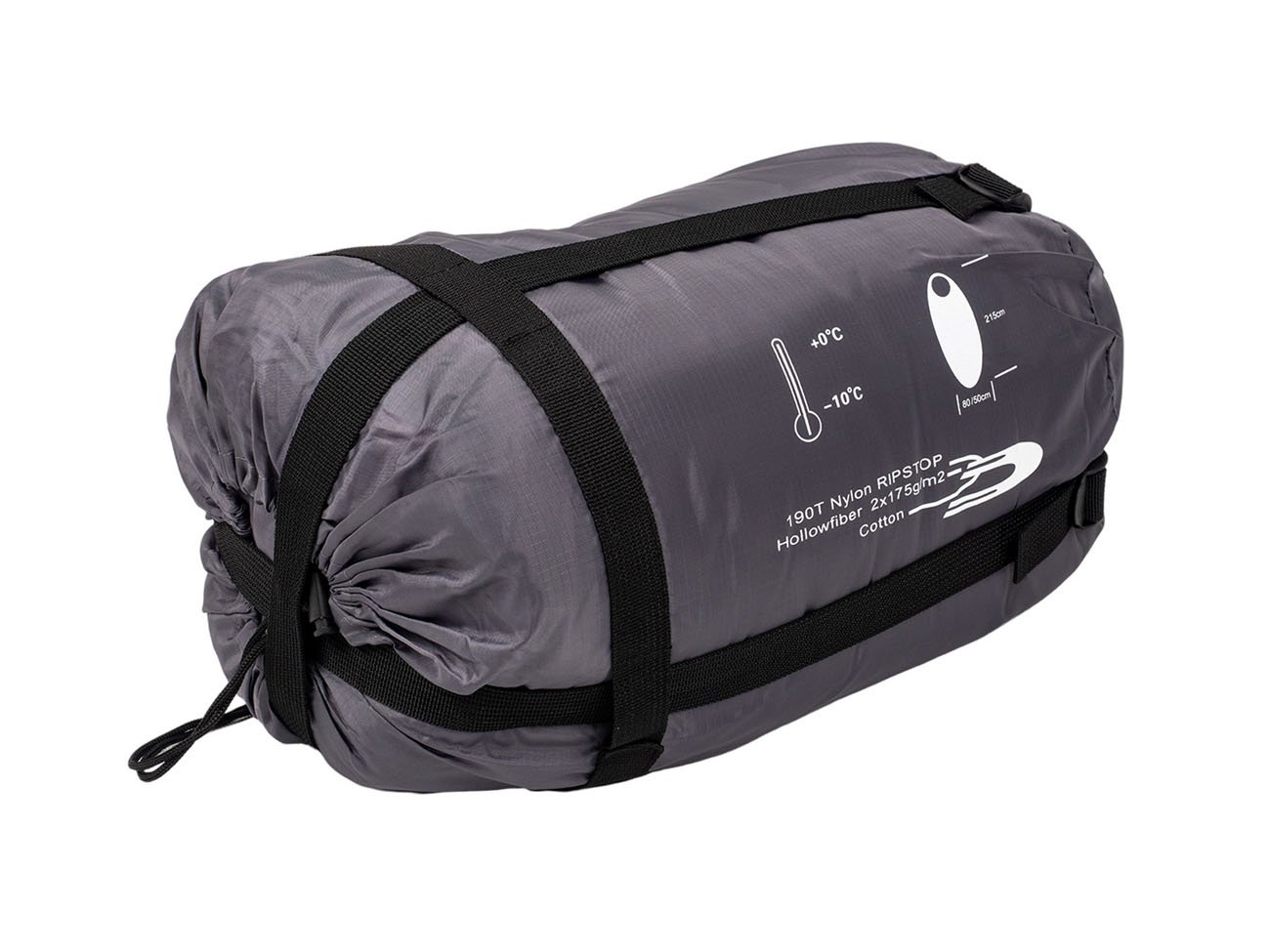
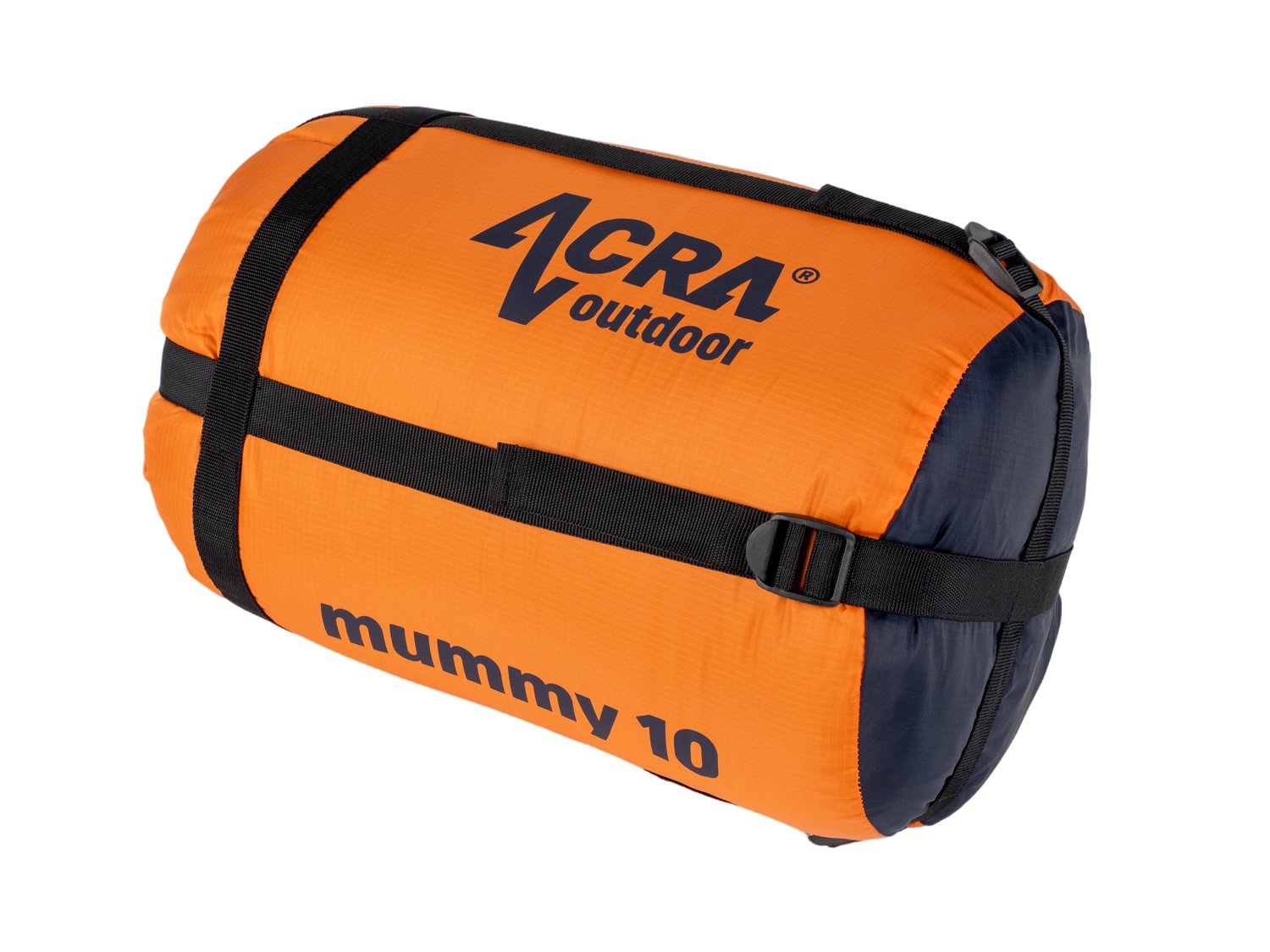
- whether the package includes a compression bag
For example, the MUMMY 3 comes with a compression bag and can be significantly reduced in volume when compressed.