Size
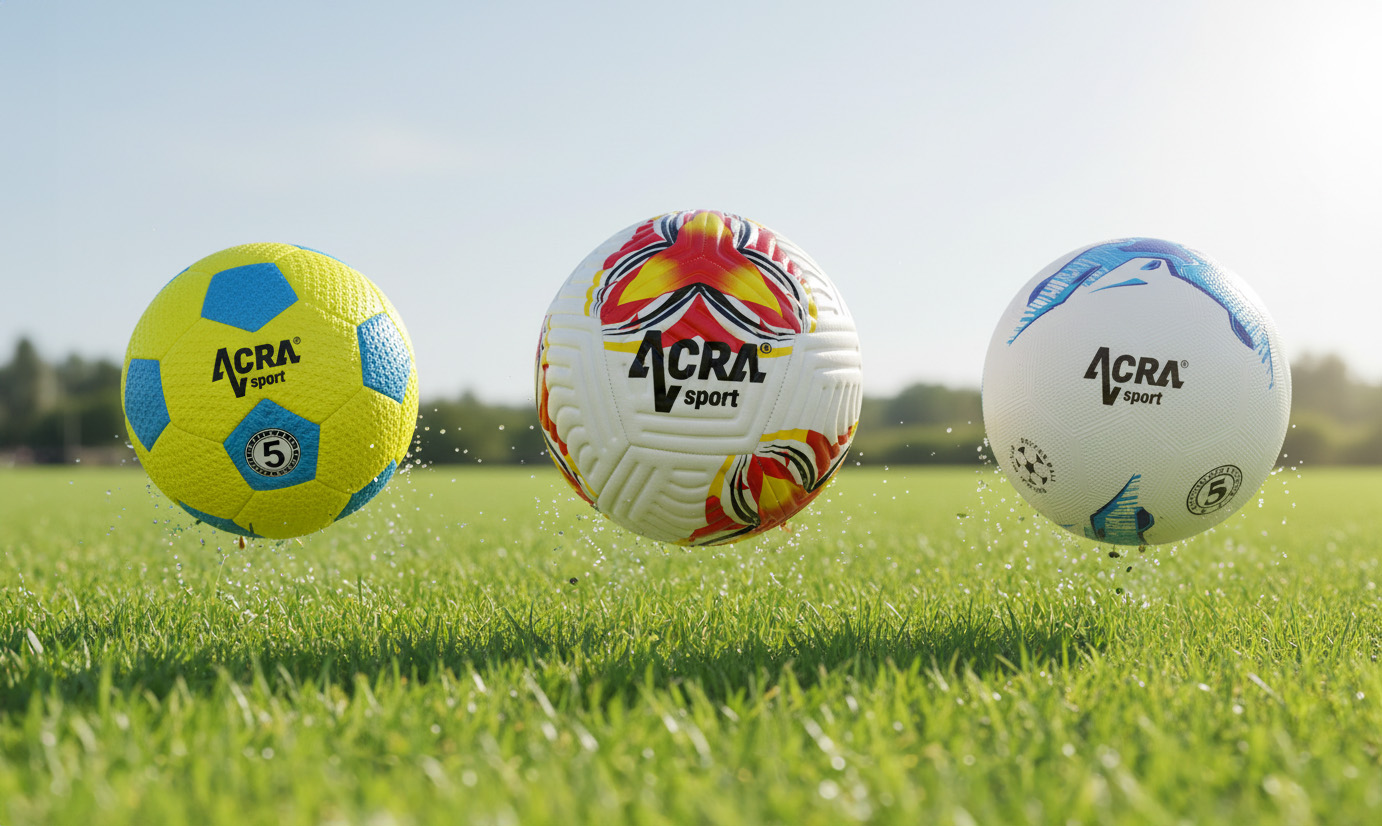
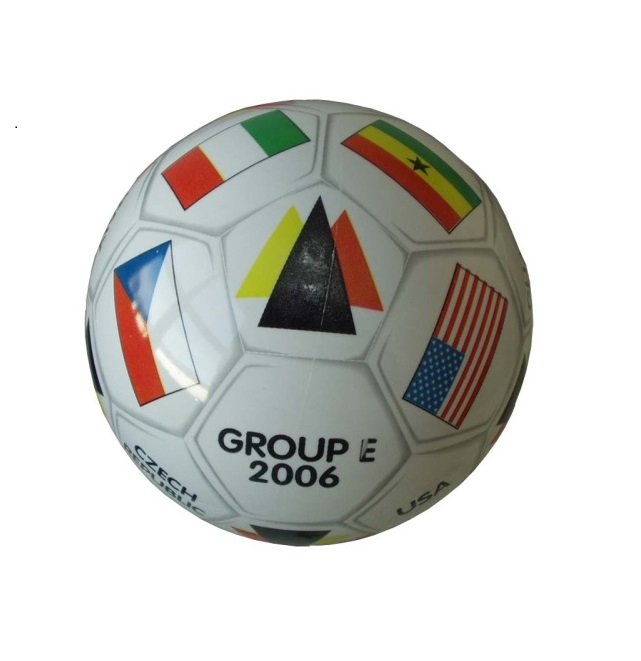
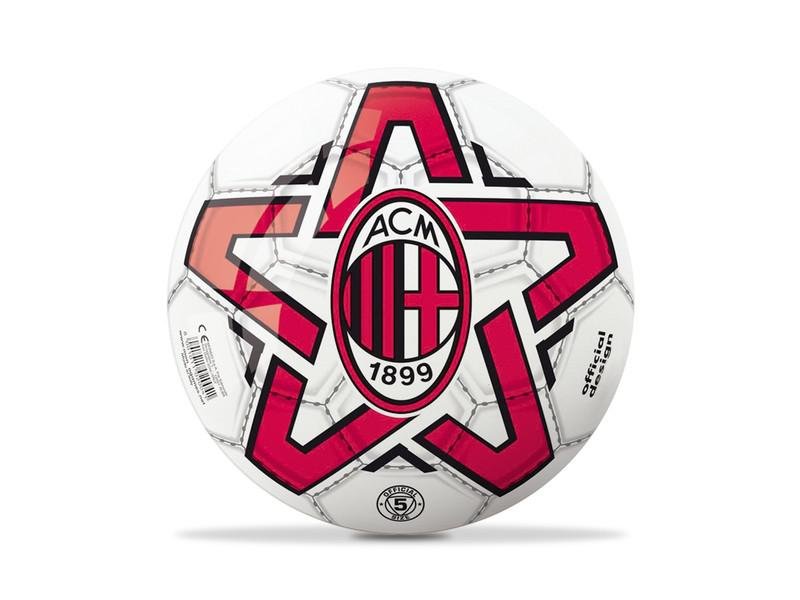
Adults and older teens typically choose size 5 (you’ll see this size most often in our selection).
Where You’ll Be Playing (Surface)
Some balls are only suitable for grass (they wear out faster on asphalt or concrete).
Weight
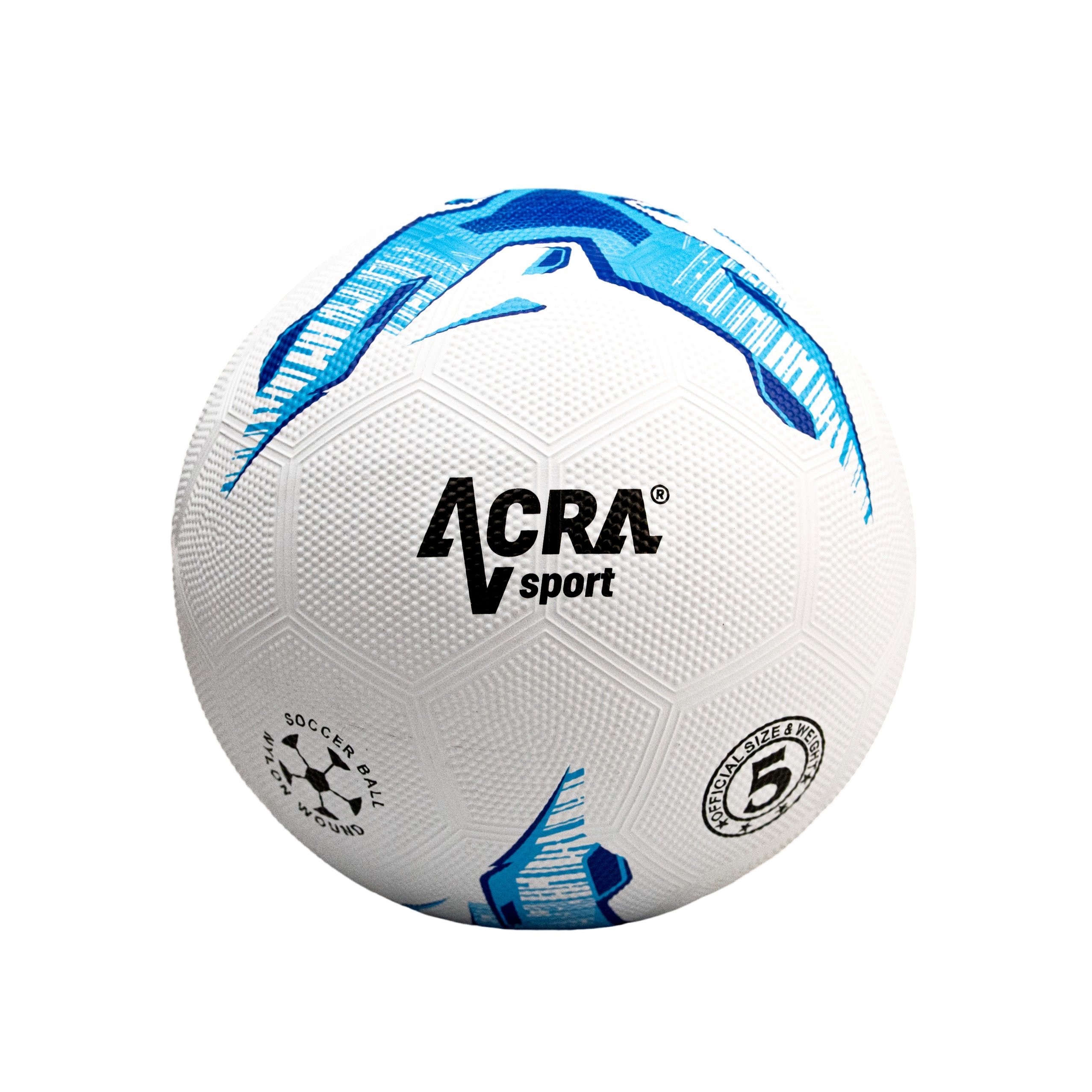
Lighter balls are suitable for children (easier to control). Selected products are listed as weighing approximately 320 g.
Material / Construction
Available balls are often made of PVC (a durable base for recreational use).
Quick tip: If you’re buying a ball for kids, don’t worry about the “most expensive” option—focus mainly on the weight and the surface it will be played on (grass vs. hard surface).
Size and Length
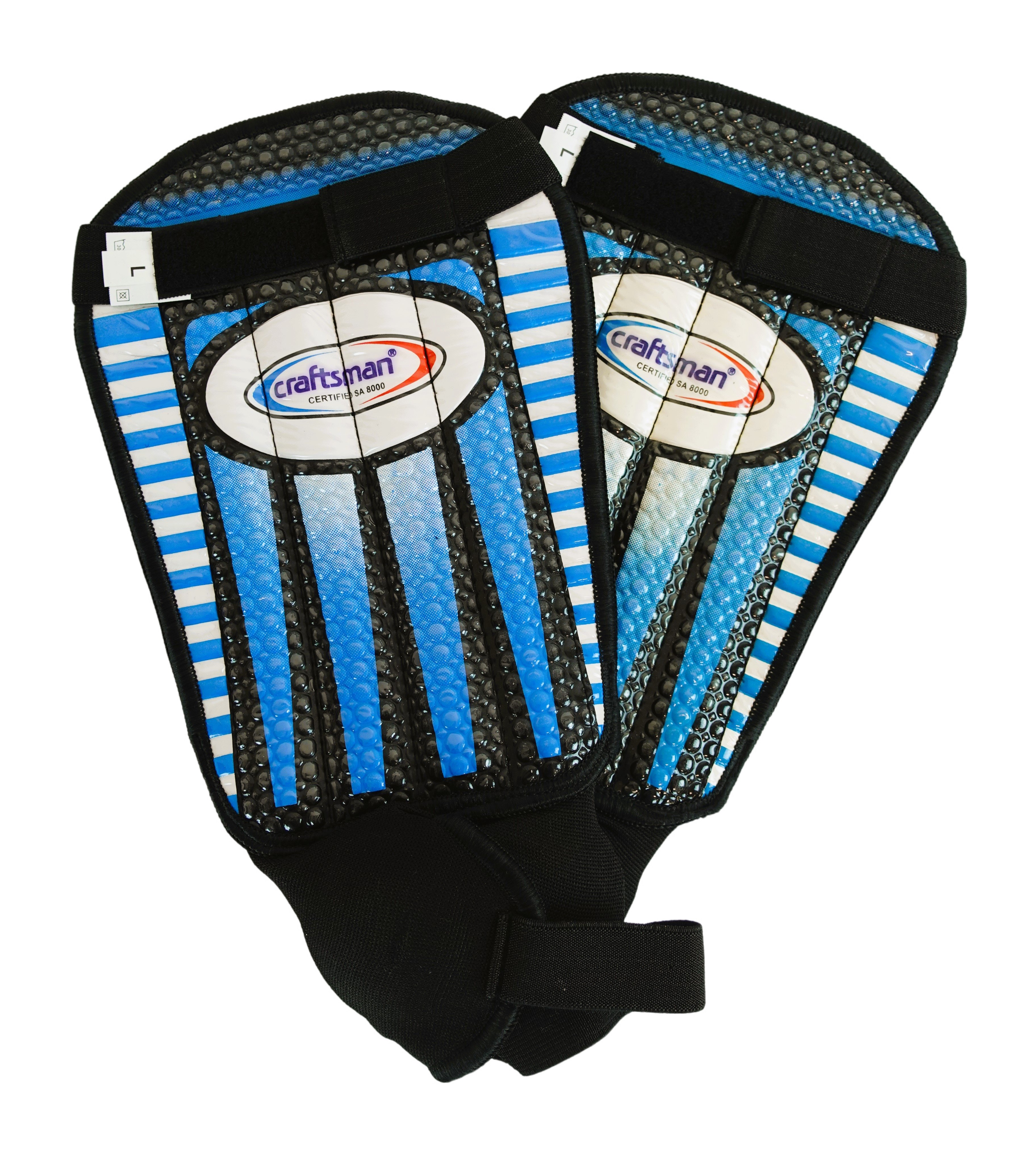
- For selected protective gear, recommendations based on height are listed directly (e.g., XL for approx. 180+ cm).
Construction: Basic vs. Comfortable
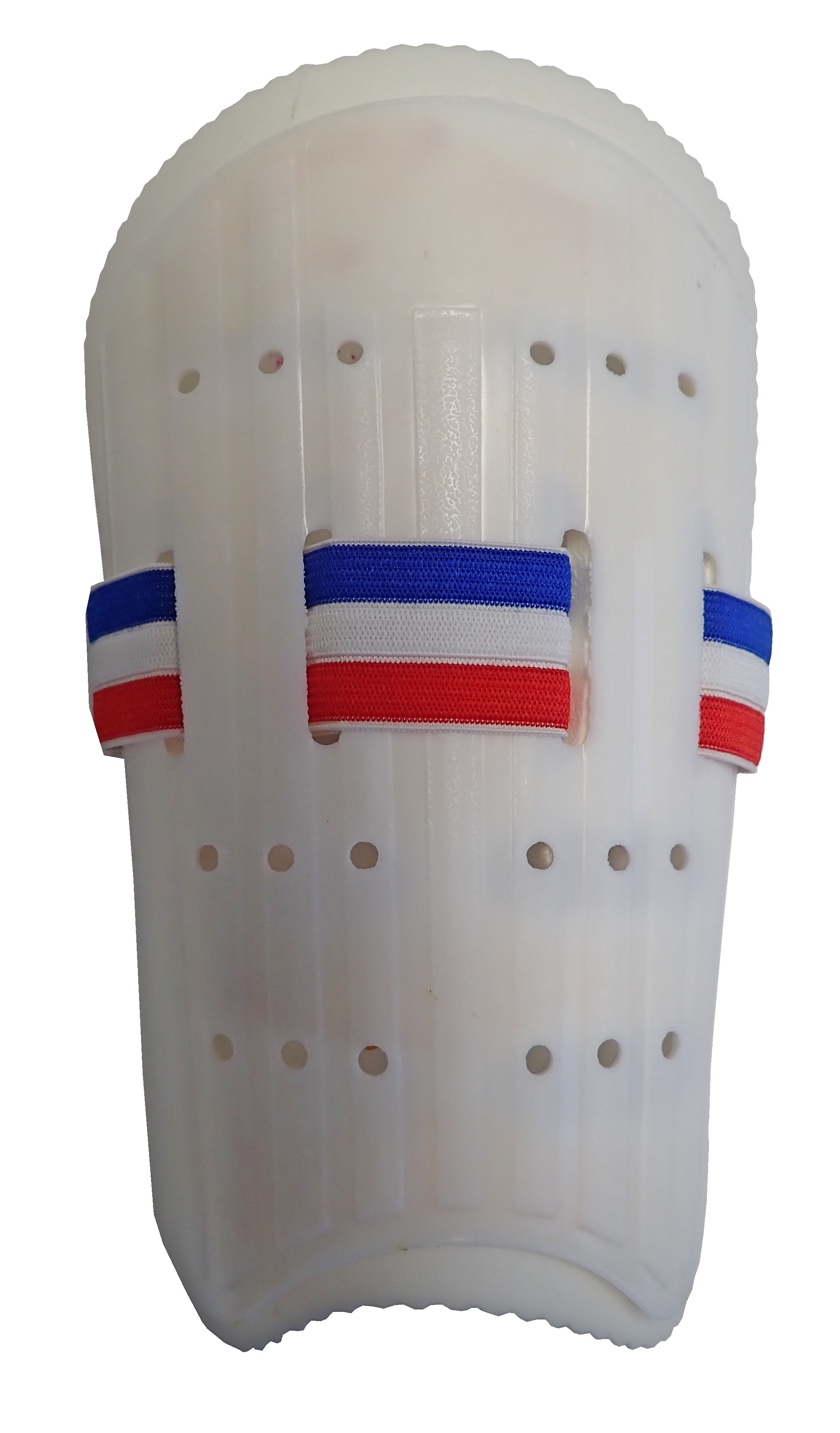
- Simple (plastic/fabric) = basic protection, low price.
- Gel padding = better fit and comfort during longer games.
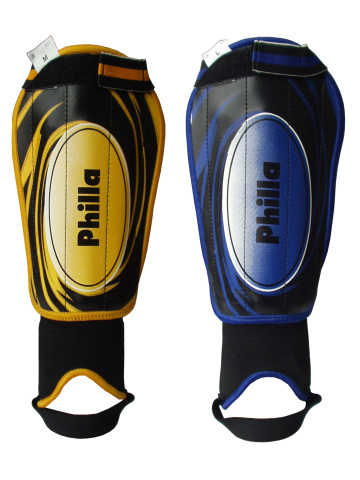
Ankle Protection
Quick tip: With pads, how they fit is more important than “what’s written on them.” When they don’t slip or dig in, the player feels more comfortable (and you’ll have fewer timeouts to deal with).
1) Proper ball pressure = better control and a more enjoyable kick.
The ball should be inflated to the pressure indicated on the valve; for game balls, this typically ranges from 0.6 to 1.1 (depending on the type). We recommend using a pump with a pressure gauge.
2) Ball size by age
- Size 3: up to about 8 years old
- Size 4: approx. 8–12 years
- Size 5: ages 12 and up and adults
And if you’re looking for a ball that “feels lighter” for children: there are also lightweight versions available (see below).
3) Lightweight balls for children
A lightweight ball is easier for children to kick and control, but for older players, it may “fly strangely.” At ACRA, we offer, for example, a lightweight ball weighing approximately 320 g (Size 5)—typically for younger children playing on grass.
4) Stitched vs. Thermally Bonded Panels
The method used to join the panels affects durability and performance in wet conditions: stitched balls tend to be durable, but the seams can absorb water more easily; heat-bonded (seamless) balls can be an advantage in wet conditions.
5) The surface matters more than people think
- Grass: the classic
- Artificial turf: look for balls labeled for turf/artificial surfaces (different bounce behavior, greater stress on the ball’s surface)
- Indoor / futsal: different balls—they’re usually smaller, heavier, and have a lower bounce
- Sand / beach: a “beach” version makes sense.
6) School playground / asphalt / dirt
Many people don’t just play on grass. If you often play on harder surfaces, consider the material—a rubber ball usually withstands more wear and tear.
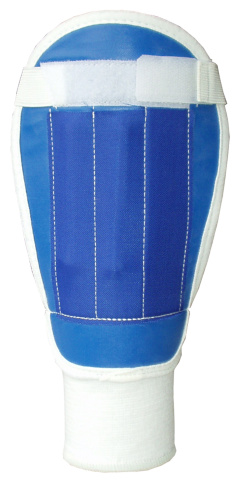
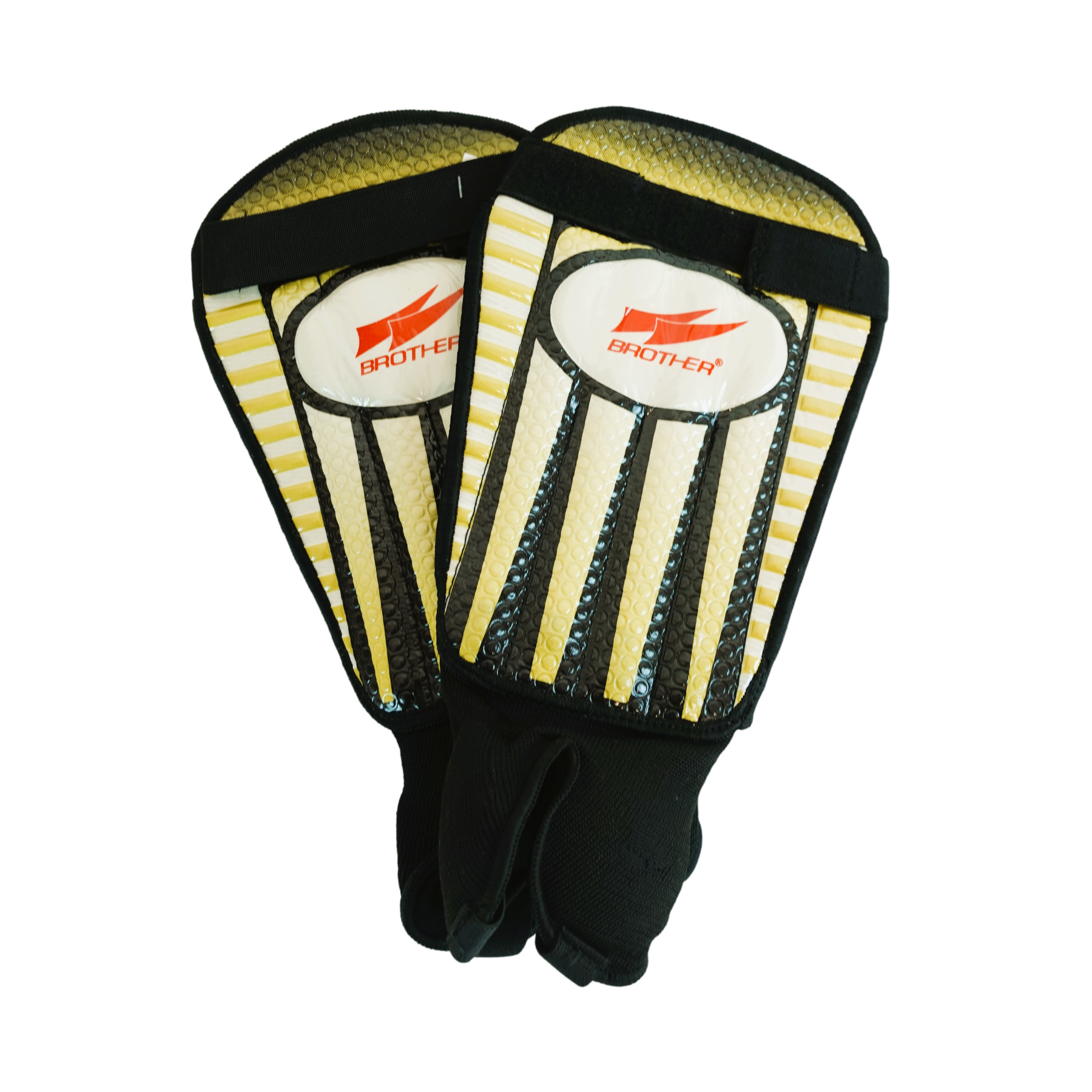
7) Shin guards: 2 key factors
- They should fit snugly and not slip (if they rotate, they’re too big or not tightened properly)
- Padding comfort: gel-padded or cushioned pads are more comfortable for longer practices.
8) Goalie gloves: The most common mistake is post-practice care
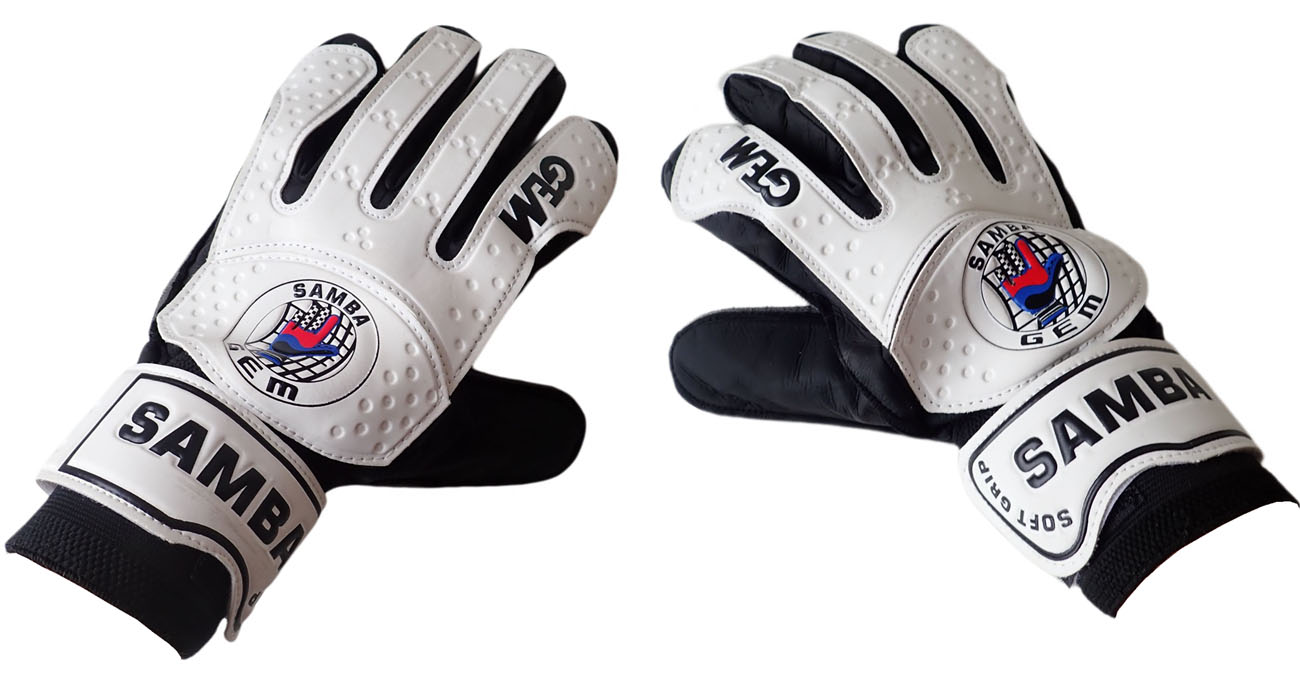
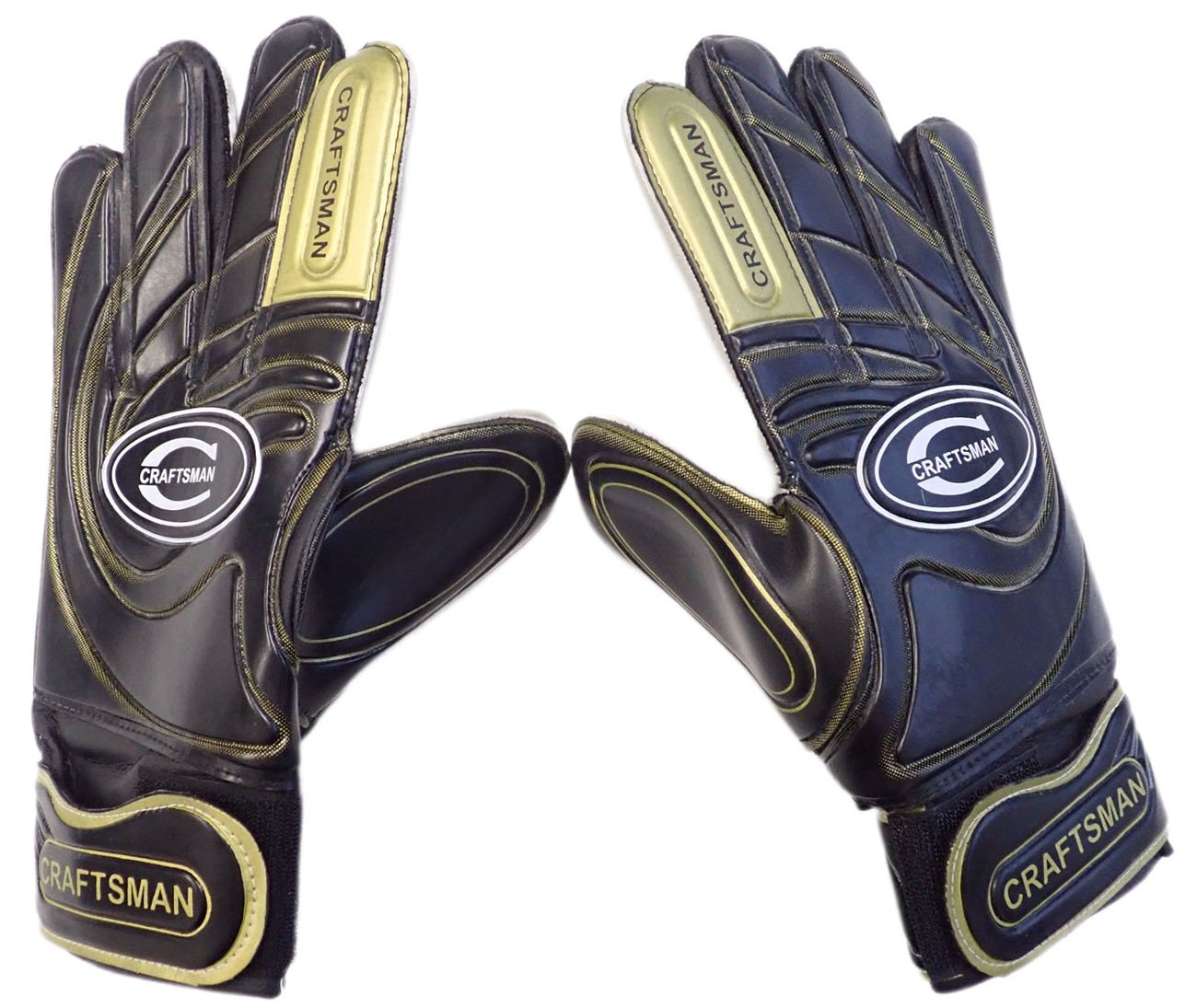
Don’t leave your gloves zipped up in your bag after a game—let them dry in the shade and store them in a dry place (mold and odor are the most common ways gloves meet their end).